For patients undergoing limb salvage surgery, often after battling bone cancer, the long-term stability of an implant is a primary concern. Traditional challenges like implant loosening, poor soft tissue attachment, and subsequent infections have long been clinical hurdles. Now, a significant advancement from orthopaedic oncology provider Onkos Surgical offers new hope, thanks to a green light from the Food and Drug Administration (FDA).
Onkos Surgical has received FDA clearance for its innovative portfolio of modular, 3D-printed BioGrip® collars, a technology designed to create more durable and stable bone implants.
Addressing a Critical Challenge in Limb Salvage
When a cancerous section of bone is surgically removed, it can sometimes be replaced with a titanium implant. However, ensuring this implant integrates seamlessly and permanently with the patient’s own bone is critical. The BioGrip collar is engineered to solve precisely this problem.
As part of the company’s ELEOS™ Limb Salvage System, these collars are designed to support and promote natural bone growth in bone cancer survivors and others facing complex limb reconstruction. The innovative design enhances contact between the implant and the patient’s body, dramatically reducing the risk of loosening over time.

The Science Behind the Stability
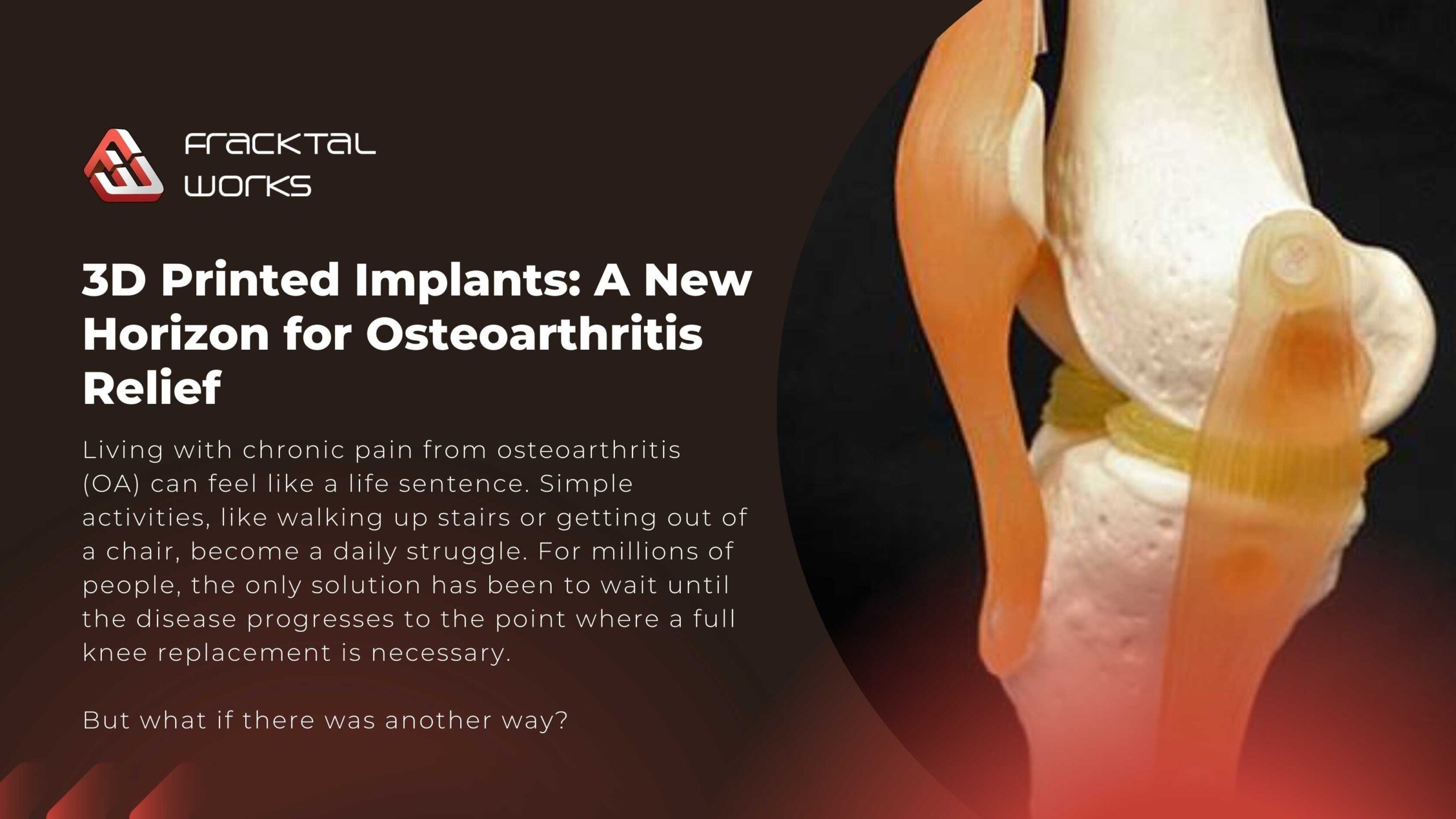
What makes the BioGrip collar so effective is its unique combination of design and material science. The collar features a 3D-printed porous structure that mimics the trabecular nature of bone, creating a scaffold for the patient’s own bone to grow into—a process known as osseointegration.
This process is further accelerated by a novel nano hydroxyapatite treatment. Hydroxyapatite is a naturally occurring mineral form of calcium apatite, a primary component of human bone.
“Research has shown that designs treated with hydroxyapatite provide greater surface area for bone ingrowth and may result in lower rates of implant loosening,” notes Dr. Shervin Oskouei, Chief of Orthopedic Surgery at Emory University Hospital Midtown.
The new FDA clearance also includes an oval-shaped collar, expanding the options available for complex procedures like distal femoral replacements.

3D Printing: A Revolution in Healthcare
This clearance for Onkos Surgical is the latest example of how 3D printing is revolutionizing the medical field. The FDA has been increasingly recognizing the potential of this technology for creating patient-specific and highly effective medical devices.
Other recent approvals include:
- Flexcera™ Base resin, from Desktop Health, for 3D printing dental prosthetics.
- T19, a 3D-printed tablet from Chinese pharmaceutical firm Triastek, designed to treat rheumatoid arthritis.
The approval of the BioGrip collars marks another major step forward, promising a more stable and hopeful future for patients who have already endured so much.
Making Advanced Technology Accessible
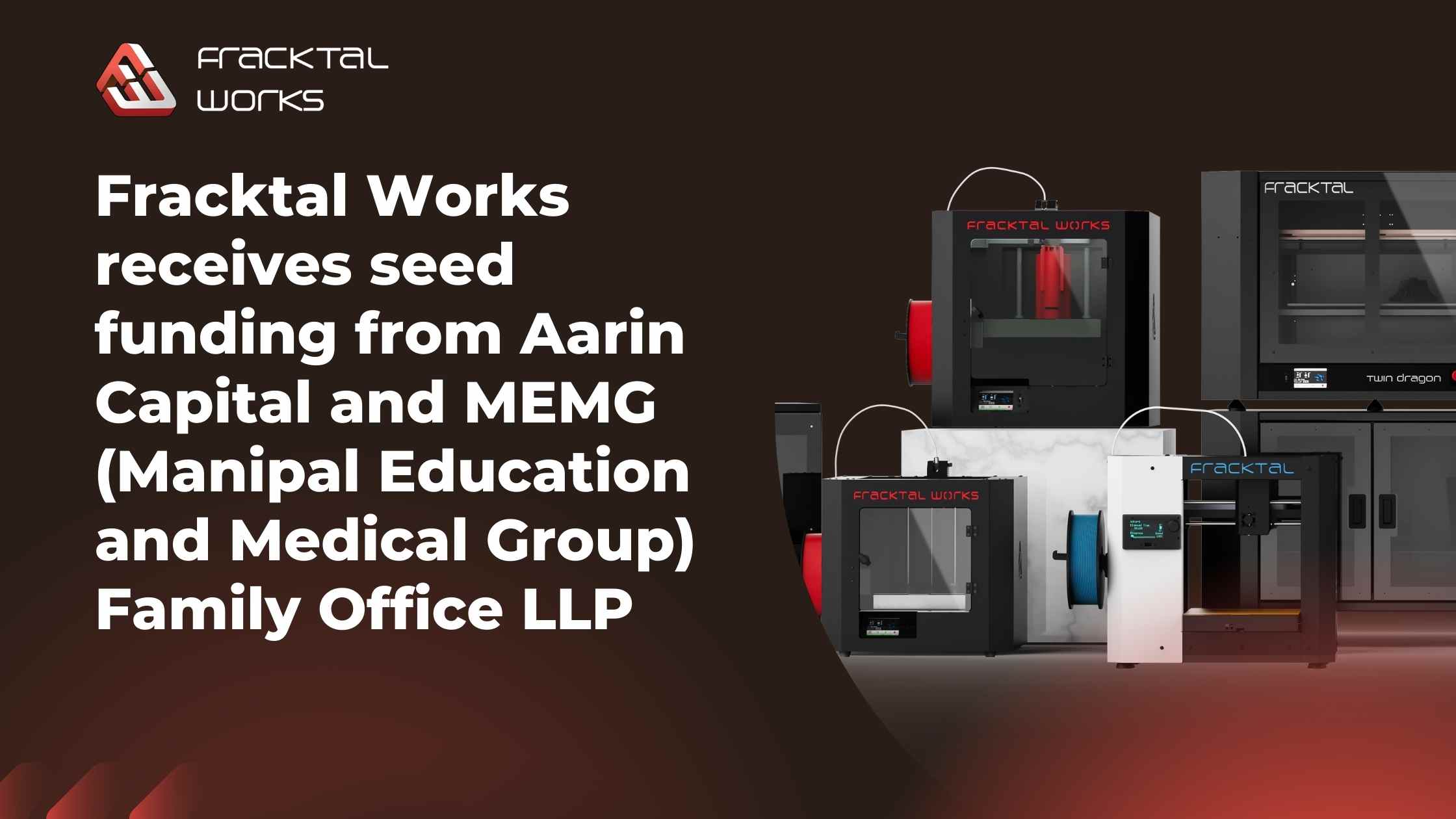
While specialized, FDA-approved implants like the BioGrip represent the peak of pre-market medical innovation, the broader adoption of 3D printing in healthcare relies on accessibility. This is where companies like Fracktal Works are playing a crucial role.
By providing affordable, easy-to-use desktop 3D printers and on-demand printing services, Fracktal Works is empowering individual medical professionals and clinics. This accessibility allows doctors to:
- Create patient-specific anatomical models for preoperative planning.
- Prototype custom surgical guides and ergonomic tool grips.
- Innovate new medical devices without the need for large-scale manufacturing.
This ground-up approach complements the high-level advancements from companies like Onkos Surgical, ensuring that the 3D printing revolution in medicine is happening at every level, from the local clinic to the specialized operating room.
How 3D printing is shaping healthcare & education This TEDx talk discusses the revolutionary impact of 3D printing on medical training, surgical planning, and patient care.