












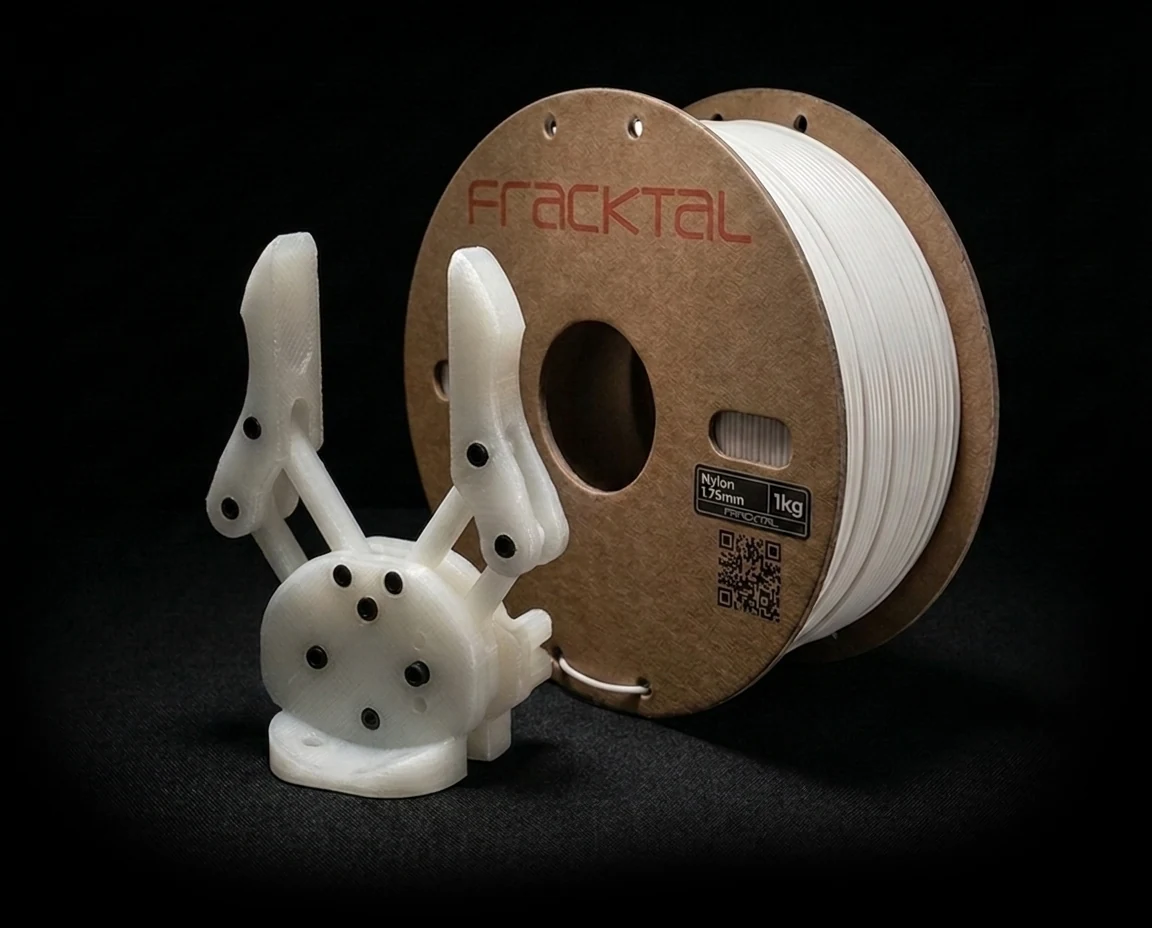
Nylon PA12 Filament
Tough, low-friction polyamide for moving parts, snap-fits, and wear-resistant mechanical components.
Quick Reference
- Material properties
- Engineering Polymer
- Polyamide 12 (PA12)
- None
- 50 MPa
- 78 °C
- 1.01 g/cm³
- Hygroscopic — dry 70 °C / 12 h before printing
- 250–265 °C
- ≥ 0.4 mm
- Hardened steel or brass
- 70–80 °C
- Recommended (helps adhesion)
- Sand, drill, tap, acetone wipe
Material Property Profile
Values scored 0–10 from measured mechanical data and print process behaviour. Select a material above to compare properties.
Key Properties
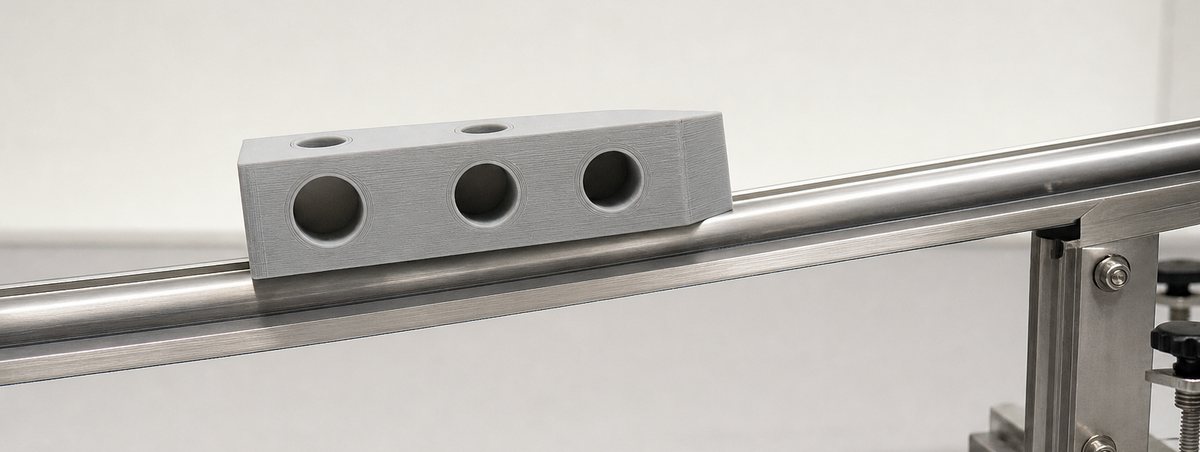
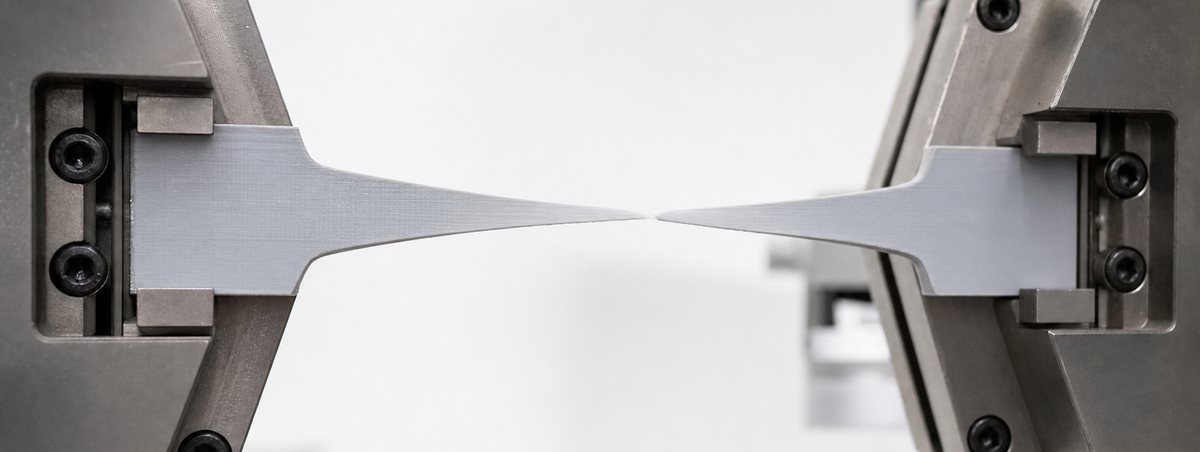
Nylon is picked for how it behaves over time — flex cycles, sliding contact, impact — not for peak strength.

Machine Requirements
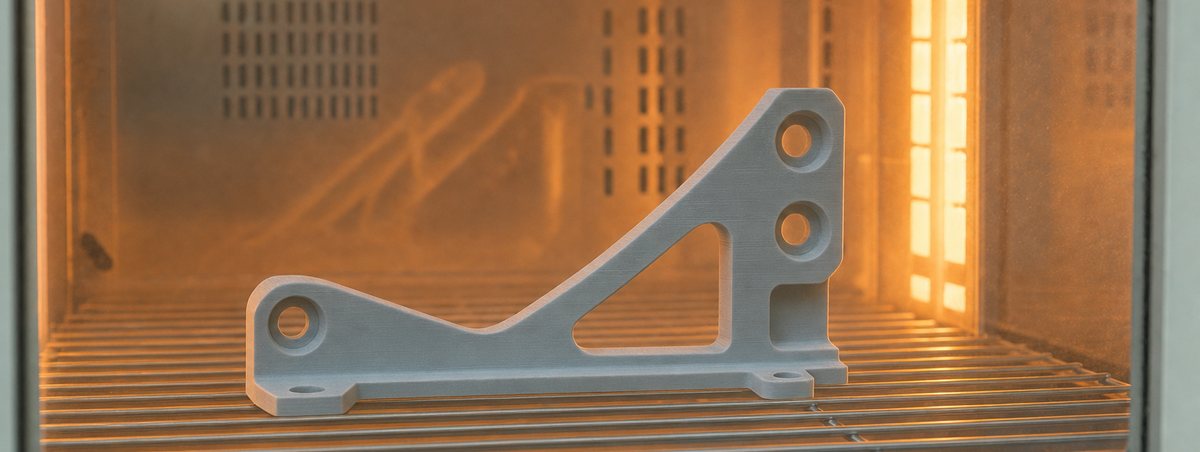
Nothing on this list is exotic. The drying is the row people skip, and it is the one that decides the print.
| Requirement | Minimum Spec | Recommended |
|---|---|---|
| Nozzle Temperature | 240 °C | 250–265 °C |
| Bed Temperature | 60 °C | 70–80 °C |
| Enclosure | Passive | Heated (40–50 °C) |
| Nozzle Material | Brass | Hardened Steel |
| Cooling Fan | Off | Off or minimal |
| Retraction | Low | 2–4 mm @ 40 mm/s |
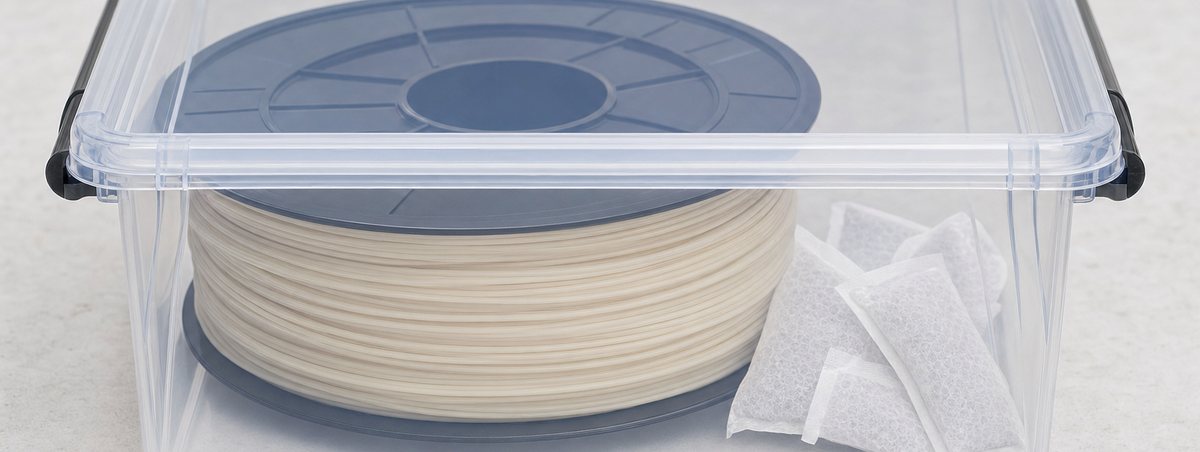
Drying is mandatory. Nylon PA12 is highly hygroscopic. Wet filament bubbles, strings and bonds badly between layers. Dry at 70 °C for 12 h before printing and print from a dry box. Dry it before you blame the plate — why Nylon will not stay down.
Applications by Industry
Automotive
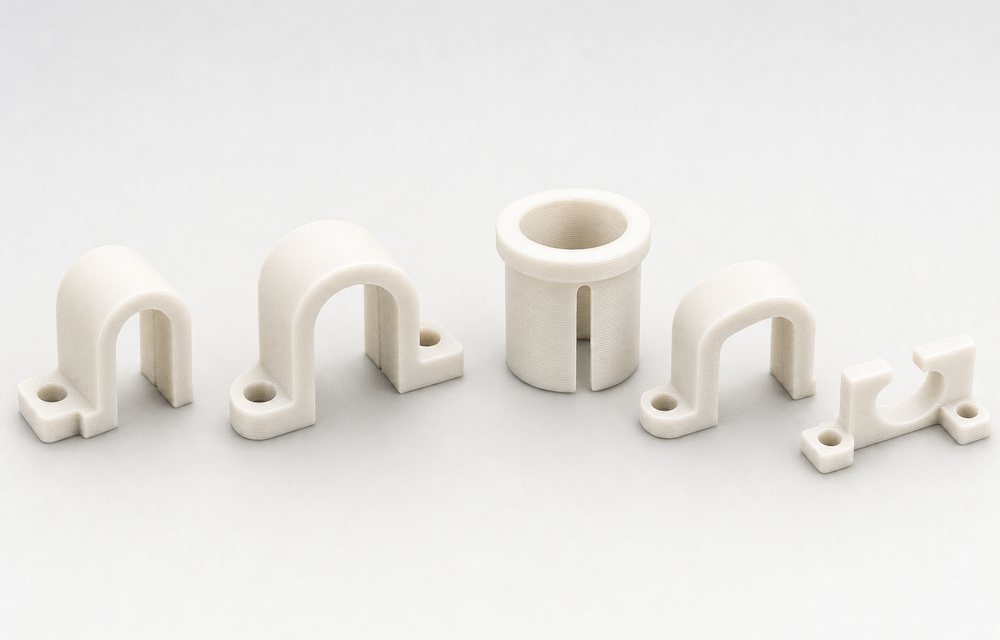
- Cable clips & conduit holders
- Sliding bushings
- Engine bay brackets
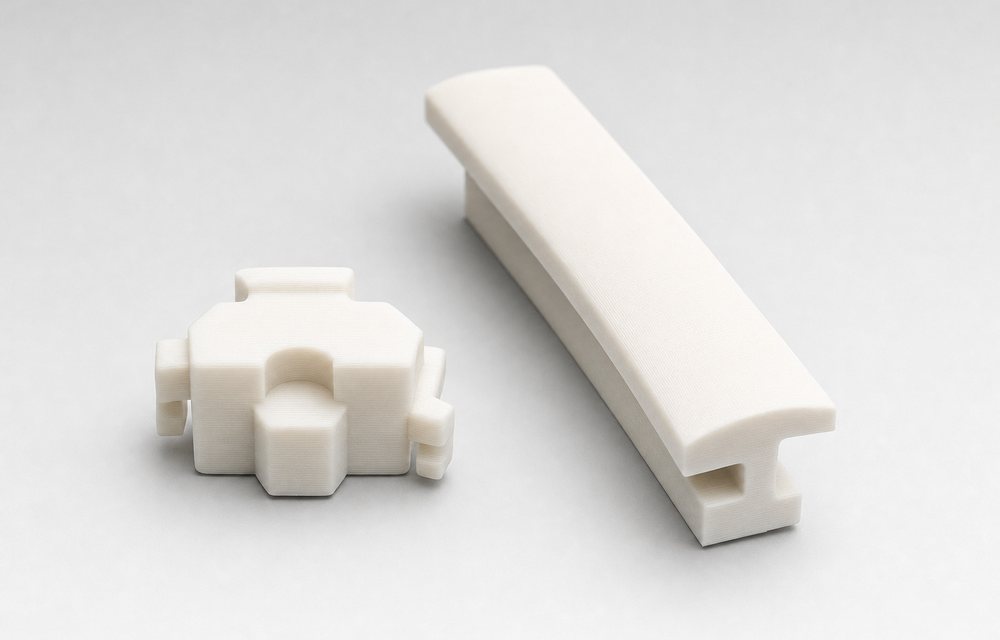
Industrial
- Wear-resistant guides
- Conveyor components
- Machine snap-fits
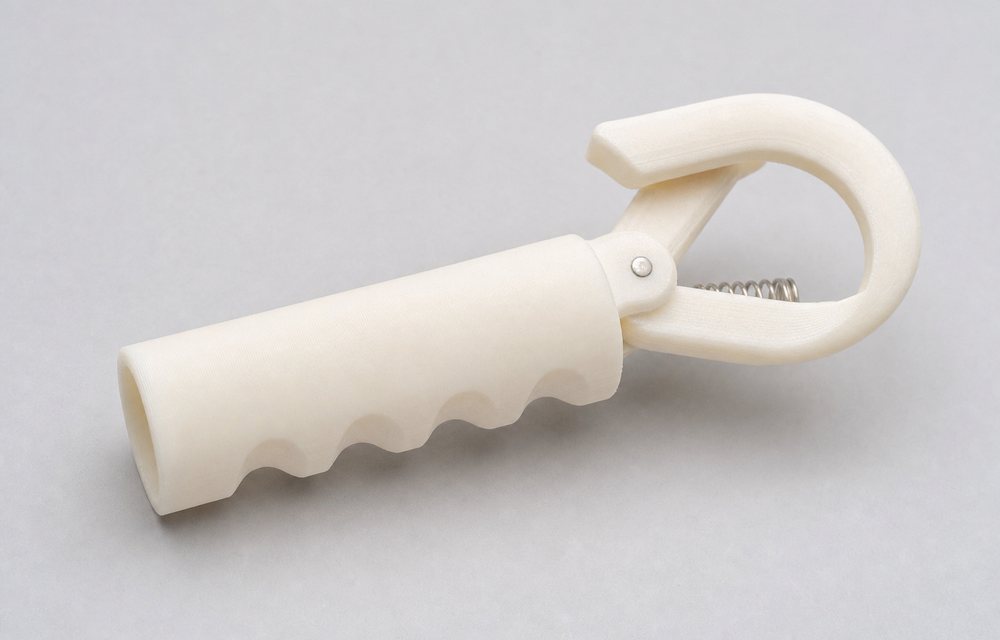
Consumer / Sports
- Bicycle derailleur parts
- Tool handles
- Sports equipment clips
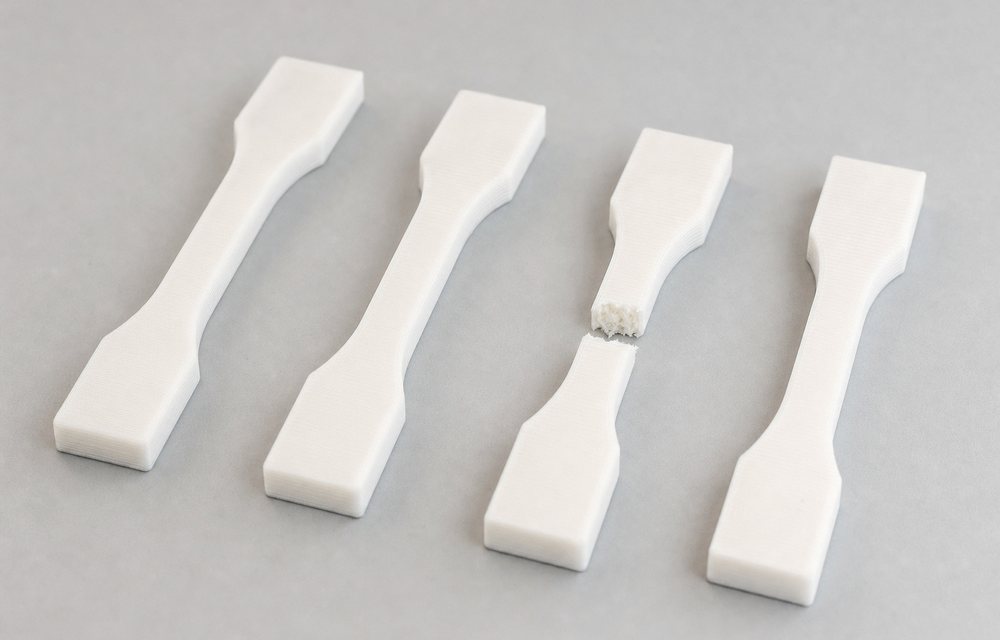
R&D / Prototyping
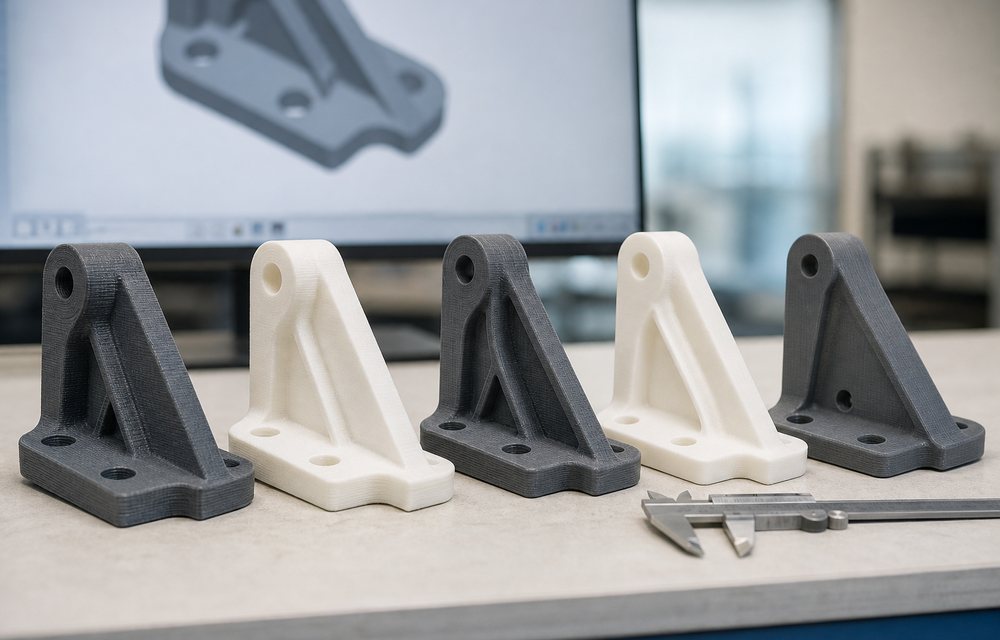
- Functional mechanical prototypes
- Test jigs
- Fatigue test specimens
Tensile Strength Across the Range (MPa)
Heat Deflection vs Tensile Strength
Available Materials
When to Use Nylon PA12, and When Not To
Use Nylon PA12 when
- You need fatigue resistance and repeated flex cycles
- Low-friction sliding or bearing surfaces are required
- The part must resist moderate impact without brittle failure
- Weight reduction matters — lightest engineering option
- Print temperature ≤ 265 °C is required
Avoid Nylon PA12 when
- Prolonged UV or outdoor exposure (use ASA instead)
- Operating temperature above 80 °C continuously (use PC)
- High dimensional precision with moisture-sensitive fit
- Very tight tolerances — Nylon absorbs moisture and expands
DfAM Tips for Nylon PA12
Nylon’s toughness only shows up if the part is designed to flex, and if the filament is dry.

Wall Thickness ≥ 1.2 mm
PA12 needs at least 3 perimeters for structural benefit. Thinner walls flex unpredictably under load.

Min Hole Diameter: 1.5 mm
Hygroscopic expansion can close tight holes after printing. Add 0.1–0.2 mm clearance on bore diameters.

Max Overhang: 45°
PA12 bridges well but long unsupported overhangs sag. Use supports for faces beyond 45° from vertical.
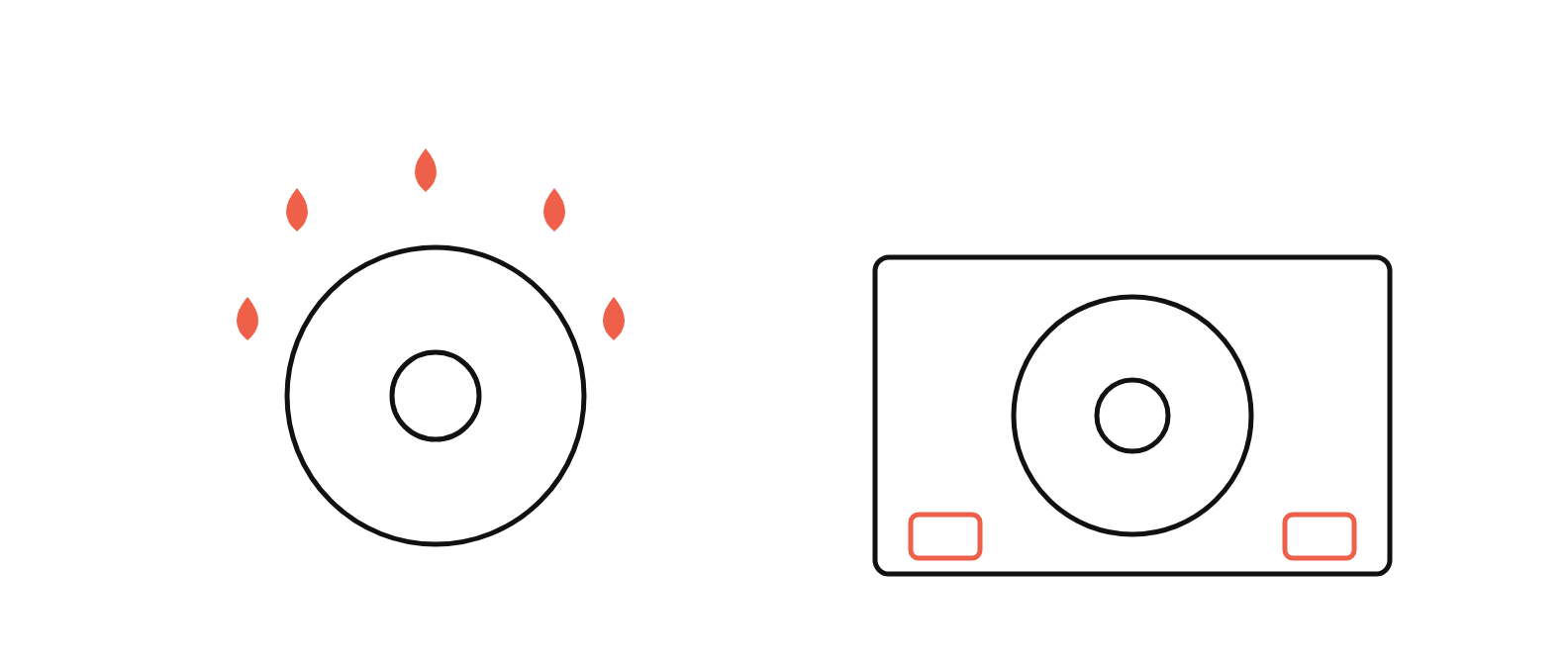
Mandatory Pre-Drying
Dry at 70 °C for 12 h in a filament dryer or oven before printing. Store in sealed bags with desiccant, even between prints.
Printers Compatible with Nylon PA12
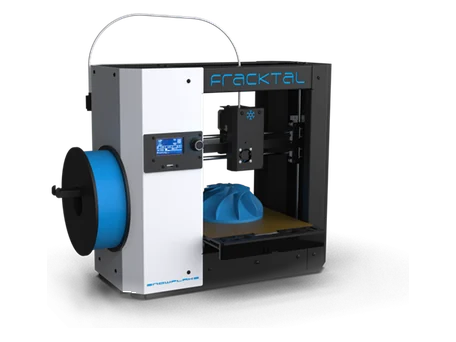
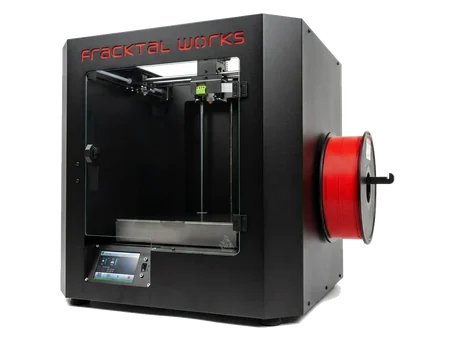
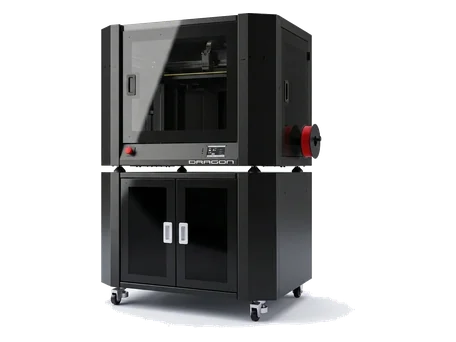
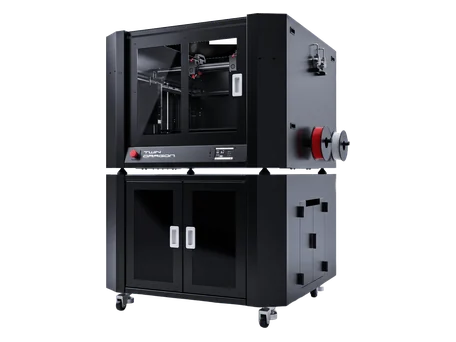
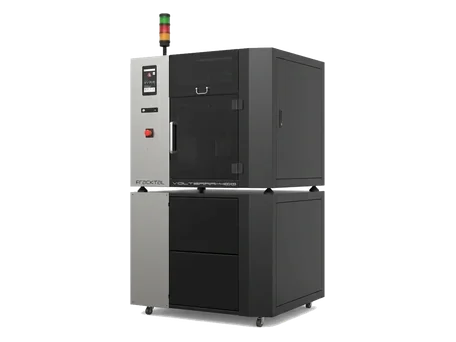
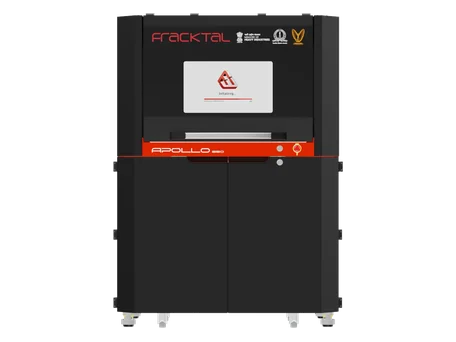
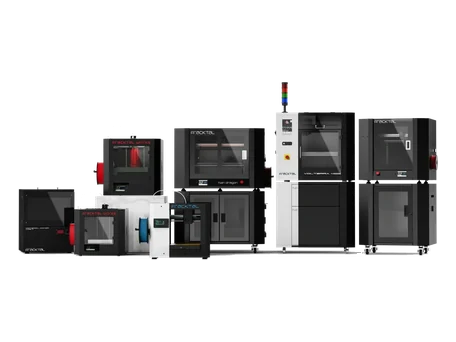
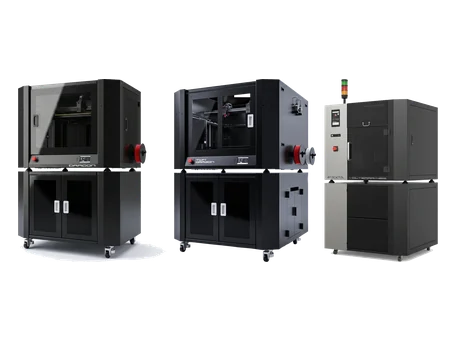
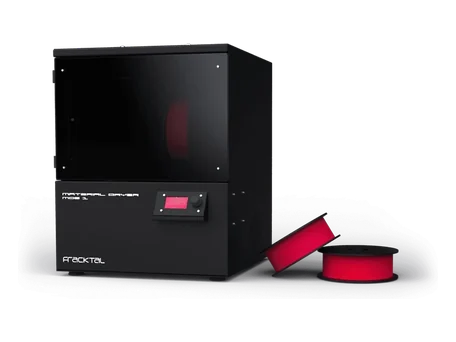
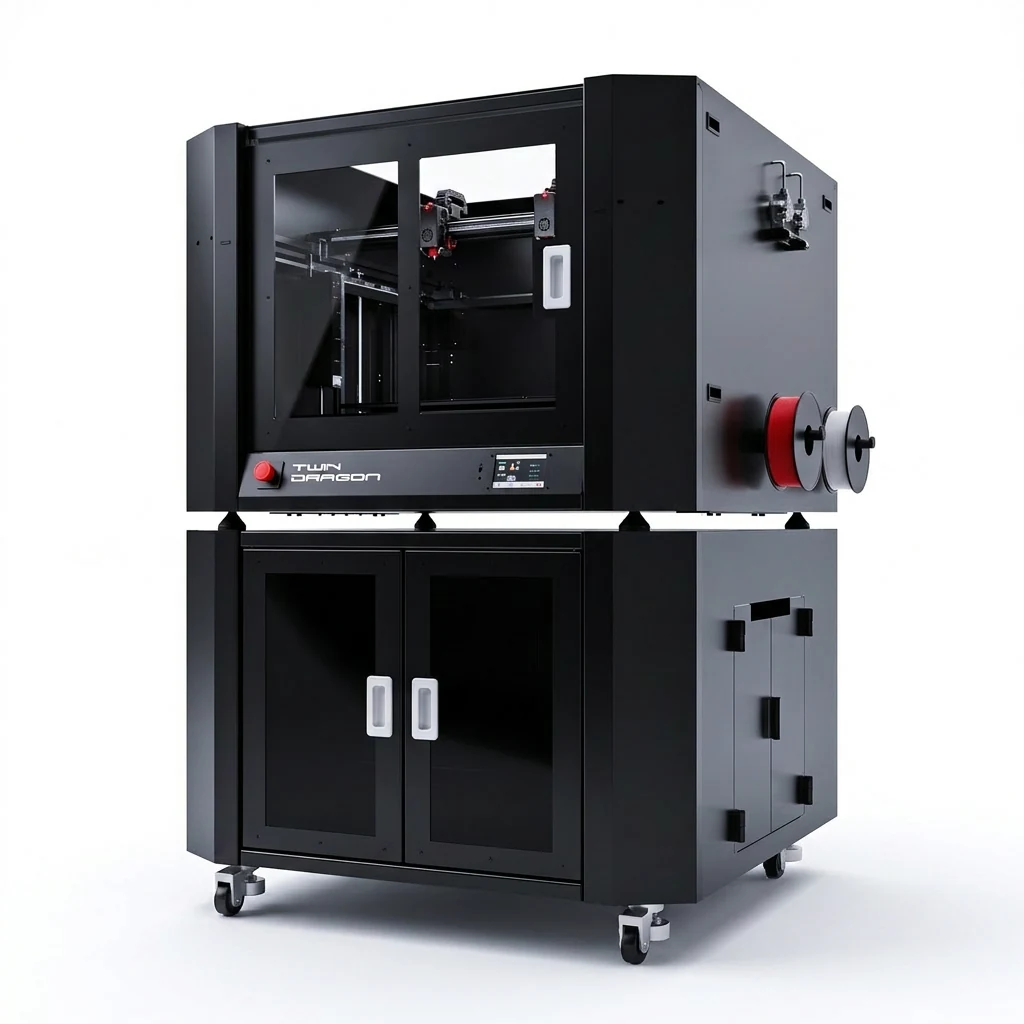
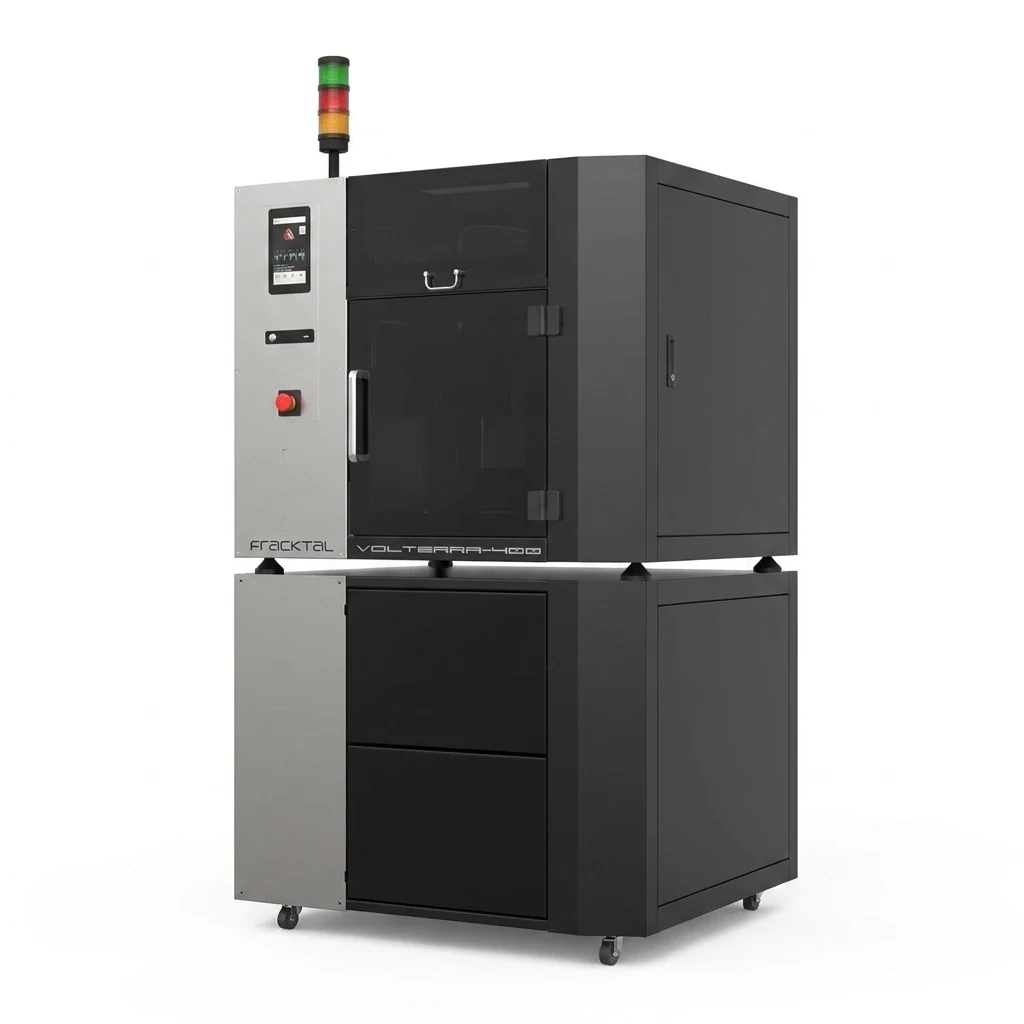
Nylon PA12 requires an enclosed print environment and temperatures up to 265 °C. These Fracktal machines meet every requirement out of the box.


Ready to print in Nylon PA12?
Fracktal Nylon PA12 ships in available in 500 g and 1 kg spools.