











Machines for Research
Research labs run printers harder than anyone: new materials, unproven geometries, months-long studies. Fracktal machines are designed and built in Bengaluru by a team you can actually reach, which is why institutions across India run them for research as well as teaching. For classrooms and student labs, the education page covers courses and the student discount.
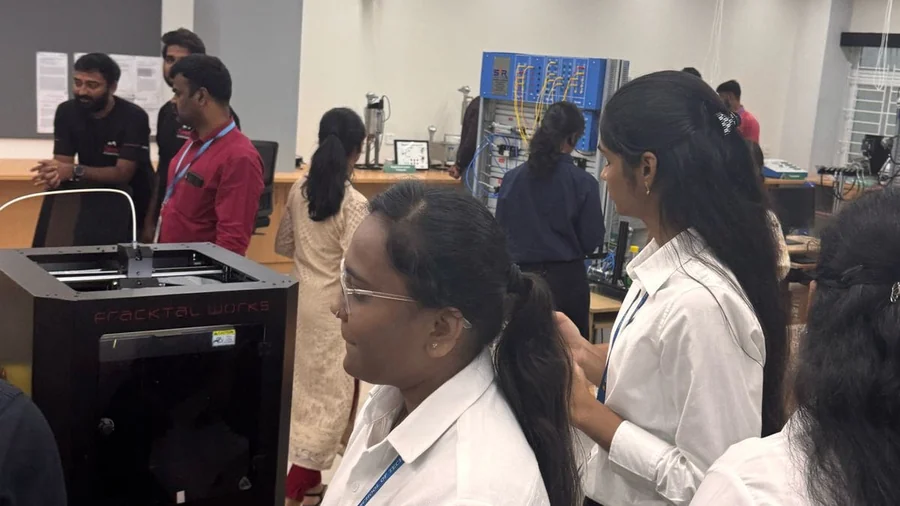
Research Institutions on Fracktal Machines





Research That Runs on Our Machines
Robotics
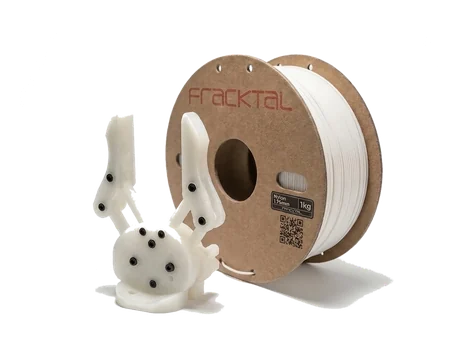
Structural parts, grippers and housings iterated as fast as the mechanism design changes — printed overnight, tested in the morning.
Composite Materials & Tooling
Moulds and layup tools for carbon-fibre work, and carbon-filled filaments on the high-temperature machines for the parts themselves.
UAVs & Drones
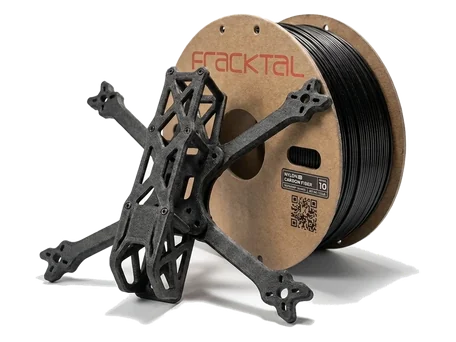
Airframes, mounts and ducts where every gram counts. Printed, flown, broken and reprinted within the same week.
Smart Structures & 4D Printing
Geometries that respond to load or temperature, from lattice studies to shape-change experiments.
Electronics Manufacturing
Enclosures, test fixtures and small-batch production aids for embedded and IoT hardware research.
Manufacturing Automation
Jigs, end-of-arm tooling and process studies for labs working on how factories themselves will change.

A Call Away, and They Mean It
“We have been using Fracktal Works 3D printers for multiple years now, and they are helping us with advanced research as well as student projects. Fracktal is just a call away to support us.” So says Rohit Shenoi, Research Scholar at MIT Manipal, and his lab is not an outlier.
That is the working relationship we offer every lab: machines from a manufacturer, not an importer, with the people who designed them on the other end of the phone. If your research needs a material profile, a hardware modification or just a second opinion on a failed print, you are talking to the source.
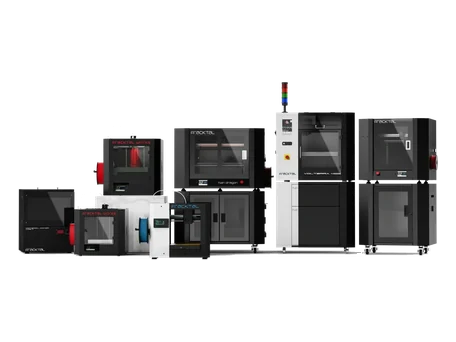
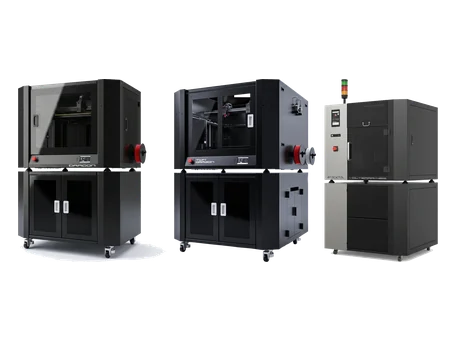
Four Printers, Lab to Lab
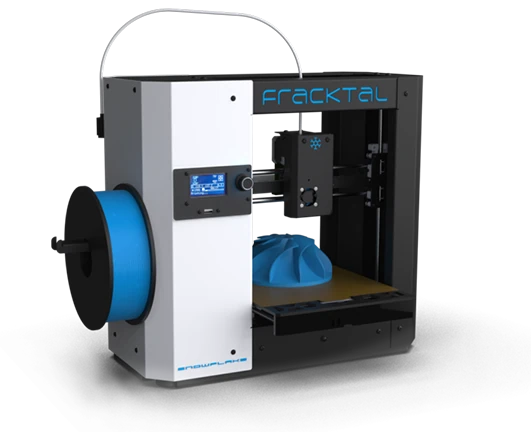
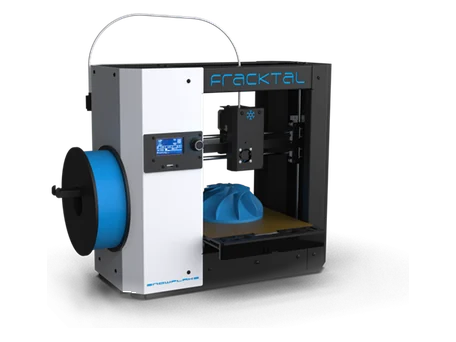
Snowflake
The teaching-lab workhorse: quality parts straight off the machine, up to 280°C.
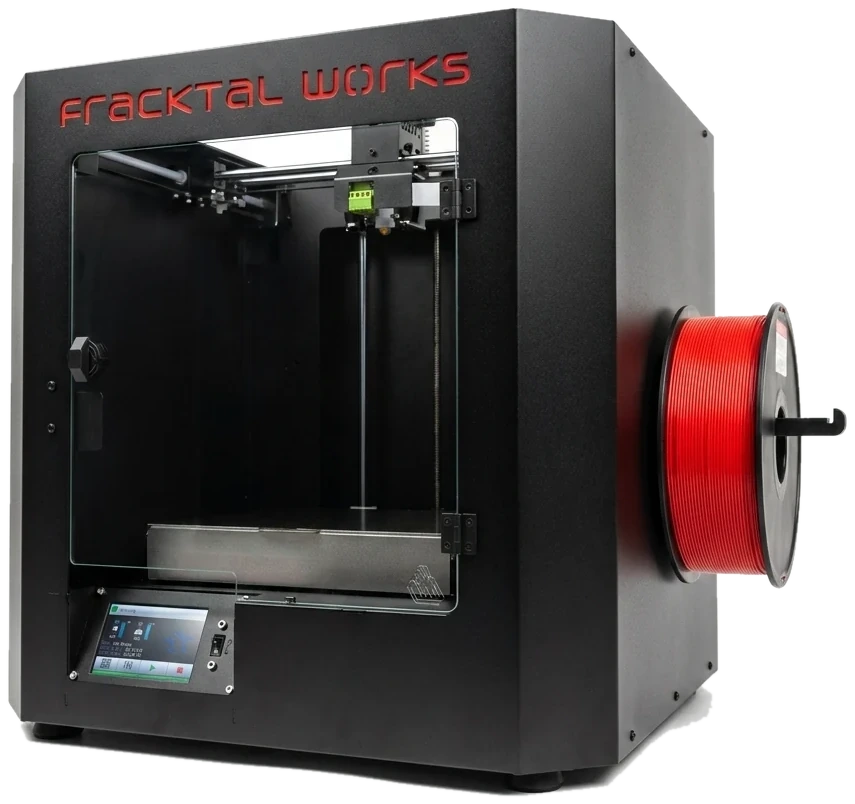
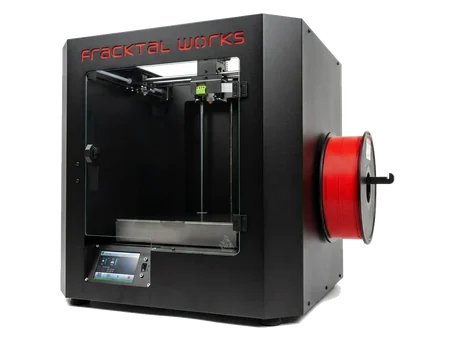
Julia
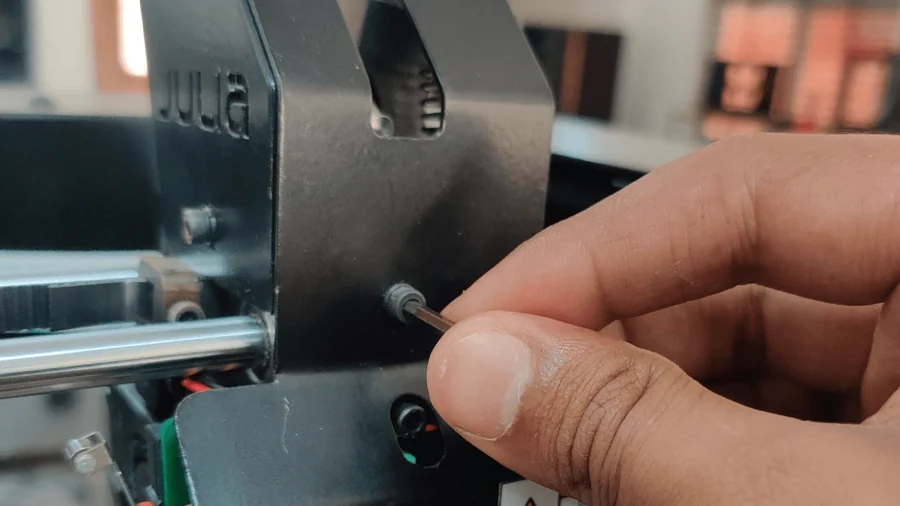
60µm resolution with an integrated camera and IoT control — built for shared labs.
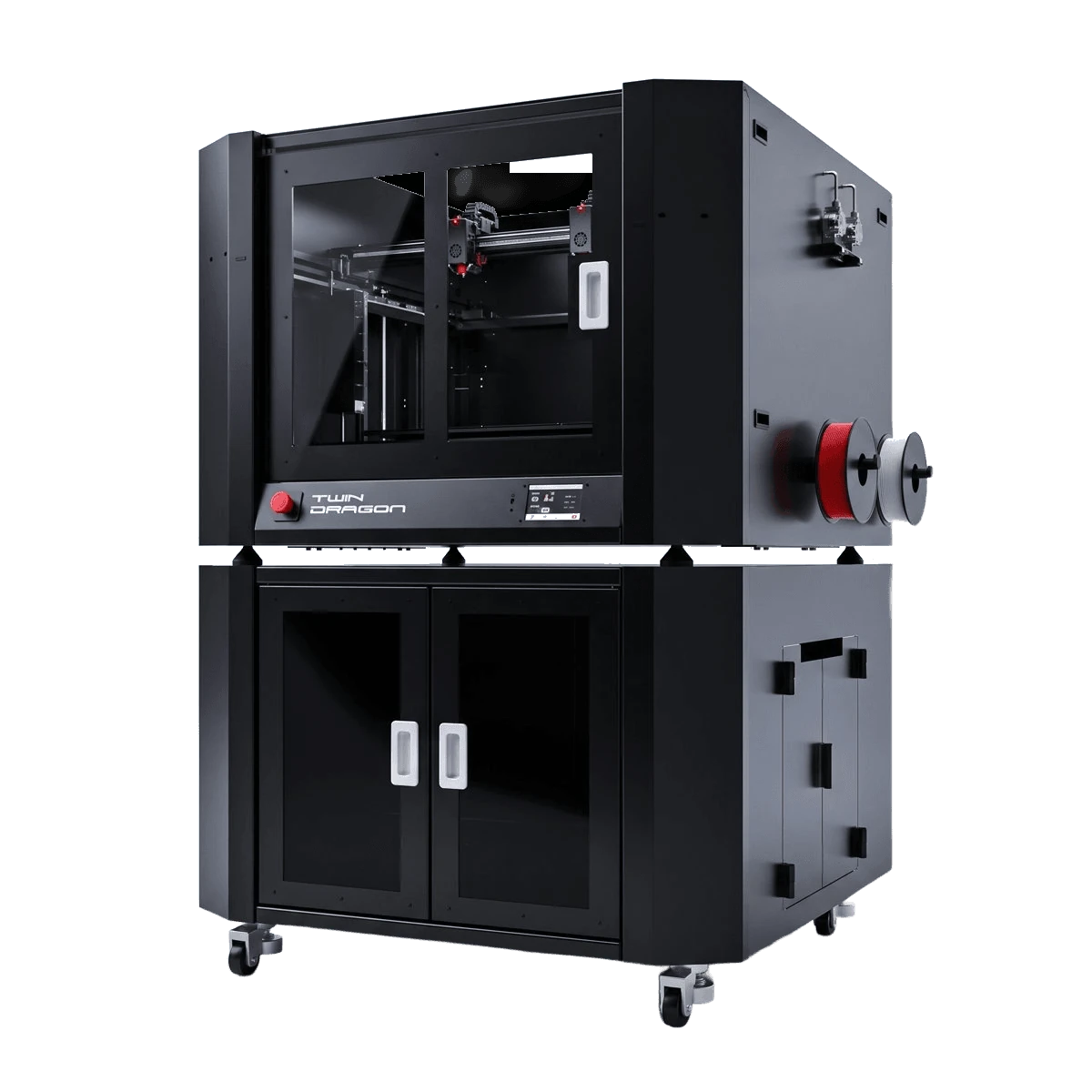
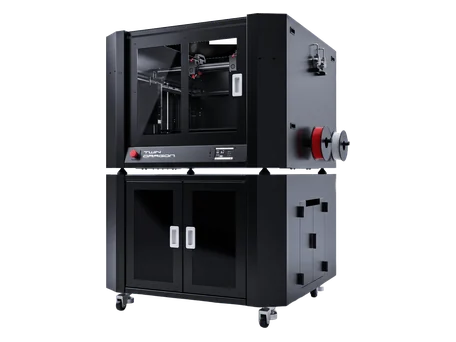
Twin Dragon
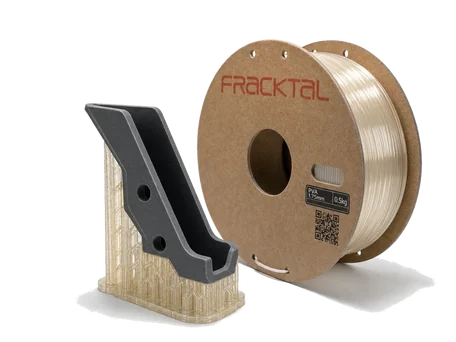
Two independent extruders for dual-material and soluble-support research prints.
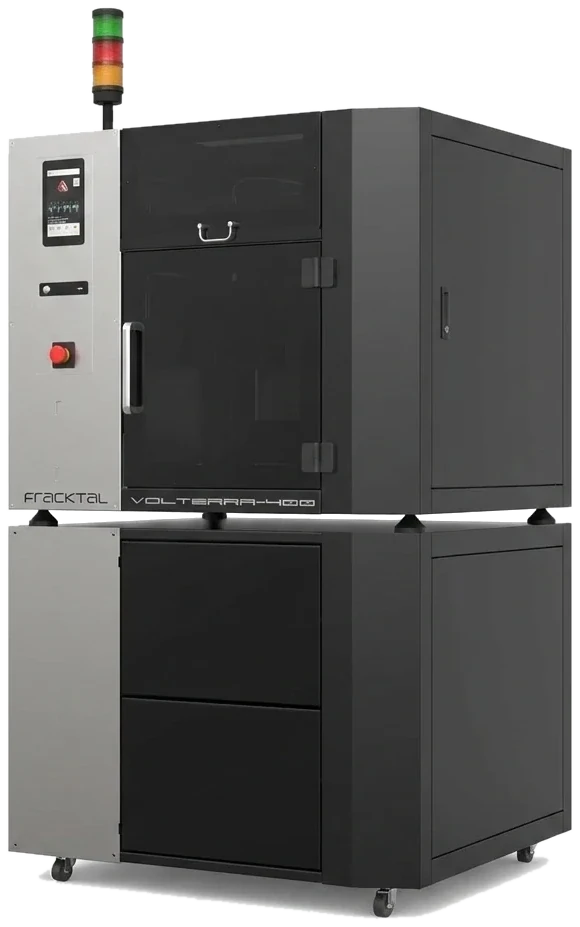
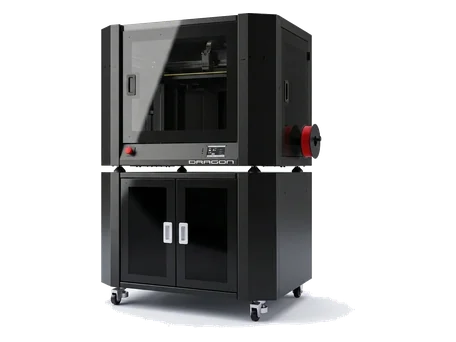
Volterra
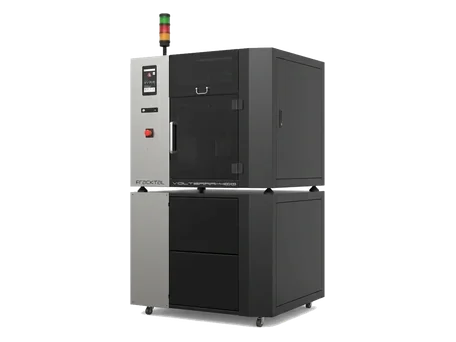
450°C hotend and a 90°C chamber for the engineering polymers research actually needs.
For Labs and Classrooms
Bring us a research problem
A material to characterise, a geometry to study, a lab to equip: tell us what you are working on and we will tell you honestly what our machines can and cannot do for it.