








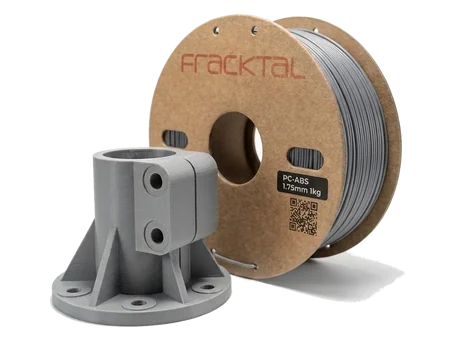



ABS Filament
Classic engineering thermoplastic with high-impact resistance, excellent post-processability, and broad chemical compatibility.
Quick Reference
- Material properties
- General Purpose Engineering
- Acrylonitrile Butadiene Styrene (ABS)
- None
- 38 MPa
- 96 °C
- 1.05 g/cm³
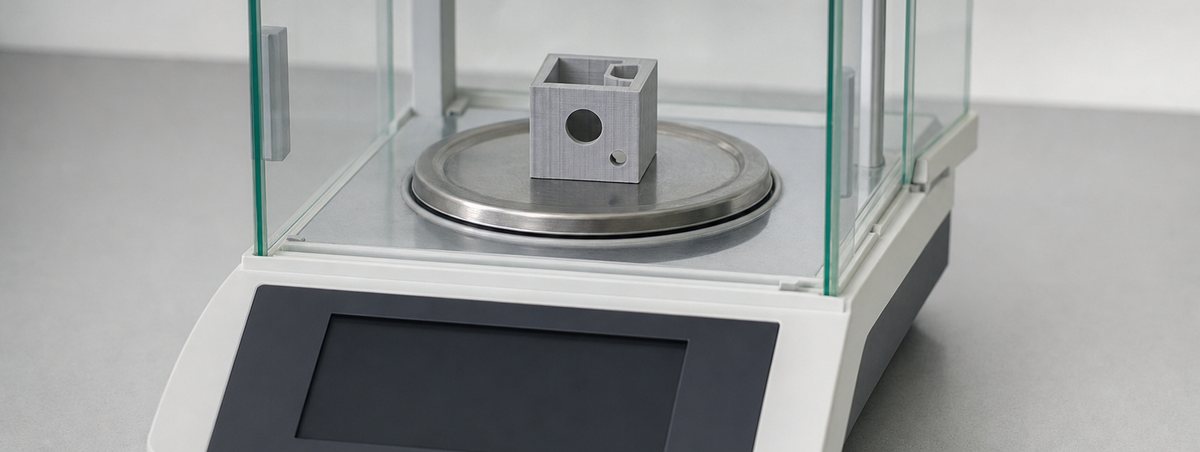
- Low — dry 60 °C / 4 h if stored unsealed
- 235–245 °C
- ≥ 0.4 mm
- Brass or hardened steel
- 95–110 °C
- Required (prevents warping)
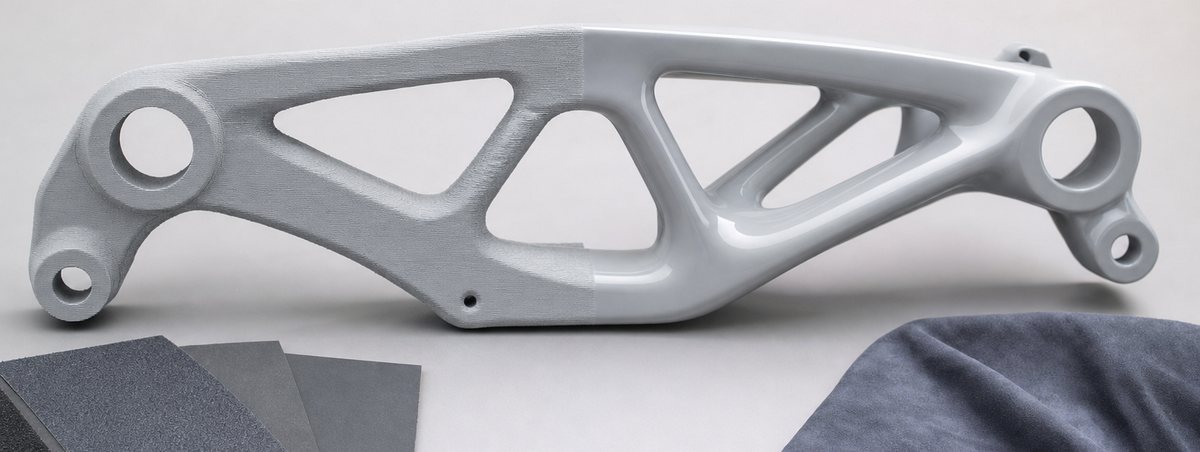
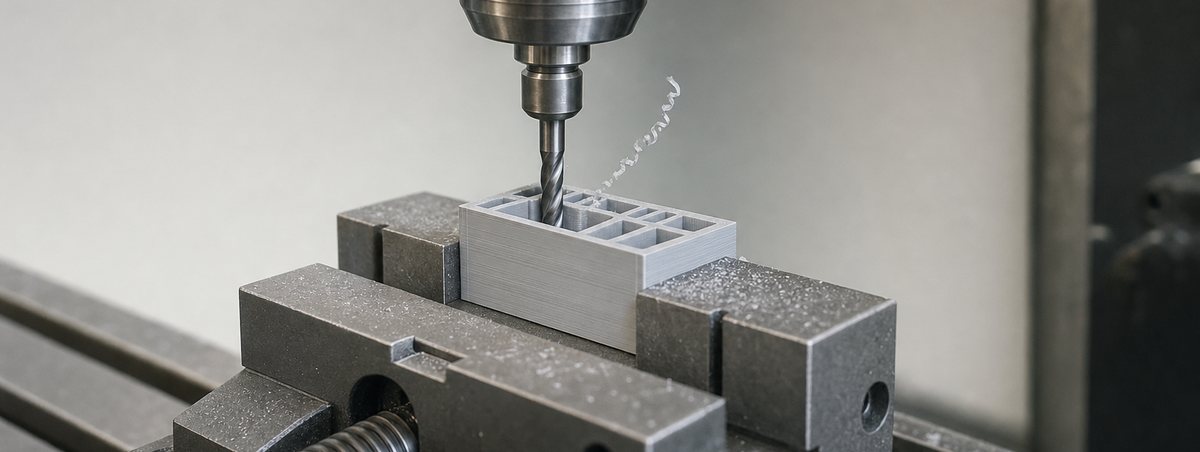
- Acetone vapour smooth, sand, paint, drill, tap
Material Property Profile
Values scored 0–10 from measured mechanical data and print process behaviour. Select a material above to compare properties.
Key Properties
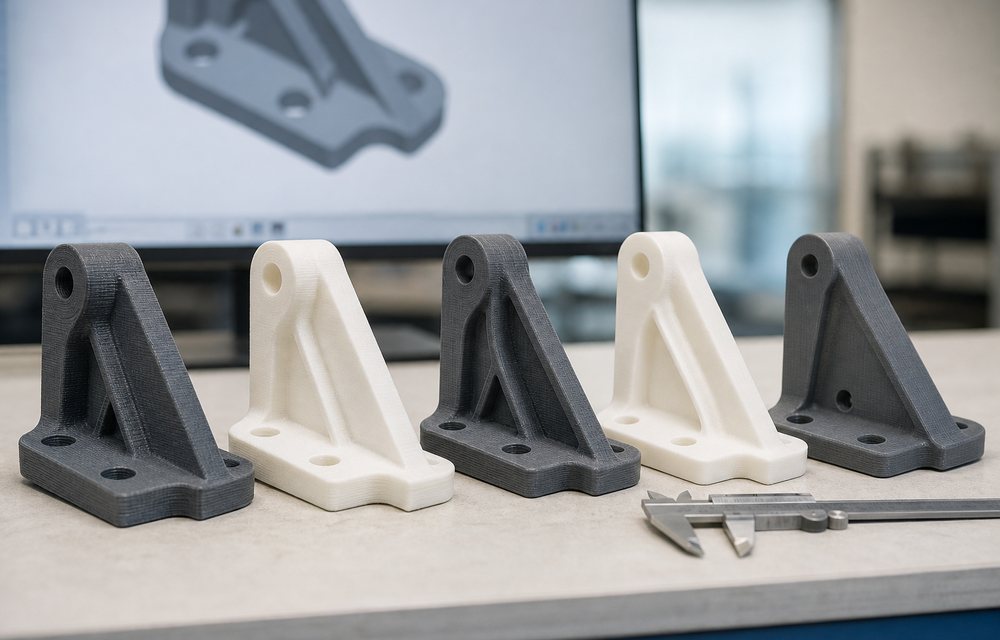
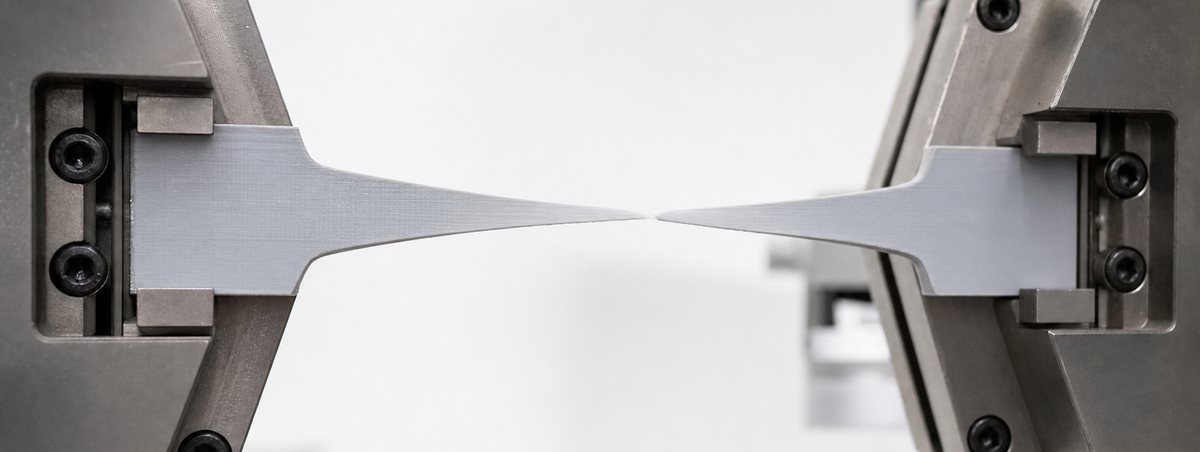
ABS is chosen for impact resistance and for what you can do to the part afterwards. The tensile number is not the story.

Machine Requirements
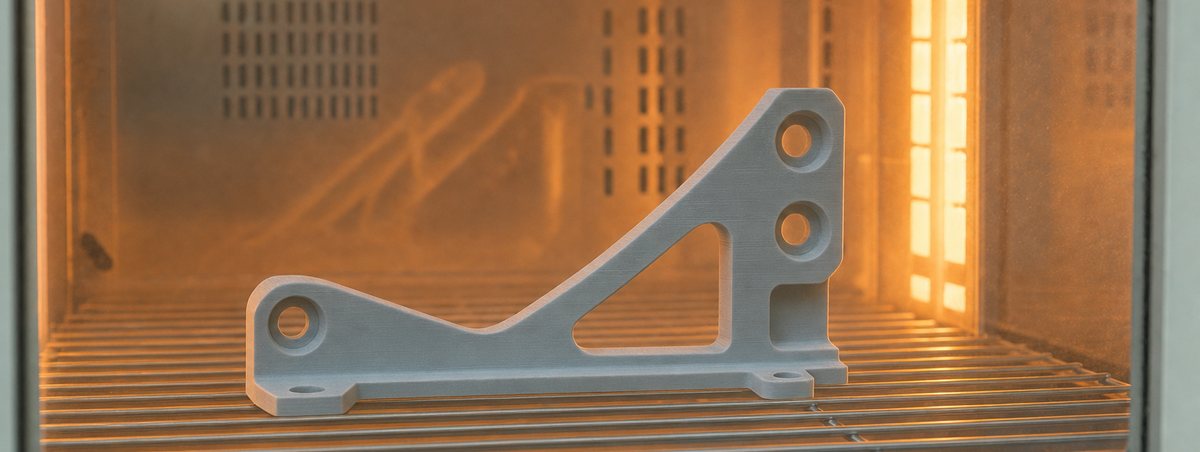
ABS has one hard requirement, and it is the enclosure. Everything below that is tuning.
| Requirement | Minimum Spec | Recommended |
|---|---|---|
| Nozzle Temperature | 230 °C | 235–245 °C |
| Bed Temperature | 95 °C | 100–110 °C |
| Enclosure | Enclosed (required) | Heated (45–55 °C) |
| Nozzle Material | Brass | Brass or hardened steel |
| Cooling Fan | Off | Off (warp risk) |
| Retraction | 3 mm | 4–5 mm @ 45 mm/s |
Enclosure required. ABS warps severely on open-frame printers. A heated enclosure (45–55 °C) is mandatory. Turn the cooling fan off entirely. Rapid cooling cracks the layers. Corners lifting is shrinkage, not adhesion — why ABS warps, and the five things that stop it.
Applications by Industry
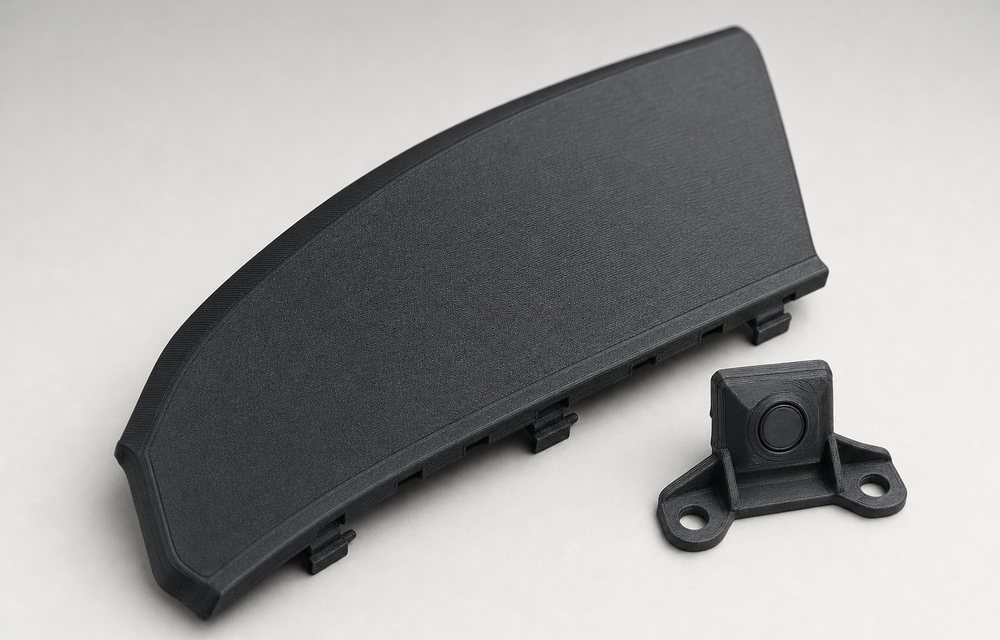
Automotive
- Interior panels & trims
- Dashboard components
- Sensor brackets
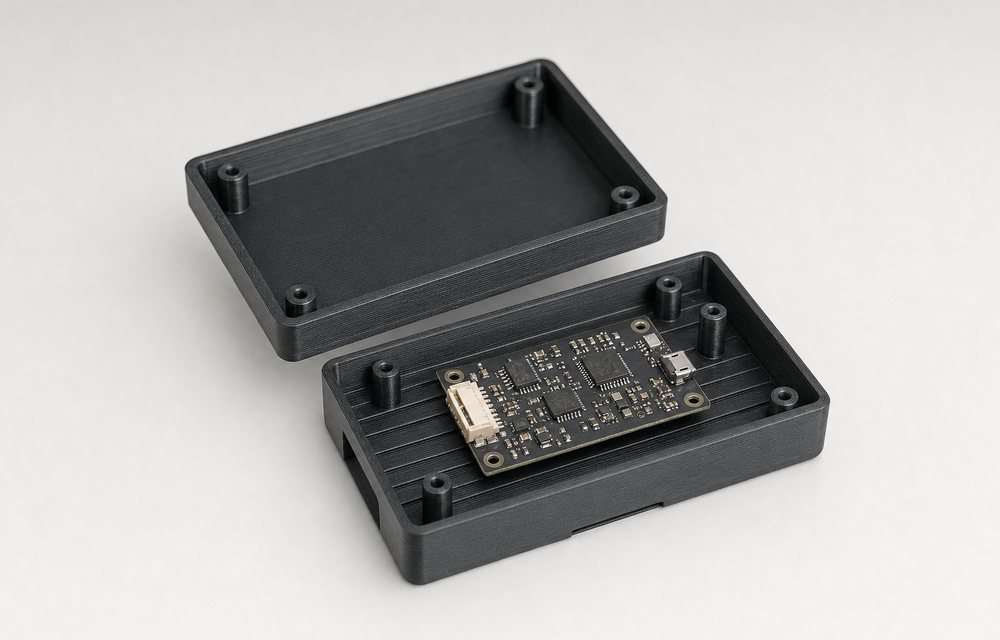
Electronics
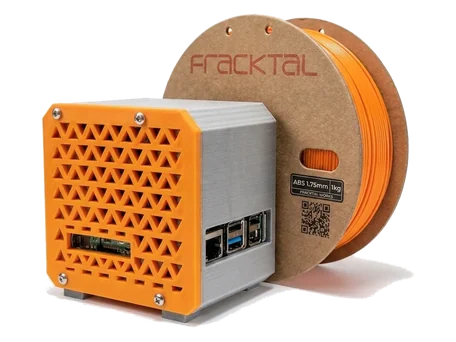
- Device enclosures & housings
- Connector bodies
- PCB covers
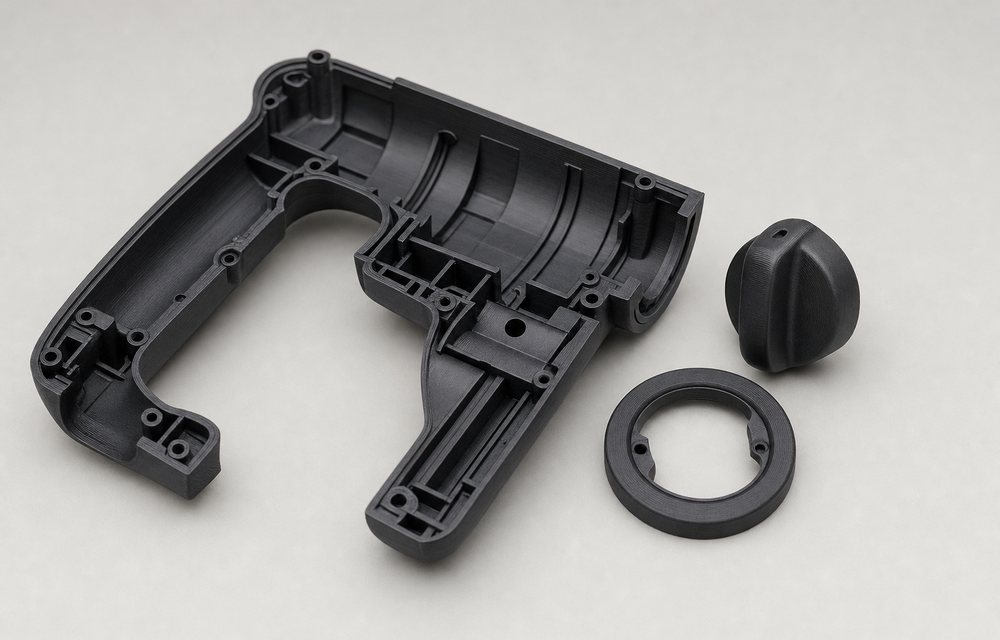
Consumer Products
- Tool casings
- Appliance parts
- Consumer product housings
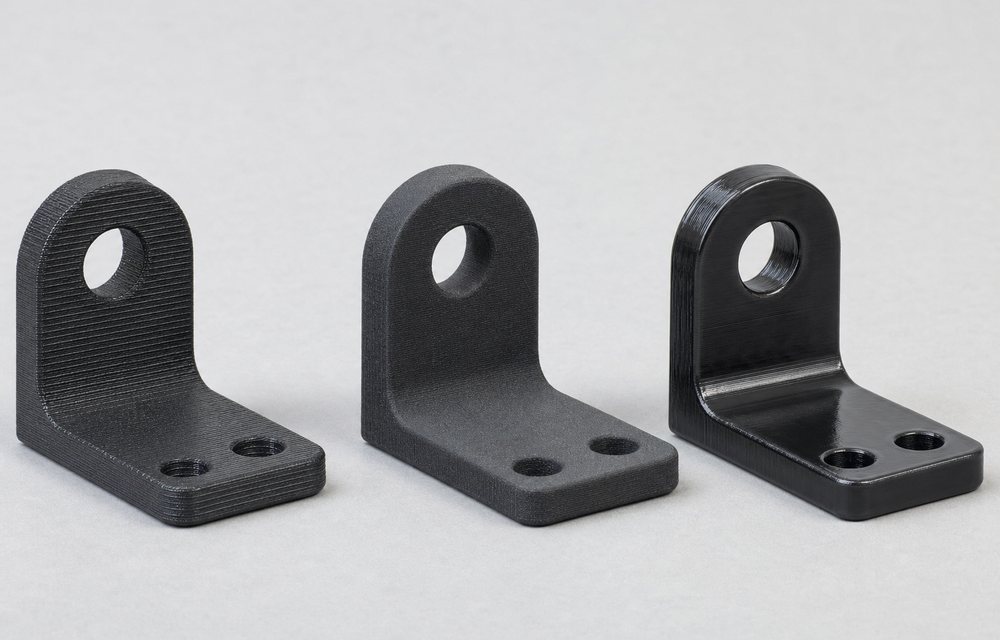
R&D / Prototyping
- High-temp functional prototypes
- Acetone-smoothed display parts
- Machined finished parts
Tensile Strength Across the Range (MPa)
Heat Deflection vs Tensile Strength
Available Materials
When to Use ABS, and When Not To
Use ABS when
- Operating temperature up to 90 °C continuously
- Acetone vapour smoothing for near-injection-moulded finish
- Lightweight and machineable end-use parts
- Classic electronics and automotive enclosures
- Post-processing (sand, prime, paint) is part of the workflow
Avoid ABS when
- Open-frame printers without enclosure (warping is severe)
- Chemically aggressive environments (use PETG or PVDF)
- Outdoor / UV exposure (use ASA — direct ABS upgrade)
- High fatigue or snap-fit applications (use Nylon PA12)
DfAM Tips for ABS
Most ABS problems are shrinkage problems. These rules design around it.

Wall Thickness ≥ 1.0 mm
ABS shrinks as it cools, so use 2 perimeters minimum. Use 3 for anything structural or snap-fit.

Min Hole Diameter: 1.5 mm
ABS shrinkage can close small holes. Add 0.1–0.2 mm to bore diameters.

Max Overhang: 45°
Without cooling fan, overhang quality drops quickly. Design with supports beyond 45° from vertical.
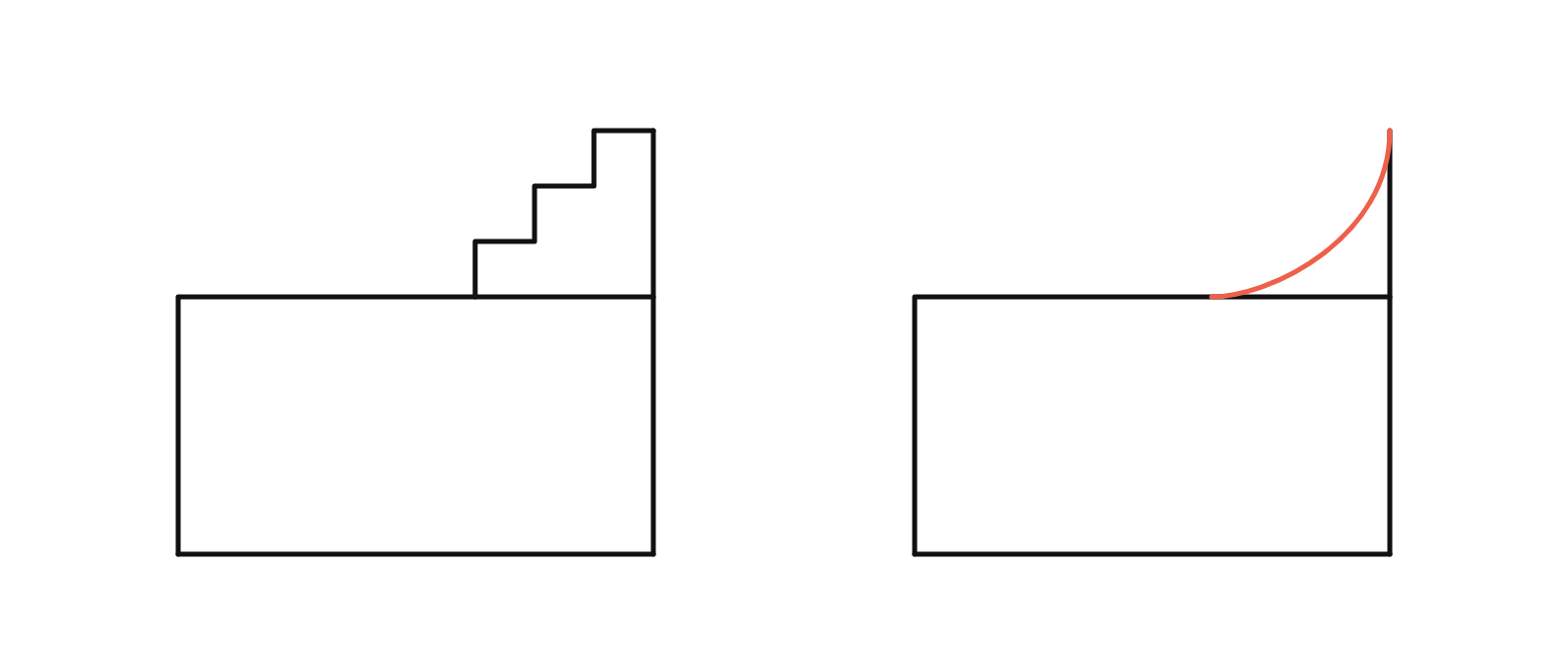
Design for Acetone Smoothing
If smoothing is planned, add 0.2–0.3 mm to all dimensions, because acetone removes material. Round all corners; acetone pooling ruins sharp internal edges.
Printers Compatible with ABS
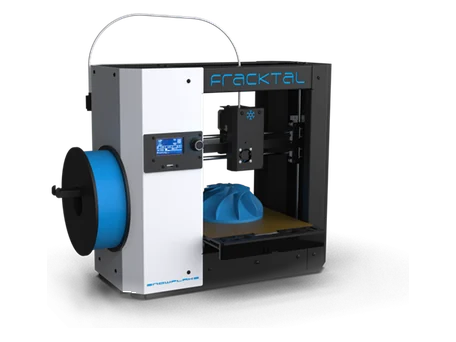
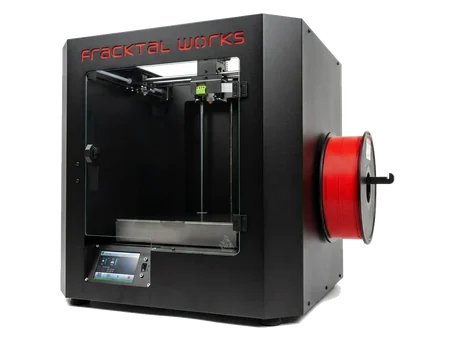
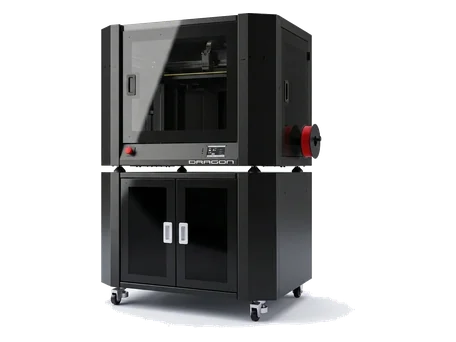
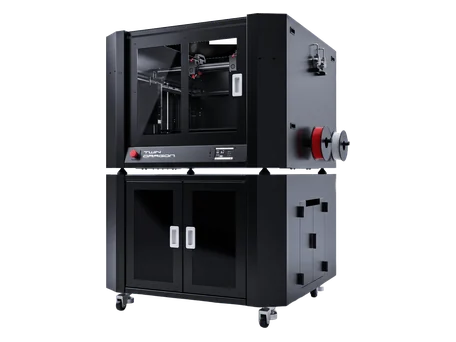
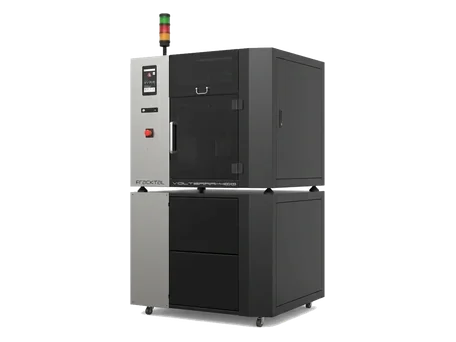
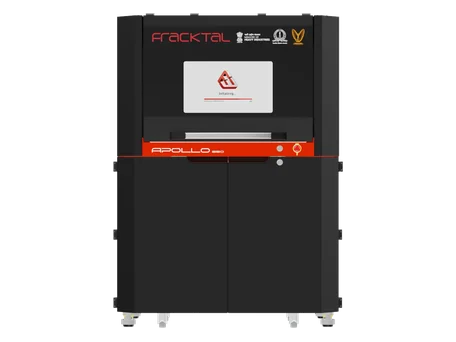
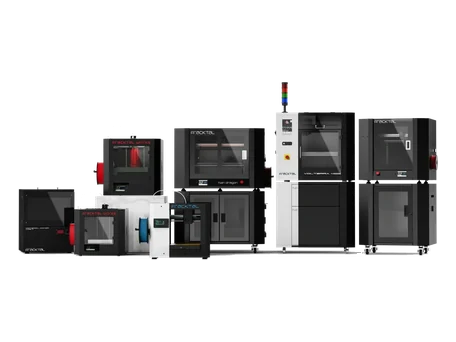
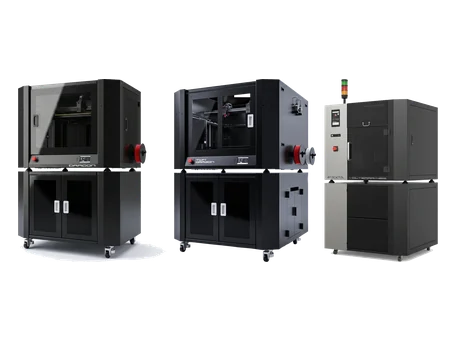
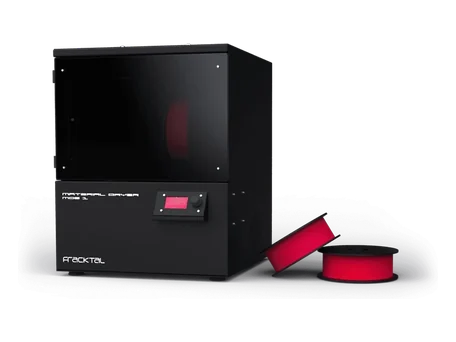
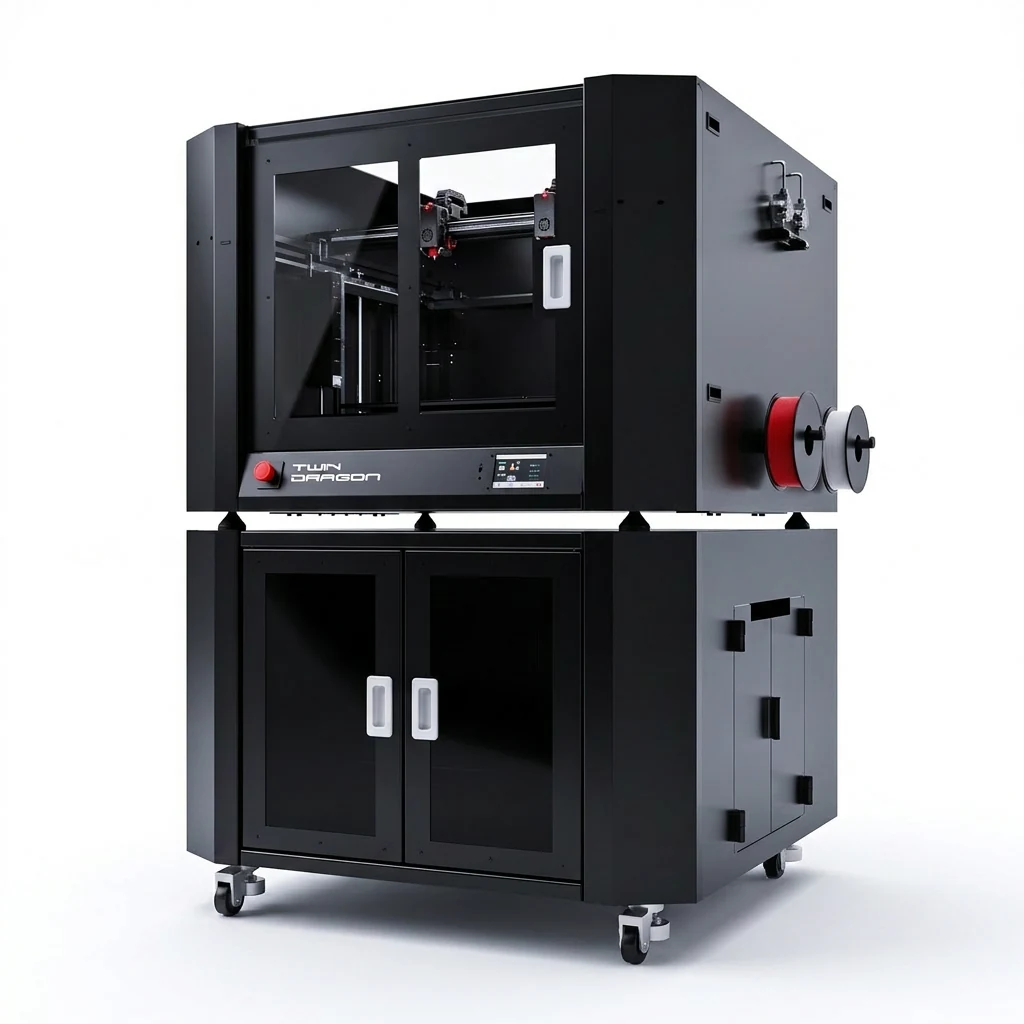
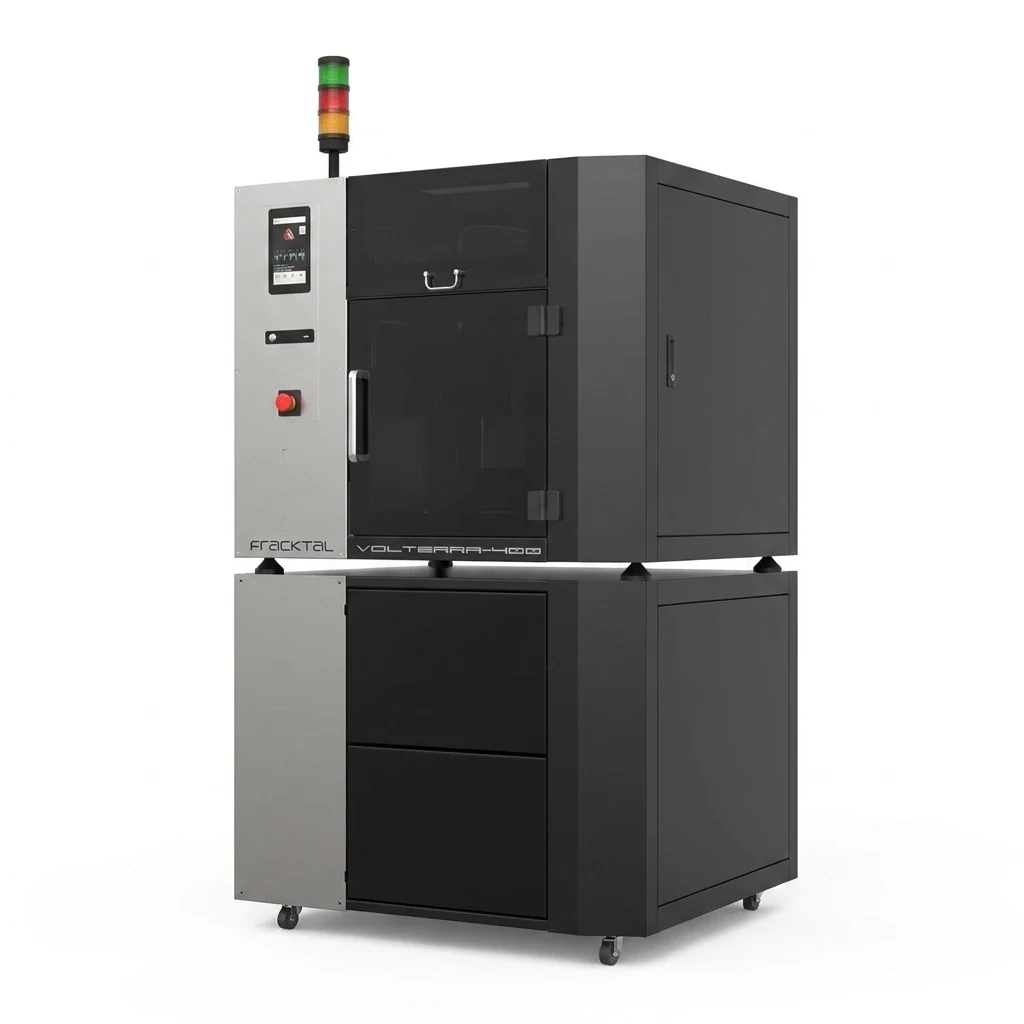
ABS requires a heated enclosure to prevent warping. Dragon, Twin Dragon, Julia, and Volterra all provide the enclosed environment ABS demands.


Ready to print in ABS?
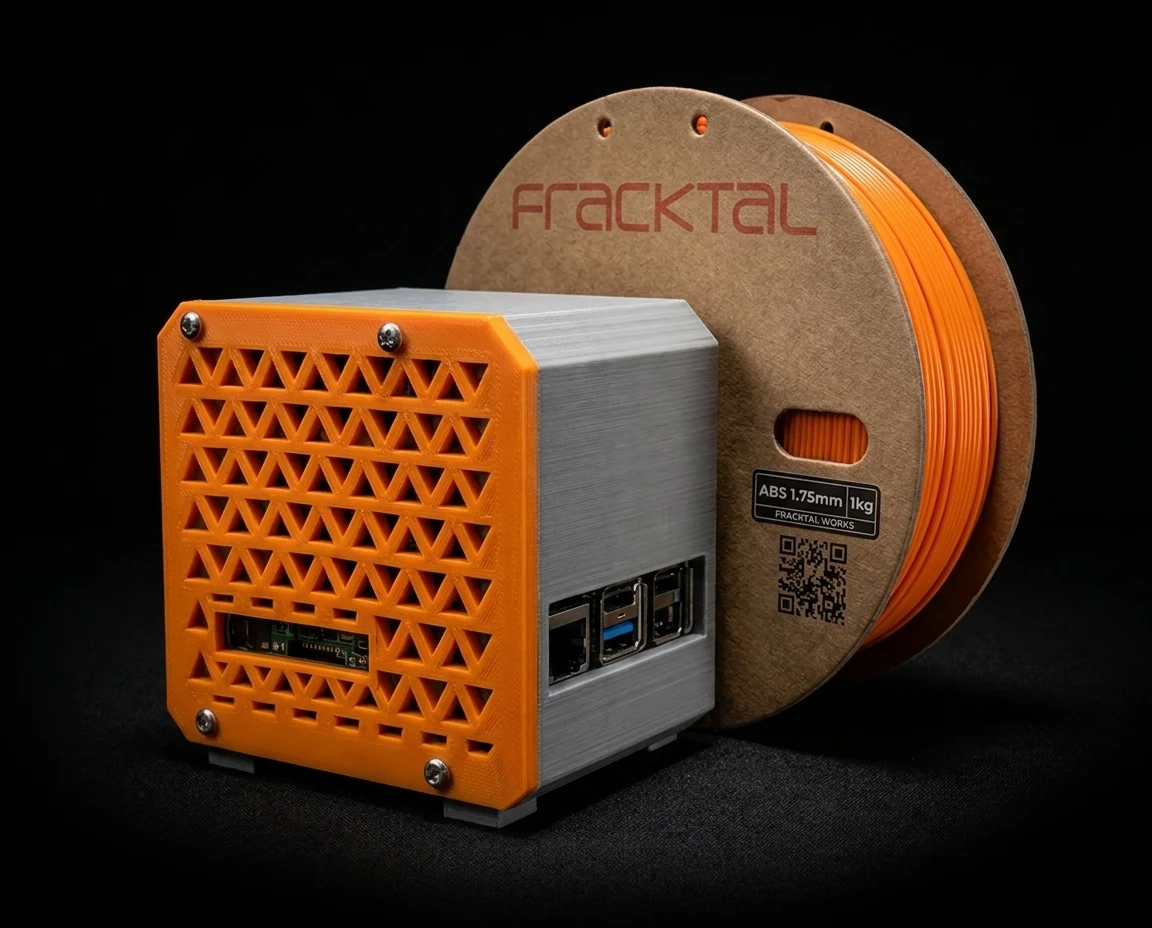
Fracktal ABS ships in available in 500 g and 1 kg spools.