











PLA Filament
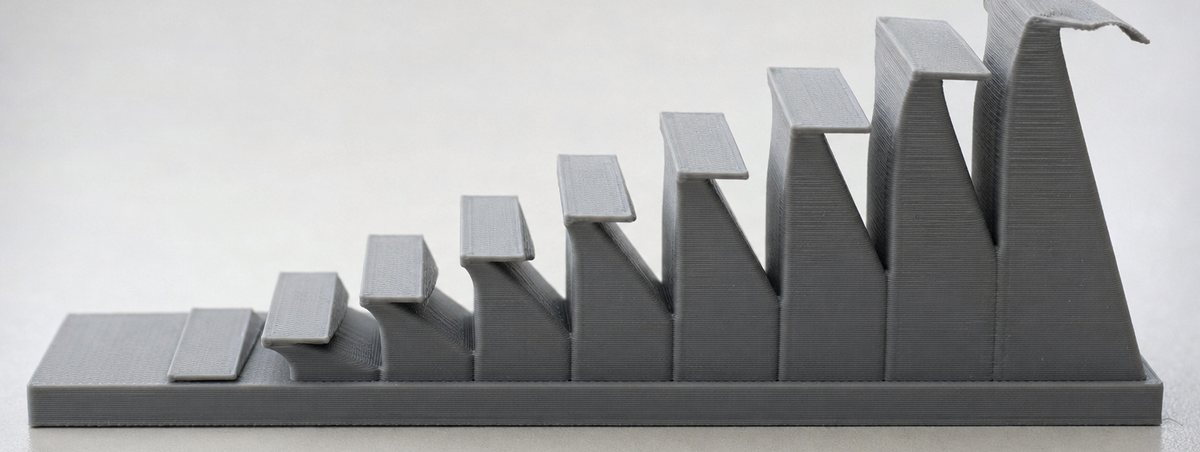
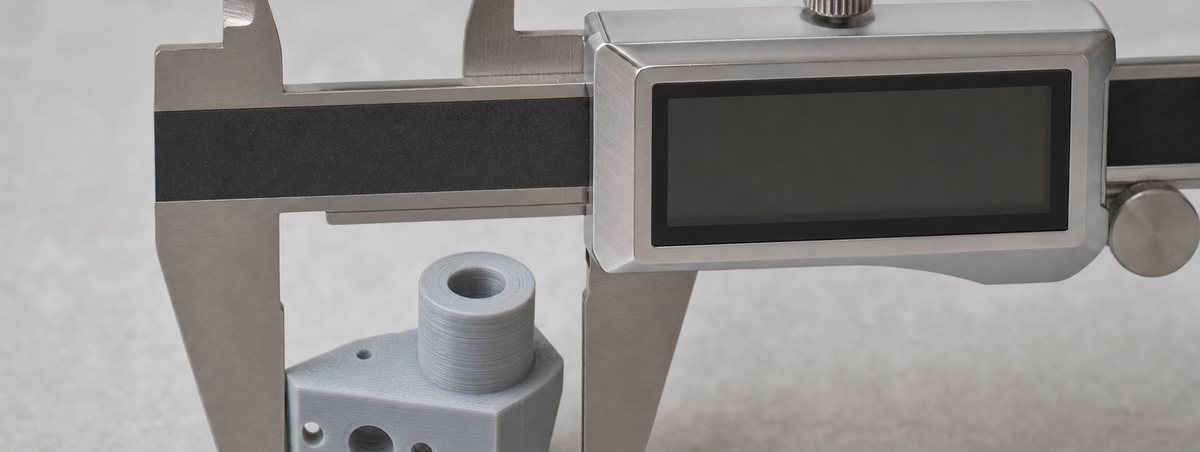
The material every other one gets compared to. Easiest to print, best overhangs, best dimensional accuracy, and the first to give up when things get warm.

Quick Reference
- Material properties
- Standard / Prototyping
- Polylactic Acid (PLA)
- None
- 56 MPa
- 53 °C
- 1.24 g/cm³
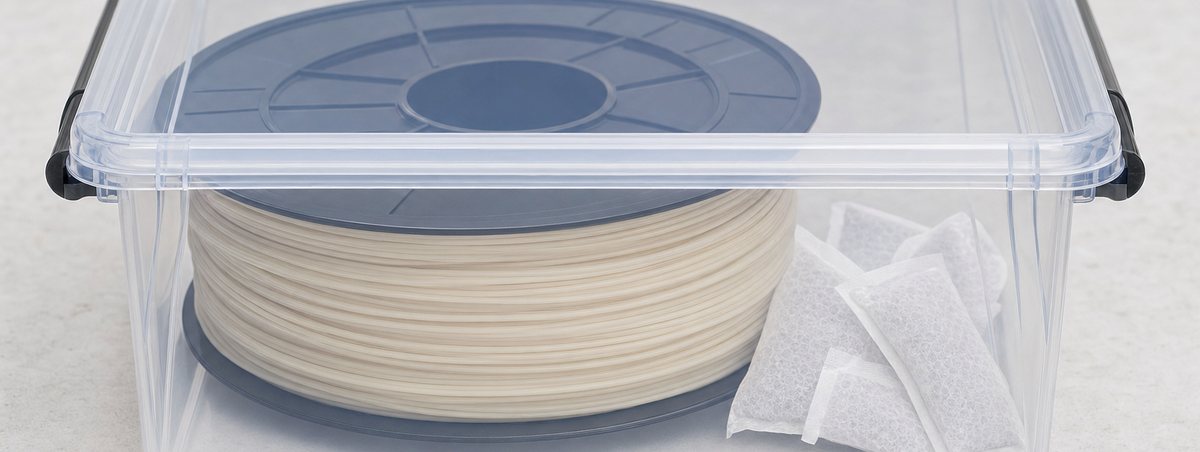
- Low — dry 45 °C / 4 h if stored unsealed
- 200–215 °C
- ≥ 0.4 mm
- Brass
- 50–60 °C
- Not required
- Sand, prime, paint; not acetone-compatible
Material Property Profile
Values scored 0–10 from measured mechanical data and print process behaviour. Select a material above to compare properties.
Key Properties
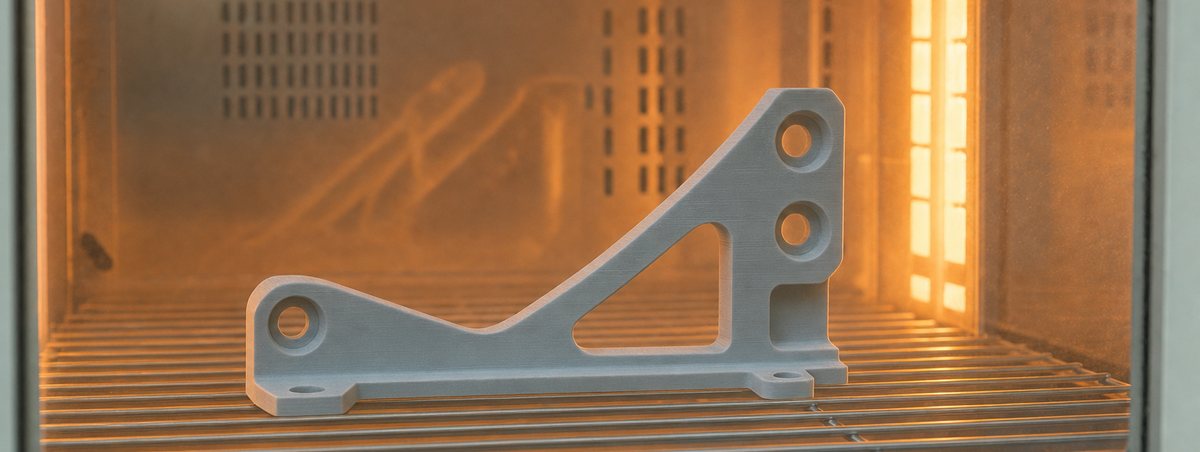
PLA is the easiest material here and the least tolerant of heat. Both facts are in this table.

Machine Requirements
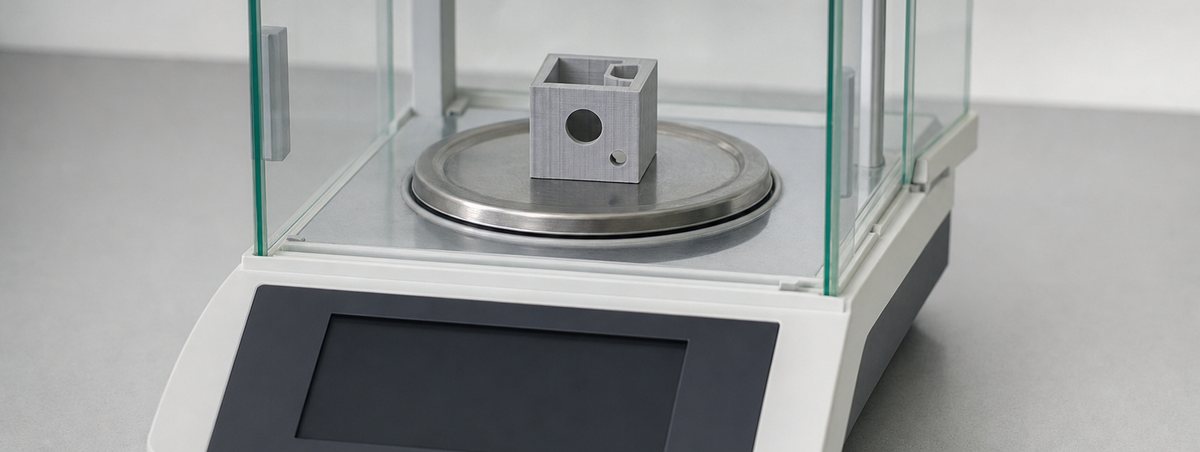
Any printer that works at all will clear this table. PLA is the baseline the others are measured against.
| Requirement | Minimum Spec | Recommended |
|---|---|---|
| Nozzle Temperature | 195 °C | 200–215 °C |
| Bed Temperature | 50 °C | 50–60 °C |
| Enclosure | Open | Not required |
| Nozzle Material | Brass | Brass |
| Cooling Fan | 50 % | 100 % |
| Retraction | 3 mm | 4–6 mm @ 50 mm/s |
Maximum cooling fan: PLA benefits from full 100 % cooling. High airflow gives sharp overhangs, bridges, and fine details. Keep the enclosure open or off when printing PLA. PLA barely shrinks, so a lifted corner is mechanical — nozzle gap, skin oil, cold bed.
Applications by Industry
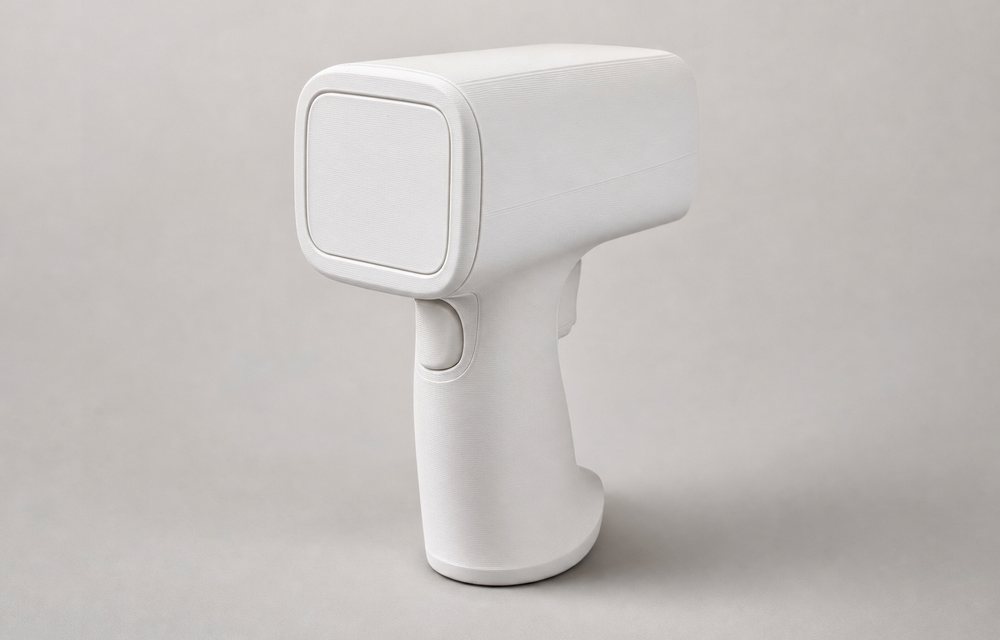
Rapid Prototyping
- Concept models
- Form-check prototypes
- Client presentation models
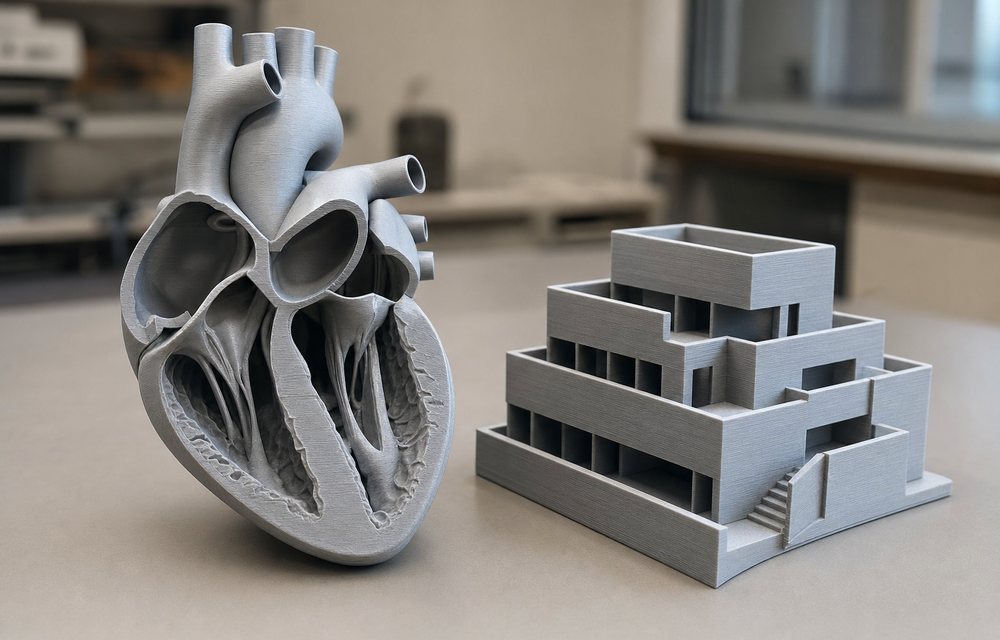
Education
- Teaching aids & anatomical models
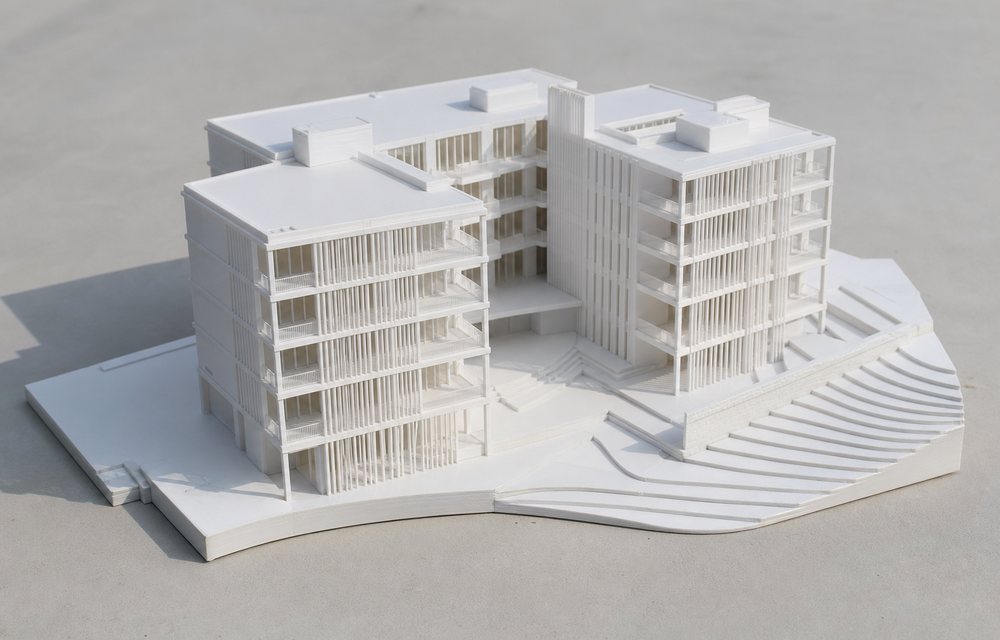
- Architectural scale models
- STEM project parts
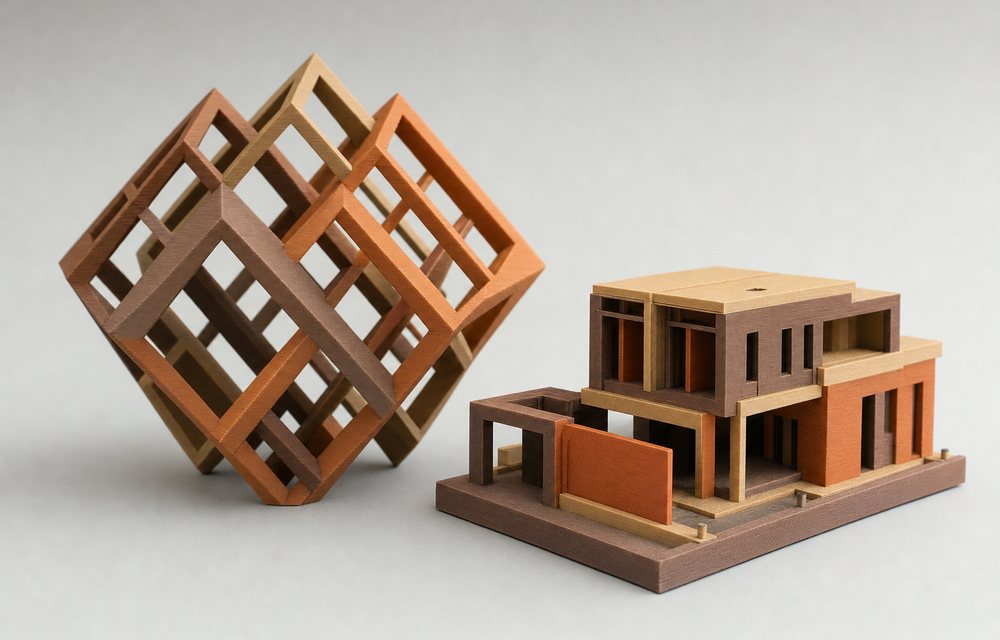
Consumer / Display
- Display items & figurines
- Art installations
- Low-load decorative parts
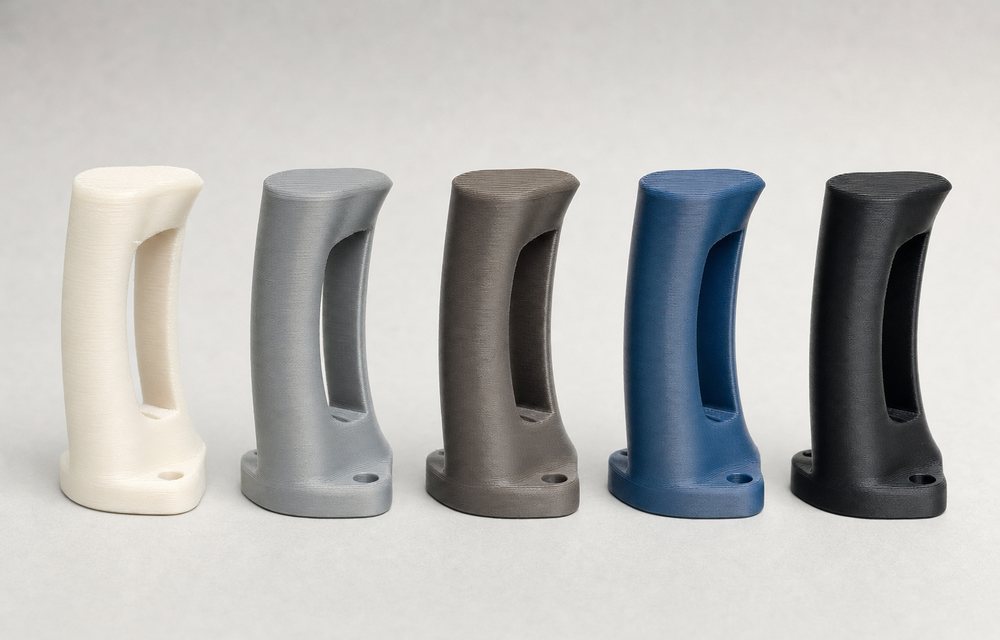
R&D / Iteration
- Fast design-cycle iterations
- Fit-check models
- Sacrificial test prints
Tensile Strength Across the Range (MPa)
Heat Deflection vs Tensile Strength
Available Materials
When to Use PLA, and When Not To
Use PLA when
- You need the fastest, easiest print with minimal settings
- Dimensional accuracy and fine detail matter most
- The part will not see temperatures above 50 °C
- No mechanical stress or impact loading is expected
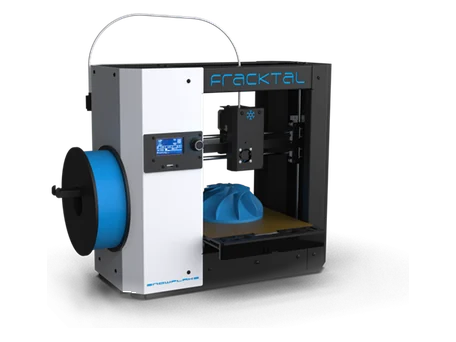
- You want the broadest printer compatibility, including Snowflake
Avoid PLA when
- Any load-bearing or impact-critical application
- Outdoor or UV-exposed environments (use ASA)
- Temperatures above 50 °C (hot car, near appliances — use PETG or ABS)
- Parts that need acetone smoothing or chemical post-processing
DfAM Tips for PLA
PLA will print nearly anything you draw. These rules are about where the part then lives.

Wall Thickness ≥ 0.8 mm
PLA is rigid and brittle in thin sections. Use 2 perimeters minimum; 3 for anything that will be handled.

Min Hole Diameter: 1.0 mm
PLA barely shrinks, so clearances need little adjustment. Add 0.05–0.1 mm for precision fits.

Excellent Overhang: Up to 55°
PLA with 100 % cooling gives the best overhang of any common FDM material. Design with confidence up to 55° from vertical.
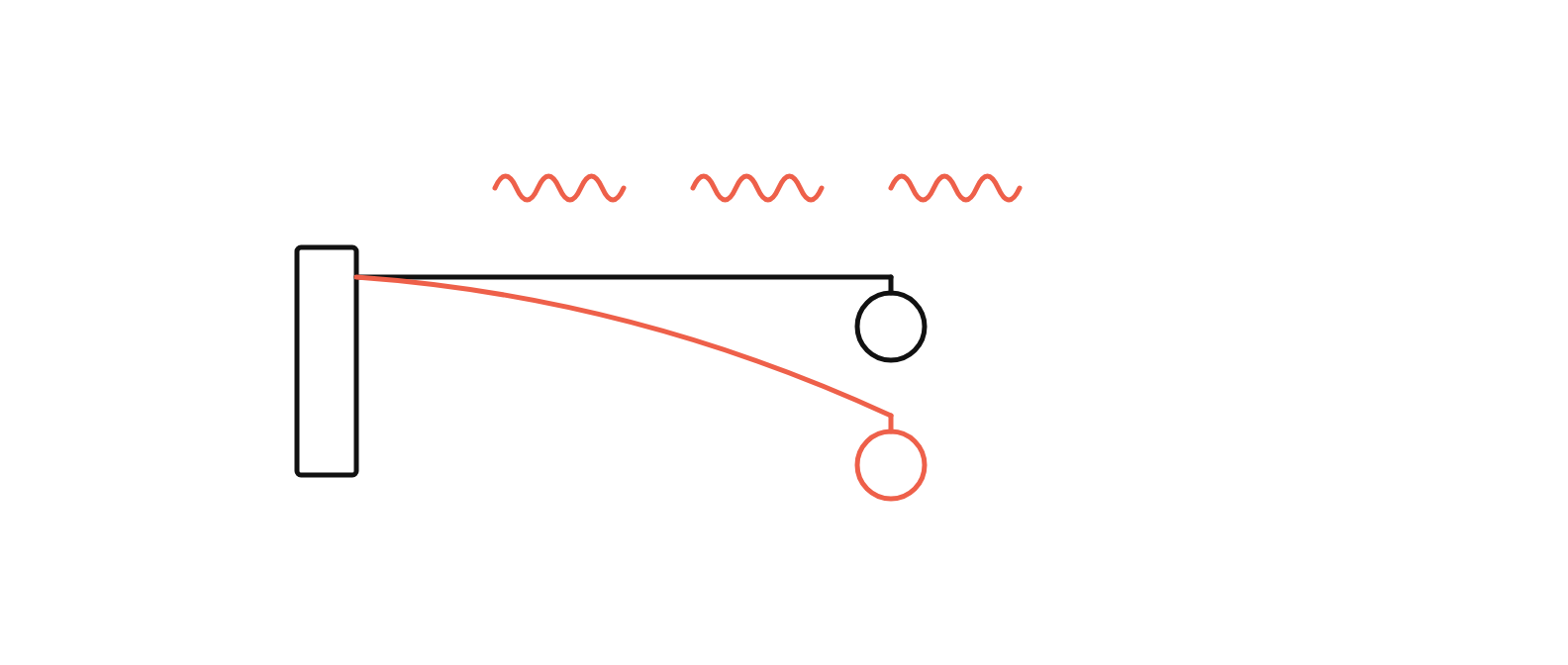
Avoid Heat Loading
PLA softens at 50 °C. Never use it near hot appliances, in a car, or under direct outdoor sun. Switch to PETG or ABS for those environments.
Printers Compatible with PLA
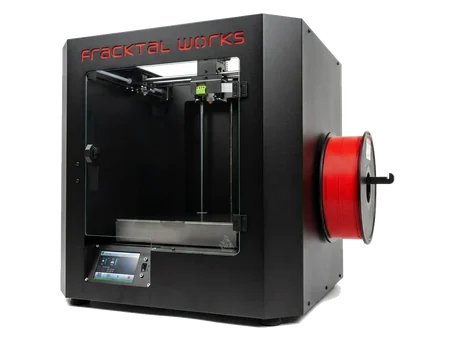
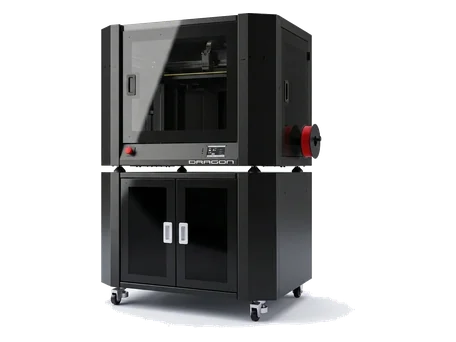
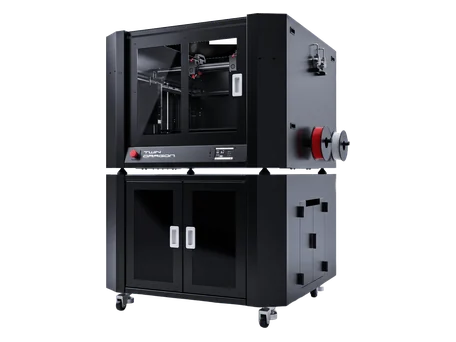
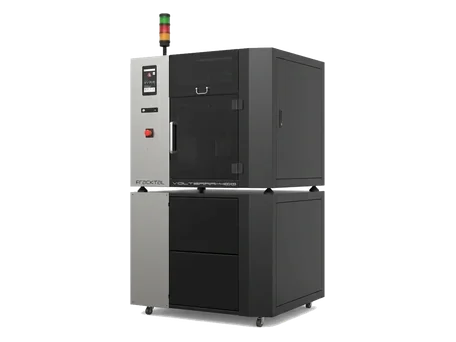
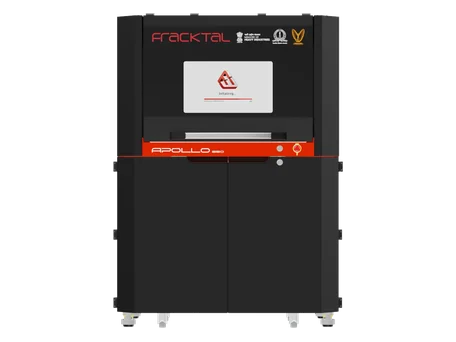
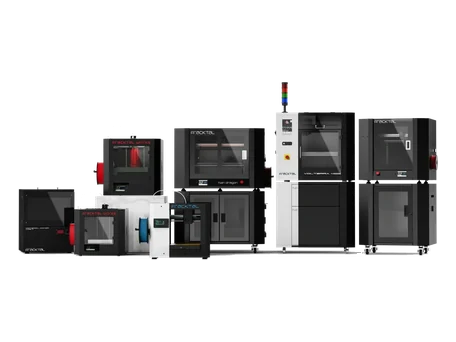
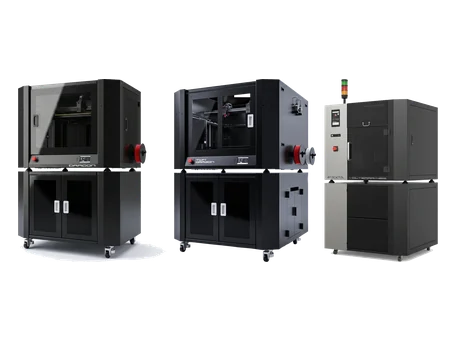
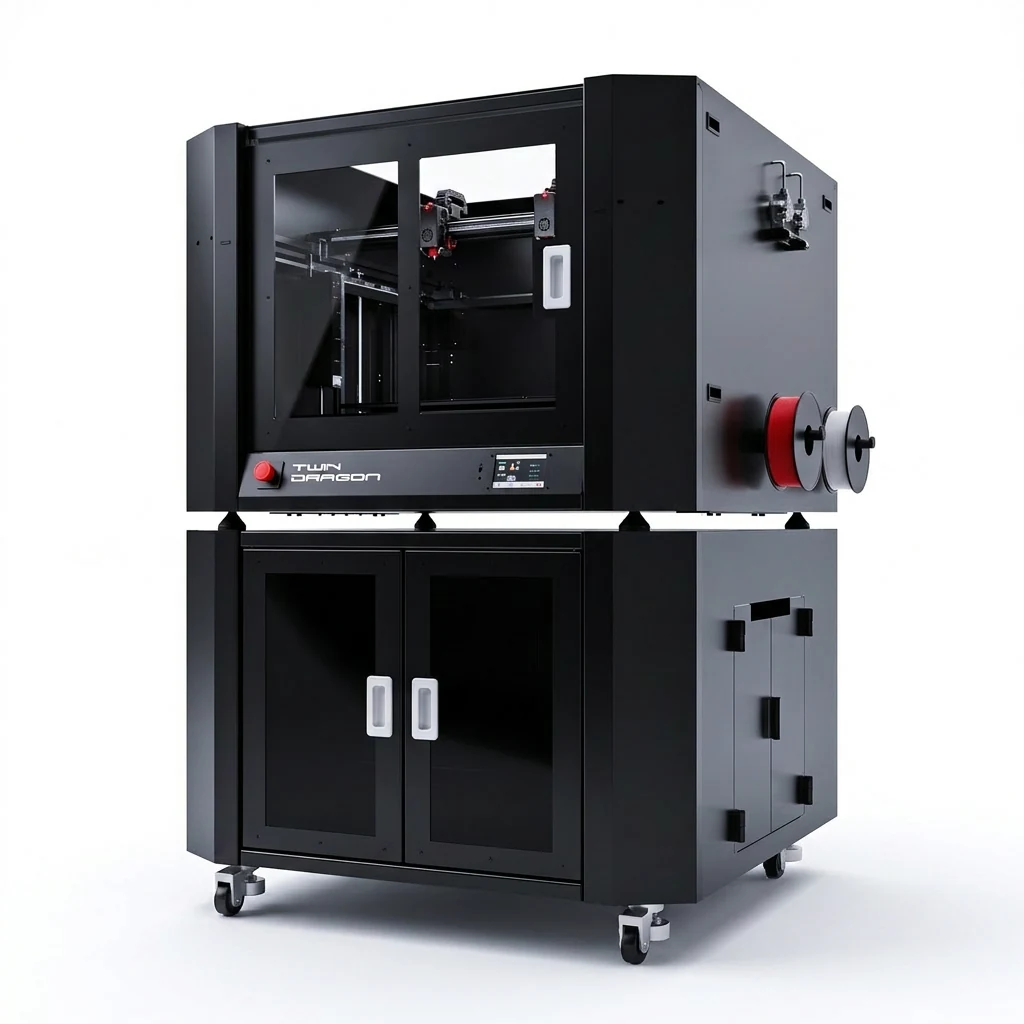
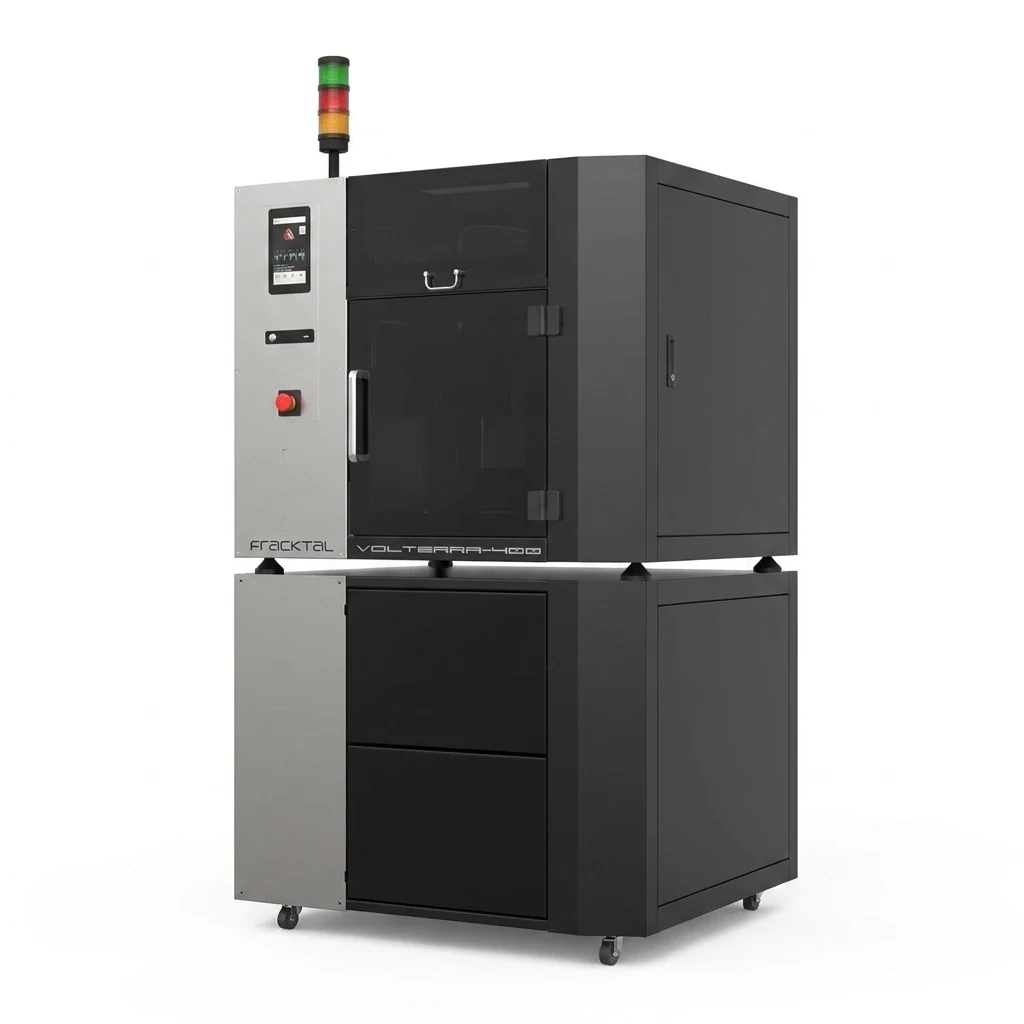
PLA requires no enclosure and prints at the lowest temperatures, so every Fracktal machine runs it, the open-frame Snowflake included.


Ready to print in PLA?
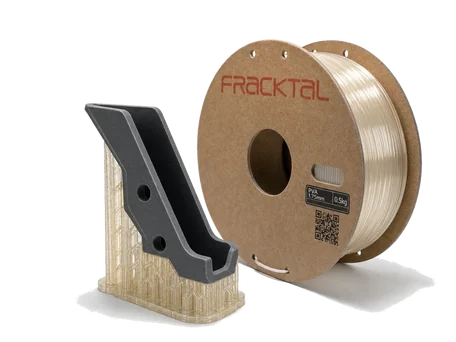
Fracktal PLA ships in available in 500 g and 1 kg spools.