











Twelve Materials, Measured
Not a datasheet PDF and not a marketing page. Every material below has its own page with measured mechanical properties, the print parameters that actually work, machine requirements and design rules. The numbers all come from one database, so nothing on this site can disagree with itself.

Trusted, recognised and featured











Every Material, and What It Is For
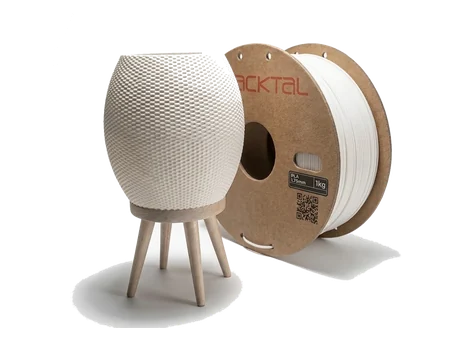
PLA
The default. Easy, fast, dimensionally sweet, and the wrong answer the moment heat or sunlight is involved.
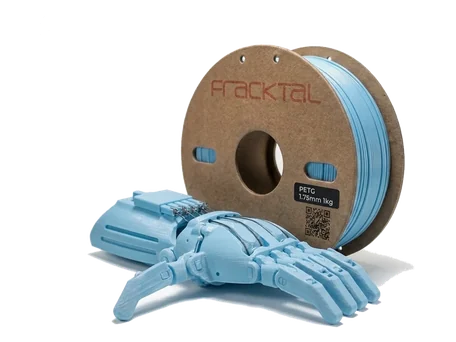
PETG
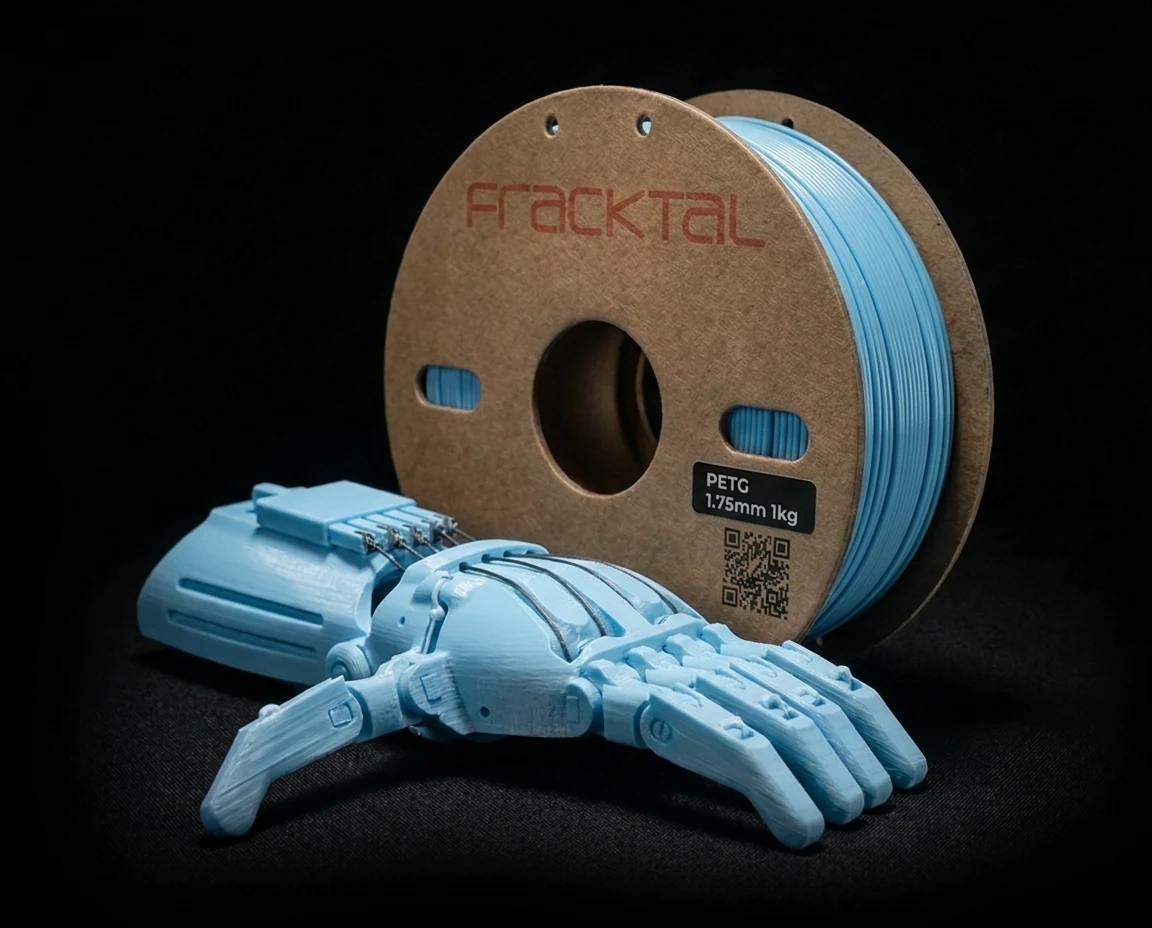
The one to reach for when PLA is not enough: tough, clear-capable, and still easy to print.
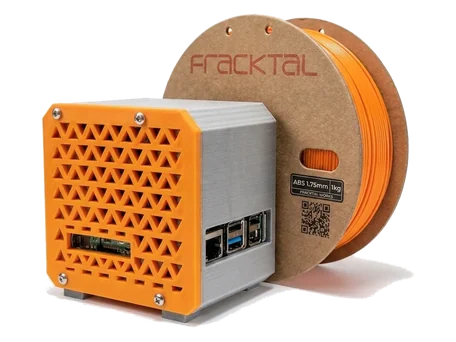
ABS
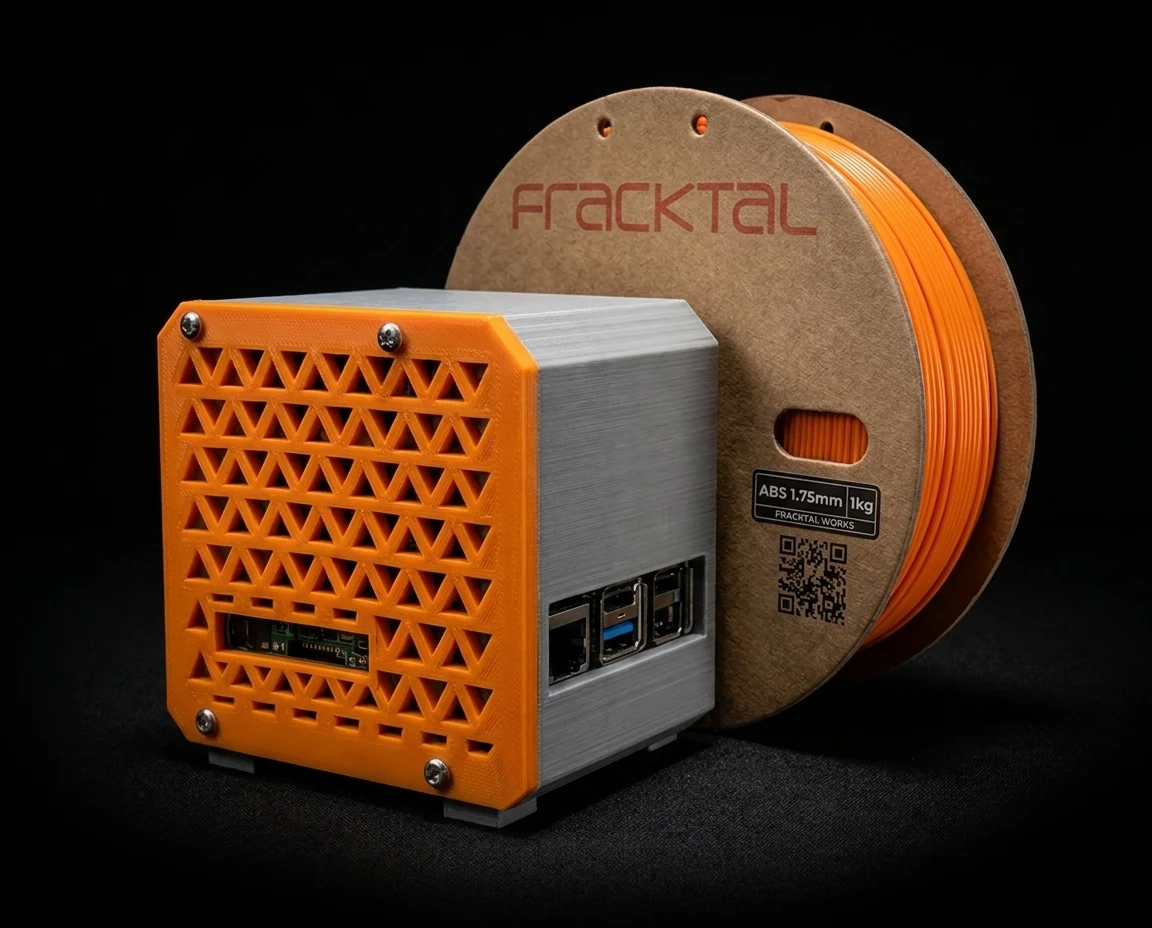
The machinable classic. Heat-resistant, acetone-smoothable, and it needs an enclosure.
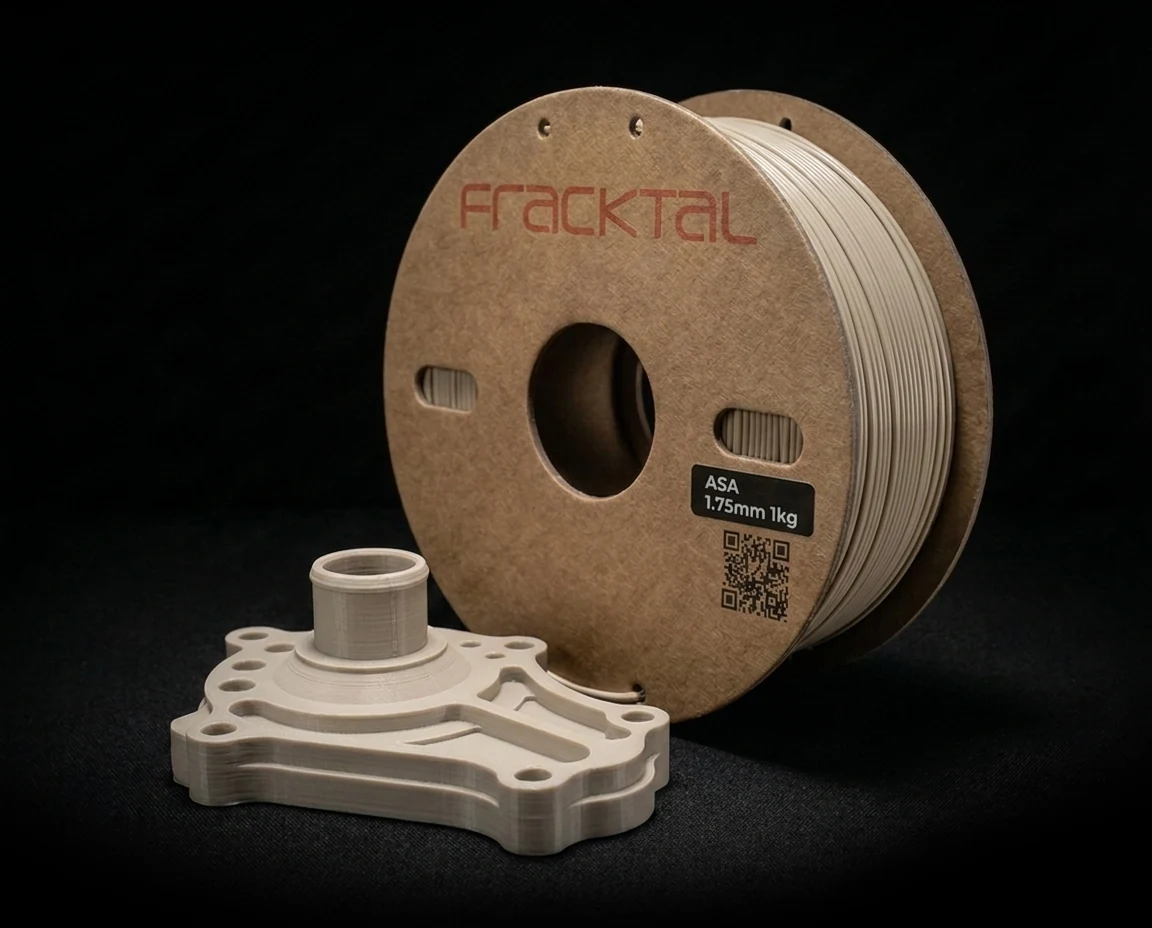
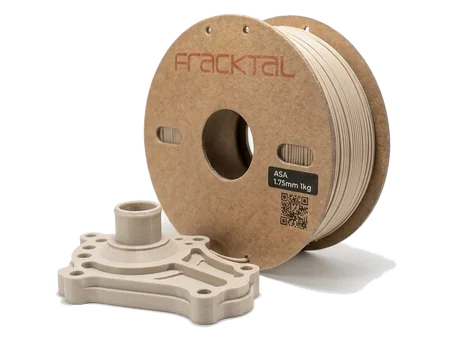
ASA
ABS that survives sunlight. The outdoor-grade choice for anything that lives outside.
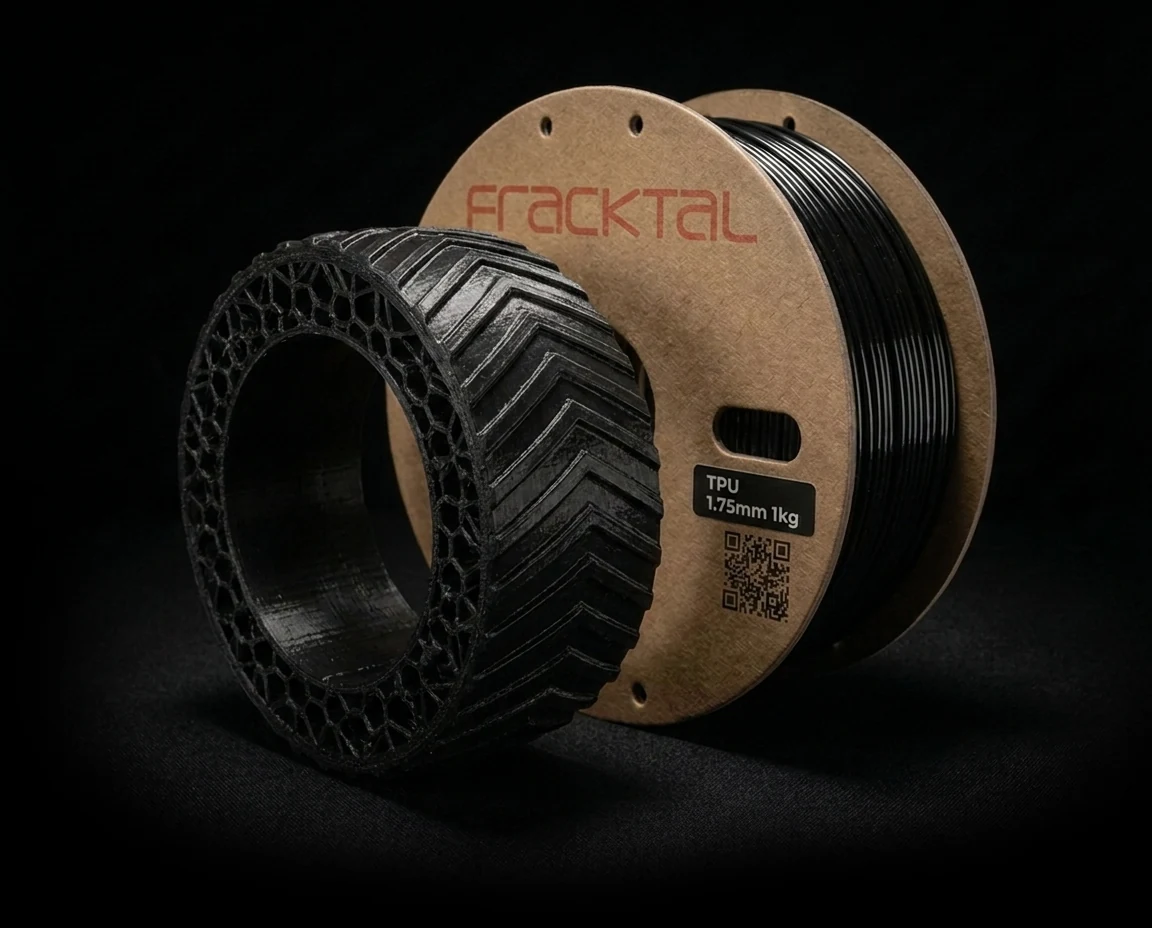
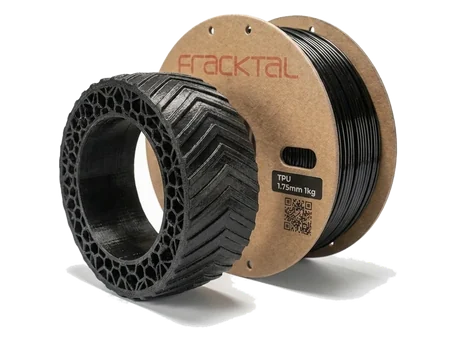
TPU 95A
Flexible and abrasion-resistant: gaskets, grips, dampers, anything that has to bend and come back.
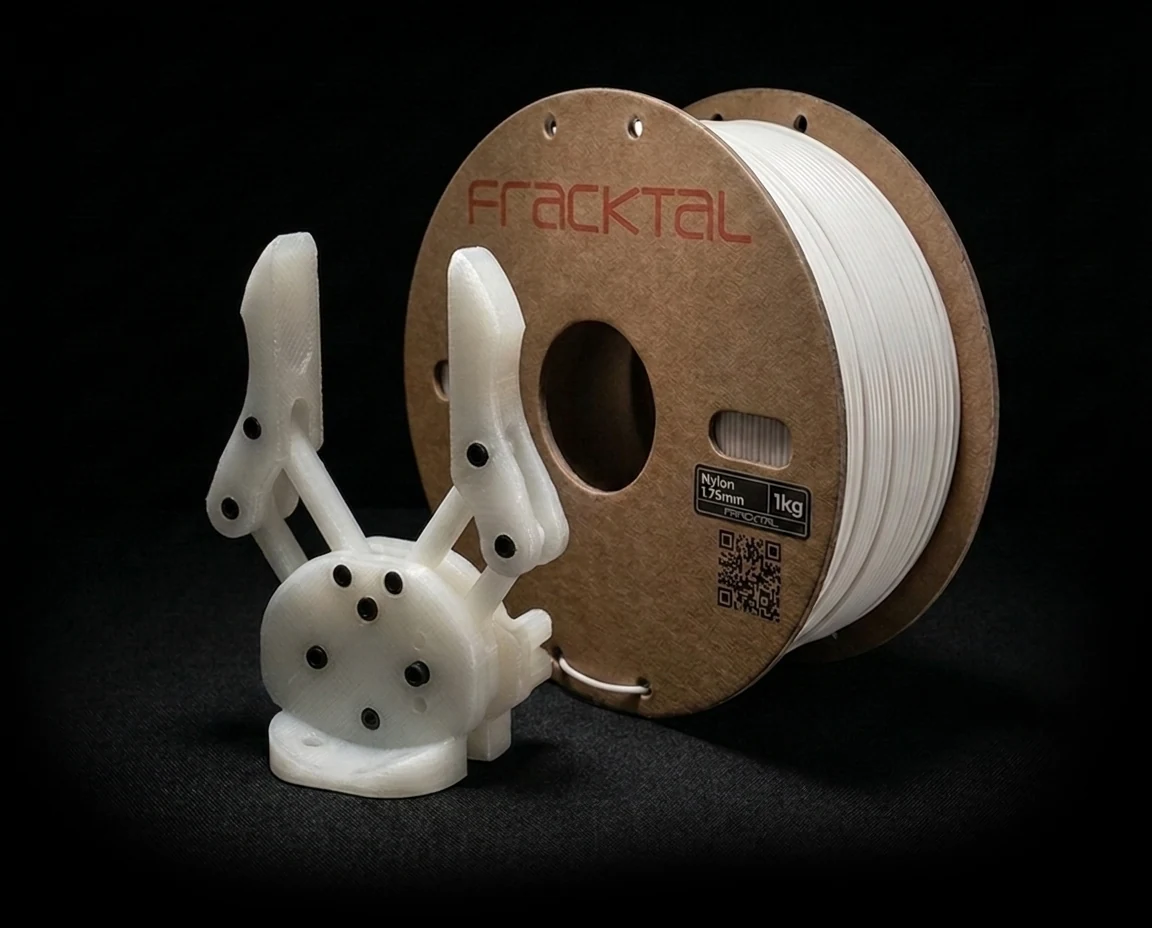
Nylon PA12
Tough, low-friction and wear-resistant. The engineering default for moving parts.

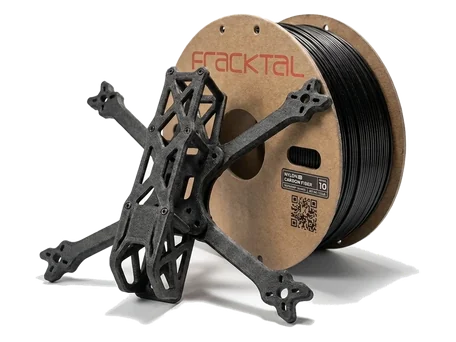
CF-PA
The stiffest thing we print, and the lightest way to replace a metal bracket.

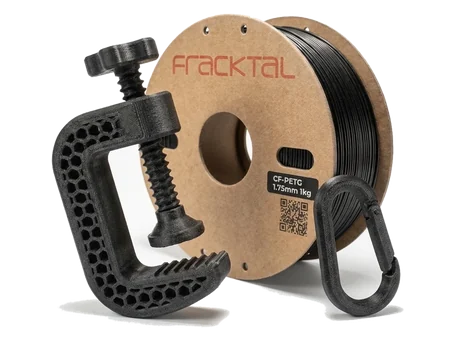
CF-PETG
PETG with carbon fibre in it. Stiffer, more dimensionally stable, and matte.
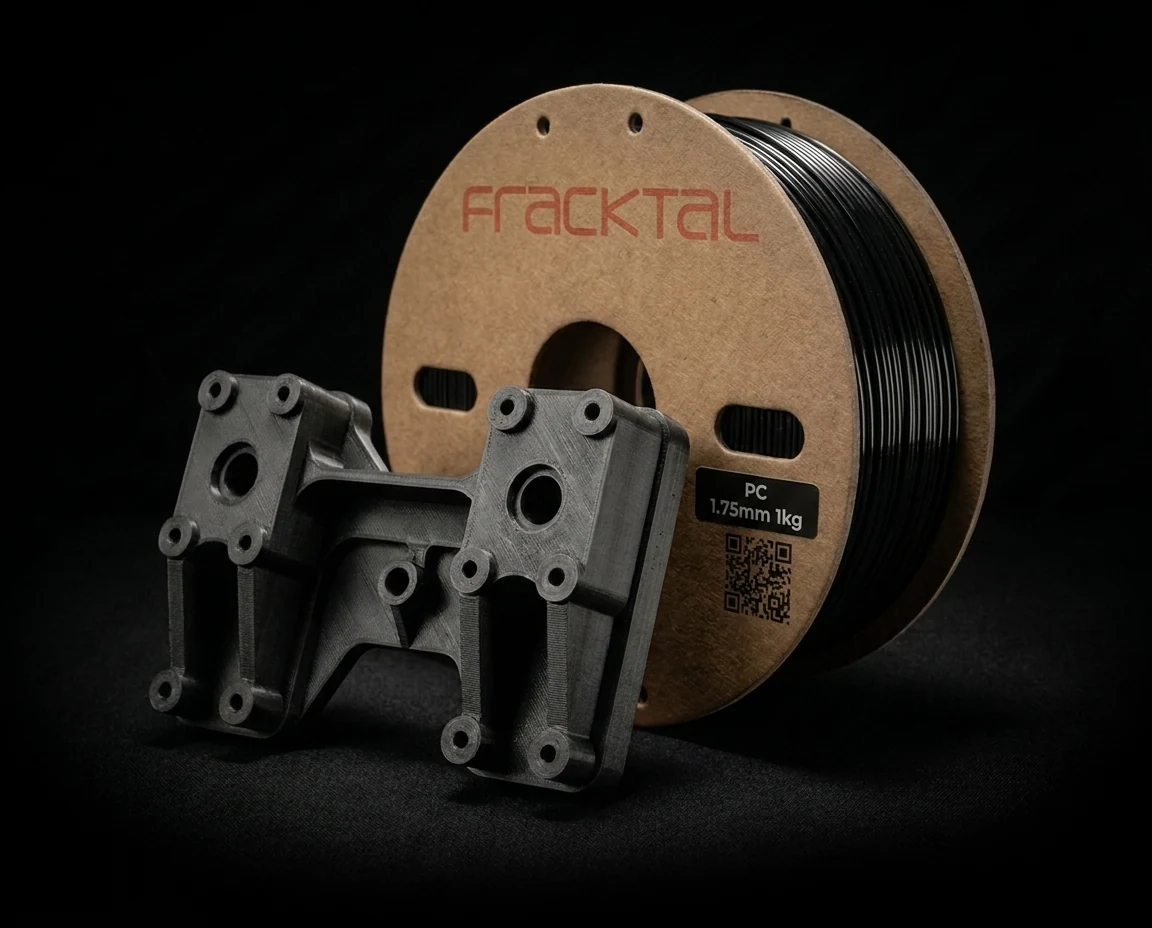
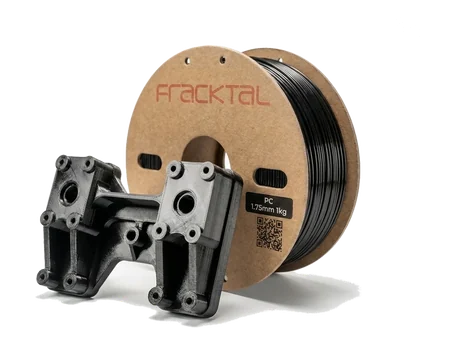
PC
The highest heat and impact resistance on this list, and the hardest of them to print.

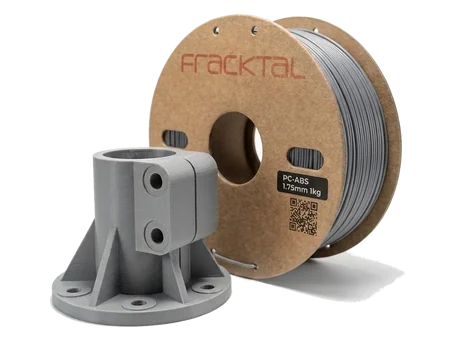
PC-ABS
Polycarbonate strength with ABS manners. Most of the performance, far less of the fight.

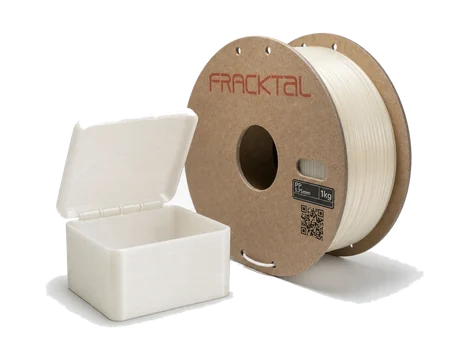
PP
The lightest and most chemically inert material here, and the only one that makes a real living hinge.
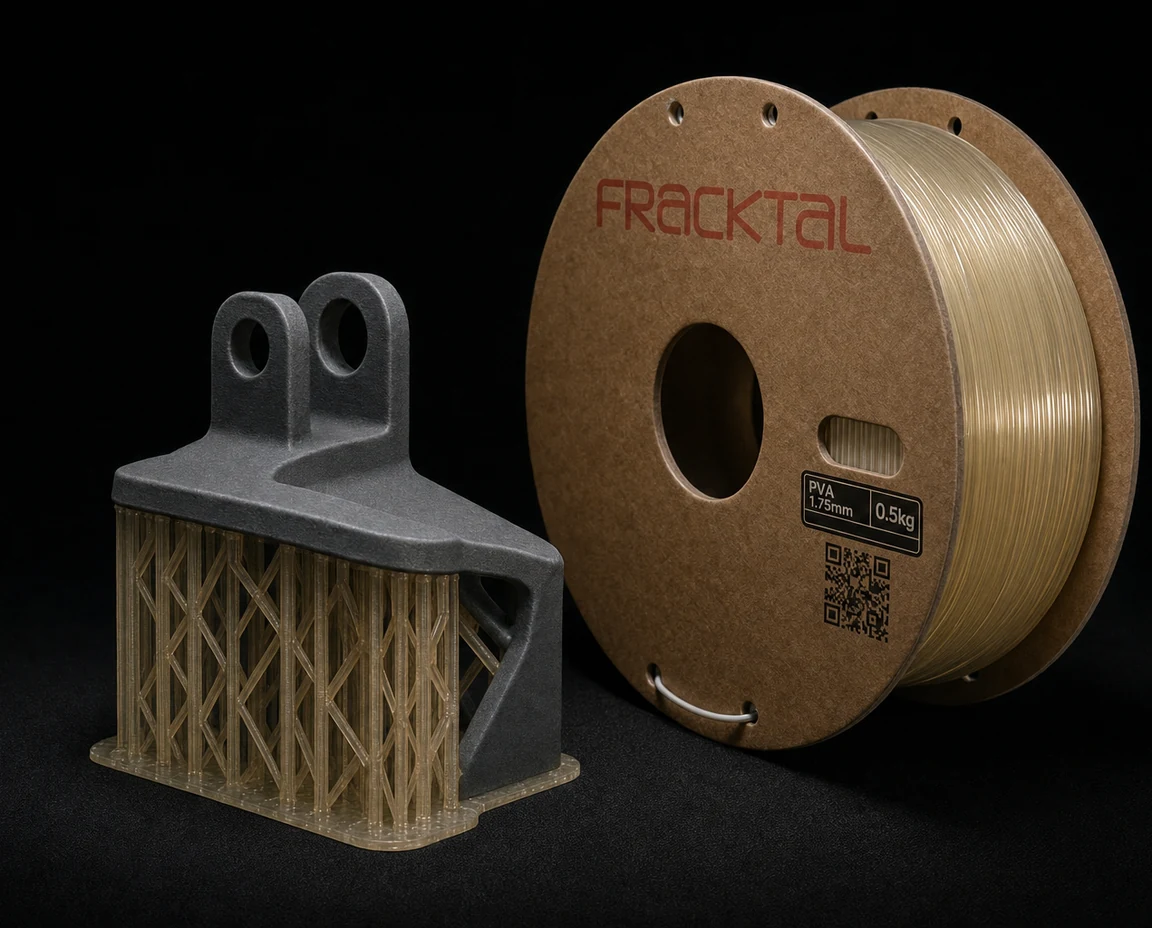
PVA
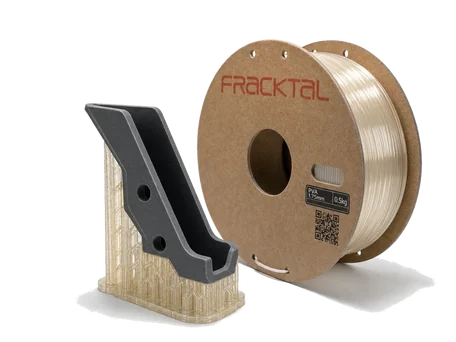
Not a build material at all. Water-soluble support, for geometry no other route reaches.
The Comparison Table
Tensile strength to ASTM D638, heat deflection to ASTM D648 at 0.455 MPa, density measured. Every figure is read from the same database the individual material pages use.
| Material | Category | Tensile | HDT | Density | Nozzle | Enclosure |
|---|---|---|---|---|---|---|
| PLA | Basic | 56 MPa | 53 °C | 1.24 g/cm³ | 200–215 °C | Not required |
| PETG | General Purpose | 48 MPa | 70 °C | 1.27 g/cm³ | 235–245 °C | Not required |
| ABS | General Purpose | 38 MPa | 96 °C | 1.05 g/cm³ | 235–245 °C | Required |
| ASA | Engineering | 42 MPa | 98 °C | 1.06 g/cm³ | 245–255 °C | Required |
| TPU 95A | Flexible | 28 MPa | 60 °C | 1.21 g/cm³ | 225–235 °C | Not required |
| Nylon PA12 | Engineering | 50 MPa | 78 °C | 1.01 g/cm³ | 250–265 °C | Not required |
| CF-PA | Engineering Composite | 82 MPa | 145 °C | 1.1 g/cm³ | 270–280 °C | Required |
| CF-PETG | Engineering Composite | 58 MPa | 80 °C | 1.32 g/cm³ | 245–260 °C | Not required |
| PC | Engineering | 62 MPa | 134 °C | 1.2 g/cm³ | 280–300 °C | Required |
| PC-ABS | Engineering Blend | 48 MPa | 108 °C | 1.12 g/cm³ | 260–270 °C | Required |
| PP | Engineering | 28 MPa | 92 °C | 0.9 g/cm³ | 230–240 °C | Required |
| PVA | Support Material | 25 MPa | 50 °C | 1.25 g/cm³ | 195–210 °C | Not required |
What the Numbers Mean
Every figure is a typical value for an FDM part printed flat, in the XY orientation, with the expected range carried in the download. The test methods are the ones named on each material page.
| Property | Test method | Basis |
|---|---|---|
| Tensile strength | ASTM D638 | Ultimate tensile strength, FDM XY specimens |
| Flexural strength and modulus | ASTM D790 | Three-point bend, FDM XY |
| Izod impact | ASTM D256 | Notched, FDM XY |
| Heat deflection (HDT) | ASTM D648 | At 0.455 MPa; 1.82 MPa values are in the download |
| Density | Gravimetric | g/cm³ at 23 °C |
| Hardness | Shore D | Shore A where a material is flexible |
| Glass transition and melting | DSC | Where stated on the material page |
Use This Data
The comparison table and the CSV below are generated from the same materials database that renders all twelve material pages (version 3.0.0, updated 14 July 2026), so a figure quoted here cannot drift from the page that explains it. Each property carries a typical value and an expected range; parts printed in other orientations, at low infill or with unusual settings will differ.
Cite as: Fracktal Works materials database, version 3.0.0, fracktal.in/materials/, accessed on the date you downloaded it. If the dataset ends up in coursework, a paper or a procurement comparison, we would genuinely like to hear about it: write to sales@fracktal.in.
Start From the Failure You Are Avoiding
Material selection is much easier backwards. Decide what would make the part unacceptable, and the list shortens itself.
It has to survive heat
Polycarbonate (134 °C) or CF-Nylon (145 °C). PC-ABS at 108 °C if it also has to be easy to print.
It lives outdoors
ASA. It is ABS with the UV problem solved, and it holds colour and surface in direct sun.
It meets chemicals or water
PP. Inert to most acids, alkalis and solvents, and it absorbs essentially no moisture.
It has to be stiff and light
CF-Nylon gives 82 MPa tensile at 1.10 g/cm³, the highest specific stiffness we publish.
It has to bend and come back
TPU 95A. Flexible, abrasion resistant, and it prints on a direct-drive machine.
The support cannot be reached
PVA on a second extruder. Print the support in water-soluble material and wash it out.
How to Read the Table
Where do the figures come from?
material-database.json, which every material page, every chart and this table read from. That is deliberate: a second copy of a tensile strength is a second answer to the question, and the two copies always diverge eventually.Tensile strength was measured how?
Why is heat deflection quoted at 0.455 MPa?
Are printed parts as strong as moulded ones?
Which of these need drying?
Machines That Print These
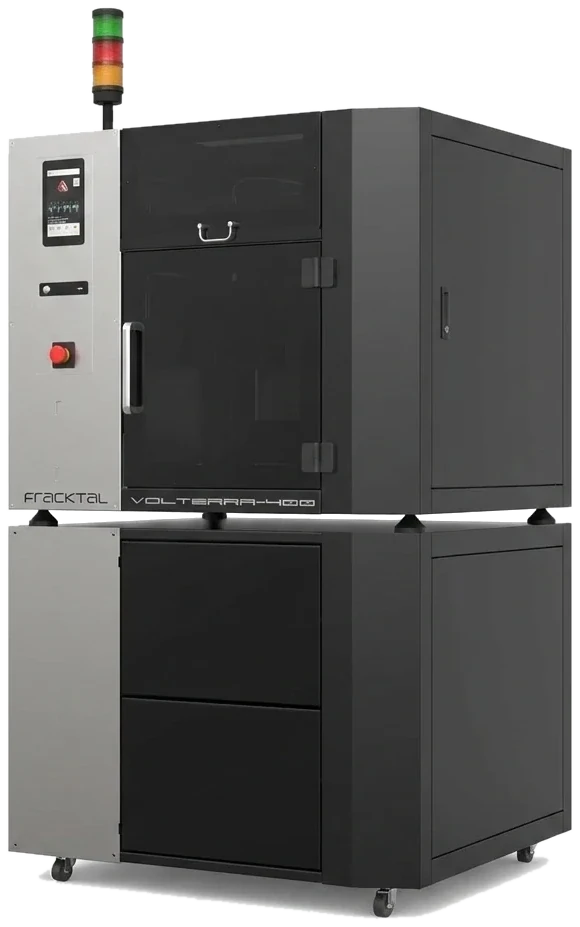
Volterra
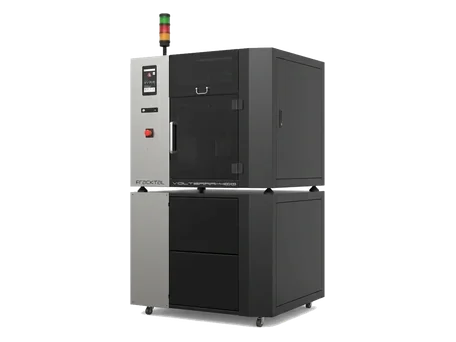
450 °C nozzle and a 90 °C heated chamber. The machine for PC, PA and the composites.
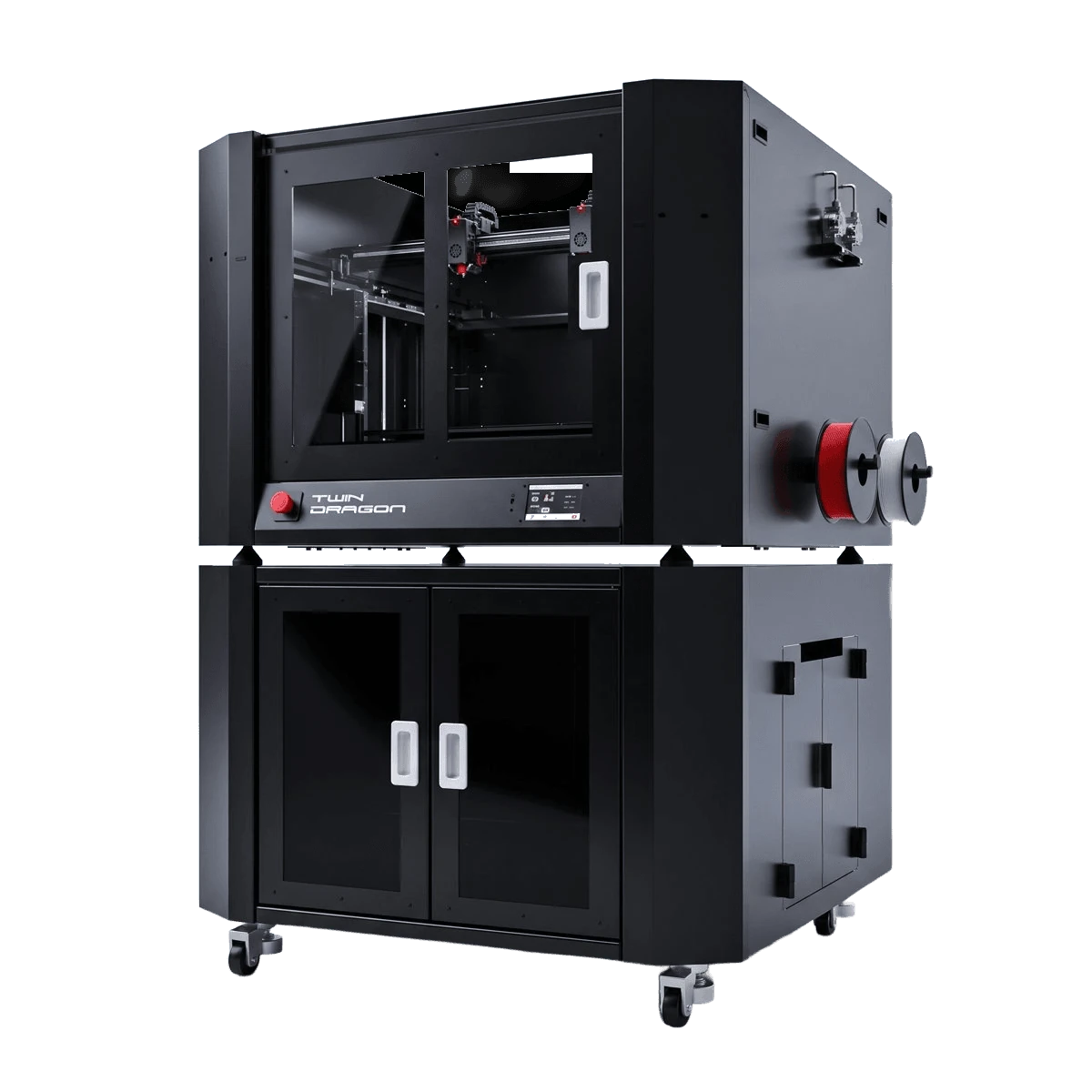
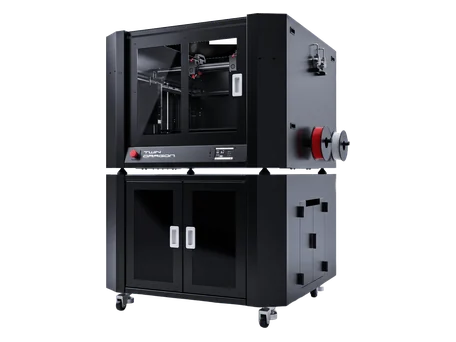
Twin Dragon
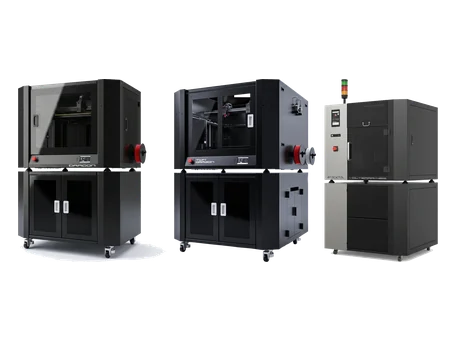
Two independent extruders, the only pairing here that runs PVA support alongside a build material.
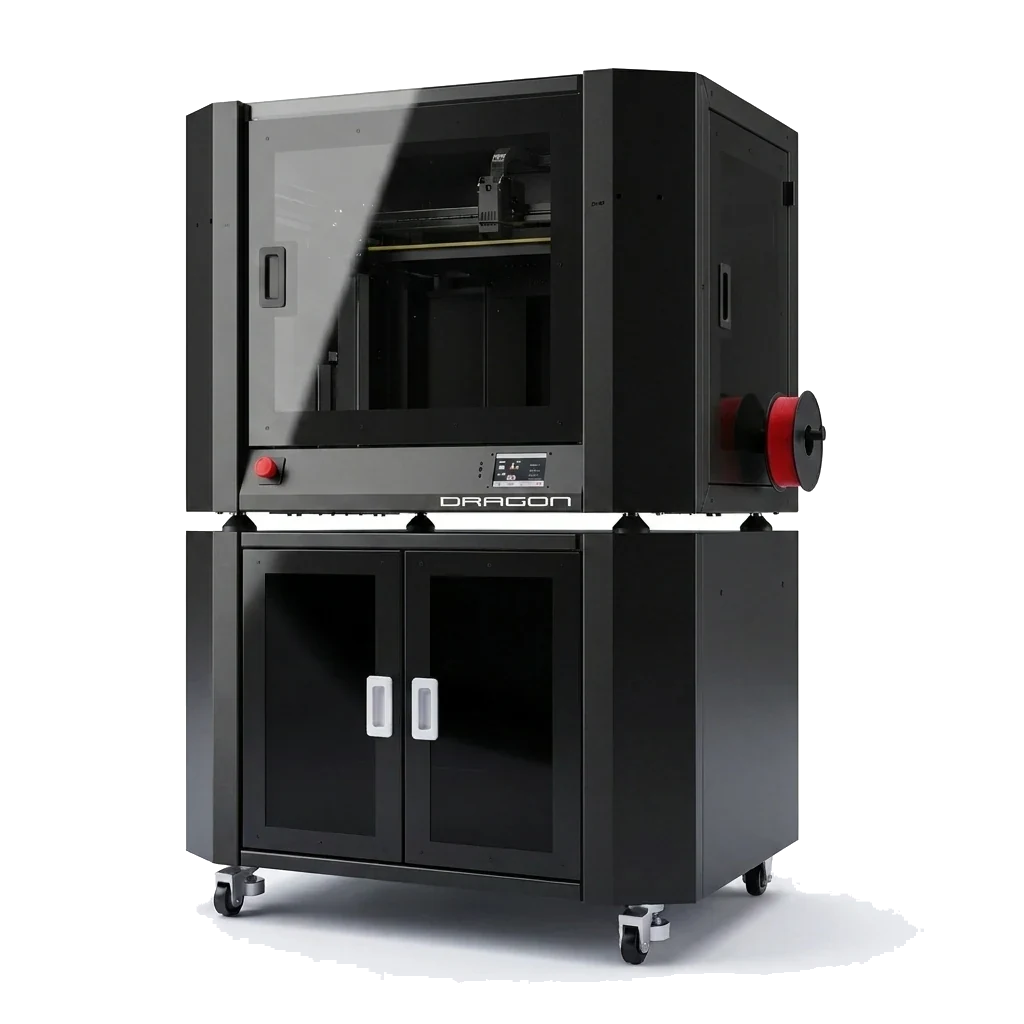
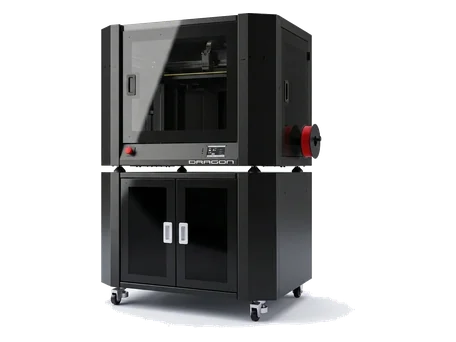
Dragon
PLA through carbon-fibre nylon at up to 600 mm/s, in three build sizes.

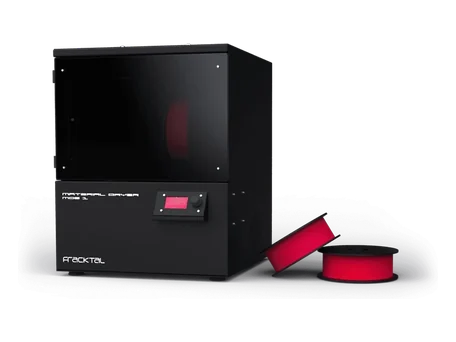
Material Dryer (MDS1)
Three 1 kg spools at once, for every hygroscopic material on this page.

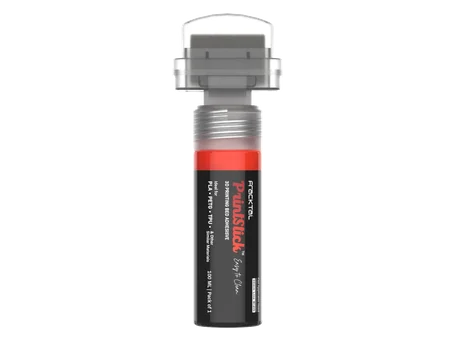
PrintStick™
Water-washable bed adhesive. The shortest route to a first layer that stays put.
Not sure which one?
Tell us what the part has to do and what would make it unacceptable. Choosing the material is the part of the job we are most often asked for help with, and it is free.