

















Materials & Filaments
What each filament is for, how to store it, and the properties that matter.
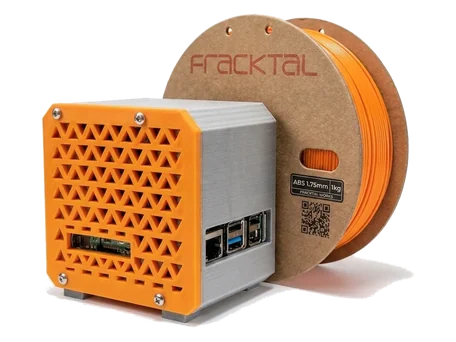
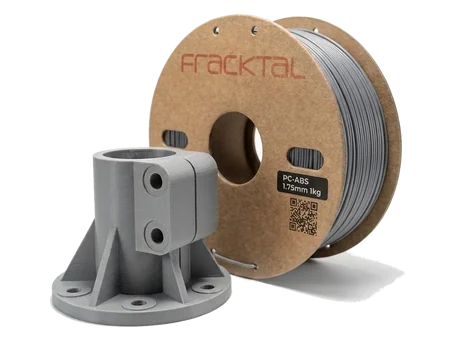
 ABS: A Brief IntroductionABS plastic is a common material used in 3D printers, as it is cheap, strong, has high stability, and can be post-processed in various ways (sanding,…
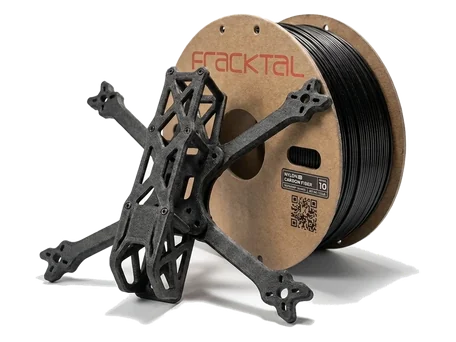
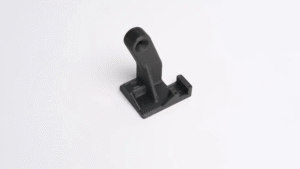 Carbon Fibre Nylon (CF-PA): A Brief IntroductionCF-PA is based on nylon 6/66 copolymer. Adding 20% carbon fiber greatly enhances the strength, rigidity, and toughness of nylon and can replace metal…
- FDM 3D Printing MaterialsThe FDM filament families compared: PLA, ABS, PETG, TPU, nylon and composites, and what each one is for.
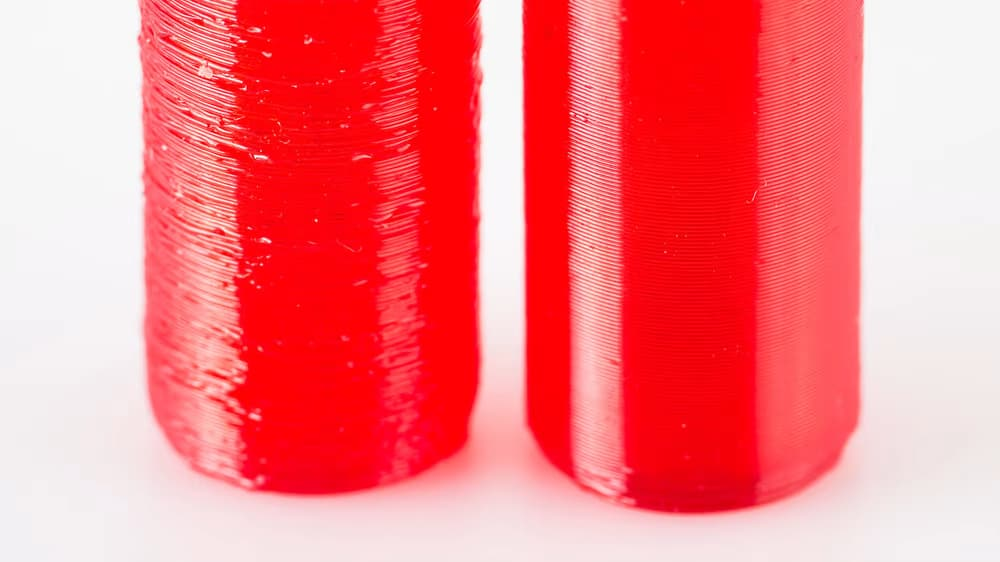 Filament Storage SOP3D printing filaments are hygroscopic in nature. PLA, Nylon, and PVA are extremely hygroscopic, and storing them in air-tight containers with…
- Mechanical Properties of PLAPlease check the below details for Mechanical properties for PLA filament with SI units
 Nylon: A Brief IntroductionePA is developed based on nylon 6/66 copolymer; Self-lubricating wear resistance makes it suitable for printing gears; High toughness and impact…
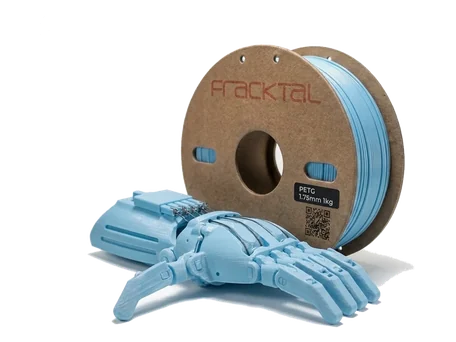
 PET-G: A Brief IntroductionPETG is a high-performance material with water resistance, chemical resistance, and high toughness.
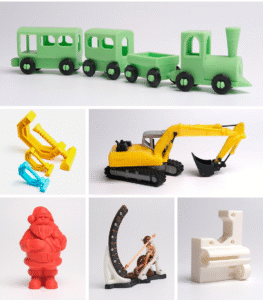 PLA: A Brief IntroductionPLA: A Brief Introduction. PLA is the most widely used plastic filament material in 3D printing.
- Printing Nylon on Julia+Printing nylon on Julia+: drying, temperatures and bed preparation for reliable nylon parts on the desktop.
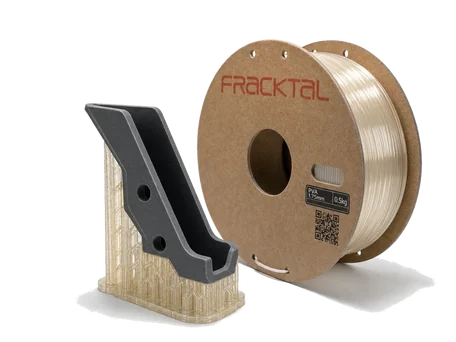
- PVA: A Brief IntroductionPVA is a water-soluble material that is often used as a support material with no need to add any chemicals or special treatment.
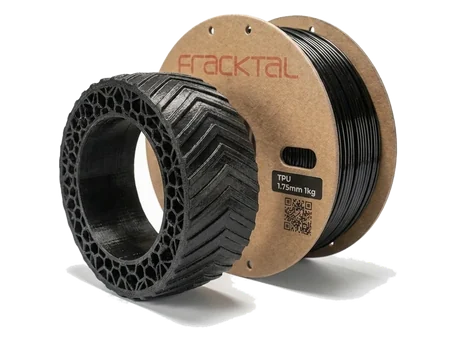
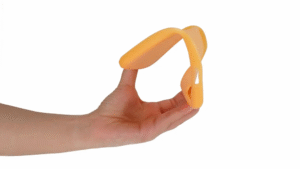 TPU: A Brief IntroductioneTPU-95A has good flexibility with a hardness of 95A, easy to print, and can quickly print large, complex and accurate prototypes of elastomer parts;…

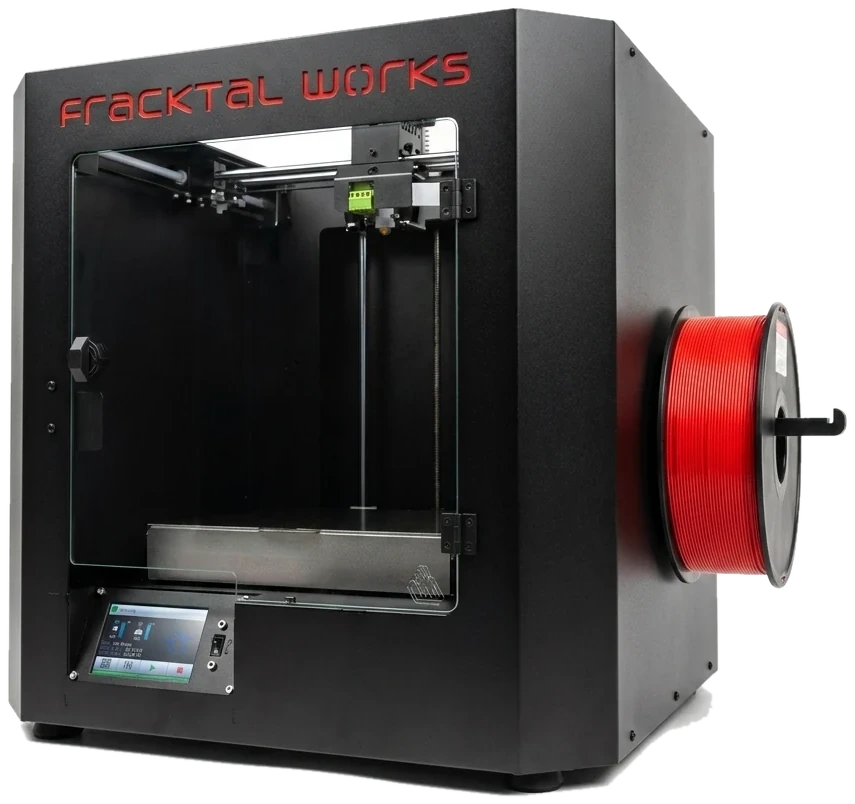
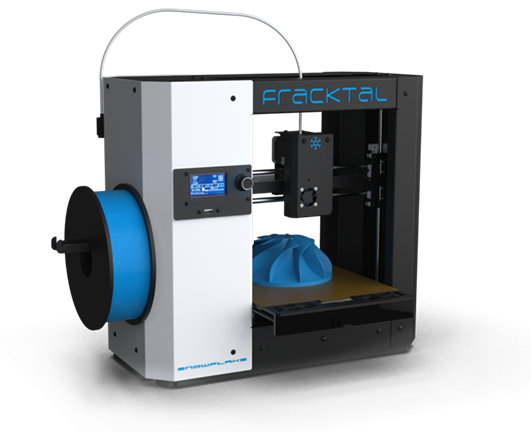
Still stuck?
Send us the G-code, a photo of the part and the machine's serial number, and an engineer will look at it with you. The G-code guide shows what to export.