











Choosing a 3D Printer in India
We build 3D printers, so treat this as what it is: our range, and an honest account of how to decide between machines like it. The six questions below settle most purchases, and three of them have nothing to do with the printer.
Trusted, recognised and featured











Six Questions That Settle It
In the order that matters. Most people start at question five and regret it.
01 · What does the part have to survive?
PLA and PET-G need nothing special. ABS, ASA, PC, PC-ABS and PP need an enclosure or they warp and delaminate — and no amount of tuning substitutes for one. Answer this first and half the market disappears.
02 · How big is the biggest part?
Measure the largest thing you actually intend to print, add 20 %, and do not buy below it. Splitting and bonding a part is a tax you pay on every single build.
03 · How much of the week will it run?
A machine printing eight hours a week and one printing eighty are different purchases. Filament sensors, a door lock and a camera stop mattering at one and become the whole argument at the other.
04 · Who is going to run it?
A shared lab machine used by forty students wants a locked door, runout detection and a slicer with correct profiles already in it. A machine with one owner does not.
05 · What happens when it breaks?
Not if. A machine designed and built in India has spare parts a courier away and support in your time zone; an imported one has a shipping form and a currency conversion. This is the question people ask last and regret most.
06 · Only then: speed and resolution
Every current machine prints well. Headline speed and minimum layer height are the least discriminating numbers on the spec sheet, and the ones every brochure leads with.
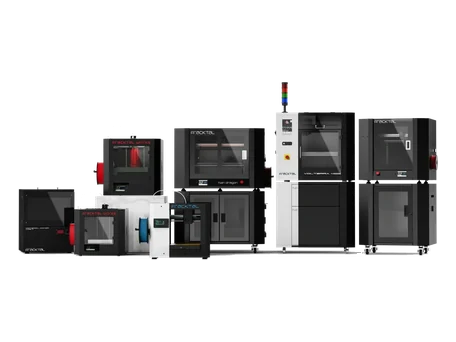
Which Fracktal, Side by Side
| Machine | Build volume | Max nozzle temp | Enclosed | Best for |
|---|---|---|---|---|
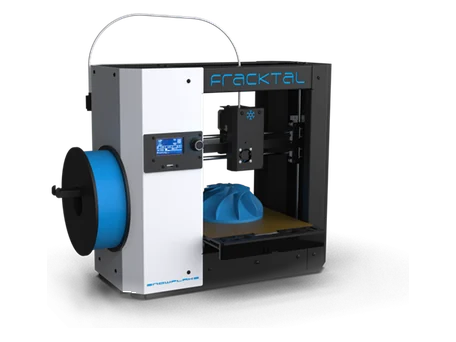
| Snowflake | Desktop | 280 °C | No | First machine, schools, prototyping in PLA and PET-G |
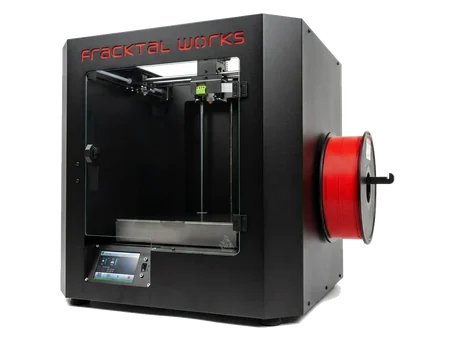
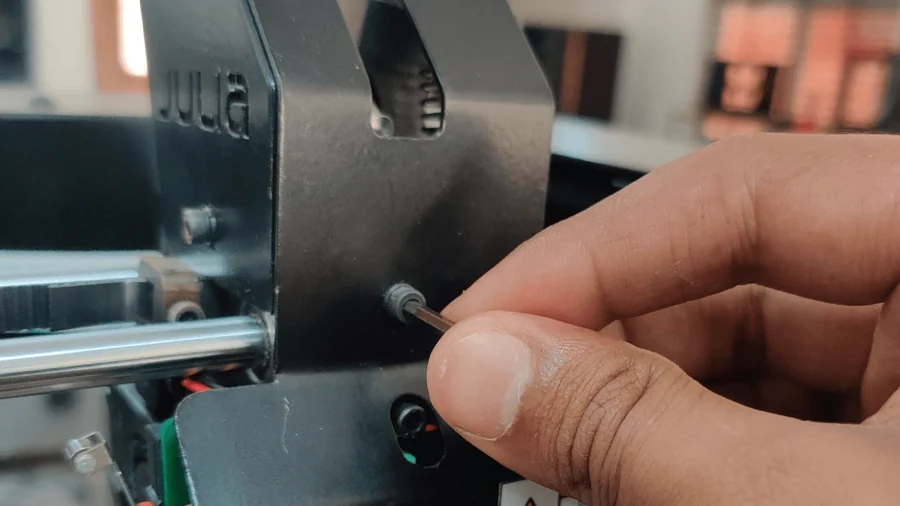
| Julia | 200×200×200 · 250×250×300 mm | 300 °C | Optional | Labs and classrooms that need remote printing and a camera |
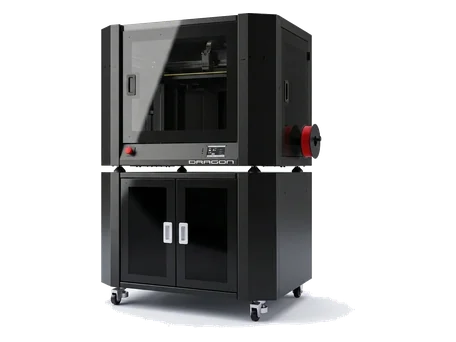
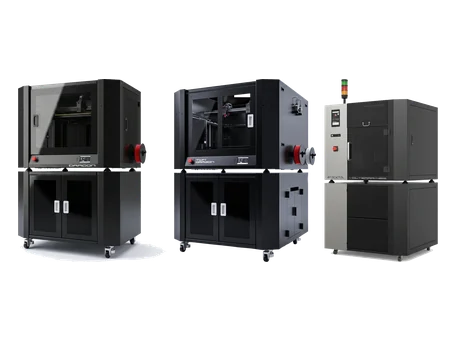
| Dragon 400 / 500 / 700 | to 700×400×400 mm | High-temp capable | Yes, passive heated | Speed and size — up to 600 mm/s |
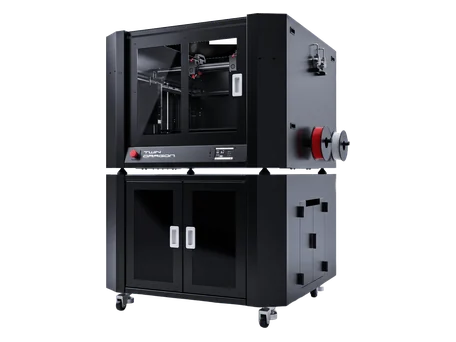
| Twin Dragon | to 600×600×400 mm | High-temp capable | Yes | Two materials at once, soluble supports, duplication |
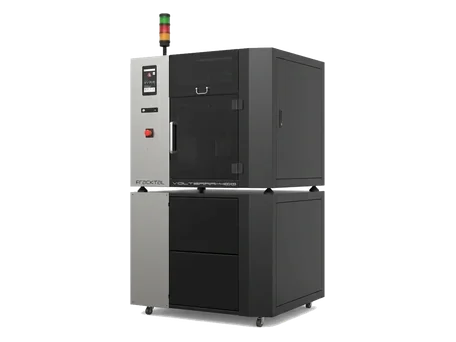
| Volterra | 400×400×400 mm | 450 °C | Yes, 90 °C actively heated | PC, PA, PEKK-class and carbon-fibre composites |
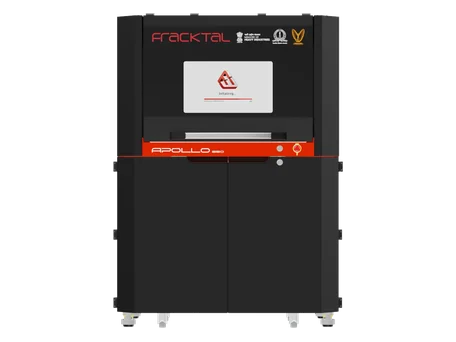
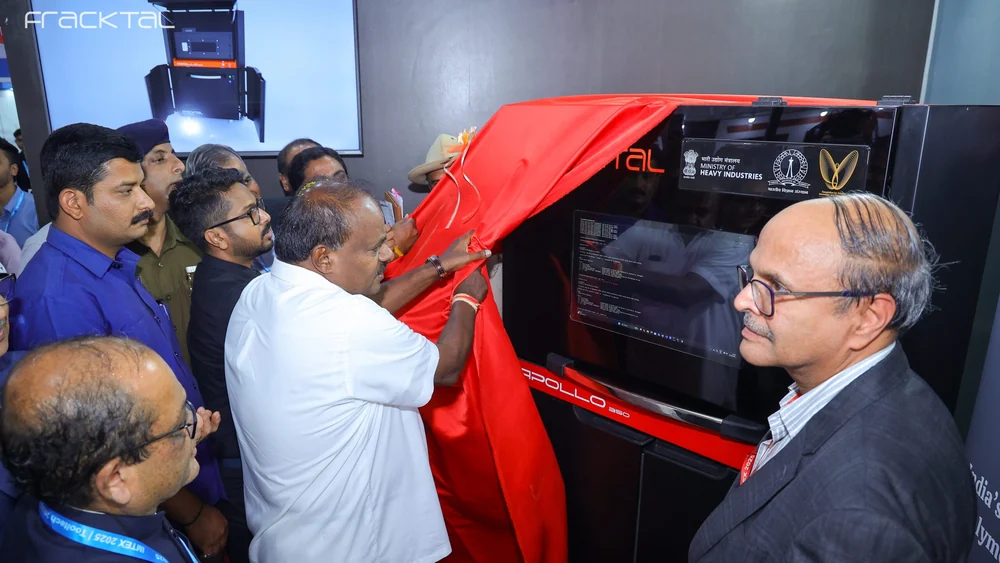
| Apollo SLS | Powder bed | n/a | Enclosed process | Complex nylon parts with no supports at all |
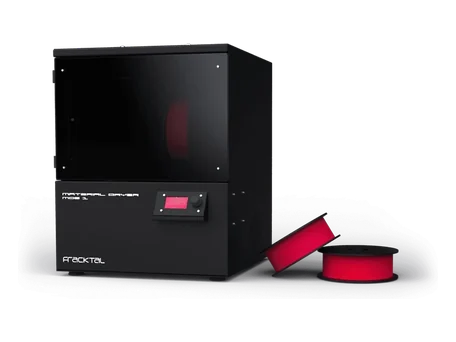
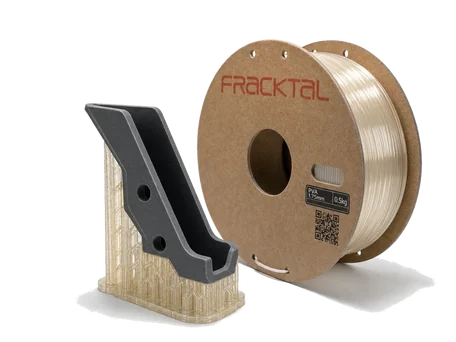
| Material Dryer (MDS1) | 3 × 1 kg spools | n/a | n/a | Any of the above, running hygroscopic material |
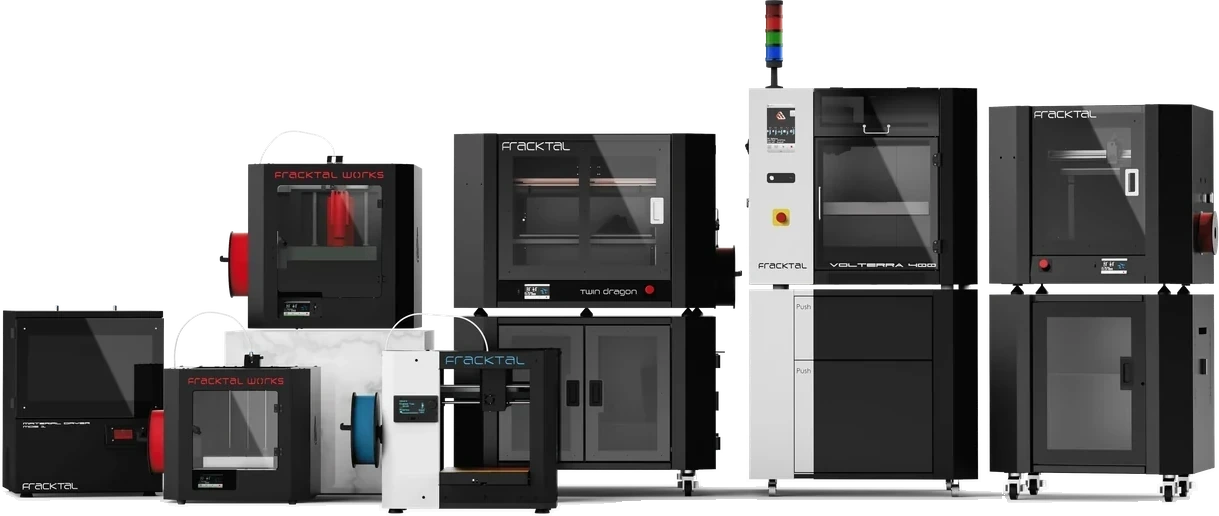
Seven Machines, Made in Bengaluru
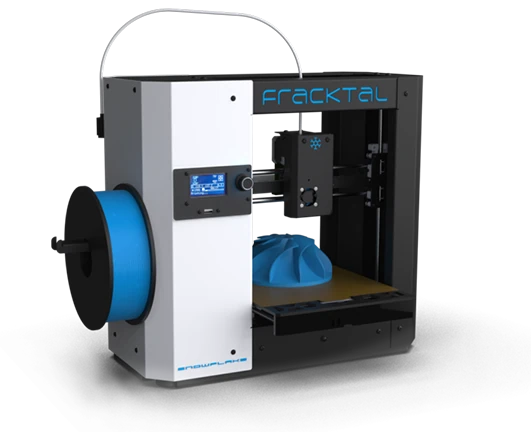
Snowflake
The reliable desktop machine — quality parts straight out of the box, up to 280 °C.
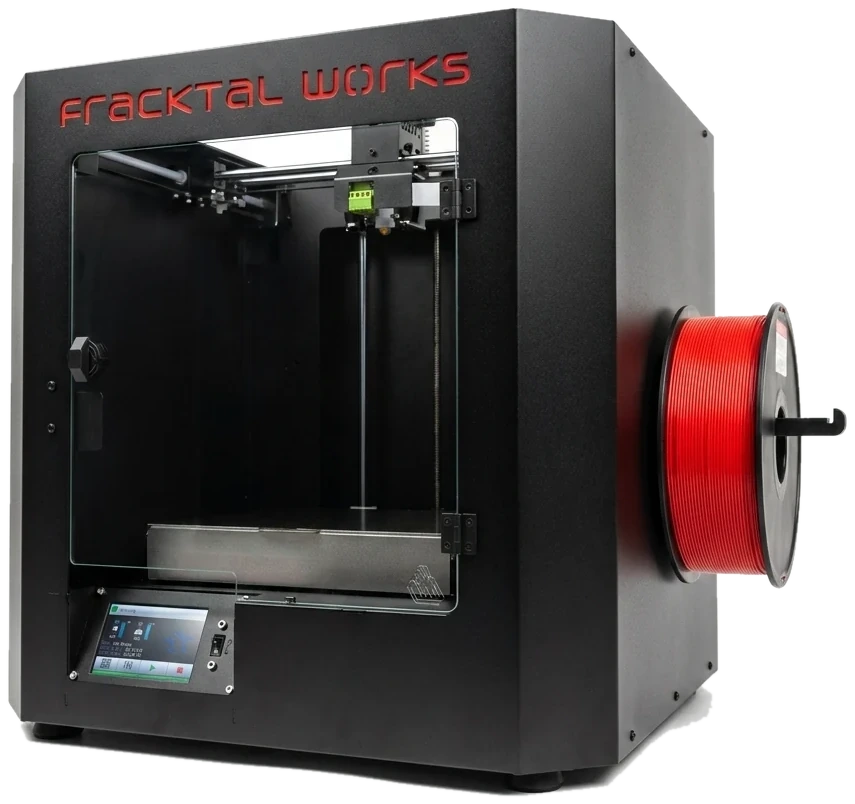
Julia
Wi-Fi, Ethernet, OctoPrint and an integrated camera; 60 µm resolution and auto levelling.
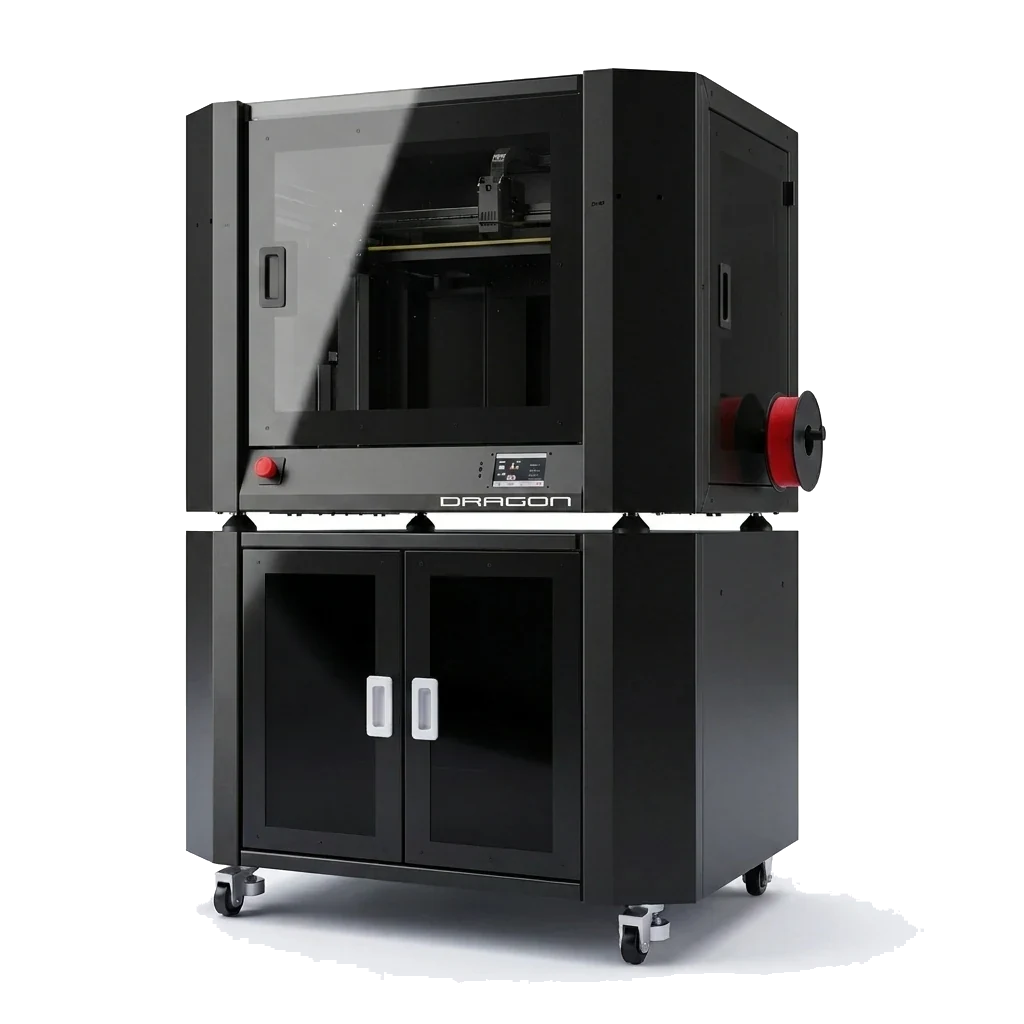
Dragon
Up to 600 mm/s on a hybrid CoreXY, in three sizes to 700 × 400 × 400 mm.
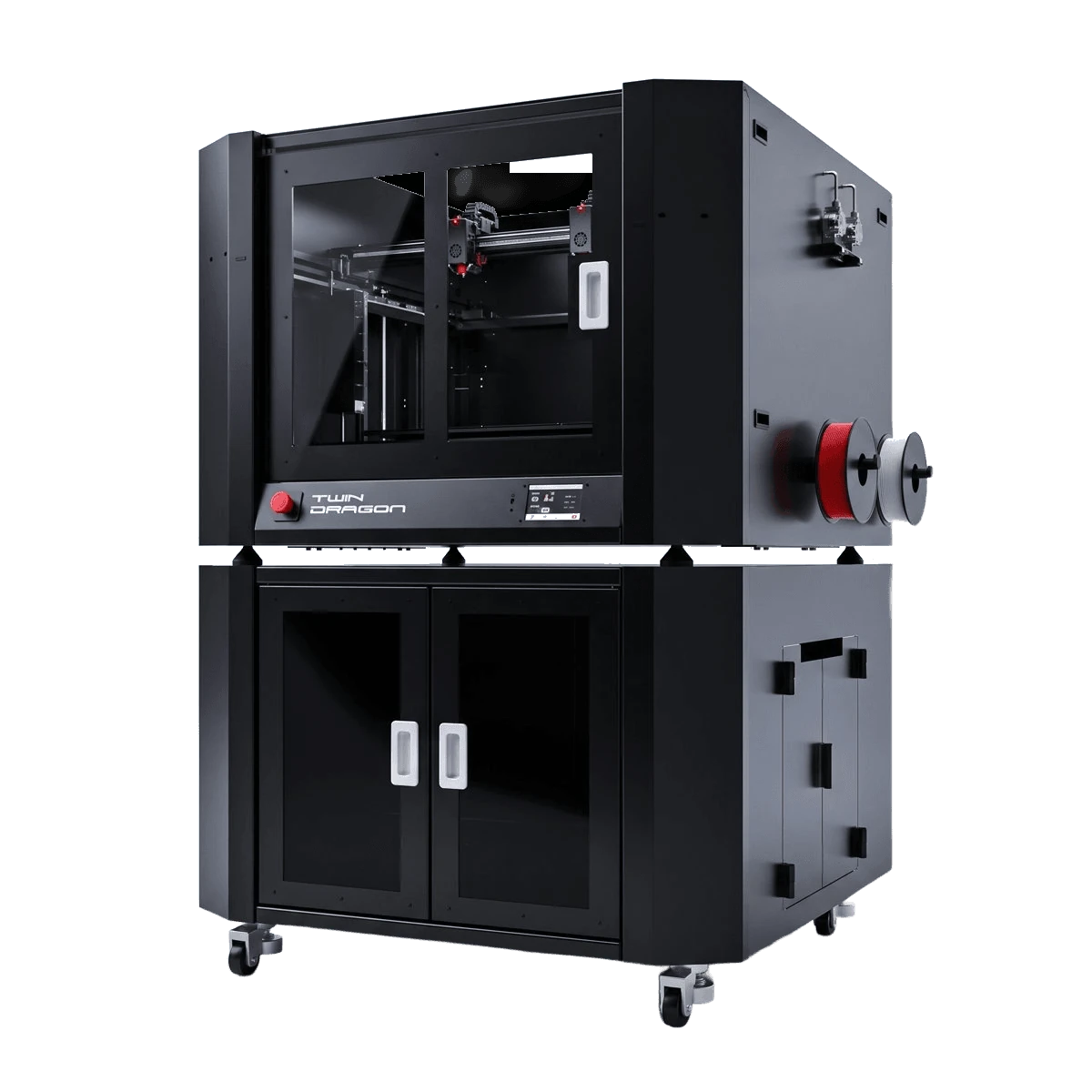
Twin Dragon
Two independent extruders to 600 × 600 × 400 mm — dual material, mirror and duplication.
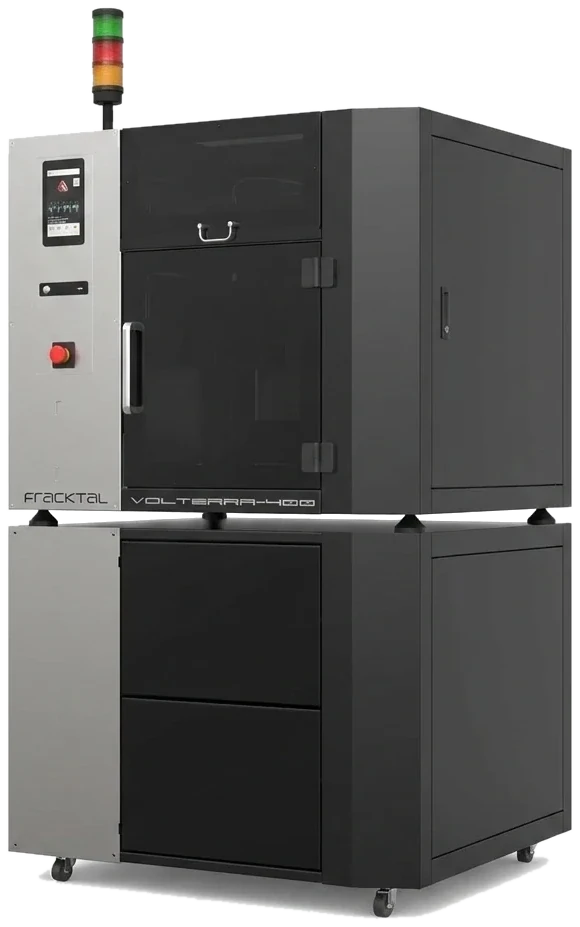
Volterra
450 °C hotend, 90 °C heated chamber and a 150 °C plate for PC, PA and composites.
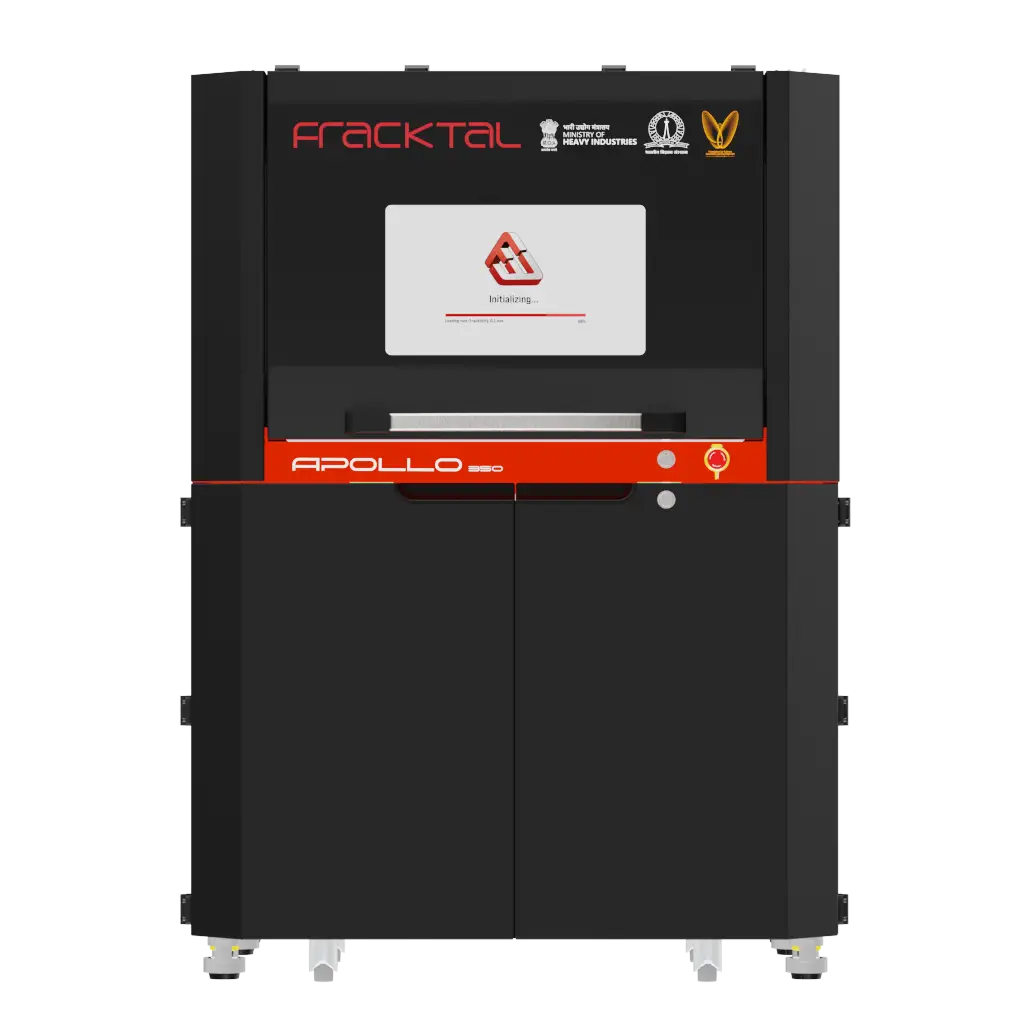
Apollo SLS
Selective laser sintering — nylon parts with no supports and full geometric freedom.

Material Dryer
MDS1 dries up to three 1 kg spools at once, so the material stops being the variable.
Four Things Worth Knowing Before You Buy Anything
Open-material or do not buy it
A machine that only runs its manufacturer’s chipped spools is a subscription with a plastic case. Every machine we build is open-material.
Budget for a dryer with the printer
Nylon, PC, PC-ABS and PET-G all print worse wet, and ‘the printer is bad’ is usually ‘the filament is wet’. It is the cheapest upgrade available.
Check what the warranty covers, not how long it is
Twelve months on the machine is standard. Ask what happens to a hotend, a bed and a board inside it, and how long a replacement takes to arrive.
The slicer matters more than the spec sheet
Tuned profiles for each machine, nozzle and material are the difference between a good printer and a good print. Fracktory ships with them and is free.
Asked Before Every Purchase
Which one should I buy if I am buying my first?
Do I need an enclosure?
Is a made-in-India printer as good as an imported one?
Should I buy a machine or send the parts out?
What does it cost to run?
Tell us what you want to print
The fastest way through all six questions is to describe the part. Tell us what it is, how big, what it has to survive and how often you will make one.