
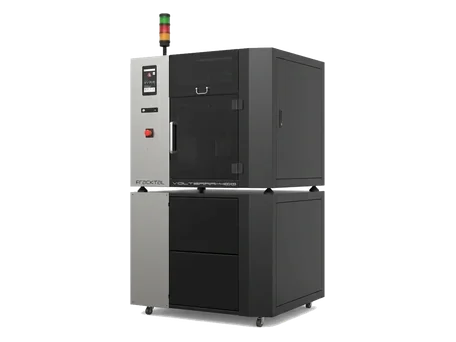
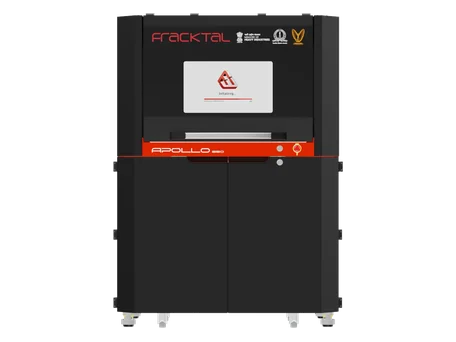
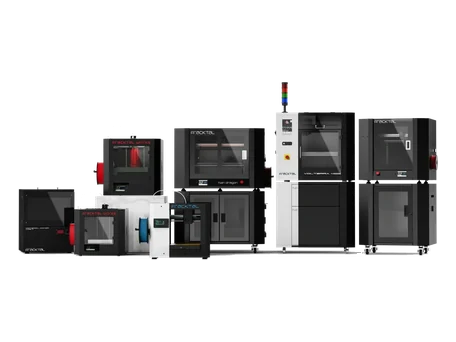
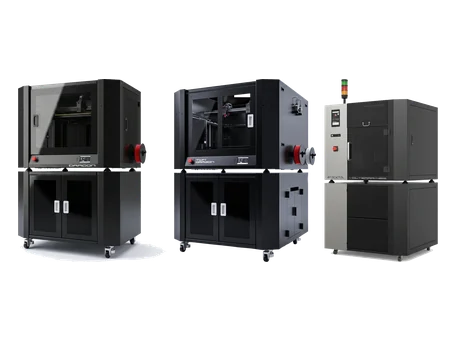






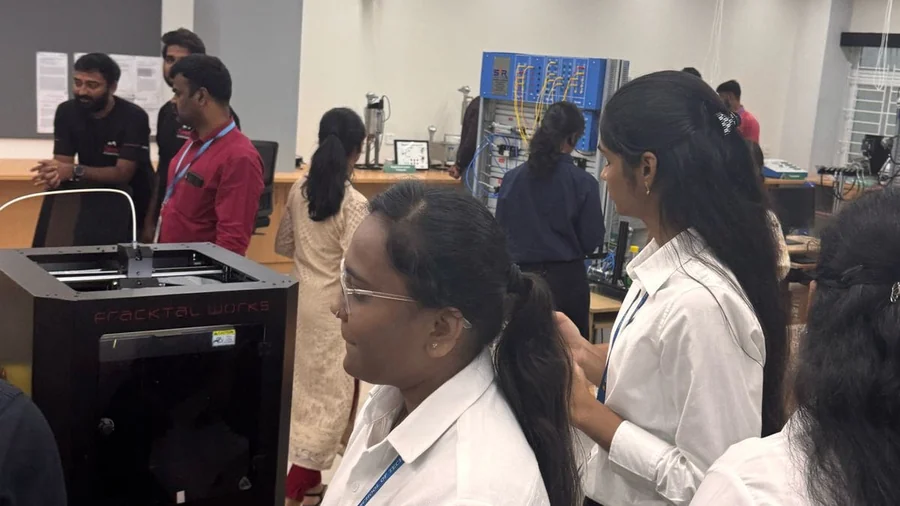

SLA 3D Printing
A laser cures liquid photopolymer point by point. It gives the finest detail and the smoothest surface of anything on this page — ±0.2 %, and a finish you can take straight to a client meeting.
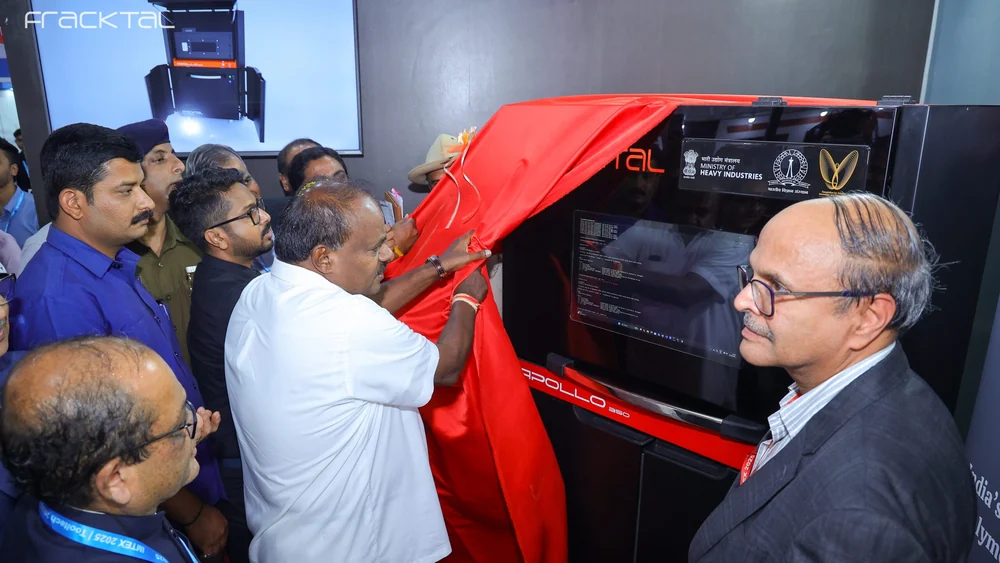
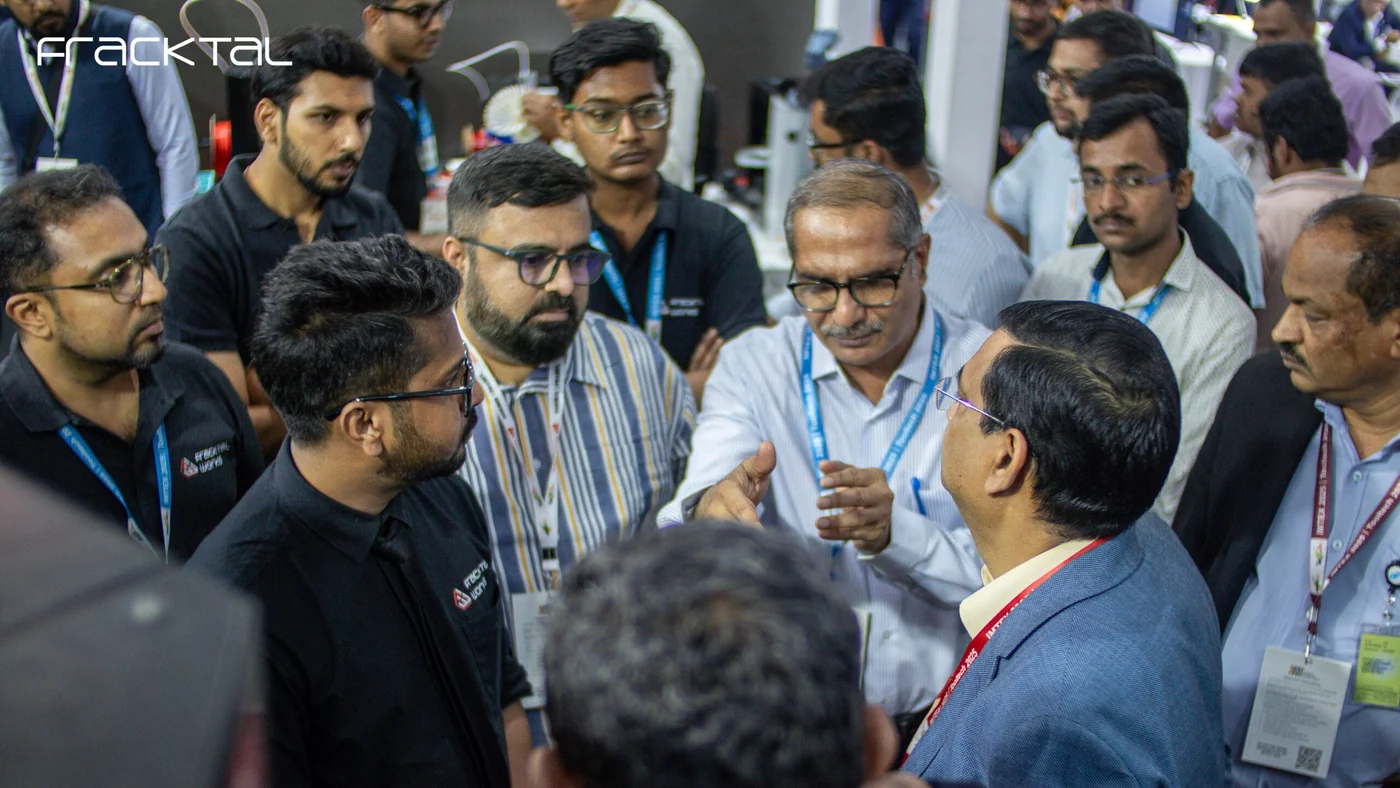
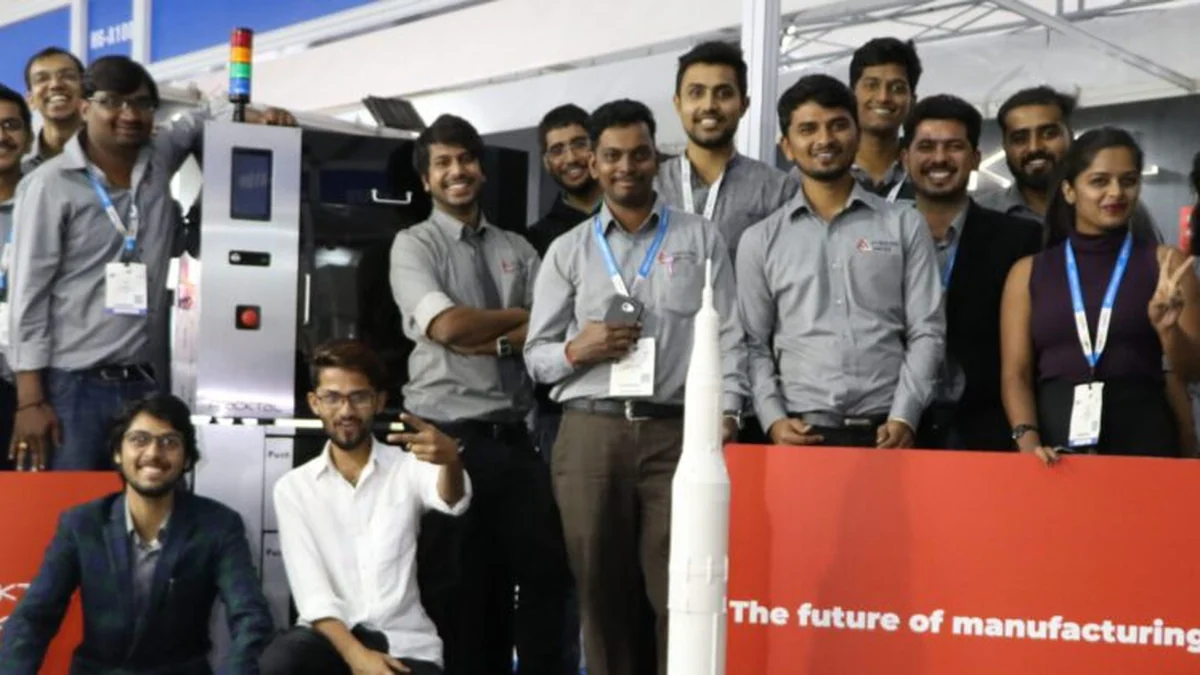
Trusted, recognised and featured











Light, Not Heat
SLA cures a liquid photopolymer with a laser, one traced cross-section at a time. There is no molten road and no fused powder grain, so the layer boundary is far finer than any thermal process can manage — and the surface comes off the machine smooth rather than textured.
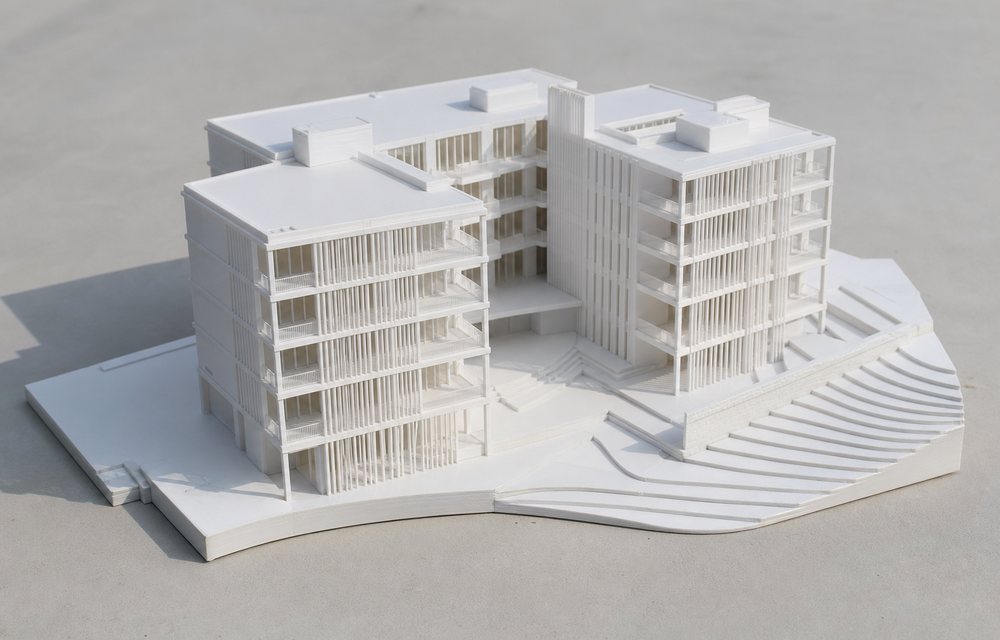
It is the process for parts that will be looked at, measured, or copied. Appearance models, master patterns for casting, optically clear housings and anything with detail measured in tenths of a millimetre.
Where SLA Wins
Choose it when the surface and the detail are the requirement.
The best finish we can produce
Near-injection-moulded straight off the machine — and it takes paint and clear-coat beautifully.
Detail down to 0.3 mm
Fine text, thin membranes, sharp edges and small threads that thermal processes round off.
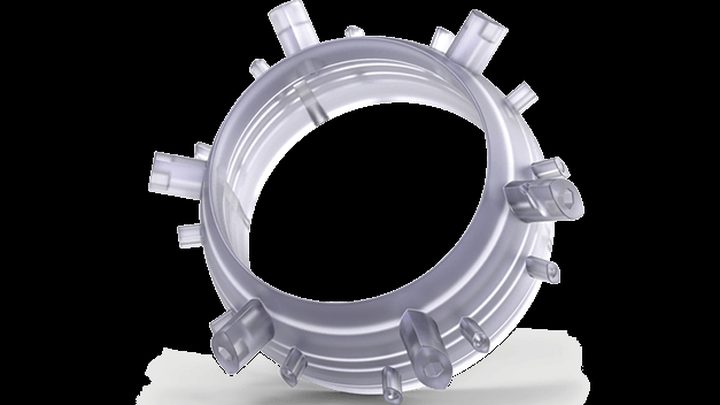
Genuinely clear parts
Clear resin, polished, for fluidics, light guides and anything that has to be seen through.
Master patterns
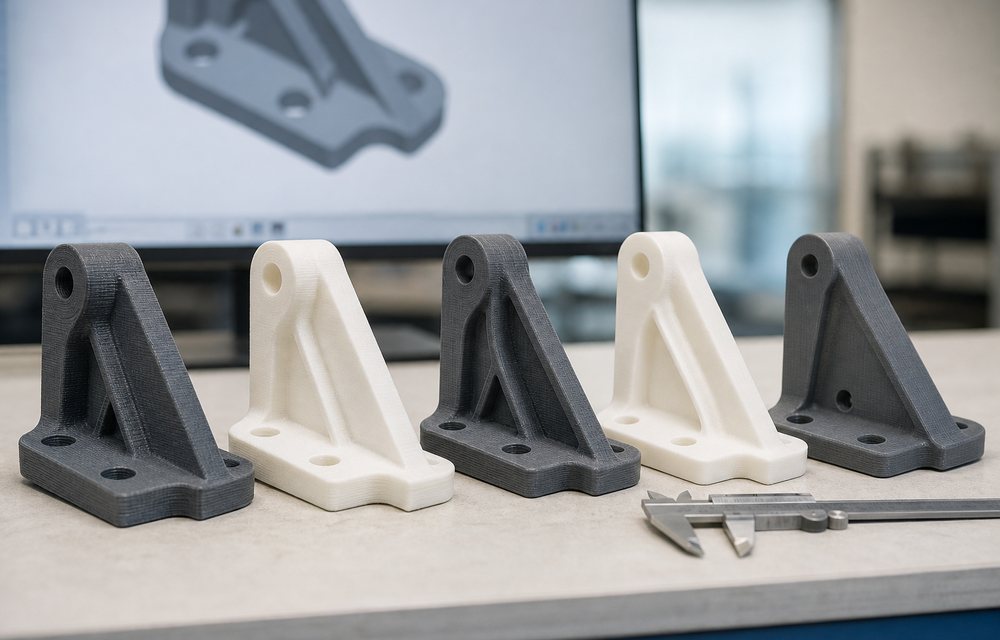
The starting point for silicone tooling — an SLA master is why a vacuum-cast run looks moulded.
Process Specification
| Parameter | What you get |
|---|---|
| Dimensional accuracy | ± 0.2 % (± 0.2 mm lower limit) |
| Layer thickness | 0.025 – 0.1 mm |
| Minimum wall thickness | 0.3 mm unsupported, 0.6 mm structural |
| Minimum detail | 0.3 mm embossed / 0.4 mm engraved |
| Materials | Standard, clear, tough and high-temperature resins |
| Finish as printed | Smooth, semi-gloss; support nubs removed |
| Available finishes | Wet sanded, polished to clear, primed, painted |
| Note | Photopolymers are less UV- and impact-stable than thermoplastics — SLA is for form and detail, not for long-term outdoor structure |
| Typical quantities | 1 – 50 parts |
What People Send Us
Appearance models
The version that gets photographed and put in front of a customer.
Jewellery masters
Castable detail, sampled in a day rather than carved in a week.
Clear fluidics
Channels and chambers you can watch the fluid move through.
Dental models
Study models, trays and guides where the tolerance is the whole point.
Vacuum-casting masters
The pattern the silicone tool is taken from.
Fit and gauge checks
Small, accurate, and finished enough to measure against.
Four Steps From File to Part
The same route for every process on this page.
01 · Upload your CAD
Pick a manufacturing process, upload the 3D file and tell us the quantity and finish.
02 · Get a DFM analysis
You get a design-for-manufacturability review with the price.
03 · Manufacturing begins
Approve the quote and the job goes on the floor. You are told when it starts, not only when it ends.
04 · Parts are shipped
Packed, tracked and shipped anywhere in India, with the tracking number in your inbox.
Other Manufacturing Services

FDM 3D Printing
Engineering polymers, one-off to small batch, ±0.5 % accuracy.

SLS 3D Printing
Nylon powder bed, ±0.3 %. No supports, so geometry stops being the constraint.

HP MJF 3D Printing
Multi Jet Fusion for production-rate nylon parts with even properties.

Vacuum Casting
Silicone tooling for 1–25 identical cast-polyurethane parts.

Finishing & Assembly
Sanded, blasted, painted, inserted and assembled before it ships.
Reverse Engineering
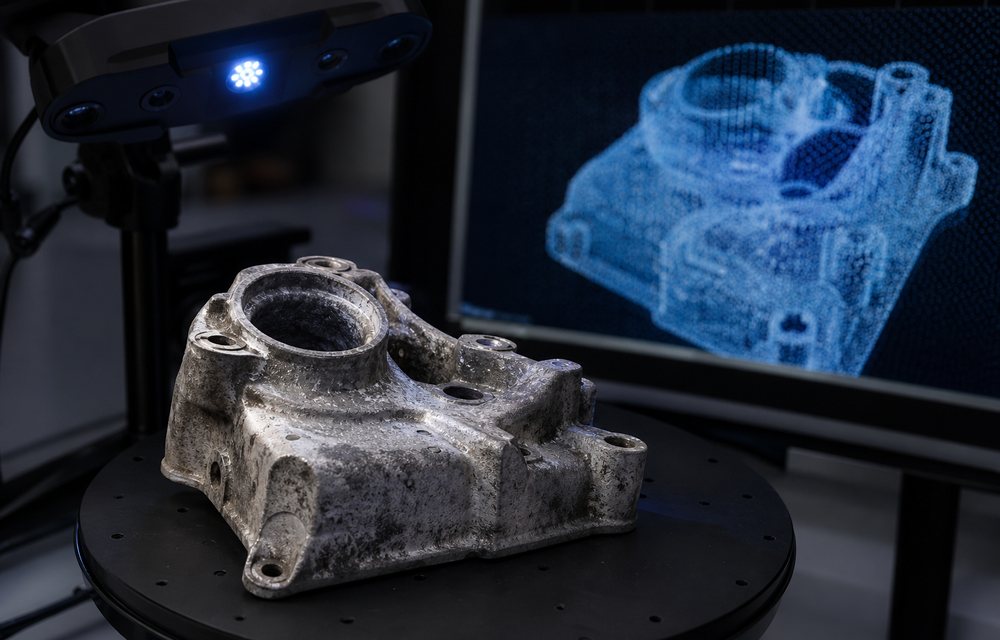
Scan-to-CAD for the part that exists and the drawing that does not.

Quality Assurance
Dimensional and material verification, documented.

Consulting & Design
DfAM, material selection and process design, from CAD to production.
Send us the part
Upload the file and tell us the quantity. What comes back is a price and a design-for-manufacturability review: where the part will give you trouble, and what to change before it does.