








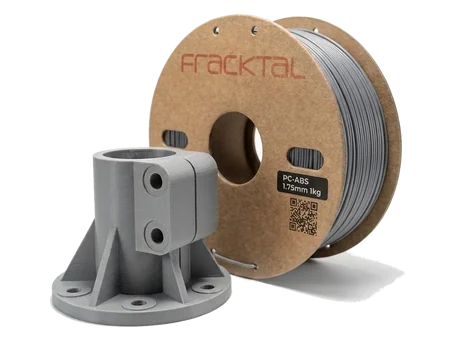



PC-ABS Blend Filament
A polycarbonate-ABS alloy that takes PC’s heat resistance and impact strength and prints like ABS. It is what device housings get made from.

Quick Reference
- Material properties
- Engineering Blend
- Polycarbonate + ABS alloy
- None
- 48 MPa
- 108 °C
- 1.12 g/cm³
- Low — dry 65 °C / 6 h before printing
- 260–270 °C
- ≥ 0.4 mm
- Brass or hardened steel
- 95–110 °C
- Required + chamber recommended (55–65 °C)
- Acetone smooth, sand, paint, drill, tap
Material Property Profile
Values scored 0–10 from measured mechanical data and print process behaviour. Select a material above to compare properties.
Key Properties
PC-ABS exists to sit between two materials. The heat and impact rows are where it earns the place.



Machine Requirements
It asks less of a printer than pure PC does, but it still asks for an enclosure.
| Requirement | Minimum Spec | Recommended |
|---|---|---|
| Nozzle Temperature | 255 °C | 260–270 °C |
| Bed Temperature | 95 °C | 100–110 °C |
| Enclosure | Enclosed (required) | Heated chamber 55–65 °C |
| Chamber Temperature | 45 °C | 55–65 °C |
| Nozzle Material | Brass | Brass or hardened steel |
| Cooling Fan | Off | Off or minimal |
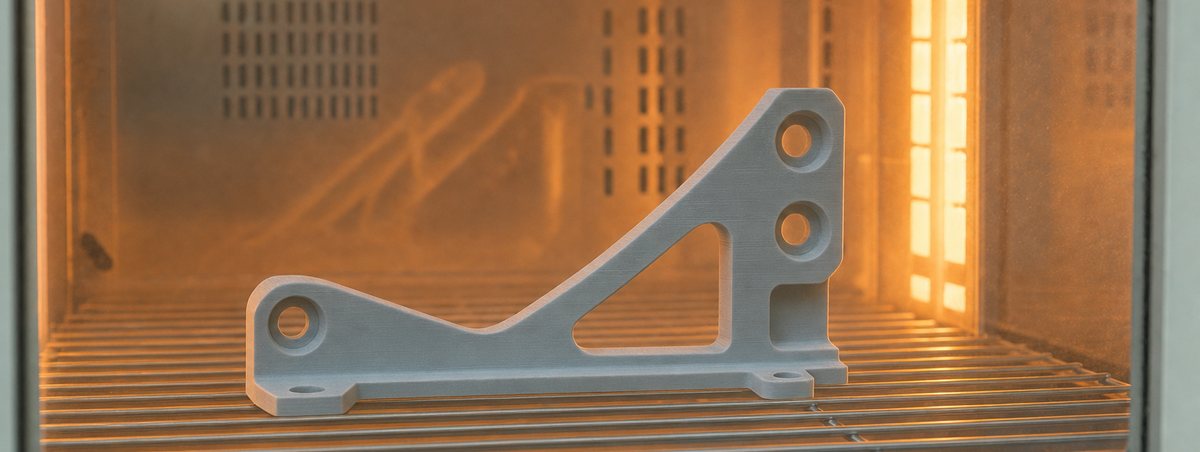
Heated chamber recommended. The PC component in PC-ABS benefits from a 55–65 °C chamber to ensure proper interlayer bonding and reduce warping. Prints are functional in a passively heated enclosure but chamber temp improves quality significantly. It warps like ABS at a higher temperature — how to stop corner lift.
Applications by Industry

Automotive
- Dashboard & interior frame components
- Sensor & camera housings
- Air duct parts

Electronics
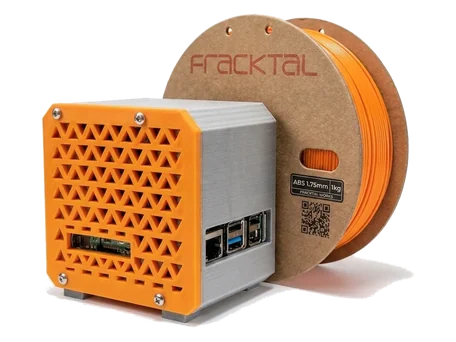
- Laptop & tablet housings
- Wearable device shells
- Keyboard frames

Industrial
- Power tool housings
- Machine guards
- Industrial control panels

R&D / Prototyping
- Durable engineering prototypes
- High-temp functional models
- Post-processed display parts
Tensile Strength Across the Range (MPa)
Heat Deflection vs Tensile Strength
Available Materials
When to Use PC-ABS, and When Not To
Use PC-ABS when
- Heat resistance above 90 °C but you want easier printing than pure PC
- High impact resistance alongside good tensile strength
- Acetone smoothing or painting is part of the finishing workflow
- Consumer electronics or automotive housing applications
- Your printer has a heated chamber but not the 280+ °C needed for pure PC
Avoid PC-ABS when
- Open-frame printers without any enclosure (warping is severe)
- Continuous temperature above 110 °C (use pure PC)
- Chemically aggressive environments — blends can be less resistant than pure PC
- Parts needing optical clarity (use pure PC natural)
DfAM Tips for PC-ABS
It prints more easily than PC and still shrinks like ABS. Design for both halves.

Wall Thickness ≥ 1.0 mm
PC component improves layer bonding but requires 3 perimeters to activate this benefit. Thin walls remain a delamination risk.

Min Hole Diameter: 1.5 mm
PC-ABS shrinks slightly more than pure ABS. Add 0.1–0.2 mm to bore diameters for close-tolerance fits.

Max Overhang: 40°
Without cooling fan, overhang quality drops. Keep bridging spans under 25 mm and use supports beyond 40°.
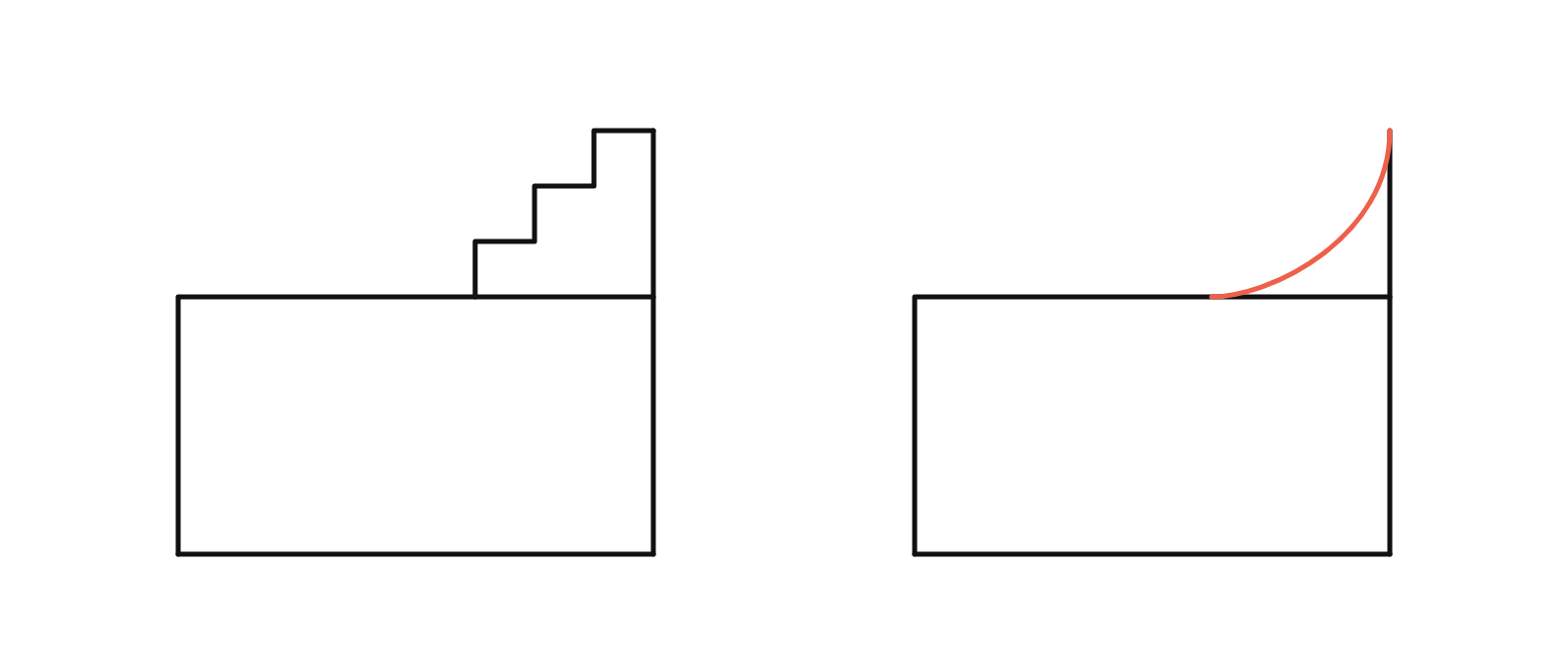
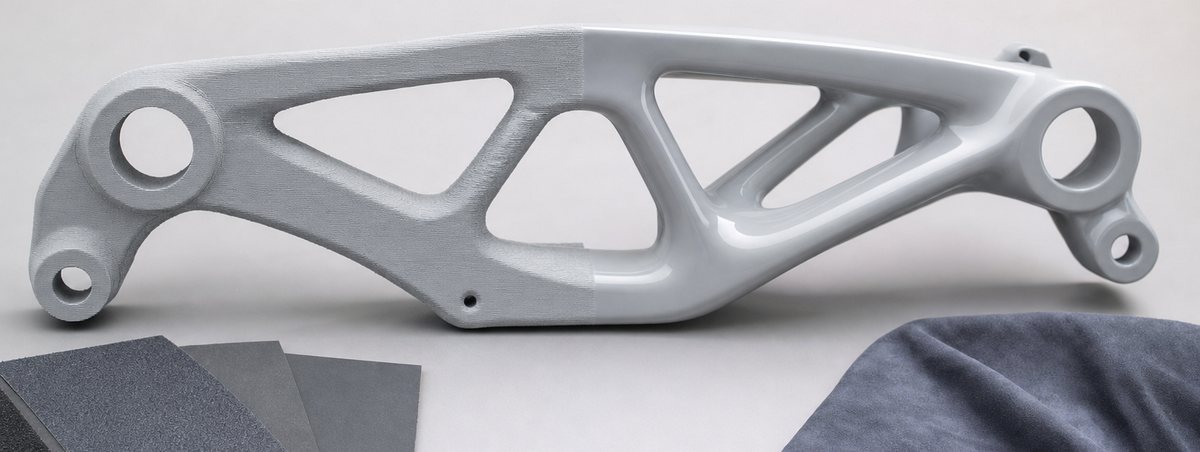
Acetone Smoothing Works
PC-ABS responds to acetone vapour smoothing like ABS. Add 0.2–0.3 mm to surfaces you plan to smooth, and round sharp internal corners.
Printers Compatible with PC-ABS
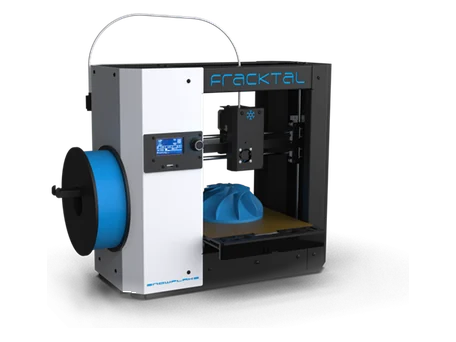
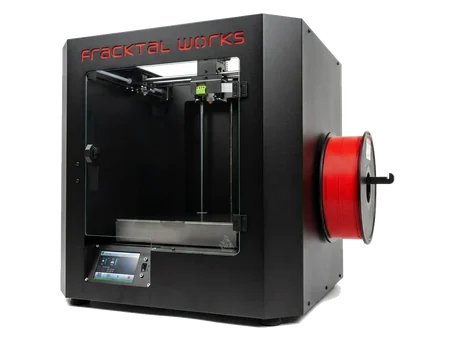
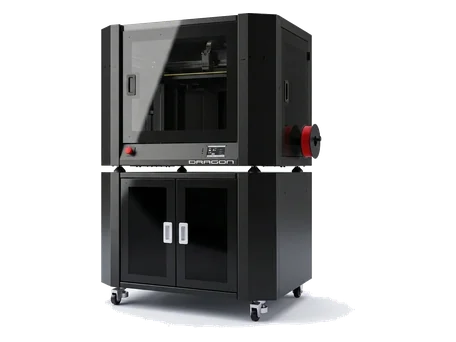
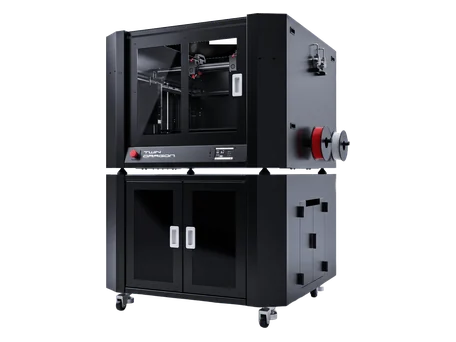
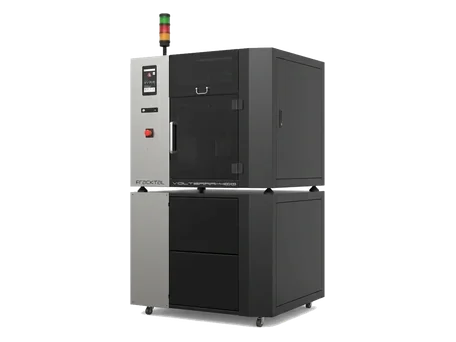
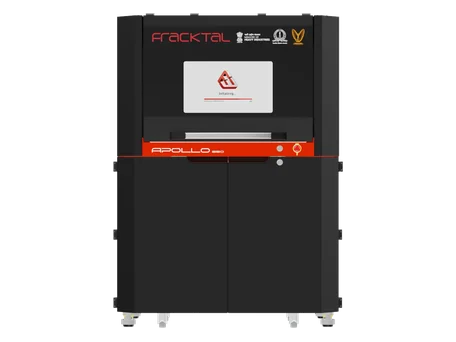
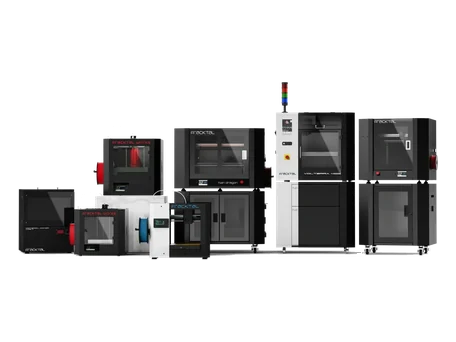
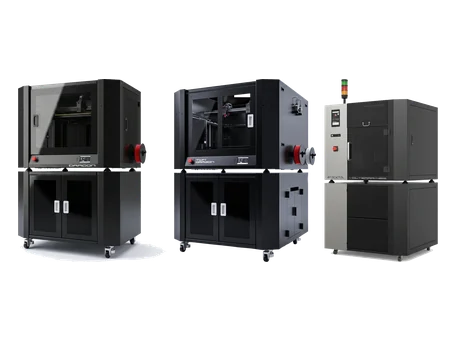
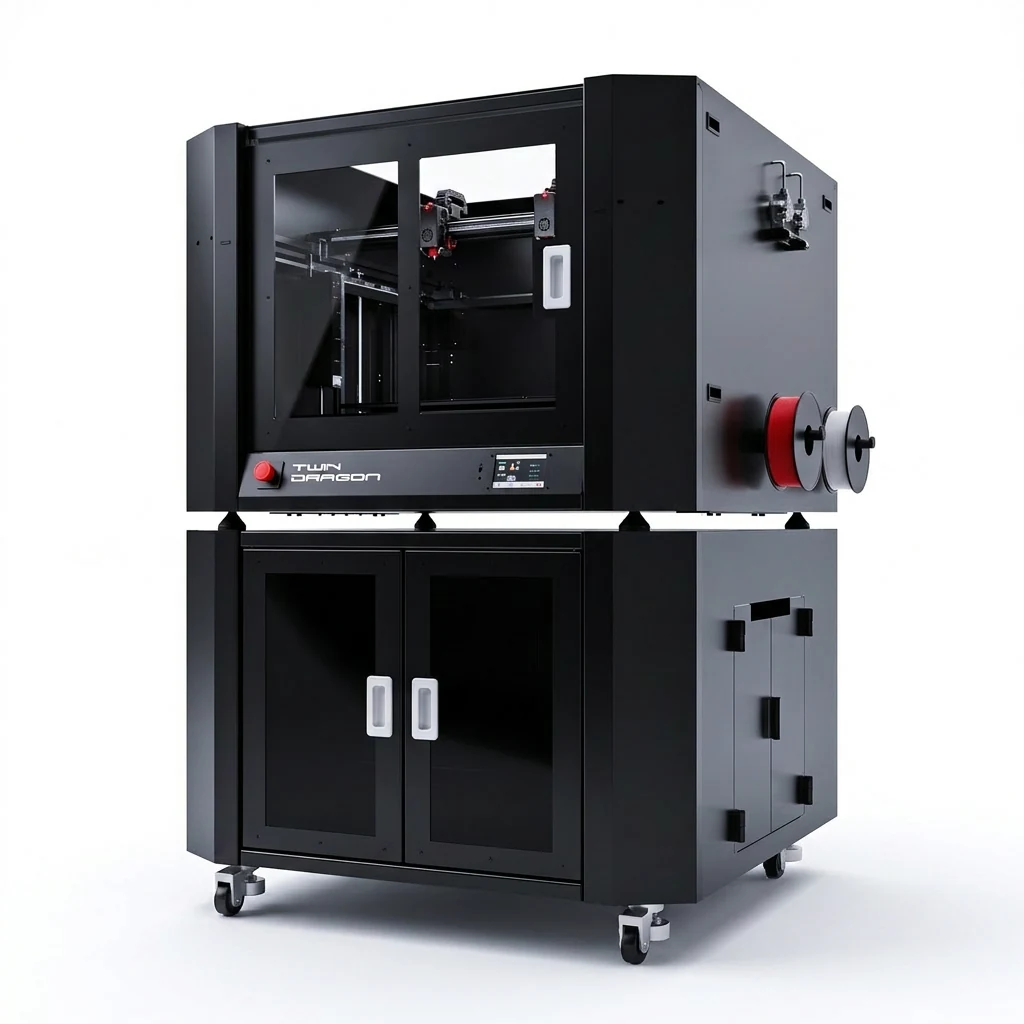
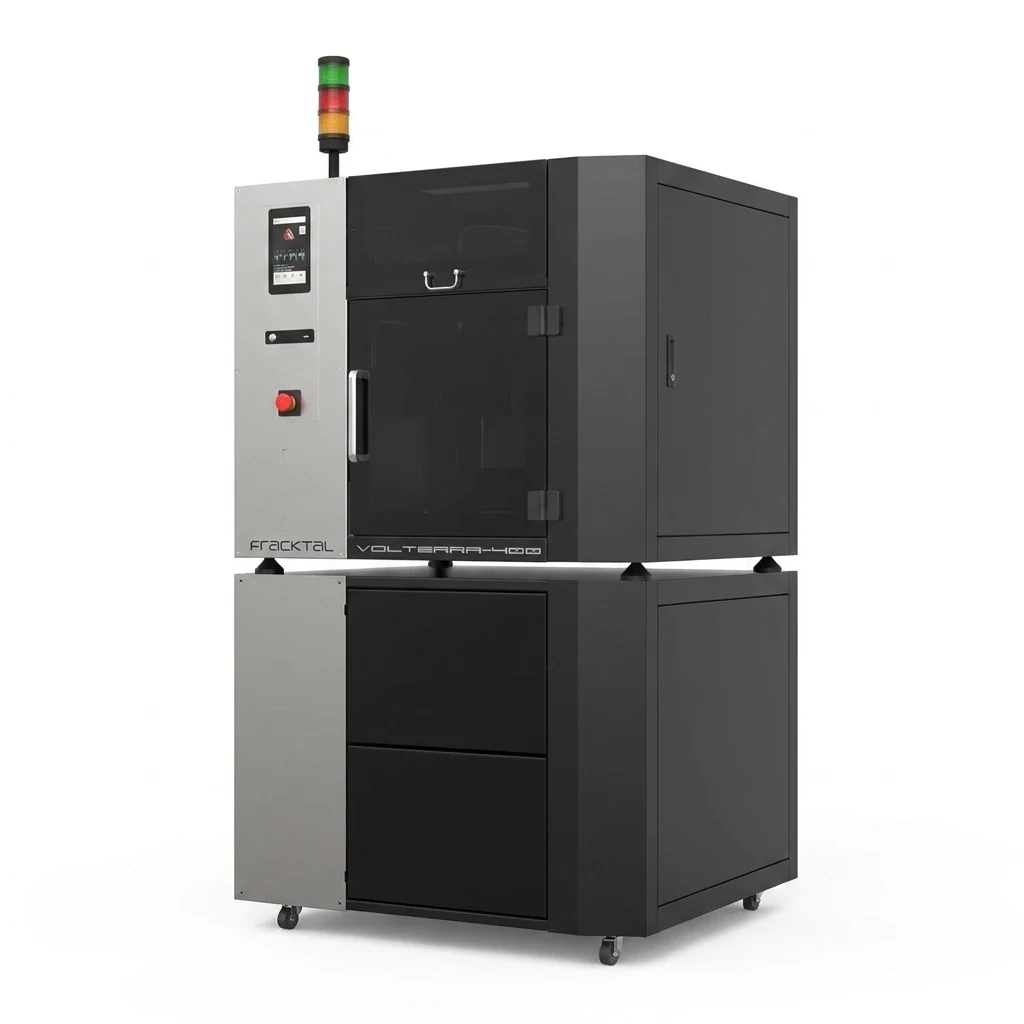
PC-ABS requires 260–270 °C and a heated enclosure. Dragon, Twin Dragon, Julia, and Volterra all meet these requirements. A heated chamber improves part quality noticeably.


Ready to print in PC-ABS?
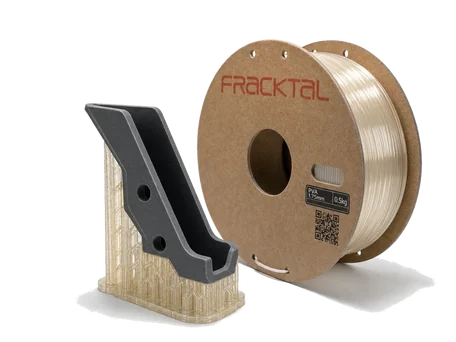
Fracktal PC-ABS ships in available in 500 g and 1 kg spools.