













PET-G Filament
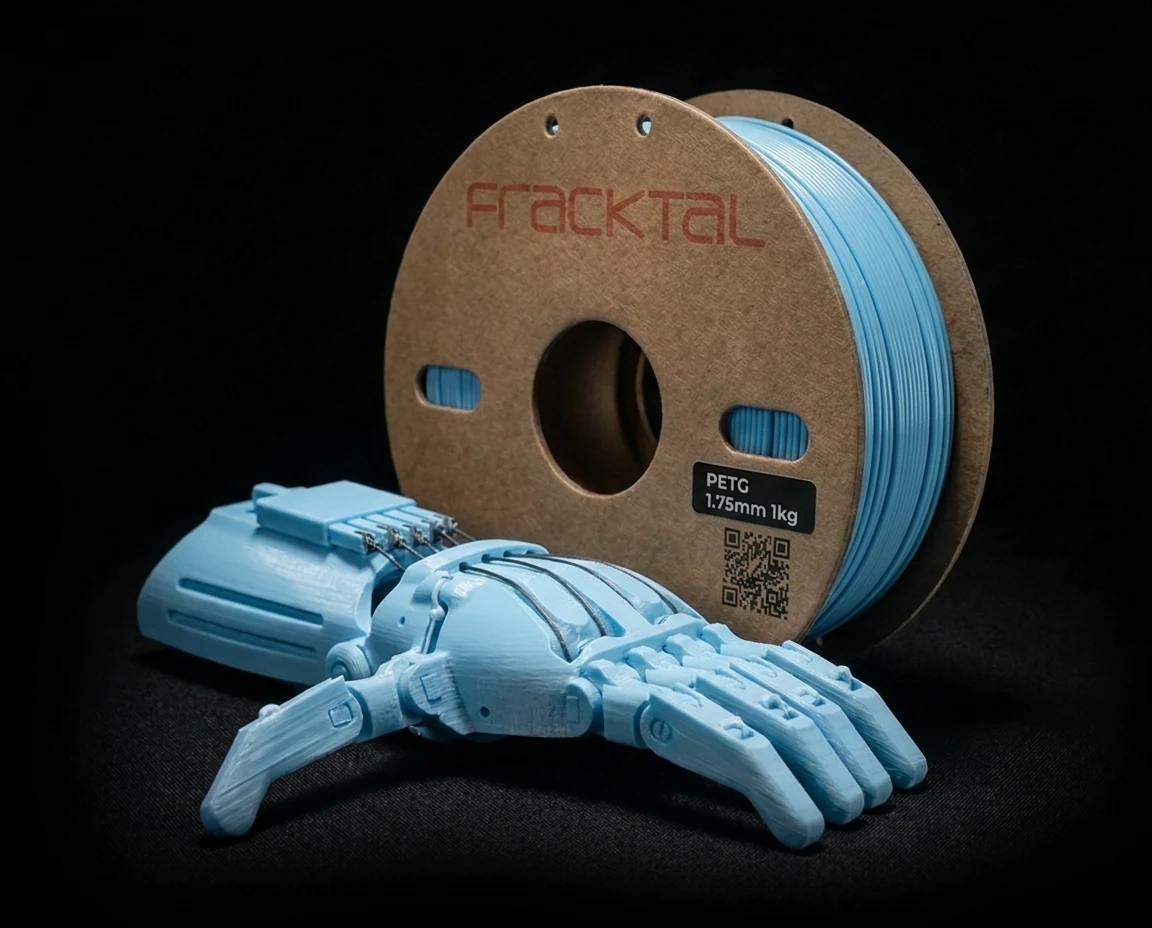
A chemical-resistant copolyester that prints easily and is still genuinely tough. The everyday workhorse of the range.
Quick Reference
- Material properties
- General Purpose Copolyester
- Polyethylene Terephthalate Glycol (PETG)
- None
- 48 MPa
- 70 °C
- 1.27 g/cm³
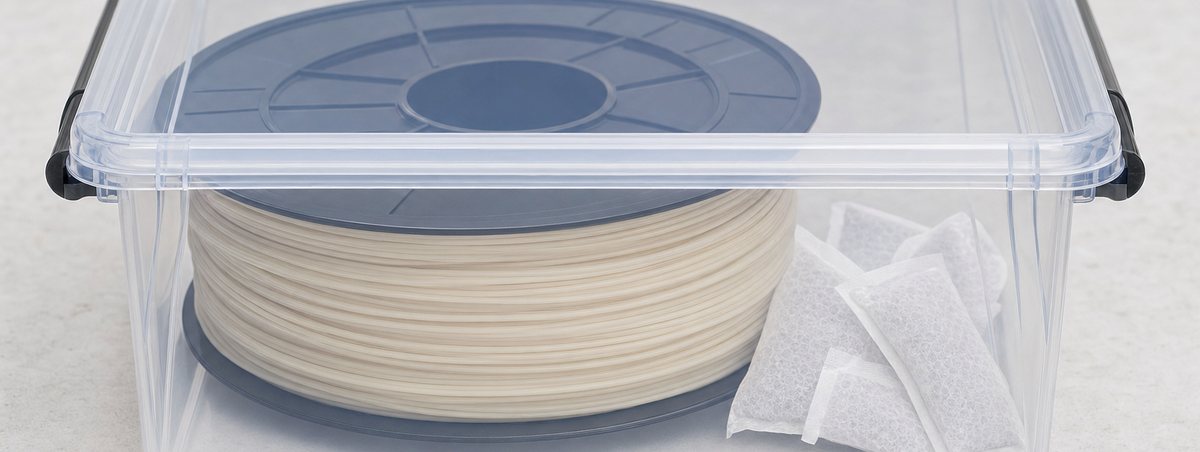
- Low — dry 65 °C / 4 h if stored unsealed
- 235–245 °C
- ≥ 0.4 mm
- Brass or hardened steel
- 70–85 °C
- Optional (reduces stringing)
- Sand, drill, light acetone polish
Material Property Profile
Values scored 0–10 from measured mechanical data and print process behaviour. Select a material above to compare properties.
Key Properties
PETG rarely wins a row outright. It loses fewer of them than anything else here, which is why it gets used most.

Machine Requirements
Nothing here is demanding. An open-frame printer with a brass nozzle runs PETG.
| Requirement | Minimum Spec | Recommended |
|---|---|---|
| Nozzle Temperature | 230 °C | 235–245 °C |
| Bed Temperature | 65 °C | 70–85 °C |
| Enclosure | Open | Optional enclosure |
| Nozzle Material | Brass | Brass or hardened steel |
| Cooling Fan | 25 % | 50–75 % |
| Retraction | 3 mm | 4–6 mm @ 45 mm/s |
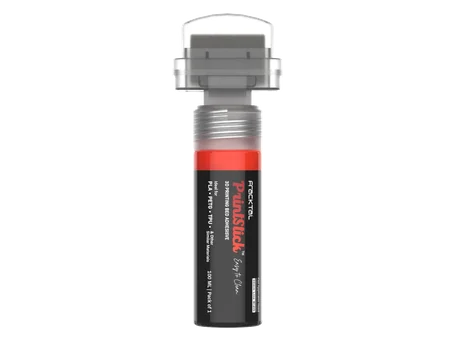
PEI bed with glue stick: PETG bonds very aggressively to PEI. Apply a thin glue-stick layer as a release agent, or you risk taking the print surface off with the part. PET-G can bond to bare PEI hard enough to damage it — how to keep the sheet.
Applications by Industry
Mechanical / Structural
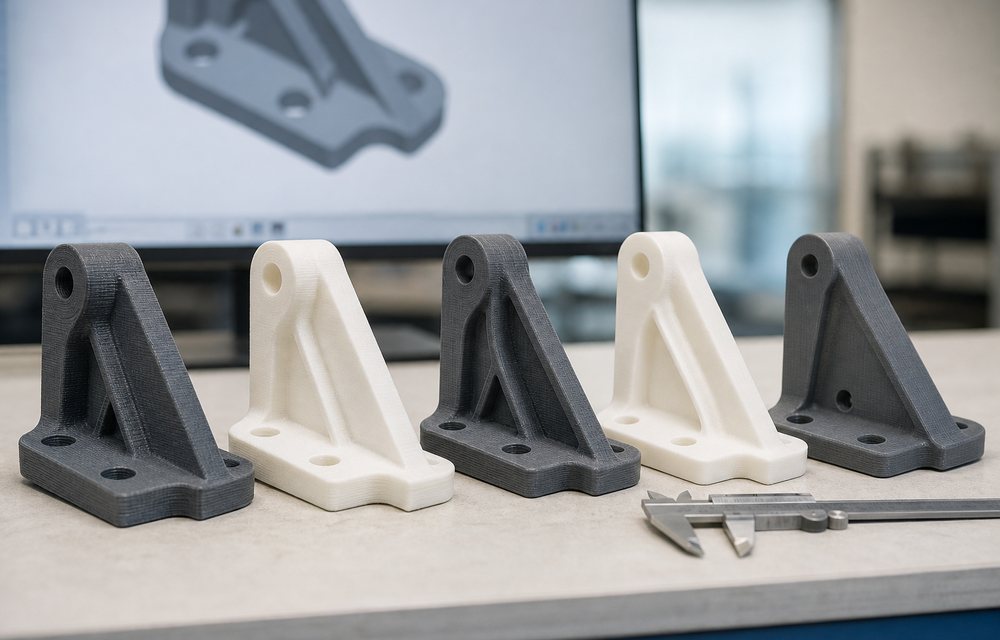
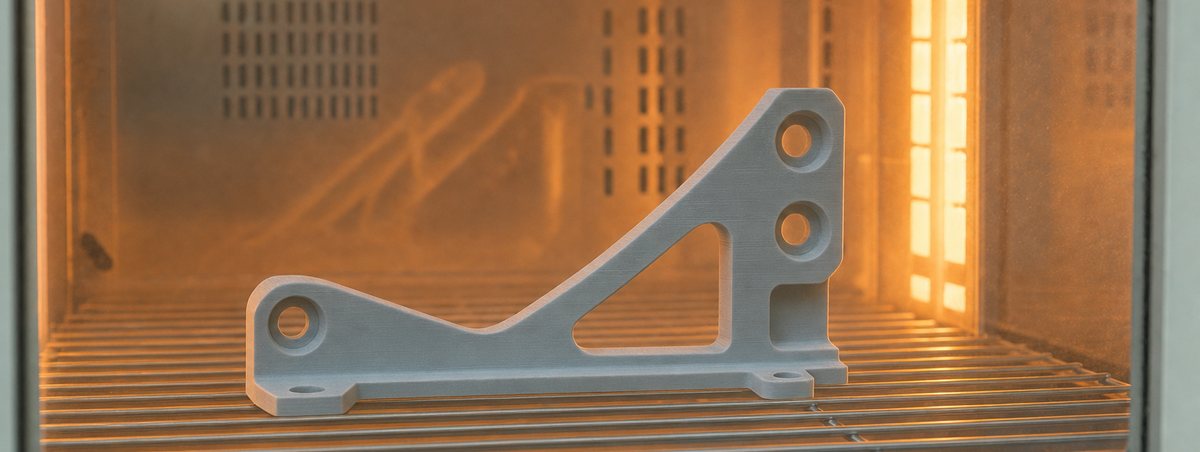
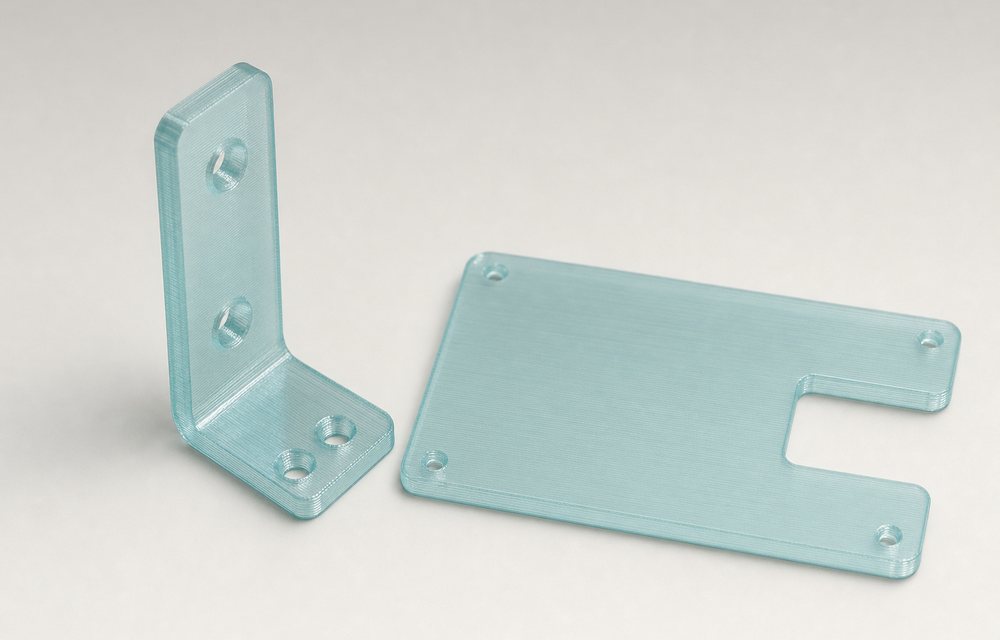
- General-purpose brackets
- Enclosure panels
- Structural supports
Chemical / Lab
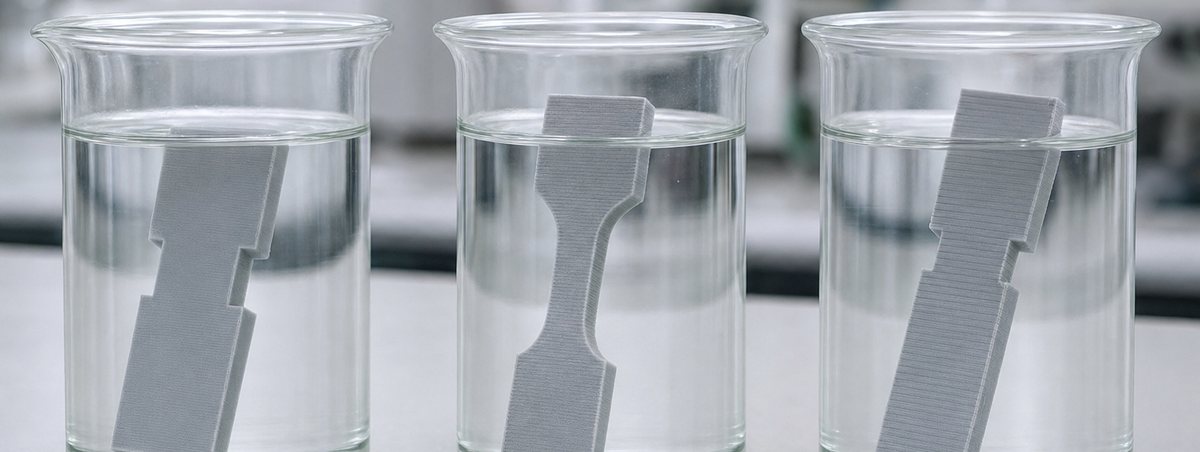
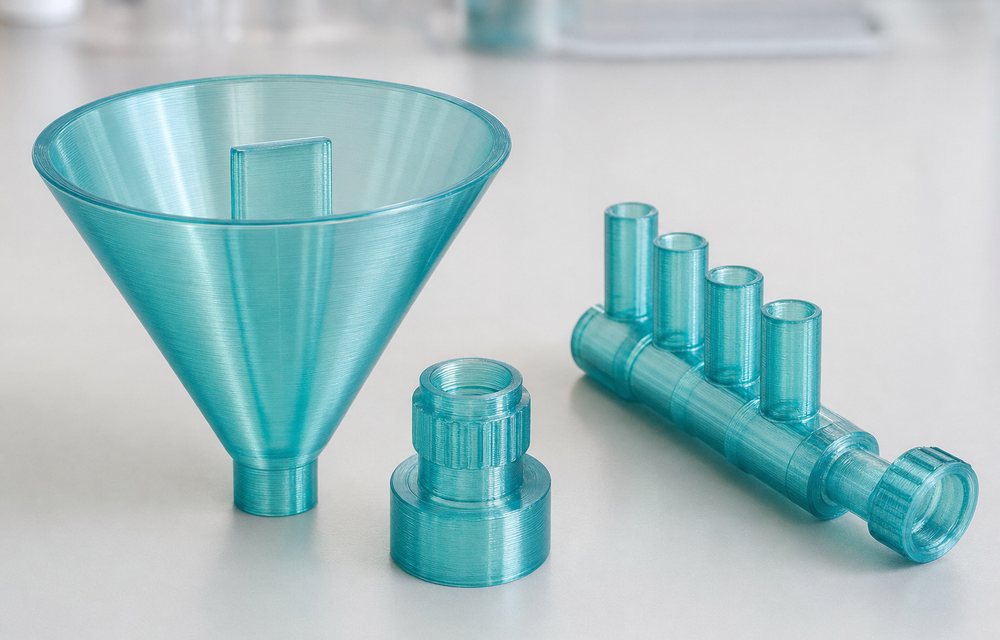
- Chemical-resistant containers
- Lab equipment components
- Fluid contact parts
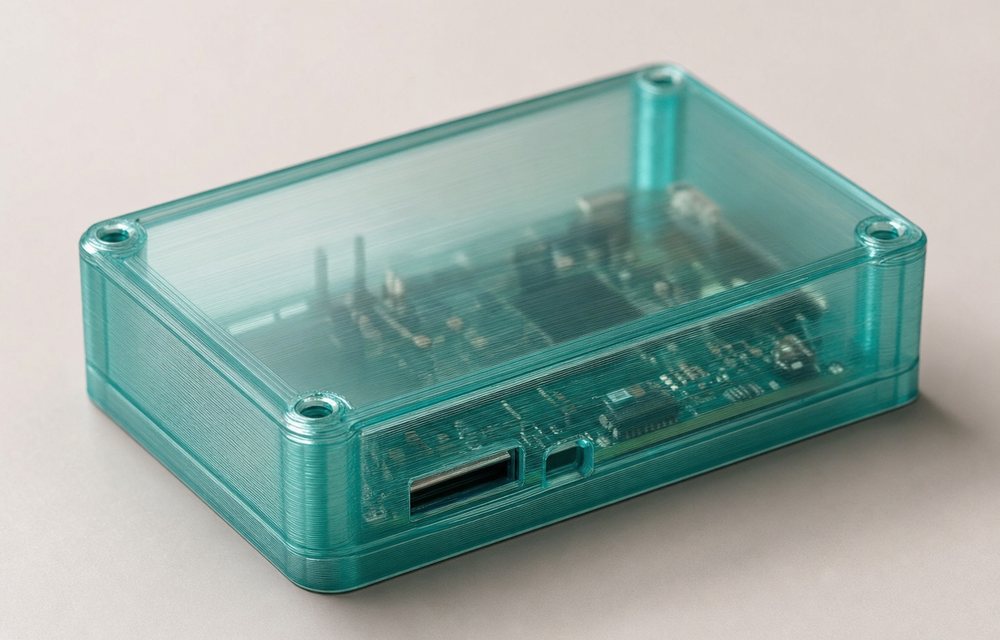
Electronics
- Translucent housings
- Cable management clips
- PCB enclosures
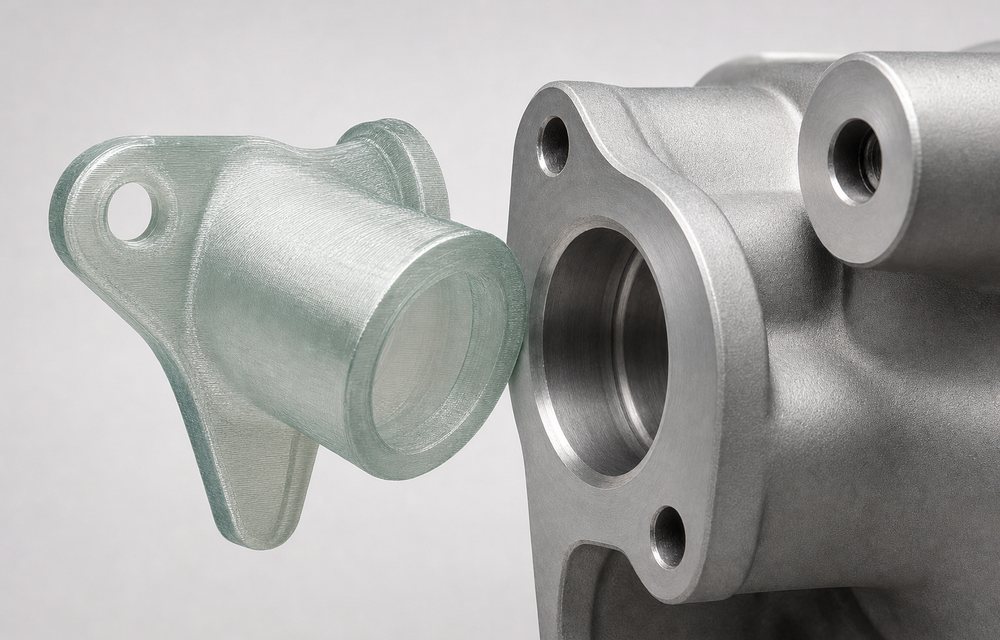
R&D / Prototyping
- Functional fit-check models
- Rapid iteration parts
- Test fixtures
Tensile Strength Across the Range (MPa)
Heat Deflection vs Tensile Strength
Available Materials
When to Use PETG, and When Not To
Use PETG when
- You need chemical resistance for solvents or dilute acids
- Easy printing with minimal warping or cracking
- Parts will see moderate mechanical loads and impacts
- Semi-transparent or clear aesthetics are desirable
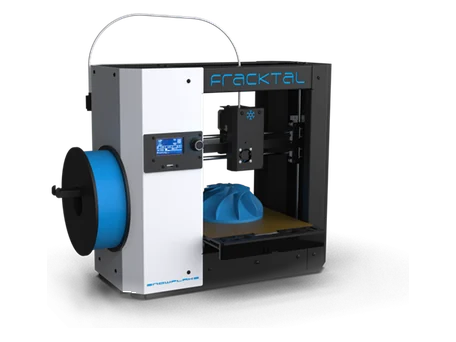
- A Snowflake desktop printer is the available machine
Avoid PETG when
- Operating temperature above 70 °C (use ABS or PC)
- Very high-stress or fatigue-critical structural parts (use Nylon)
- Surfaces that contact food or beverages (use food-grade alternatives)
- Parts requiring acetone vapour smoothing (use ABS)
DfAM Tips for PETG
PETG is forgiving nearly everywhere. The bed is where it isn’t.

Wall Thickness ≥ 0.8 mm
PETG layers bond well, so 2 perimeters give a solid wall. Use 3+ for structural parts.

Min Hole Diameter: 1.2 mm
PETG expands slightly on cooling. Add 0.1 mm clearance on precision fits.

Max Overhang: 50°
PETG bridges better than ABS. Use supports at 50° or beyond for critical surfaces.
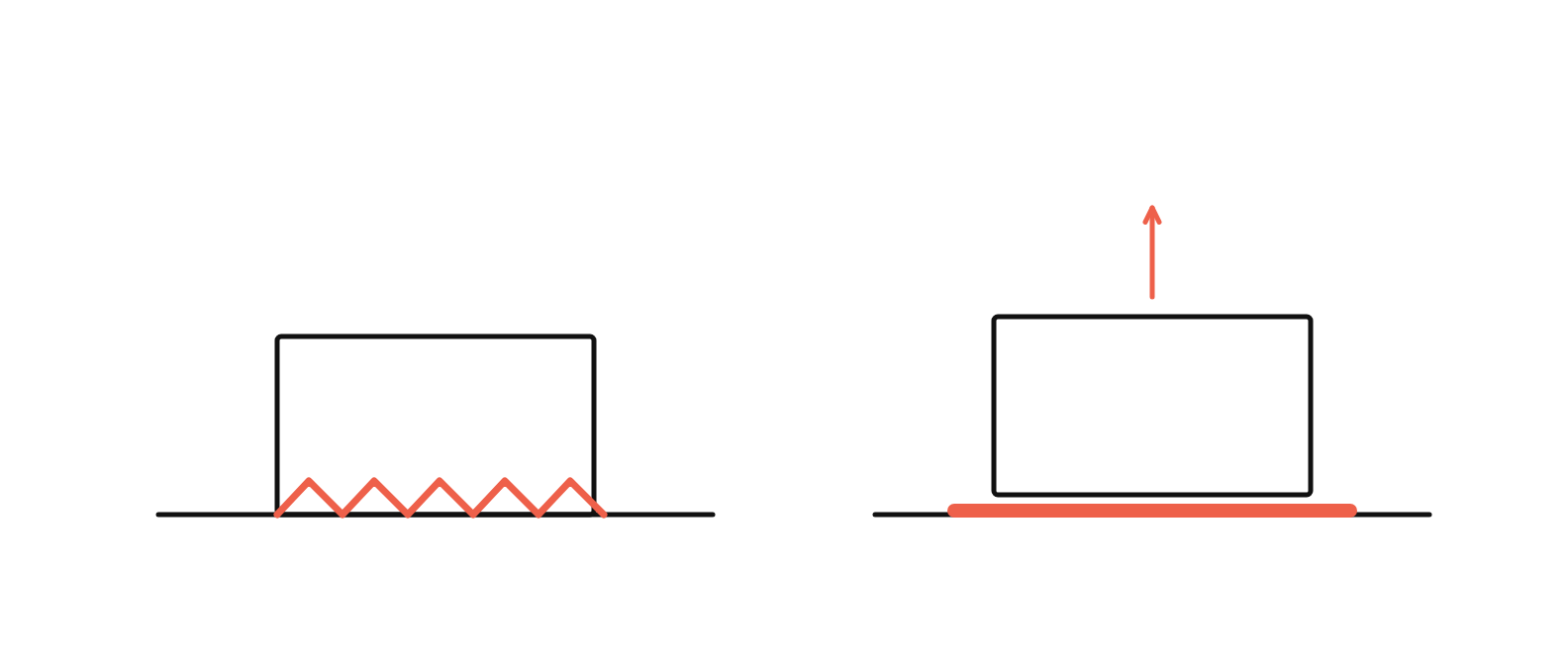
PEI Bed: Use Glue Stick
PETG sticks too aggressively to bare PEI. A thin layer of glue stick prevents tearing when removing prints.
Printers Compatible with PETG
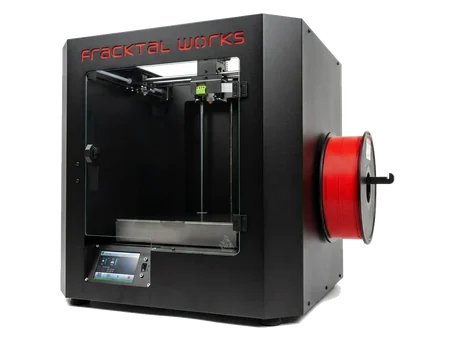
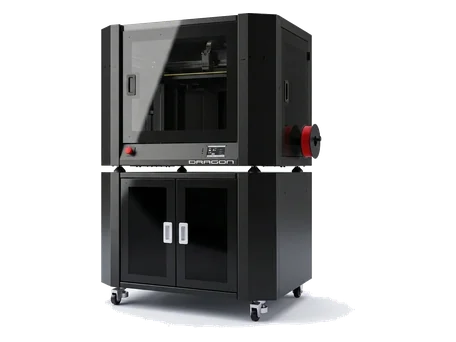
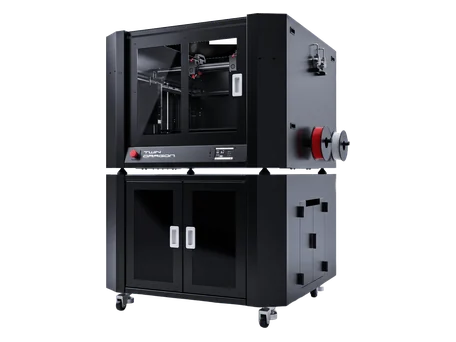
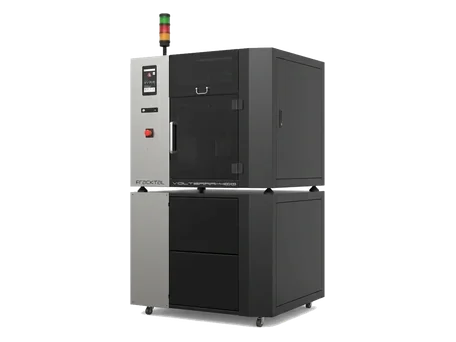
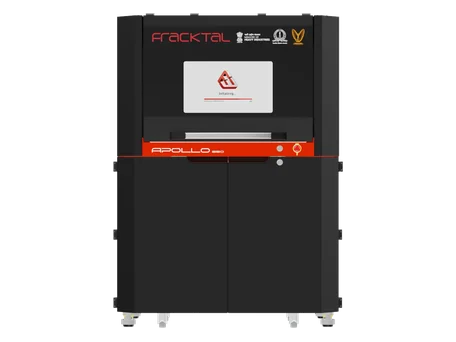
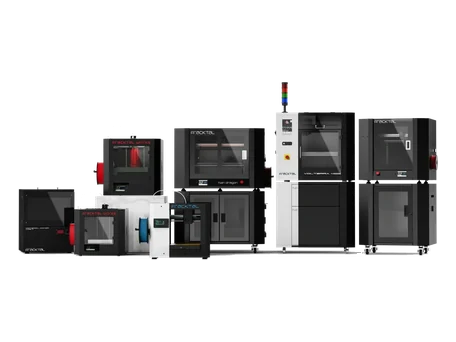
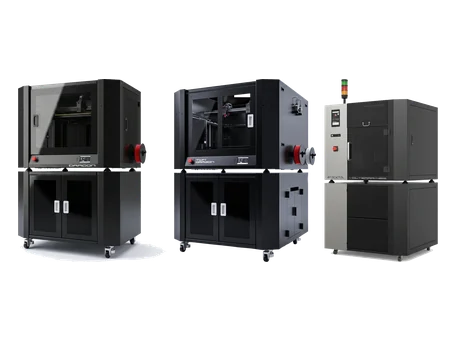
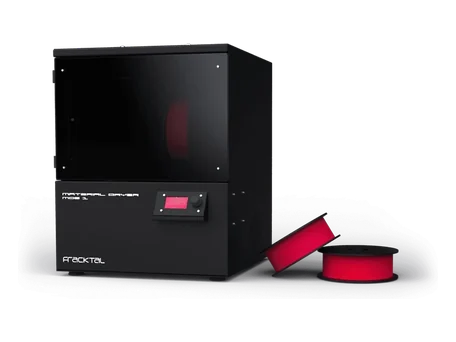
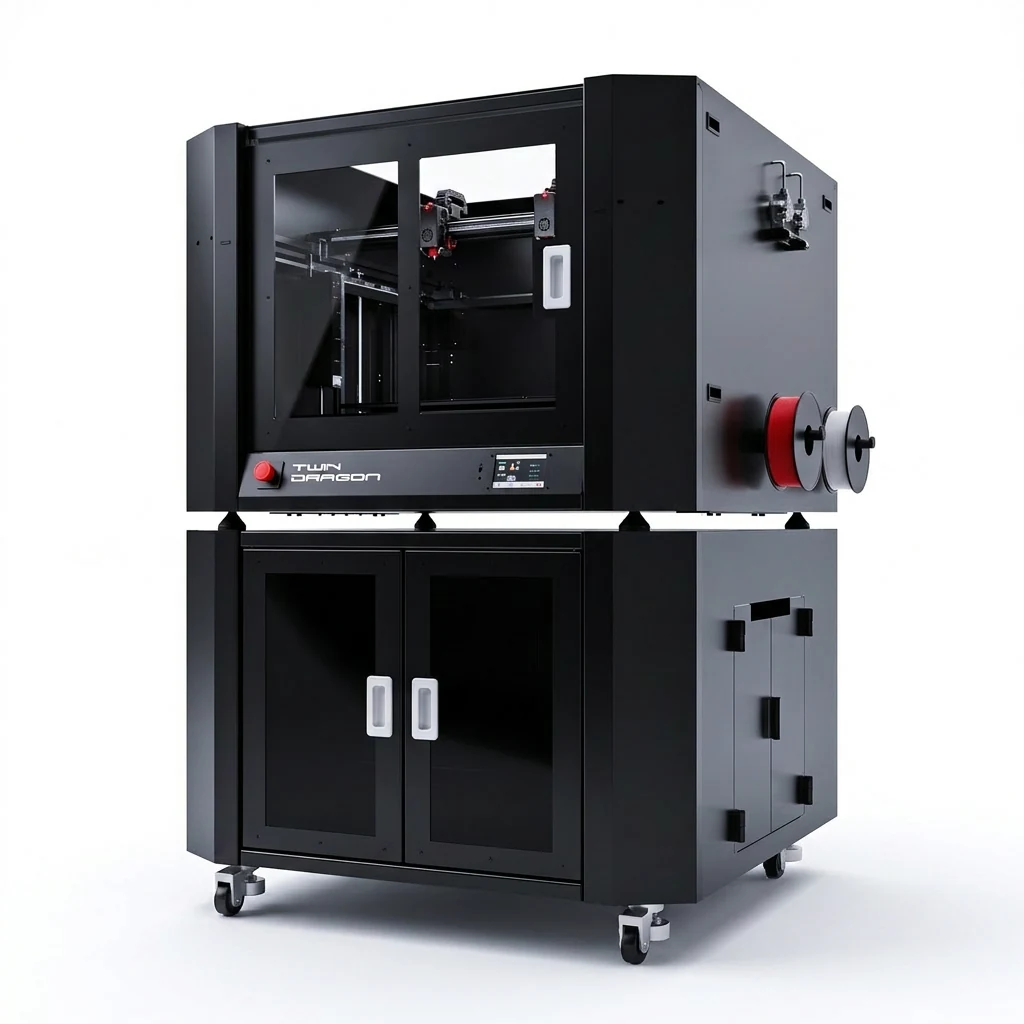
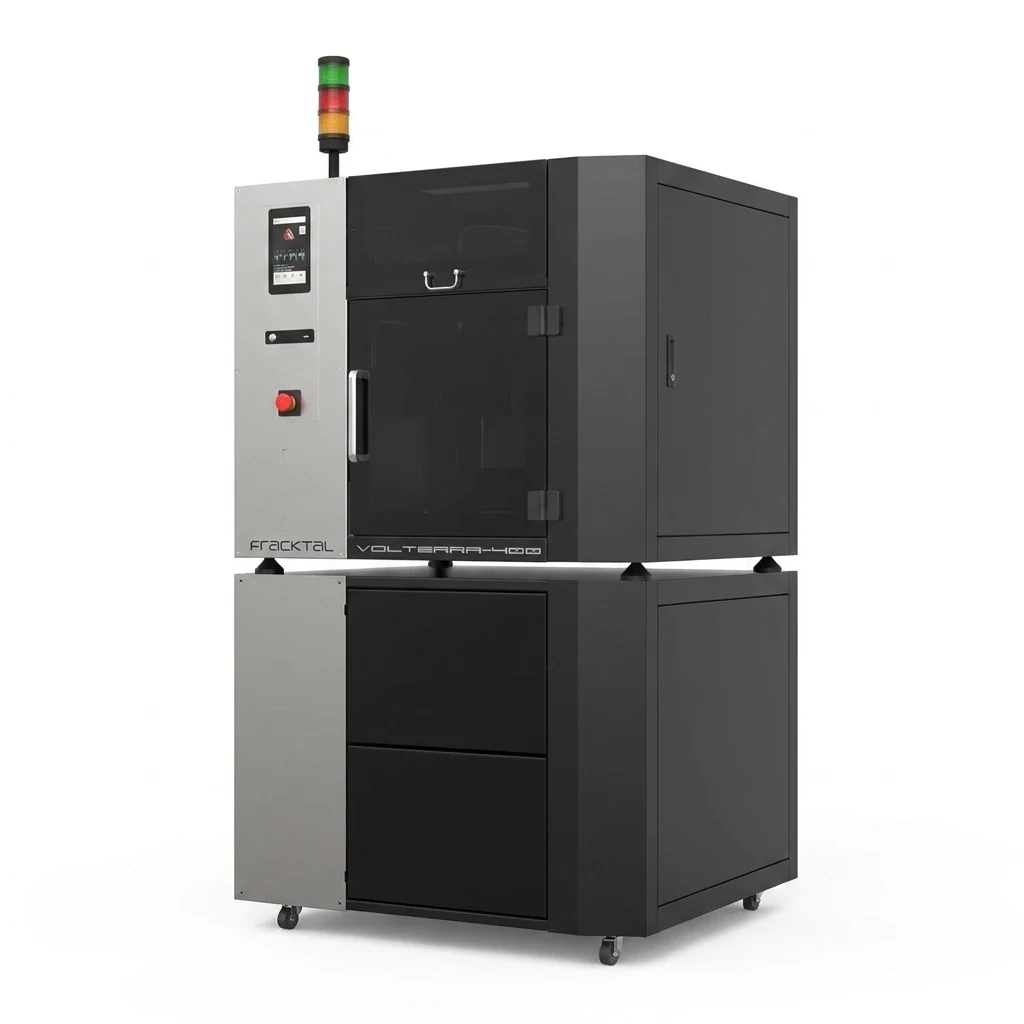
PETG prints easily on any Fracktal machine, including the open-frame Snowflake desktop printer. No enclosure required.


Ready to print in PETG?
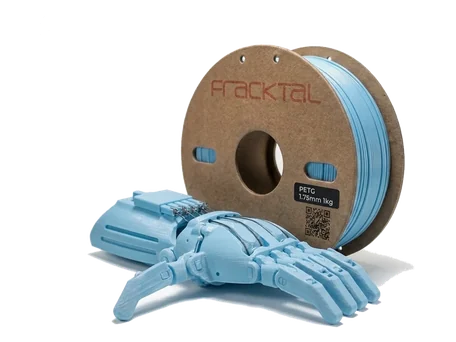
Fracktal PETG ships in available in 500 g and 1 kg spools.