









Automotive Prototypes
Automotive was the first industry to put additive to work and still uses it hardest — mostly not on the car, but on everything used to build and validate the car.
Trusted, recognised and featured











The Cabin Gets Hot, and PLA Does Not Survive It
A parked car in an Indian summer reaches 60–70 °C inside and considerably more on a dashboard in direct sun. PLA deflects at 53 °C, which is why the first cabin prototype anyone prints is usually found deformed a week later.
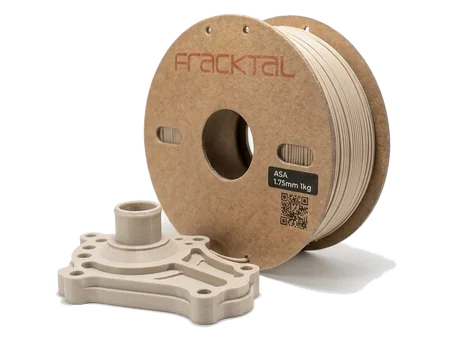
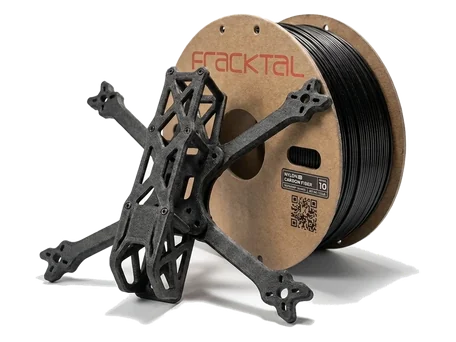
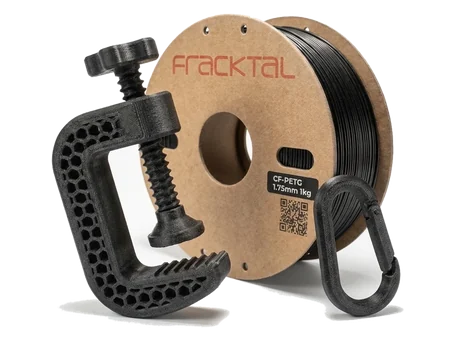
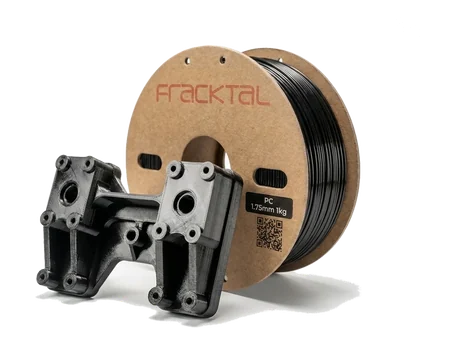
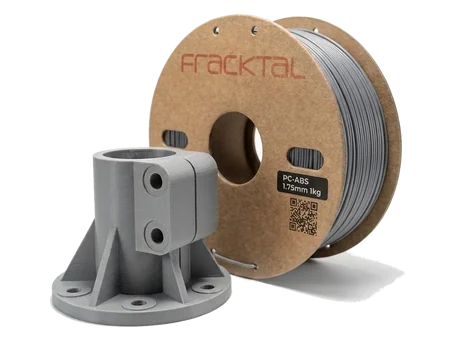
The materials that survive it are ASA (98 °C, and UV-stable, which matters as much as heat), PC-ABS (108 °C) and polycarbonate (134 °C). Under the bonnet the requirement goes further again, and carbon-fibre nylon at 145 °C is usually where it lands.
Six Things That Decide Whether It Works
The mistakes that come back to us, and how to design them out before the file is sent.
Specify the service temperature first
Cabin, boot, engine bay and exterior are four different material decisions. Decide which one the part lives in before anything else.
Anything you can see from outside wants ASA
UV is what kills exterior prototypes — colour first, then the surface, then the part.
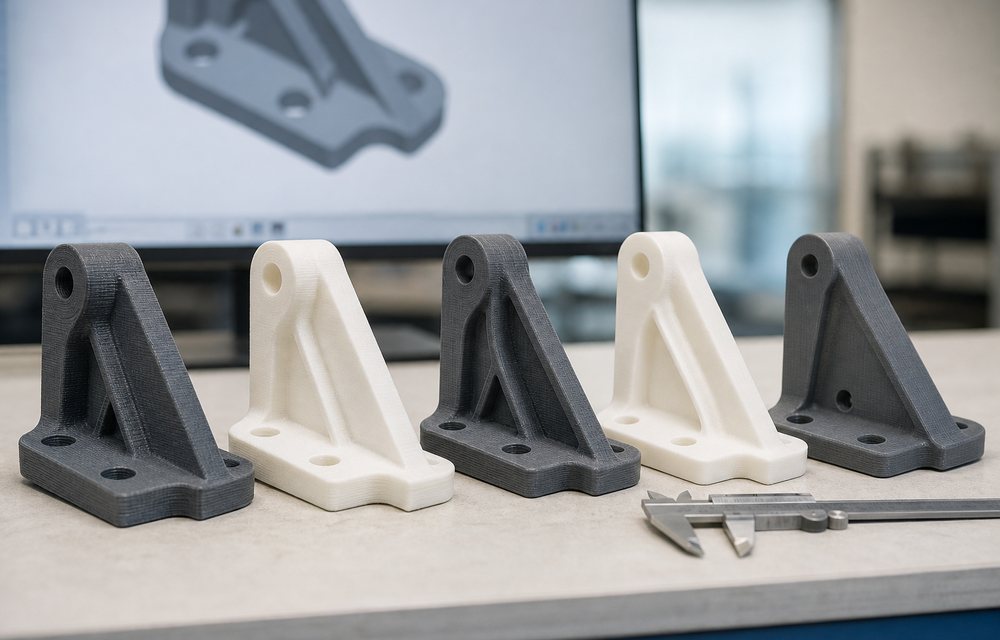
Checking fixtures want CF-Nylon
A fixture that deflects under the panel is measuring its own compliance.
Print the mating geometry, not the whole car
Fit checks only need the interface, and a smaller part is quicker to print and truer to the drawing.
Clip features across the layers will snap
Orient snap fits so the flexing arm bends along its layers, not across them.
Grain and paint come after
Vapour smoothing on ABS/ASA then primer and paint gets a trim prototype to review quality.
Which Material for Which Part
| The part | Process & material | Why |
|---|---|---|
| Exterior / visible part | FDM · ASA | UV-stable, holds colour and surface |
| Cabin and trim | FDM · PC-ABS | 108 °C, machinable, good finish |
| Under-bonnet | FDM · PC or CF-Nylon | 134 °C and 145 °C heat deflection |
| Checking fixture | FDM · CF-Nylon | Stiff and dimensionally stable |
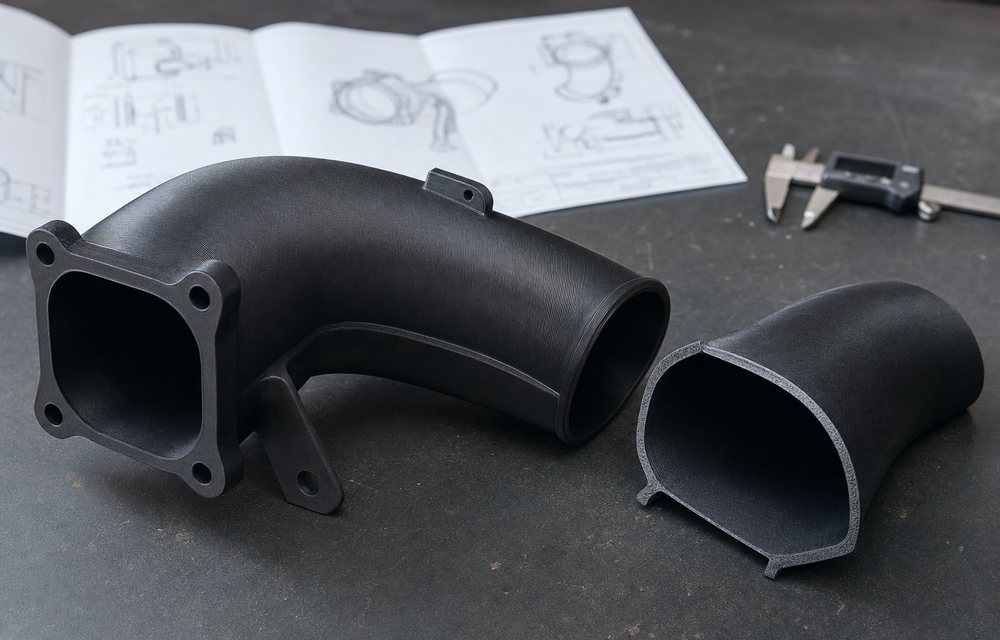
| Ducting and manifolds | SLS · Nylon 12 | Smooth internal passages, no supports |
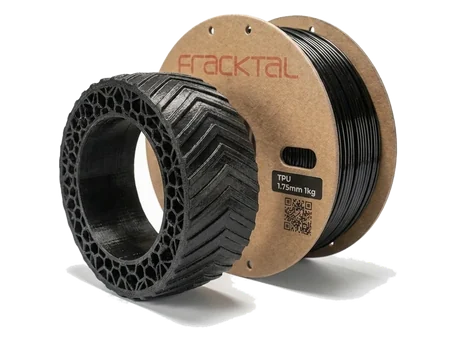
| Seals and grommets | FDM · TPU 95A | Flexible and abrasion resistant |
How We Would Make It


SLS 3D Printing
Nylon powder bed. No supports, so geometry stops being the constraint.


Vacuum Casting
Moulded-looking parts in colour, without a steel tool.

Finishing & Assembly
Sanded, painted, inserted and assembled before it ships.
People Who Print This Also Print

Jigs & Fixtures
The single highest-return thing anyone prints. A fixture is needed in ones, changes constantly and is used hard — every property that makes machining it expensive makes printing it obvious.

Functional Prototyping
A prototype earns its cost by telling you that you were wrong, quickly. Printed in the polymer the production part will use, it tells you that under load rather than on a screen.

End-Use Parts
Somewhere between ten parts and ten thousand, tooling stops making sense. Additive fills that gap with parts that go into the product, not into a review.
Send us the part
Upload the file, tell us the quantity and say what the part has to survive. What comes back is a price and a design-for-manufacturability review.