


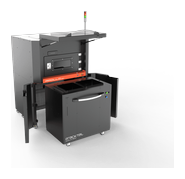








Material Dryer System
Introducing MDS1 — a state-of-the-art filament moisture-control solution. Over half of new filaments need drying before they print well; MDS1 keeps your feedstock dry, consistent and print-ready, so the machine downstream can do its job.

Trusted, recognised and featured








Over 50% of New Filaments Need Drying
Most engineering polymers — Nylon, PC, PETG, TPU and composites — are hygroscopic: they pull moisture straight out of the air. Wet filament steams in the hotend, and that shows up as stringing, poor layer bonding, brittle parts and rough surfaces.
MDS1 removes that variable. Filament goes in wet and comes out consistently dry — the single cheapest way to make every downstream print more reliable.
Dry, All the Way Through

Say Goodbye to Production Flaws
Moisture damage is expensive precisely because it’s invisible until the part fails — stringing, blobs, weak layers and dimensional drift that cost you machine time, material and rework.
Drying first turns those failures off at the source: fewer reprints, less scrapped filament, shorter time-to-part and far less variability between runs.
The Hidden Costs of Moisture Damage
Wet filament doesn’t just ruin prints — it quietly drains time, throughput and material long before a part ever fails.
Wasted Man-Hours
Time lost planning drying, researching the right parameters and handling material by hand.
Longer Time to Part
Filament must be dried before it prints well — hours, sometimes days — delaying scheduled production.
Machine Downtime
Full utilisation is hard when feedstock has to be planned and dried days in advance.
Variability
Even by the book, results drift — initial humidity, ambient conditions and handling all move the outcome.
Extra Devices Needed
Once dried, filament needs yet more equipment to keep it in good condition.
Material Degradation
Repeated heat cycles over a spool’s life eventually degrade the material itself.
Built to Save Time, Money and Material
Fast
Intelligent
User-Friendly
Safe
Real ROI
Customers Also Explore

Snowflake
The reliable, plug-and-play desktop printer — quality parts straight out of the machine, up to 280°C.
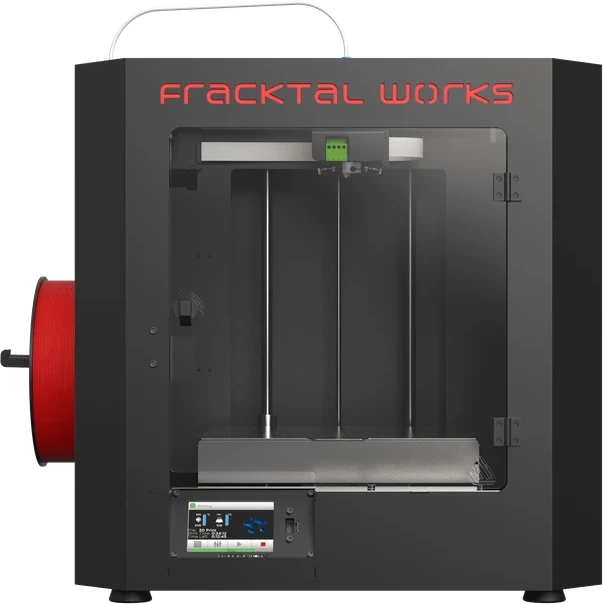
Julia
Professional desktop printing for education and innovation — IoT, integrated camera and 60µm resolution.
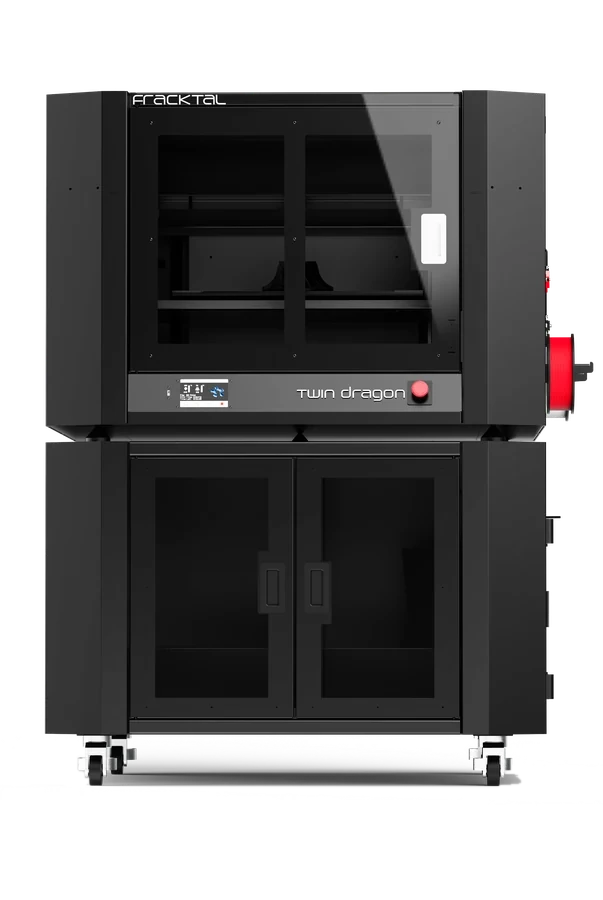
Twin Dragon
Independent dual extrusion up to 600×600×400mm — two-colour, dual-material, mirror and duplication printing.
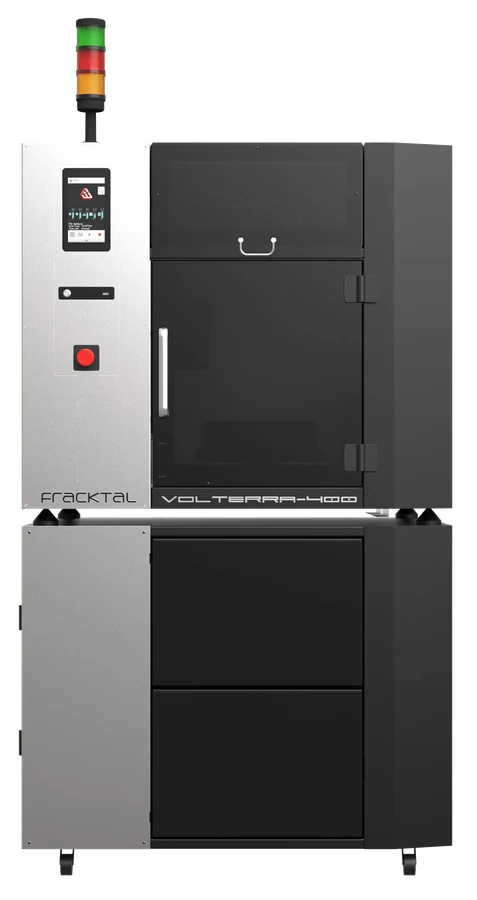
Volterra
High-temperature, large-format FFF for the toughest engineering polymers — 450°C hotend and 90°C chamber.

Dragon
The single-extruder industrial workhorse — large, demanding parts in engineering-grade materials.

PrintStick™
Mess-free, water-washable bed adhesive for a firm first layer on any build surface.
Material Dryer, Answered
What types of filament can be dried?
How does it ensure even moisture removal?
Can I dry multiple spools at once?
Is it easy to use and maintain?
Can it handle high-volume production?
Keep Every Print Dry
Pair MDS1 with any Fracktal printer — or your existing fleet — and take moisture out of the equation for good.