













PP Filament
(Polypropylene)
The lightest and most chemically inert filament there is — and the only FDM material that gives you a living hinge worth the name.

Quick Reference
- Material properties
- Engineering / Chemical Resistant
- Polypropylene (PP)
- None
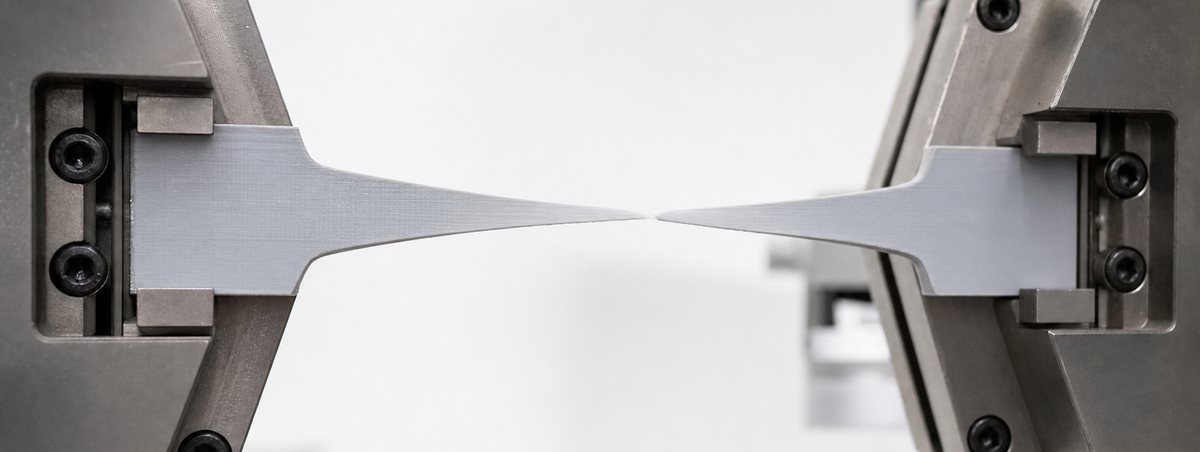
- 28 MPa
- No Break (Izod notched, ASTM D256)
- 100 % (50–200 %)
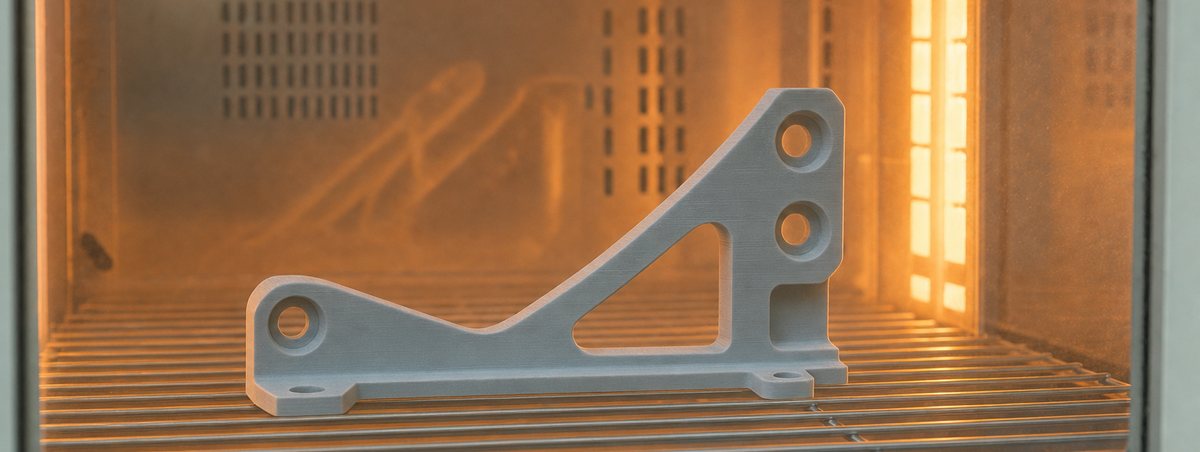
- 92 °C @ 0.455 MPa
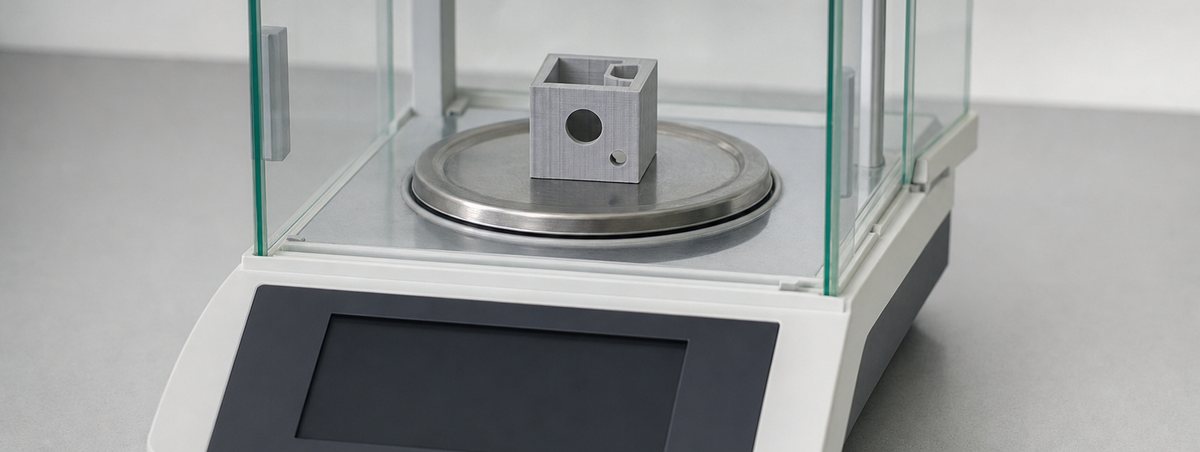
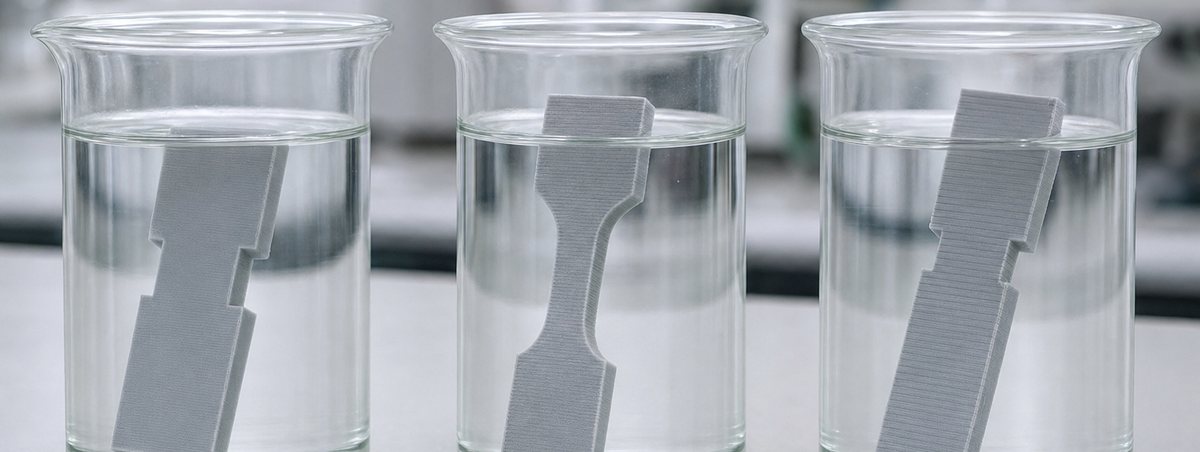
- 0.90 g/cm³ — floats on water
- Excellent — acids, bases and solvents
- 0.02 % — effectively none
- 230–240 °C
- 85–95 °C
- PP tape or a PP build sheet — PP sticks to PP
- Recommended — shrinkage is 0.8–1.5 %
- Welds to itself; will not take paint or glue
Material Property Profile
Values scored 0–10 from measured mechanical data and print process behaviour. Select a material above to compare properties.
Key Properties
What polypropylene actually does — and the two numbers that decide whether it is the right answer.

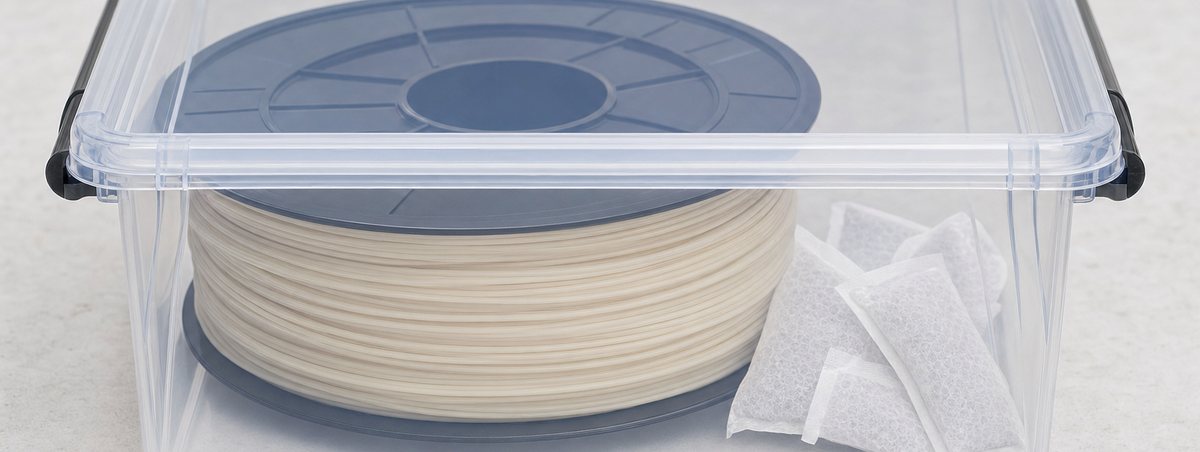
Machine Requirements
PP is not hard to melt. It is hard to make stay on the bed — and these are the thresholds that decide the print.
| Requirement | Minimum Spec | Recommended |
|---|---|---|
| Nozzle Temperature | 220 °C | 230–240 °C |
| Bed Temperature | 80 °C | 85–95 °C |
| Build Surface | PP packing tape | Dedicated PP build sheet |
| Enclosure | Draught-free | Enclosed (warp control) |
| Part Cooling Fan | 20 % | 30 % — PP crystallises slowly |
| Print Speed | 25 mm/s | 30–40 mm/s |
| Retraction | 1 mm | 1–2 mm, direct drive |
PP only sticks to PP. No glue stick, no hairspray and no PEI sheet will hold it. Print onto polypropylene packing tape or a PP build sheet and the adhesion problem disappears; use anything else and the first layer lifts before the part is 10 mm tall. PP needs a surface of its own — which build plate holds what.
Applications by Industry
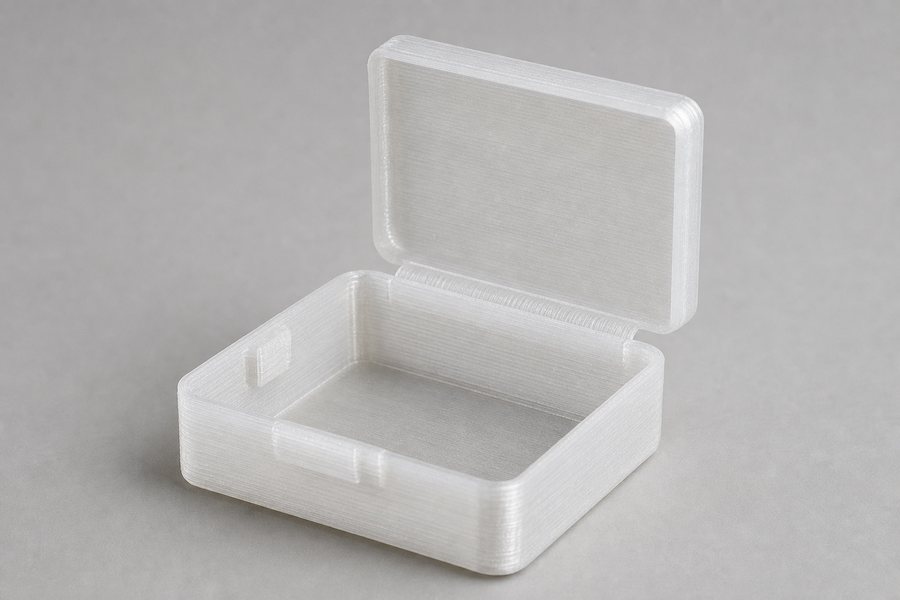
Consumer / Packaging
- Living hinges
- Snap-fit lids and cases
- Waterproof enclosures
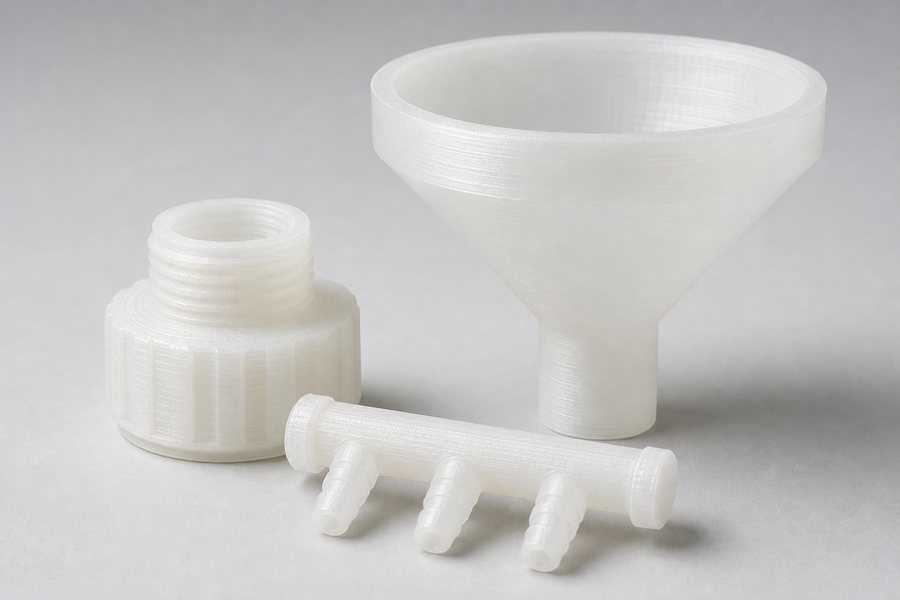
Chemical / Laboratory
- Chemical tanks and funnels
- Laboratory fixtures
- Fluid handling components

Medical
- Orthotic devices
- Prosthetic components
- Device housings

Industrial
- Acid-resistant components
- Battery housings
- Chemical-resistant gaskets
Tensile Strength Across the Range (MPa)
Heat Deflection vs Tensile Strength
Available Materials
When to Use PP, and When Not To
Use PP when
- The part needs a living hinge — nothing else survives the cycles
- Chemical resistance decides the job (acids, alkalis, solvents)
- You want the lightest possible part: 0.90 g/cm³
- The part lives in water or constant humidity
- You want a tough part that dents rather than cracks
Avoid PP when
- Stiffness matters — PP is ductile, not rigid
- You cannot print onto a PP surface (adhesion will fail)
- Tolerances are tight — shrinkage is high and variable
- The part must be painted or bonded — PP has very low surface energy
- The part carries sustained load at temperature (creep)
DfAM Tips for PP
Design rules that get a printed polypropylene part to behave like a moulded one.

Living hinge: 0.3–0.5 mm, and mind the orientation
Lay the part out so the extrusion runs ALONG the hinge axis, not across it. A hinge printed the wrong way round splits on the first close; printed the right way it will run thousands of cycles.

Wall thickness ≥ 1.0 mm
Three perimeters for anything structural. PP is ductile, so thin walls flex rather than break, but they also warp more.

Min hole diameter 1.5 mm, and oversize the bore
Shrinkage runs 0.8–1.5 %, well above ABS. Add 0.2–0.3 mm to any bore that has to fit something.

Put a brim on every flat part
A 5–8 mm brim on PP tape is the difference between a flat base and a taco. Large footprints want a raft.

Max overhang 45°, max bridge 12 mm
With cooling held down at 30 % PP bridges poorly. Support anything past 45° from vertical.
Printers Compatible with PP
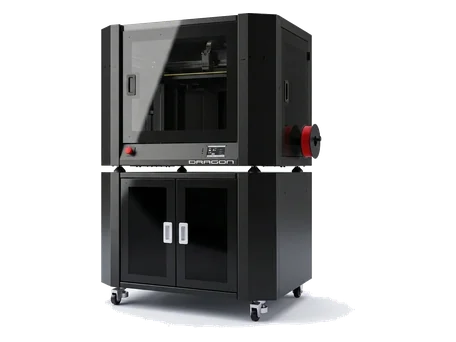
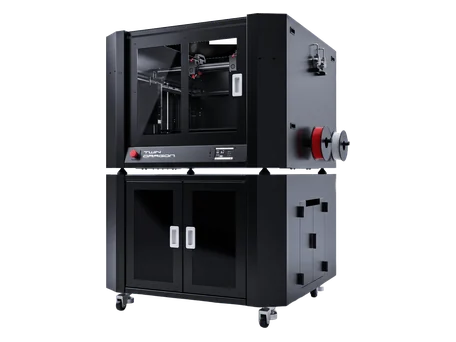
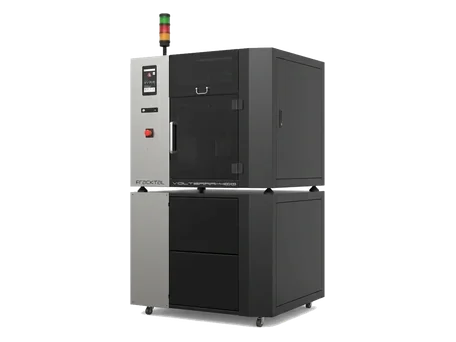
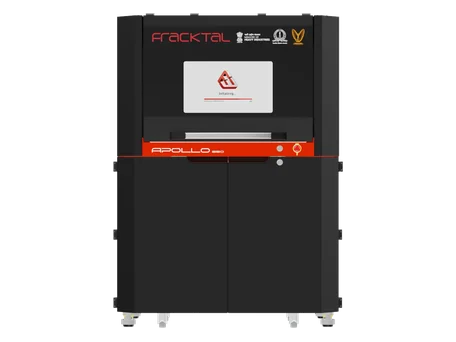
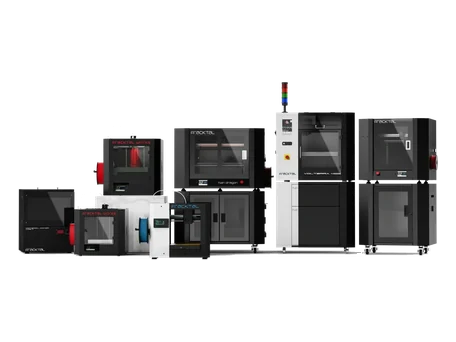
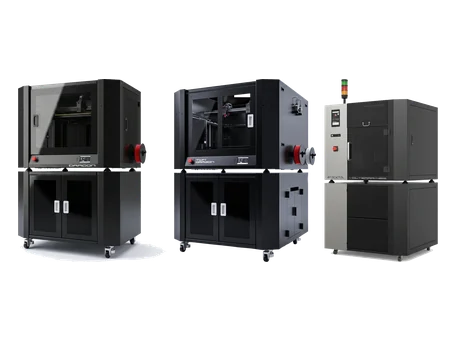
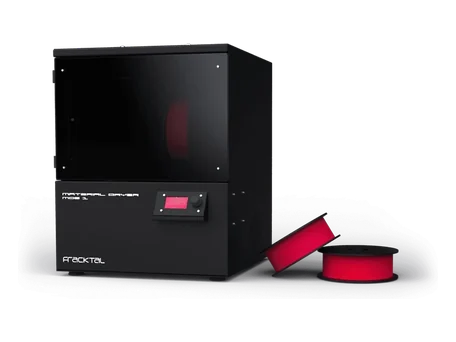
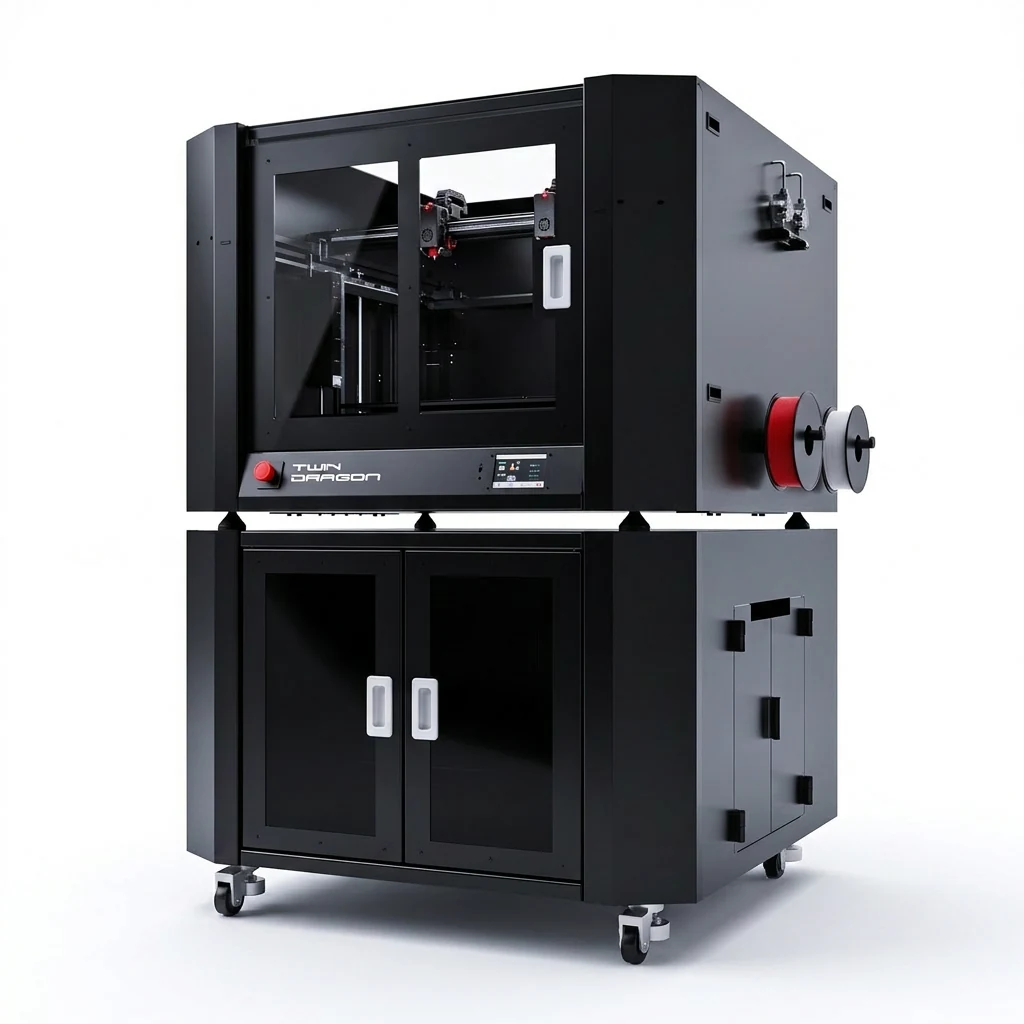
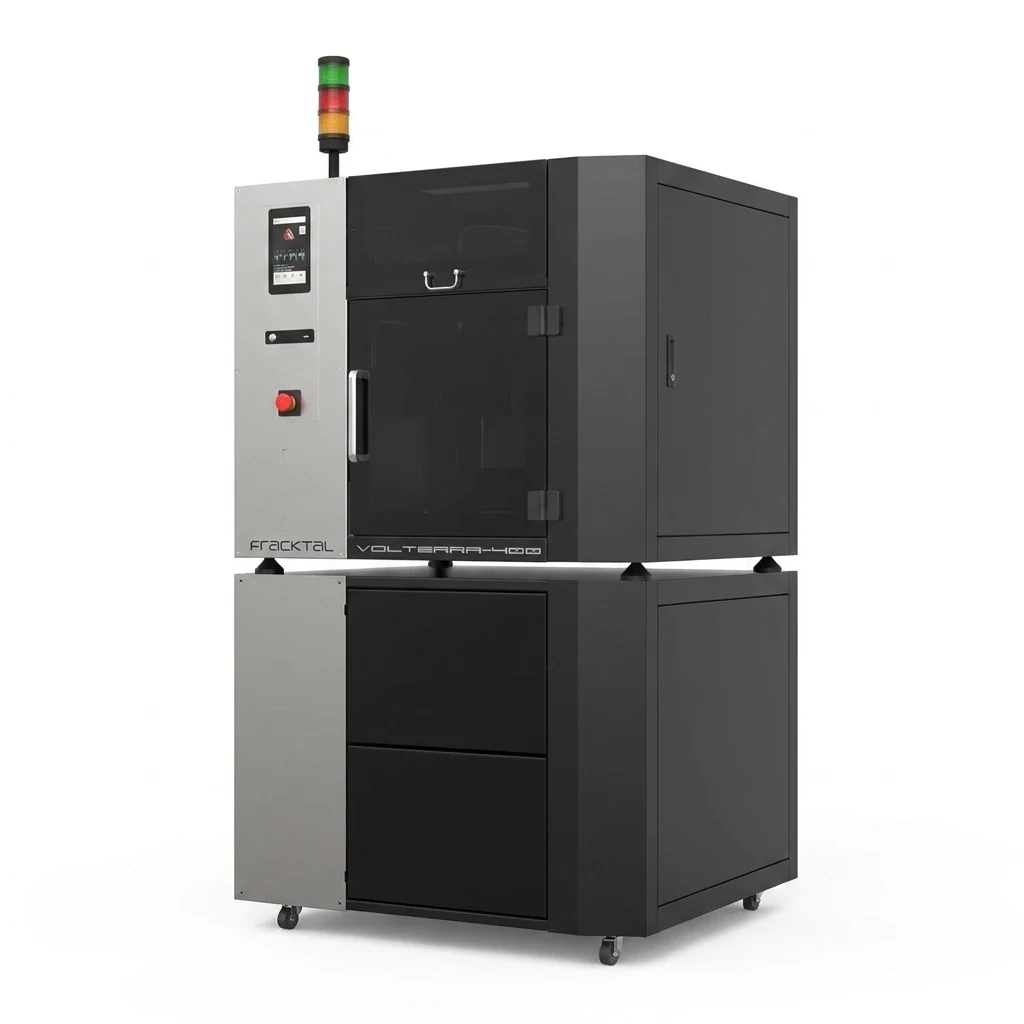
PP wants a heated bed, a draught-free chamber and a build surface it will actually stick to. Dragon, Twin Dragon, Julia Advanced and Volterra all qualify.


Ready to print in PP?
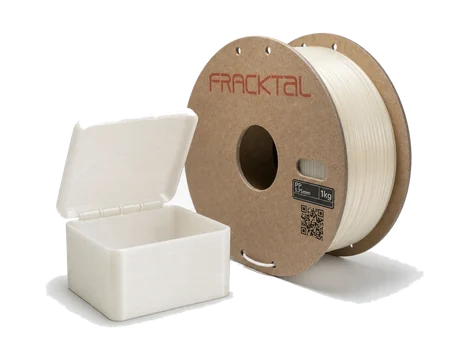
Fracktal PP ships in 1 kg spools, 1.75 mm.