









3D Printing for Automobile
The industry that put additive manufacturing to work first, and still uses it hardest — not for the car, for everything around building the car.

Trusted, recognised and featured











Jigs, fixtures and the parts that build the car
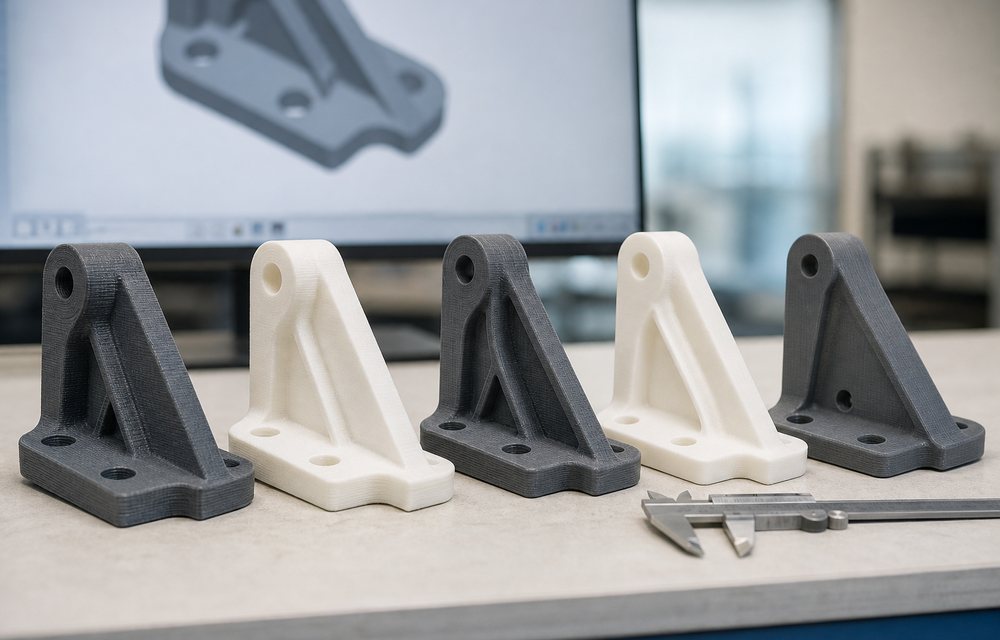
Almost nothing an automotive team prints ends up on a customer’s car. It ends up in the plant: checking fixtures, assembly jigs, weld-line gauges, trim clips for a mule, end-of-arm tooling for the cell that fits this month’s variant.
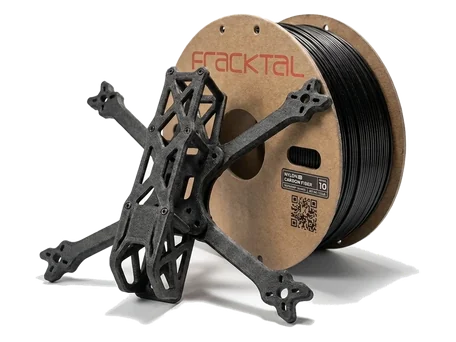
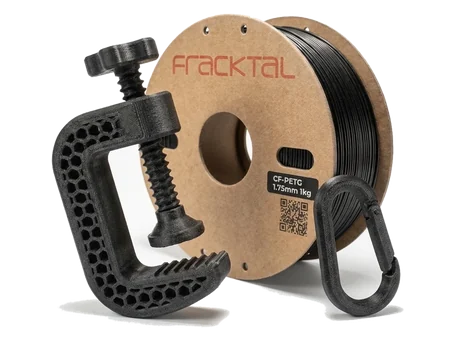
Those parts are made in ones and twos, changed constantly, and used hard. Machining them is slow and expensive; printing them in carbon-fibre nylon or PETG puts a revision on the line the morning after the decision to change it.
What Automobile Teams Print
Checking fixtures & gauges
Printed to the CAD, changed when the CAD changes, and light enough to lift onto the bench.
End-of-arm tooling
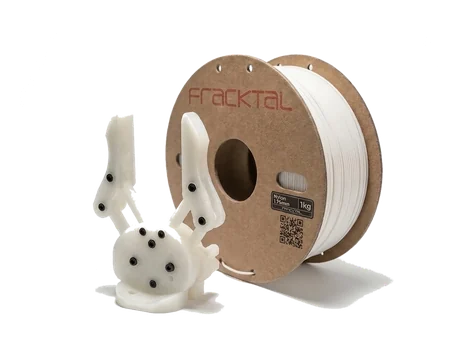
Carbon-fibre nylon grippers that are stiff, light and specific to the part being handled.
Cabin & trim prototypes
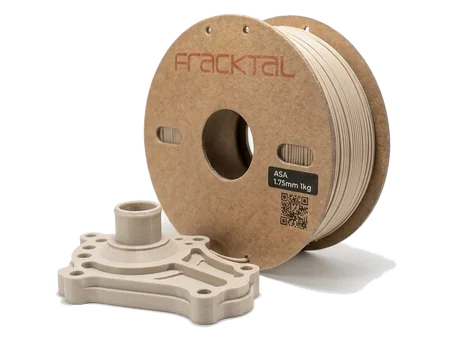
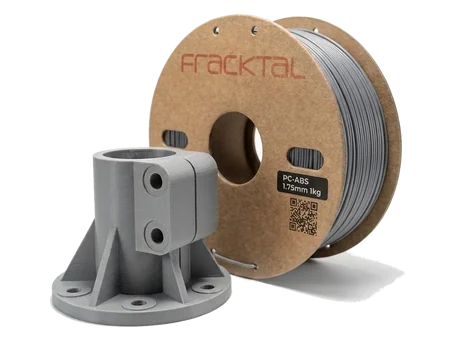
Full-size, in ASA or PC-ABS, so a fit check is a real fit check.
Under-bonnet prototypes
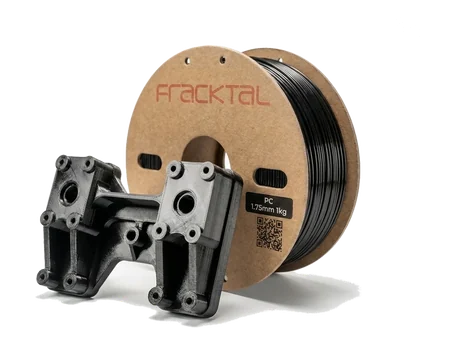
Polycarbonate and CF-Nylon where the part has to survive the temperature.
Low-volume spares
Obsolete and low-runner parts printed on demand rather than tooled and warehoused.
Assembly aids
Poka-yoke fixtures, alignment guides and protective covers made in an afternoon.
Which Process for Which Part
| The part | Process & material | Why |
|---|---|---|
| Checking fixture | FDM · CF-Nylon | Stiff, dimensionally stable, survives the shop floor |
| Trim prototype | SLA or FDM · ASA | Finish for review; UV-stable if it goes in a vehicle |
| Under-bonnet part | FDM · PC or CF-Nylon | Heat deflection above the operating temperature |
| End-of-arm tooling | SLS or FDM · Nylon | Light, complex, no supports to remove from channels |
| Ducting & manifolds | SLS · Nylon 12 | Smooth internal passages a support could not be removed from |
| Spare-part run | HP MJF · Nylon 12 | Repeatable properties across a batch, dyed black |
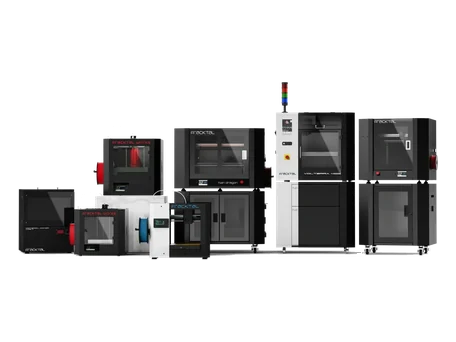
What We Would Put On the Floor
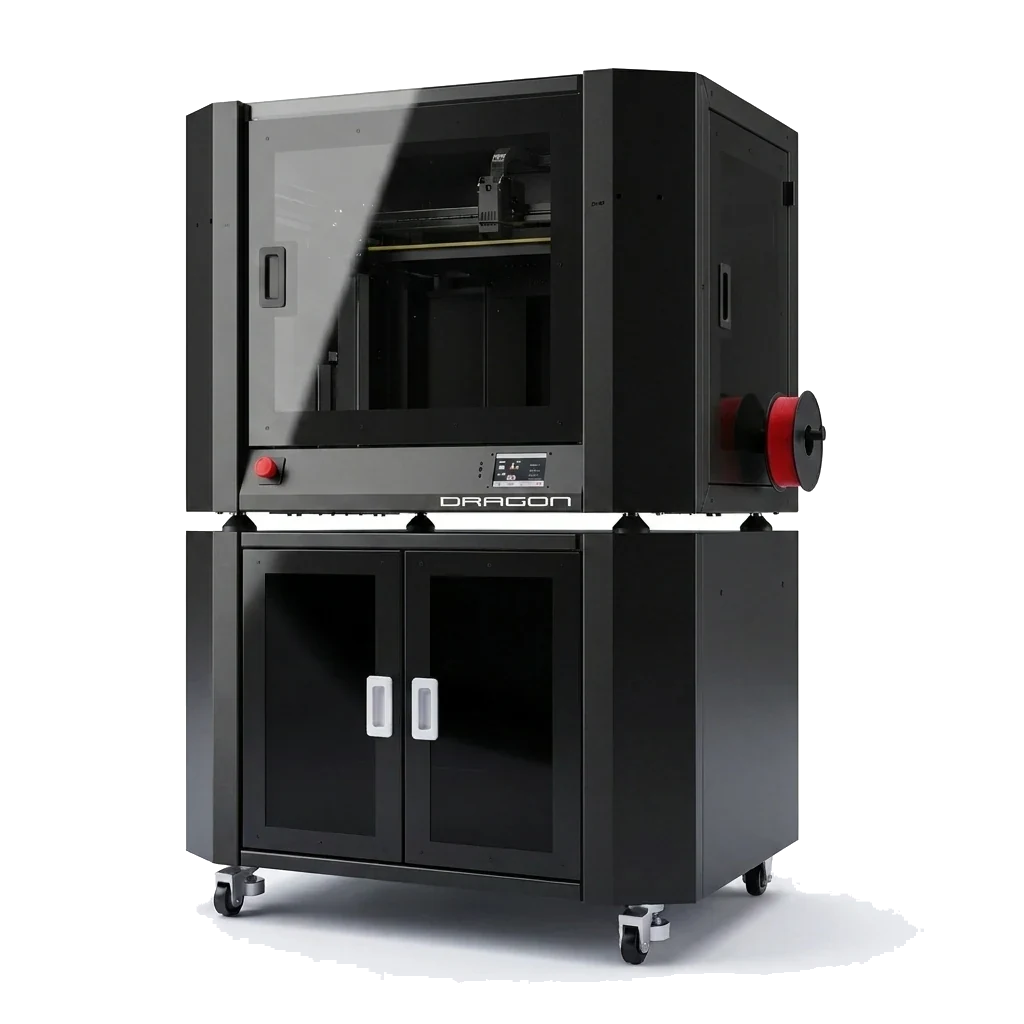
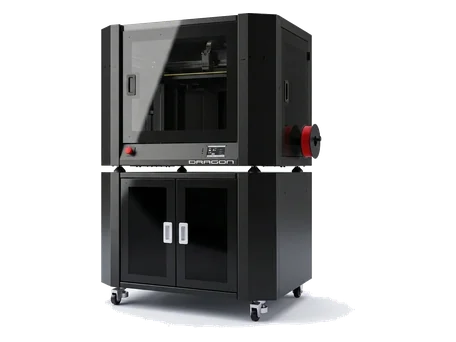
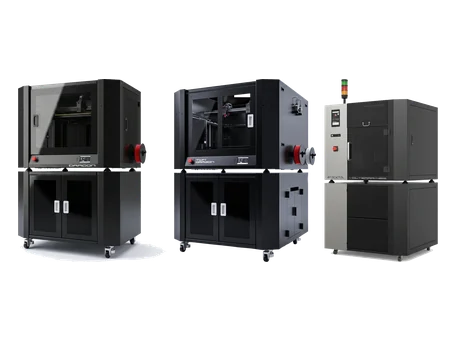
Dragon
High-speed industrial FDM to 600 mm/s, in three sizes up to 700×400×400 mm.
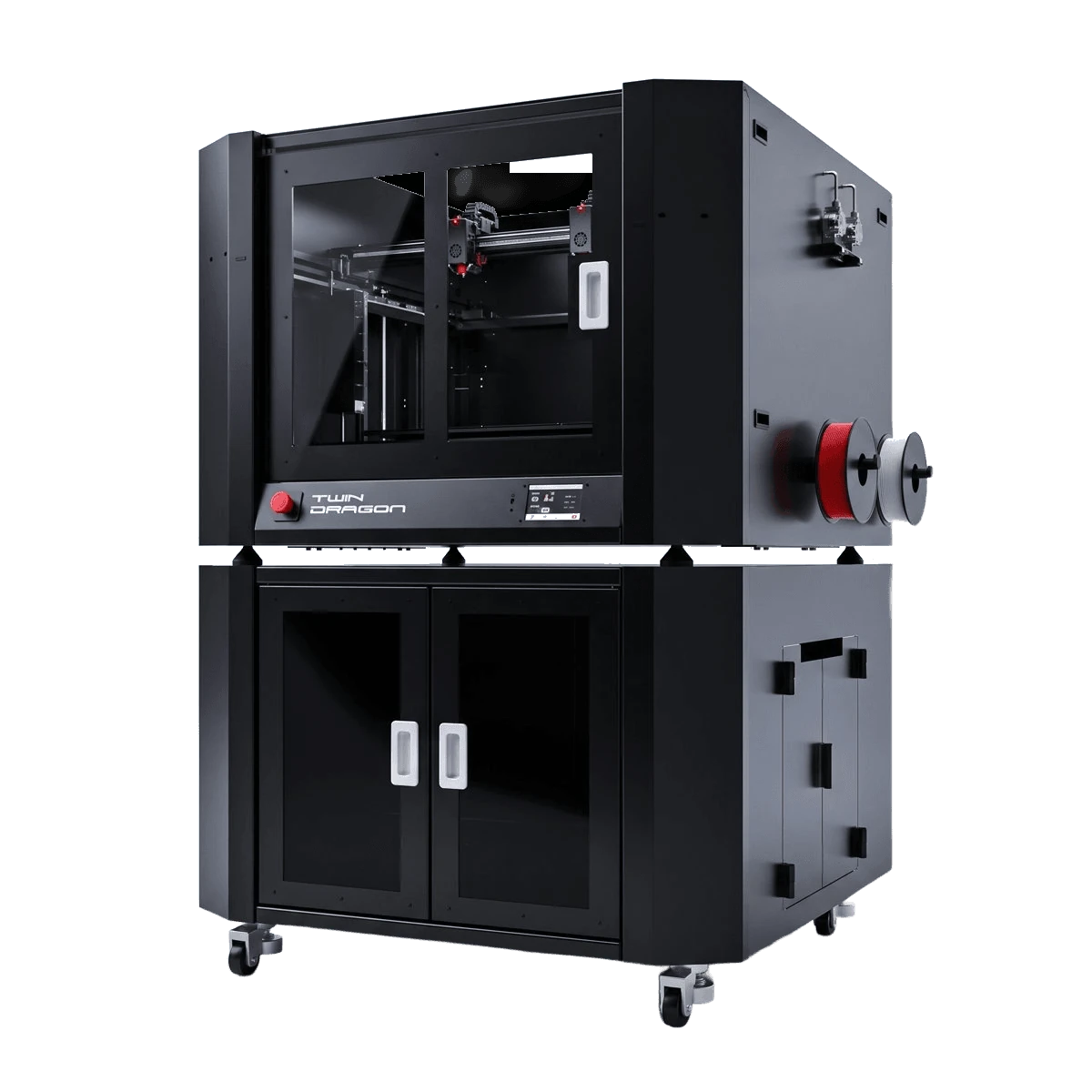
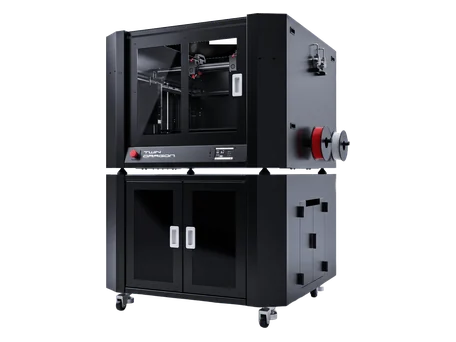
Twin Dragon
Independent dual extrusion to 600×600×400 mm — two materials, mirror and duplication modes.
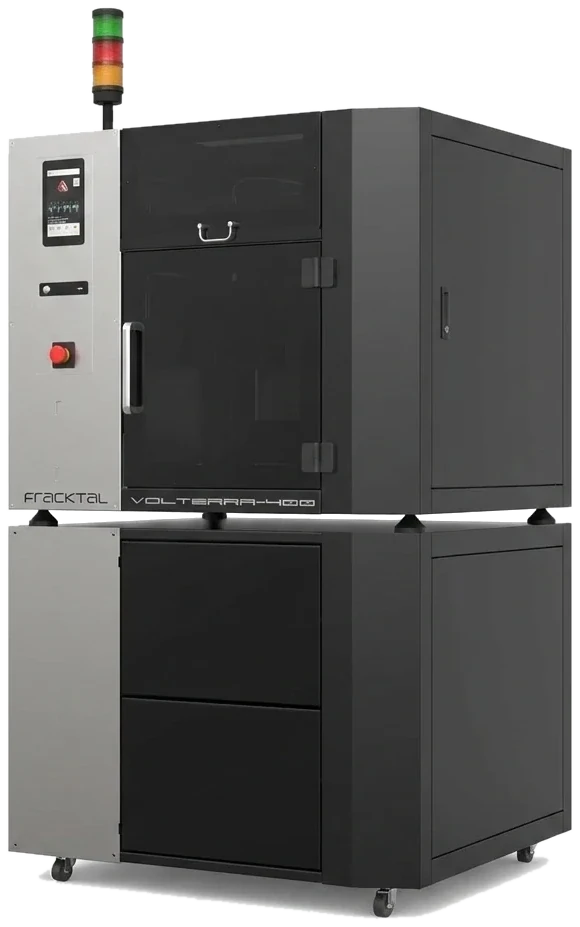
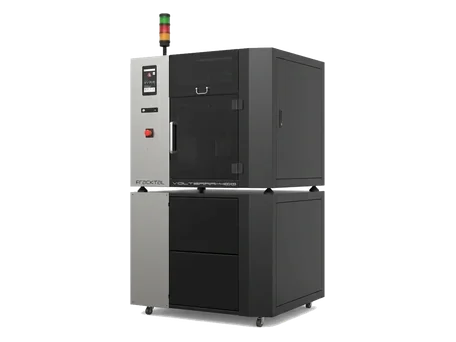
Volterra
450 °C hotend and a 90 °C heated chamber for the toughest engineering polymers.
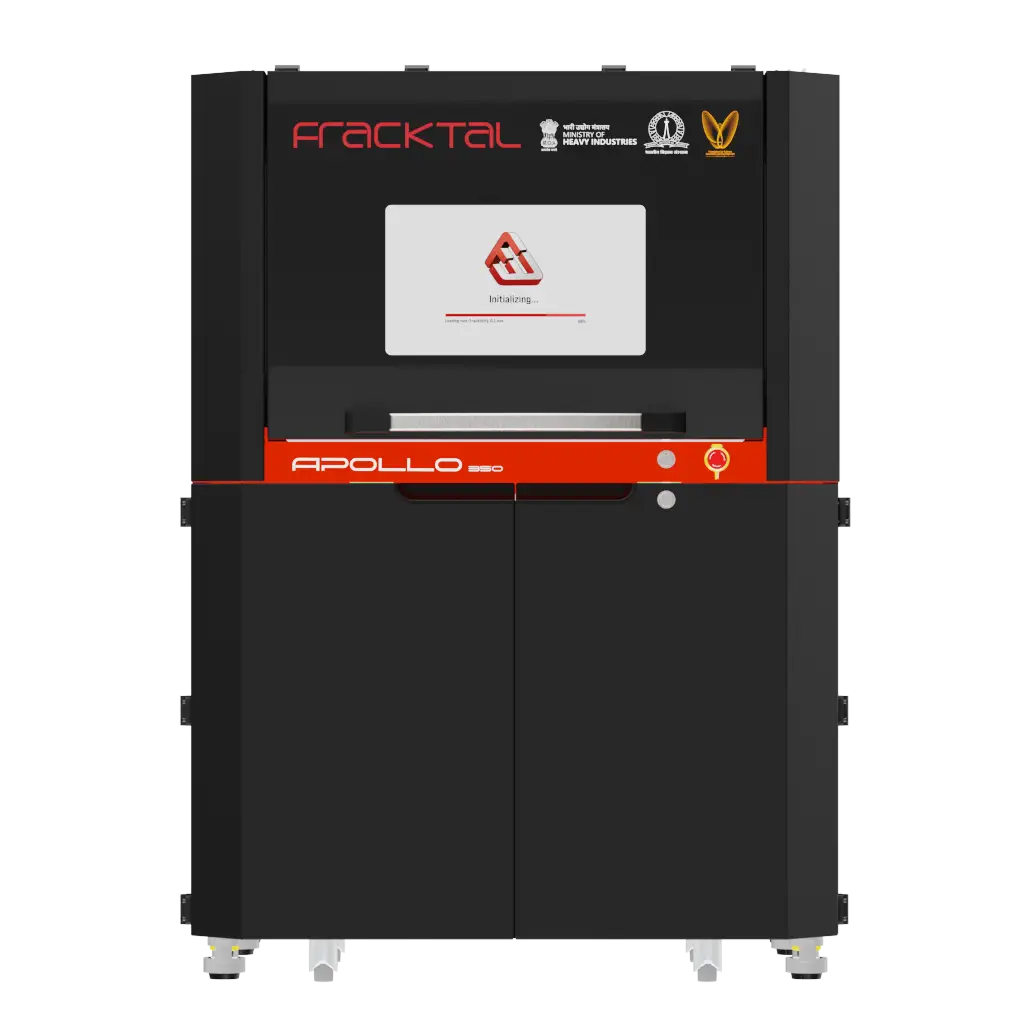
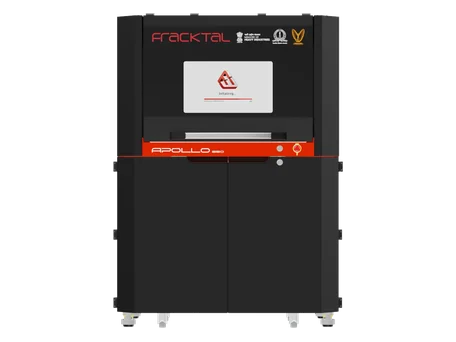
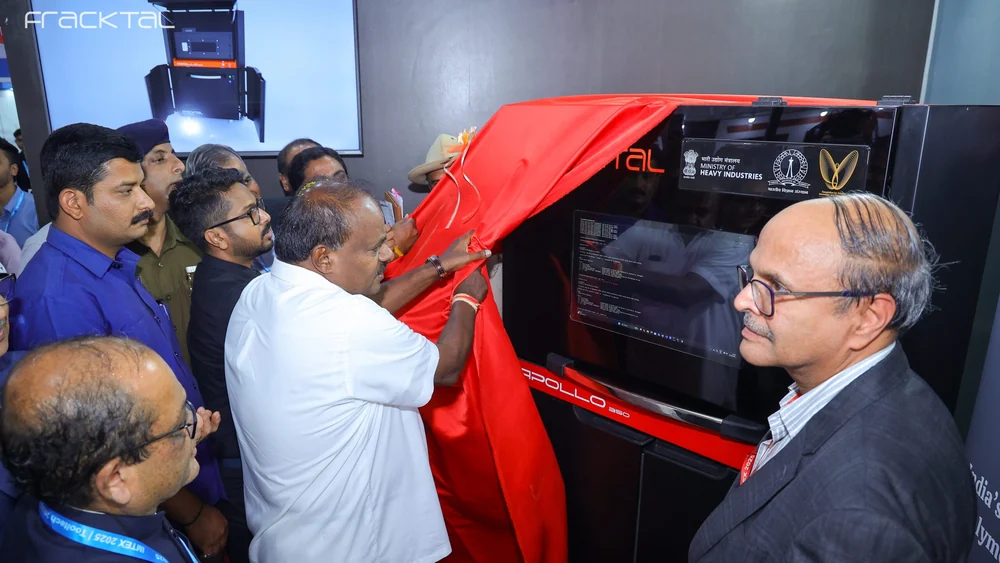
Apollo SLS
Production-grade laser sintering — nylon parts with no supports and full geometric freedom.

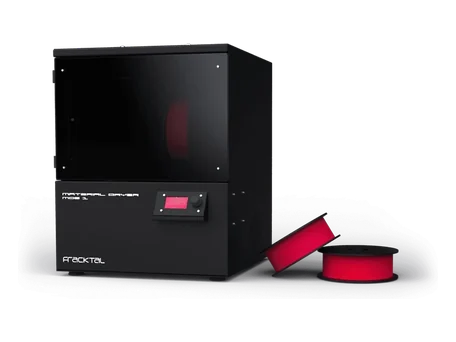
Material Dryer (MDS1)
Keeps hygroscopic filament print-ready, so the material stops being the variable.
Not Ready to Buy a Machine?


SLS 3D Printing
Nylon powder bed. No supports, so geometry stops being the constraint.


Vacuum Casting
Moulded-looking parts in colour, without a steel tool.

Finishing & Assembly
Sanded, painted, inserted and assembled before it ships.
Put additive to work in automobile
Tell us the part, the quantity and what it has to survive. We will tell you whether to print it, cast it or machine it, and what that costs.