










FDM vs SLA vs SLS
Three processes that make plastic parts from the same file, and produce parts so different that comparing their prices is almost meaningless. Here is what each one actually does, where each one wins, and how to tell which one your part wants.
Trusted, recognised and featured











What Each One Actually Does
FDM — melt and place
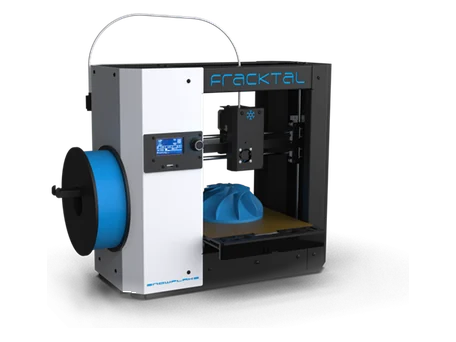
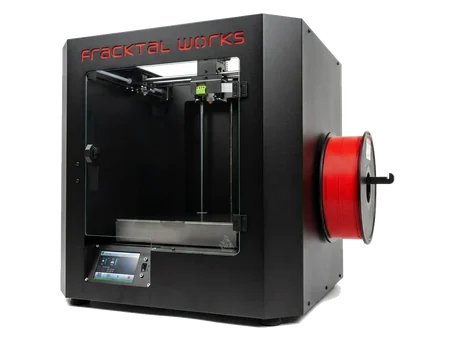
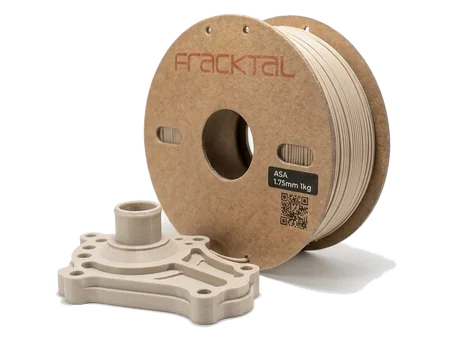
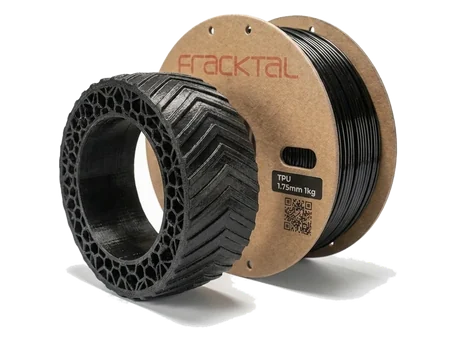
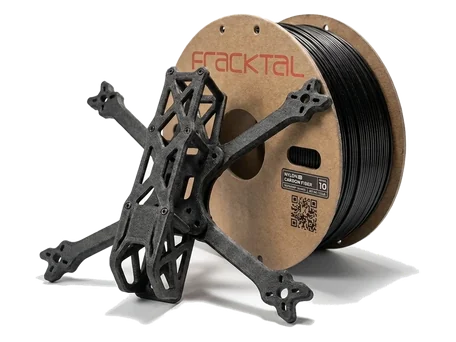
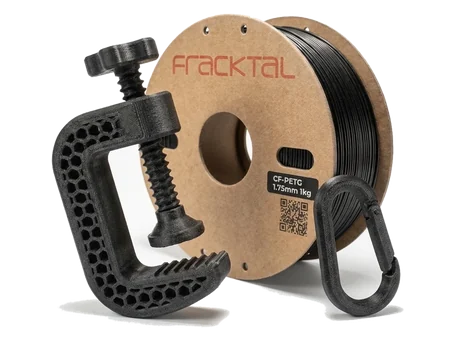
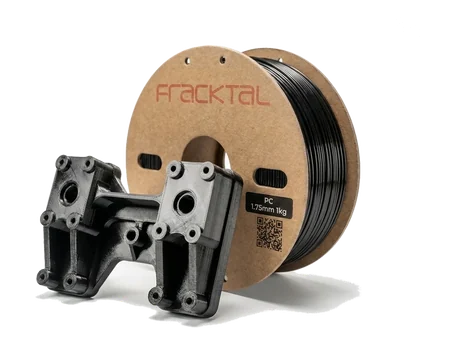
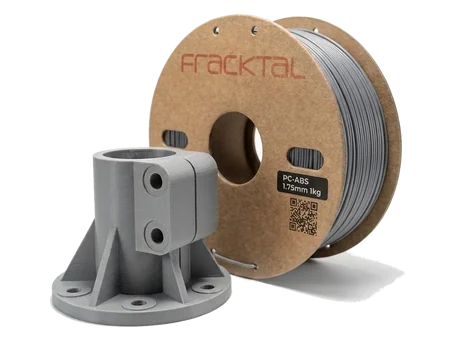
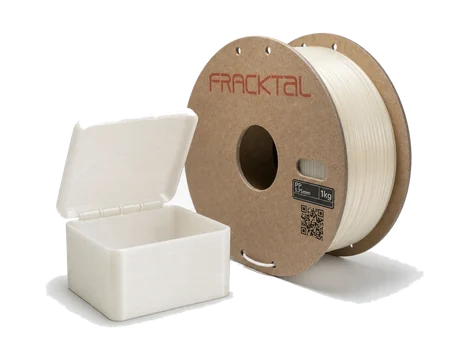
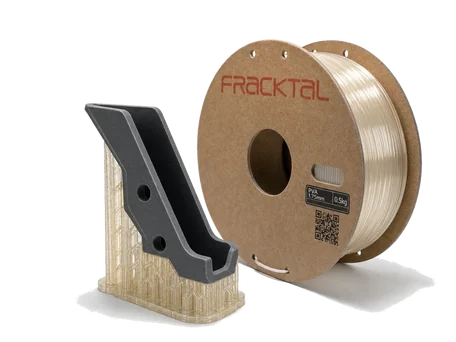
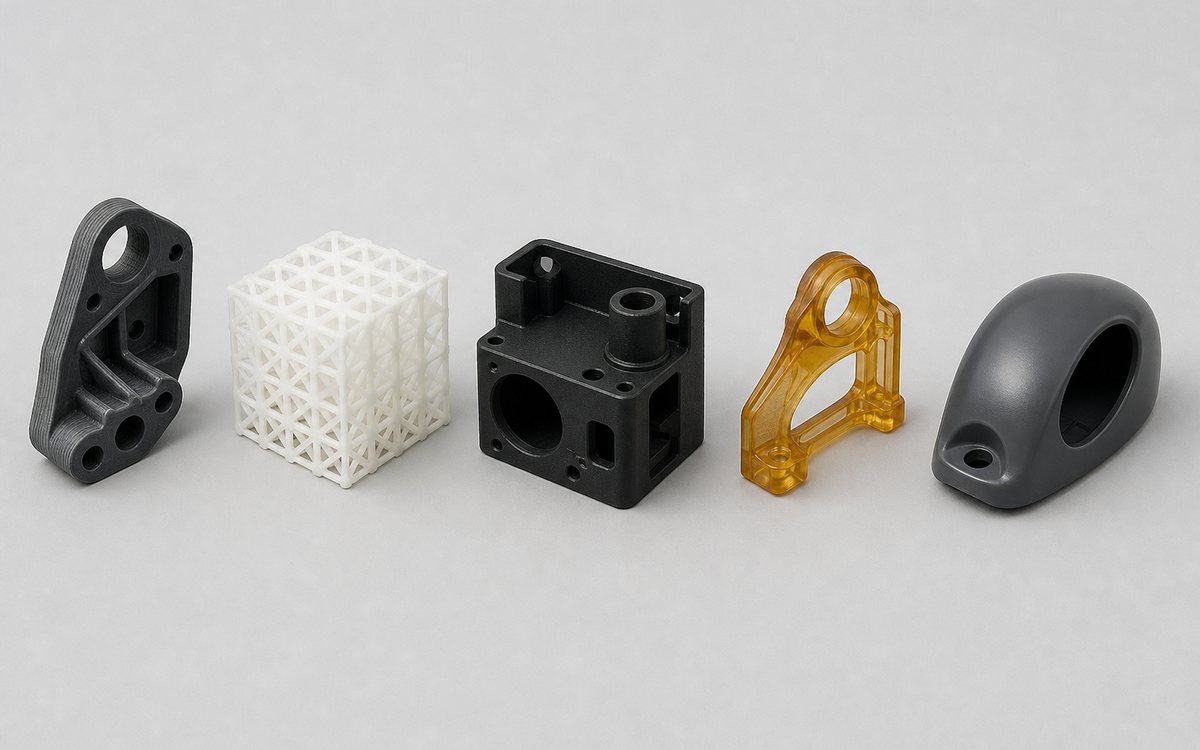
A thermoplastic filament is melted and laid down one road at a time. The part is the same polymer that went in on the spool, which is why an FDM part in polycarbonate behaves like polycarbonate.
SLA — cure with light
A laser cures liquid photopolymer point by point. No molten road and no powder grain, so the surface comes off the machine smooth and the detail is the finest of the three.
SLS — fuse the powder
A laser sinters nylon powder layer by layer and the unfused powder holds the part up. No supports at all, so geometry stops being a constraint.
The Comparison Table
| FDM | SLA | SLS | HP MJF | |
|---|---|---|---|---|
| Dimensional accuracy | ± 0.5 % | ± 0.2 % | ± 0.3 % | Fine features, even properties |
| Layer thickness | 0.1 – 0.3 mm | 0.025 – 0.1 mm | 0.1 mm | 0.08 mm |
| Minimum wall | 1.0 mm | 0.3 mm | 0.7 mm | 0.5 mm |
| Surface as made | Visible layer lines | Smooth, semi-gloss | Uniform matte, granular | Fine matte, light grey |
| Support structures | Yes — leaves marks | Yes — small nubs | None | None |
| Strength direction | Weak across layers | Weak across layers | Near-isotropic | Near-isotropic |
| Material range | 12 published, 20+ on the floor | Standard, clear, tough, high-temp resins | Nylon 12 | Nylon 12 |
| Largest part | 700 × 400 × 400 mm | Small to medium | Build-chamber limited | Build-chamber limited |
| Long-term durability | Thermoplastic — good | Photopolymer — degrades in UV | Thermoplastic — very good | Thermoplastic — very good |
| Relative cost, one part | Lowest | Moderate | High | High |
| Relative cost, fifty parts | High | High | Low | Lowest |
| Best at | Real engineering polymers, large parts, low cost | Detail, finish and clear parts | Complex geometry with no supports | Production quantities |
Six Questions That Settle It
Work down the list. The first one you answer yes to usually chooses the process.
Does it have to survive heat, chemicals or sunlight?
FDM. It is the only one of the three with a material range wide enough to answer those questions. PC at 134 °C, PP for chemicals, ASA for UV.
Is the surface finish the deliverable?
SLA. Nothing else comes off the machine ready to photograph, and nothing else holds 0.3 mm detail.
Are there internal channels or captive parts?
SLS. No supports means nothing to remove from somewhere you cannot reach, and no support scars.
Do you need more than about fifty?
HP MJF or SLS. Both nest parts in three dimensions, so the chamber, not the part, is what you are paying for.
Is it bigger than 300 mm in one axis?
FDM. Up to 700 × 400 × 400 mm in one piece, without splitting the part and bonding it back together.
Does it need to be moulded-looking, in colour, ten to twenty-five times?
Vacuum casting. Print the master on SLA, take a silicone tool from it and cast the rest.
What Comparison Tables Usually Leave Out
Is a printed part as strong as a moulded one?
SLA has the best accuracy, so why not use it for everything?
Is SLS always better than FDM?
What is the difference between SLS and HP MJF?
Which is cheapest?
Can you tell me which one my part needs?
Each Process in Detail

FDM 3D Printing
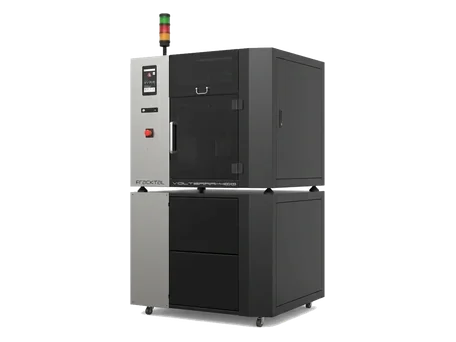
The workhorse. Real engineering thermoplastics, large parts, lowest cost per cubic centimetre.


SLS 3D Printing
Nylon powder bed. No supports, no limit on geometry, nested batches.

HP MJF 3D Printing
A whole layer at once. The powder-bed process for real quantities.

Vacuum Casting
A silicone tool from a printed master, then twenty-five moulded-looking parts.

Twelve Materials
Measured properties, print parameters and design rules for every one.
Still not sure?
Send the file and tell us what the part has to do. The design-for-manufacturability review comes back with the process recommendation and the price, and it is free either way.