











Bed Adhesion, Solved
A print that lifts at hour three failed at layer one. Here is what actually causes it, the bed temperature and surface for all twelve materials, and the point at which an adhesive is the right answer rather than a patch over a levelling problem.

Trusted, recognised and featured











Five Causes, In the Order to Check Them
Four of the five are free to fix. Work down the list before buying anything.
01 · The nozzle is too far from the bed
The commonest cause by a distance. The first layer should be visibly squashed, roughly 0.8 × the nozzle diameter, rather than laid on round. If the extrusions are separate cylinders, the gap is too big.
02 · The bed is not level, or not flat
A bed that is level at the centre and 0.3 mm low at one corner will hold three corners and lift the fourth, every time. Mesh levelling fixes non-flat; screws only fix non-level.
03 · The bed is the wrong temperature
Too cold and nothing sticks; too hot and the first layers stay soft and the part ‘elephant foots’ and shifts. The table below has the working range for all twelve materials.
04 · The surface is contaminated
Skin oil from one fingerprint is enough to release a corner. Isopropyl alcohol on a PEI sheet before every long print costs ten seconds and fixes more prints than any adhesive.
05 · A draught, on a material that minds
ABS, ASA, PC, PC-ABS and PP contract as they cool and pull their own corners up. An enclosure is the fix. Not a hotter bed, not more glue.
Then: adhesion promoter
Once the four above are right and it still lifts, on big flat footprints, high-shrinkage materials or textured plates, an adhesive is the correct answer rather than a workaround.
Find Your Failure
- Print not sticking to the bedThe eight causes, ordered by how often each one is it
- First layer not stickingA ten-minute fix list, cheapest check first
- PLA not stickingNozzle gap, skin oil, cold bed — in that order
- Why 3D prints warpShrinkage by material, and the five levers
- ABS lifting at the cornersShrinkage maths, enclosure, then chemistry
- PET-G sticking too wellAnd how it takes chips out of a PEI sheet
- Nylon will not stay downMoisture first, then Garolite, then a hot plate
- Elephant’s foot at the baseThe opposite failure: bonded too well, too soft
- Print came loose mid-jobWhy a good first layer lets go nine hours in
- Spaghetti on the bedFour causes, and how to tell them apart
Settings, Surfaces and Technique
- Bed adhesion diagnosticMaterial, plate and symptom to an ordered answer
- Bed temperature by materialAll twelve, with the plate each one wants
- Build plate guidePEI, glass, BuildTak, Garolite and flex sheets
- Brim, raft or skirtWhich one helps, and which does nothing
- How to clean a build plateThe free fix that removes most of the rest
- Glue stick vs hairspray vs adhesiveIncluding where a ₹40 glue stick wins
Bed Temperature and Surface, All Twelve
Bed temperatures are from the same database the material pages use. The surface column is what works, not what is theoretically possible.
| Material | Bed temp | Surface | Enclosure | Notes |
|---|---|---|---|---|
| PLA | 50–60 °C | PEI, glass, textured | No | The easy case. Adhesion problems here are almost always levelling. |
| PET-G | 70–85 °C | PEI, glass + adhesive | No | Sticks TOO well to bare PEI — use an adhesive as a release layer. |
| ABS | 95–110 °C | PEI, glass + adhesive | Yes | Brim everything flat. Draughts are the enemy. |
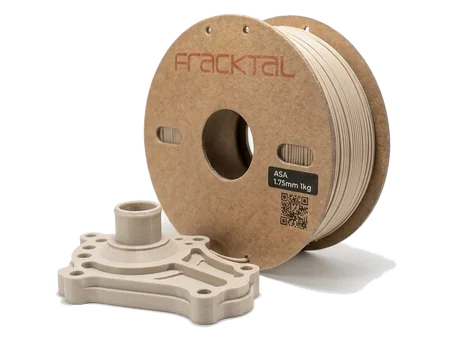
| ASA | 95–110 °C | PEI, glass + adhesive | Yes | As ABS. Cooling fan off. |
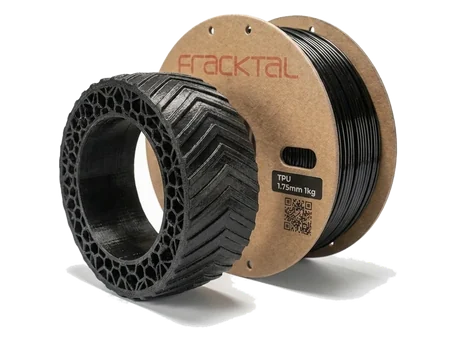
| TPU 95A | 40–60 °C | PEI, glass | No | Slow first layer; too much squash and it smears. |
| Nylon PA12 | 70–90 °C | PEI, garolite + adhesive | Yes | Dry the filament first — wet nylon will not stick to anything. |
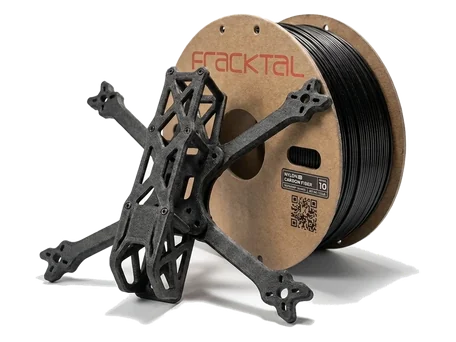
| CF-Nylon | 80–100 °C | PEI, garolite + adhesive | Yes | As nylon; hardened nozzle for the fibre. |
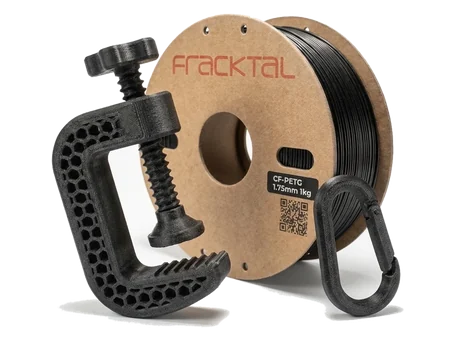
| CF-PETG | 70–85 °C | PEI, glass + adhesive | No | As PET-G, with a hardened nozzle. |
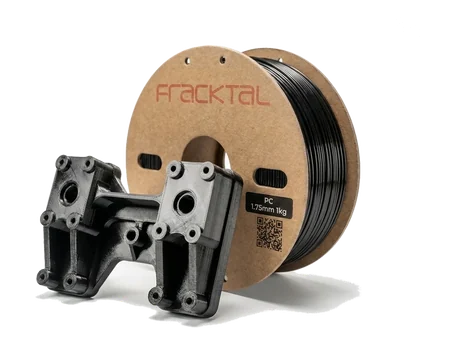
| Polycarbonate | 100–120 °C | PEI + adhesive | Yes | The hardest to hold down. Brim, enclosure, adhesive, all three. |
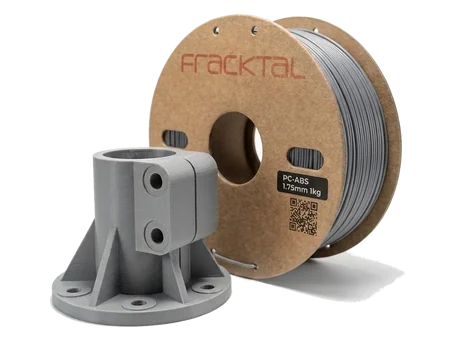
| PC-ABS | 95–115 °C | PEI + adhesive | Yes | Between PC and ABS in every respect, including this. |
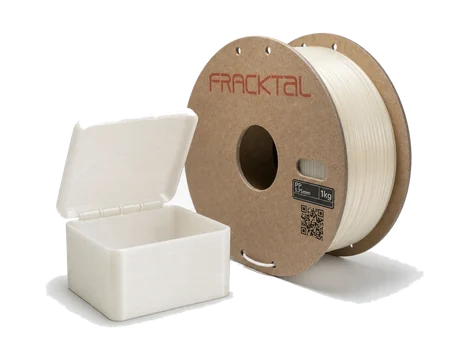
| PP | 85–95 °C | PP tape or PP sheet ONLY | Recommended | PP sticks to PP and to nothing else. No adhesive substitutes for the right surface. |
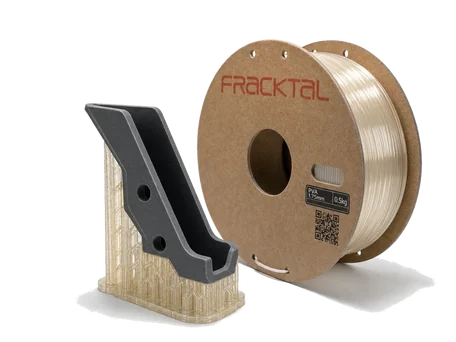
| PVA | 50–60 °C | PEI, glass + adhesive | No | Print from a dry box; wet PVA foams and will not lay a first layer. |

Not a Patch. A Release Layer
An adhesion promoter is usually sold as a fix for bad levelling, which is why it has a poor reputation. Its real job is different and better: it is a controlled interface between the part and the plate, strong while the plate is hot, releasing cleanly when it cools, and protecting the plate from materials like PET-G that bond to bare PEI hard enough to take a divot out of it.
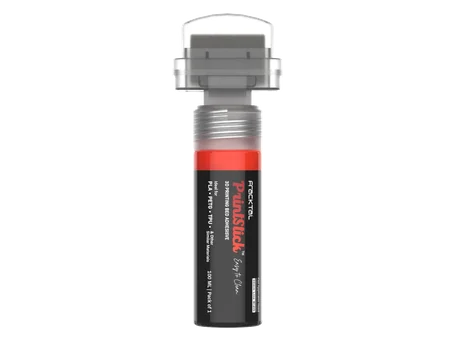
PrintStick is water-washable and leaves no residue, which matters because the usual alternatives do. Hairspray builds up and has to be scraped; PVA glue sticks streak and cook on. It works on glass, PEI and flexible plates, and it comes off the part and the plate with warm water.
Six Changes to the Part, Not the Printer
Geometry causes more lifting than settings do. These cost nothing.
Brim wide, not tall
5–8 mm of brim on every flat-bottomed part in a shrinking material. It peels off in one piece and it is the cheapest insurance there is.
Round off the corners
Warping concentrates at sharp corners because that is where the contraction has nowhere to go. A 3 mm fillet on the base outline removes most of it.
Add mouse ears to a tall thin part
Small printed discs at the corners of the first layer, snipped off afterwards. Ugly, free, and they work.
Reduce the footprint, not the part
A large flat face on the plate is a large area of contraction. Standing the part up or splitting the face reduces the force pulling at the edges.
Slow the first layer down
20 mm/s for layer one, whatever the rest runs at. It gives the extrusion time to wet the surface instead of being dragged across it.
Dry the filament
Wet nylon, PC and PVA foam as they extrude, and foam does not bond to a plate. This is not an adhesion problem but it presents as one.
The Three Things That Fix It Permanently

PrintStick™
Water-washable, residue-free bed adhesive for glass, PEI and flex plates.

Material Dryer (MDS1)
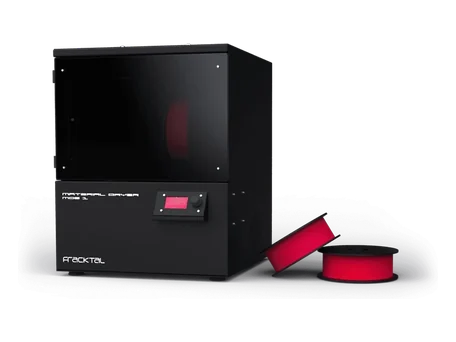
Three spools at once, because half of all ‘adhesion’ problems are wet filament.

Twelve Materials
Bed temperature, surface and enclosure requirement published for every one.
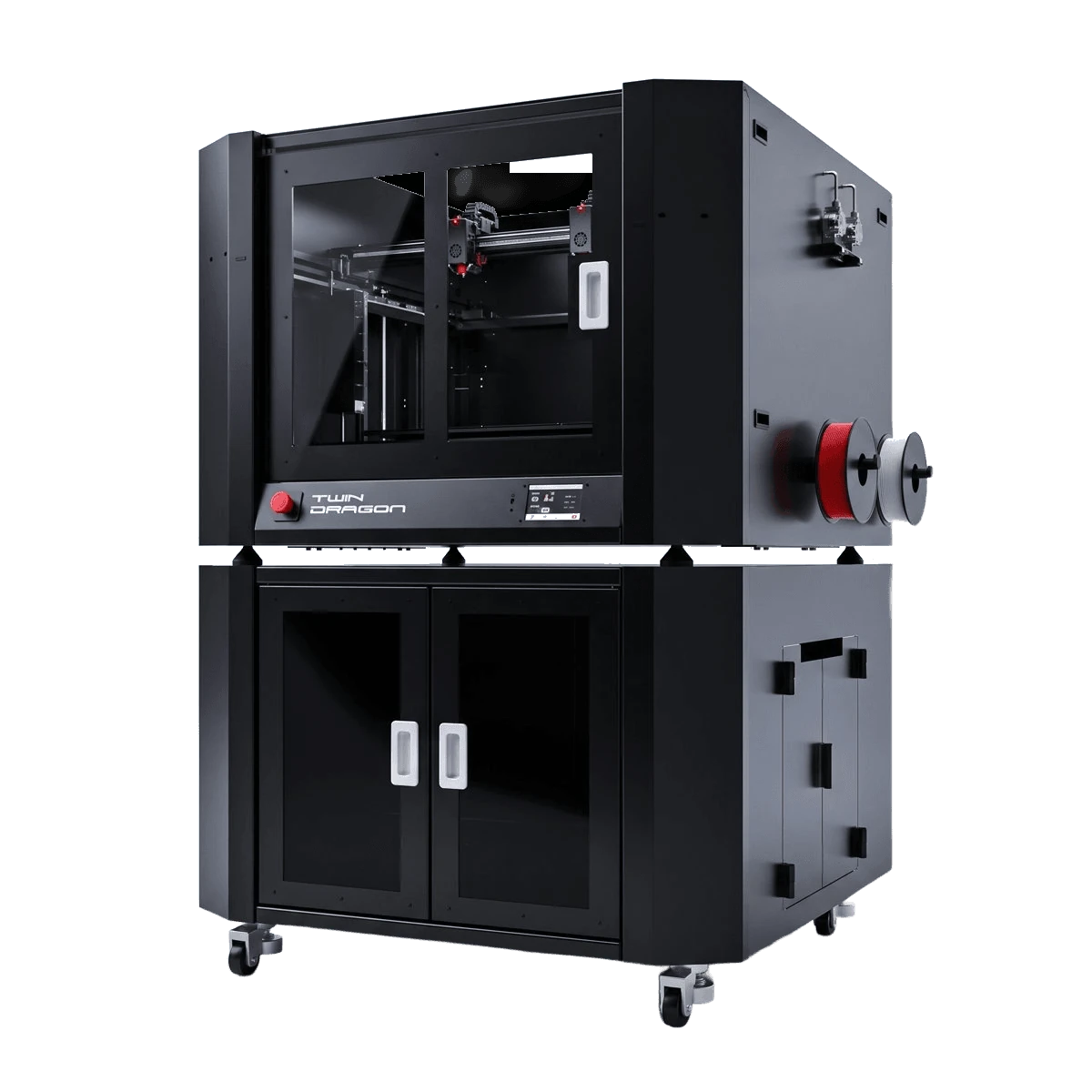
An Enclosed Machine
For ABS, ASA, PC, PC-ABS and PP, the enclosure is the fix and nothing else is.
Still lifting?
Send us the part, the material and a photograph of the first layer. First-layer problems are the easiest thing in 3D printing to diagnose from a picture.