












Brim, Raft or Skirt
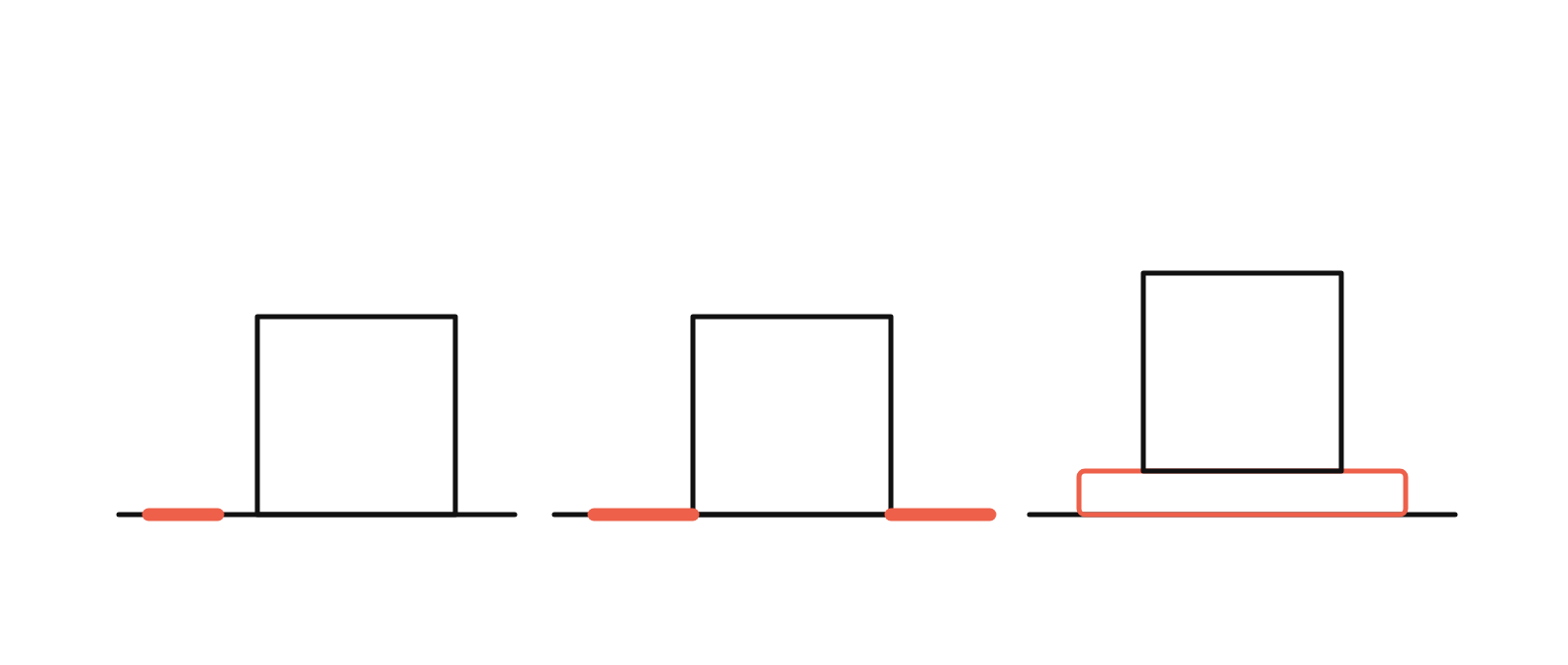
Three slicer options that look like variations on one idea and are not. A skirt does nothing for adhesion at all — it primes the nozzle. A brim borrows surface area from outside the part and costs a few minutes. A raft lifts the whole part onto a printed platform, costs a great deal of time and material, and exists for a narrower problem than most people use it for.
Three Different Jobs
Only one of these is primarily an adhesion aid.
Skirt · not an adhesion aid
One or two loops printed a few millimetres away from the part, not touching it. Its job is to get filament flowing and to let you watch the first layer go down across a short distance before the part itself starts. It tells you whether the nozzle height is right. It contributes nothing whatsoever to holding the part down, and turning it up to five loops will not change that.
Brim · the useful one
Several outlines printed flat against the plate and attached to the part’s perimeter, so the part borrows their surface area. It works because the lifting force concentrates at the corners, and a brim puts material outside the corner for that force to fight. Five to eight millimetres is the useful range; it peels off by hand, and it costs a few minutes on most parts.
Raft · a different problem
A printed platform several layers thick that the part is built on top of, separated by a deliberately weak interface. It is for parts with a tiny or awkward footprint, for badly warped plates, and for materials that will not bond to any available surface. It costs real time and material, leaves a rough underside, and it will happily warp along with the part it is carrying.
A Brim Treats the Symptom, Not the Force
A brim gives the corners more to hold on to. It does nothing about the contraction that is trying to lift them. On a borderline part — a PET-G plate that lifts slightly at one corner, a PLA part with a long thin footprint — that extra grip is often all that was missing, and the brim is the right answer.
On ABS in an open machine it is not. The shrinkage force there is large enough that the brim simply warps with the part, and you end up peeling a curled brim off a curled base. If a brim is load-bearing in your workflow rather than insurance, the thing to fix is upstream: enclosure, bed temperature, part cooling.
What to Set, and When to Bother
| Situation | Skirt | Brim | Raft |
|---|---|---|---|
| Normal part, PLA or PET-G | 1–2 loops | Not needed | No |
| Long flat footprint, sharp corners | 1–2 loops | 5–8 mm | No |
| Tall part on a small footprint | 1–2 loops | 8 mm | If the footprint is tiny |
| ABS or ASA, enclosed | 1–2 loops | 5–8 mm | No |
| ABS or ASA, open machine | 1–2 loops | Will warp too | Will warp too |
| Nylon or CF-PA | 1–2 loops | 8 mm | On Garolite, rarely |
| Badly bowed plate | 1–2 loops | Helps a little | Yes — this is its job |
A brim on every print is a sign that something upstream is wrong — usually a nozzle sitting too high, a plate with skin oil on it, or a bed that never reaches temperature. Those are free to fix and they make the brim unnecessary. Adding a brim by default hides the problem and adds a peeling job to every part you print.
Grip Instead of Geometry
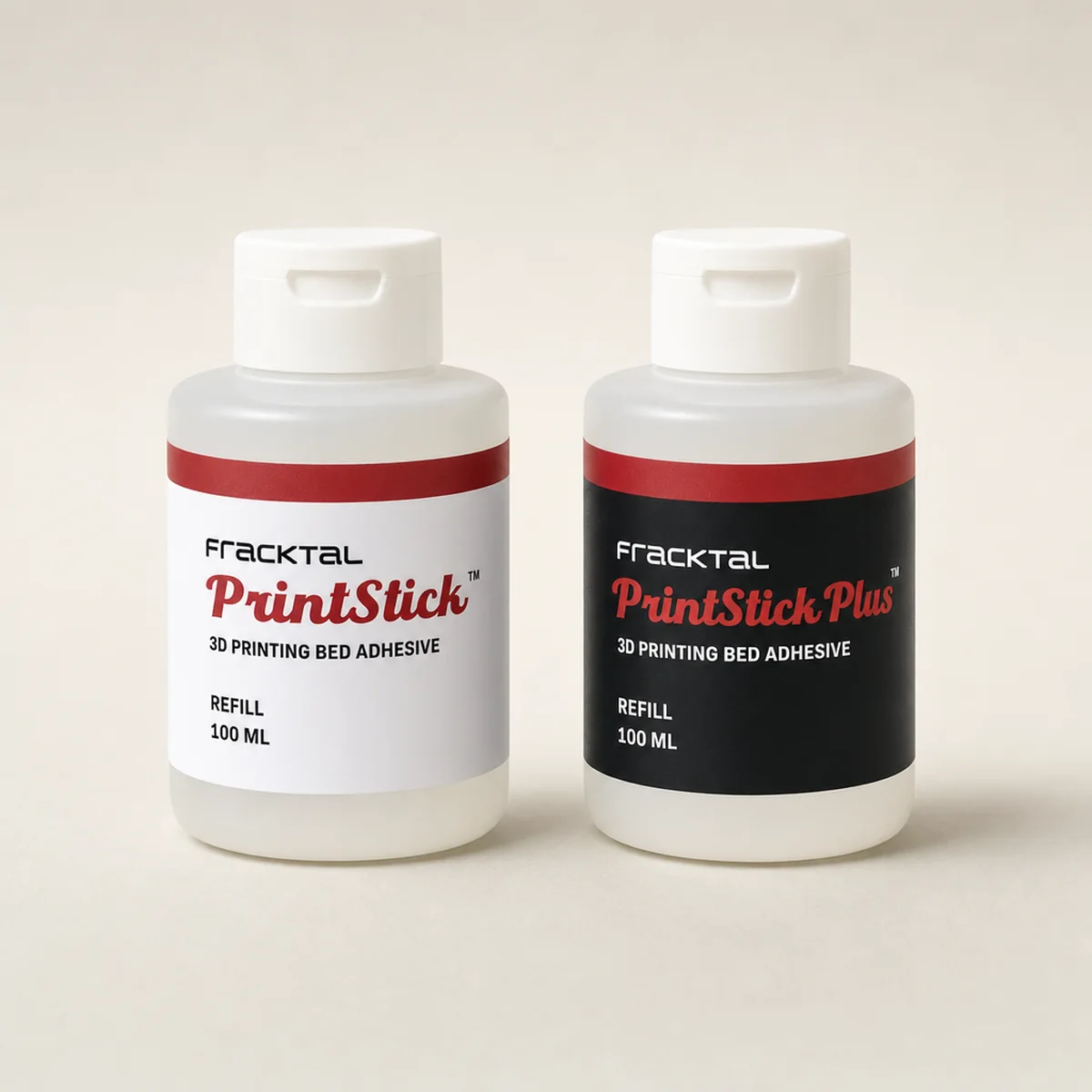
A brim buys grip with surface area and print time. An adhesive buys the same grip chemically, over the footprint the part already has, in about five seconds of wiping. On a part where a brim would have to be peeled off a visible edge afterwards, that is often the better trade.
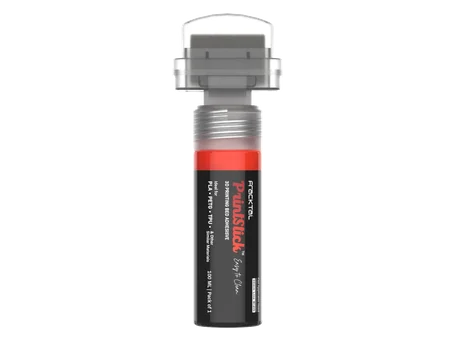
PrintStick lays a thin film that holds the first layer while the plate is hot and releases as it cools, so the part lifts by hand rather than being prised off. Standard covers PLA, PET-G, CF-PET-G and TPU; Plus covers the hot-plate materials from 80 to 115 °C. Neither removes the need to get the first layer and the bed right — they are the last link, not the first.
Questions About Brims, Rafts and Skirts
What is the difference between a brim, a raft and a skirt?
How wide should a brim be?
When should I use a raft instead of a brim?
Does a skirt help a print stick to the bed?
Will a brim stop ABS warping?
The Rest of the Guide
Machines That Do Not Need a Brim on Everything
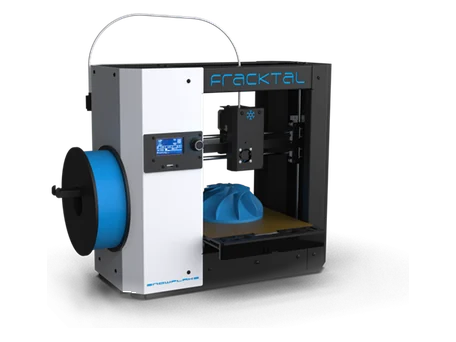
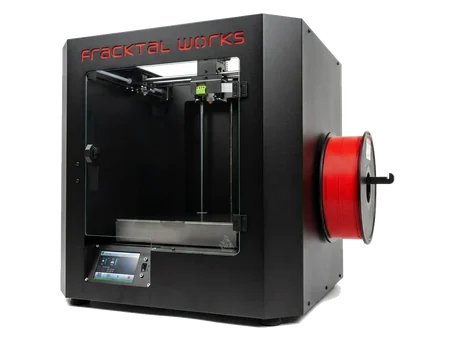
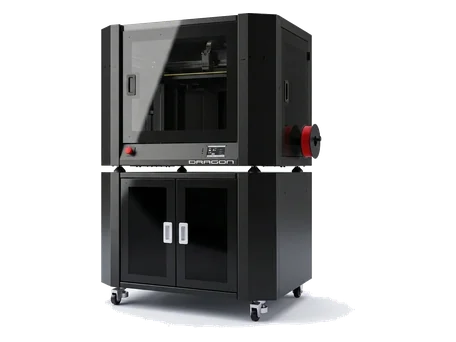
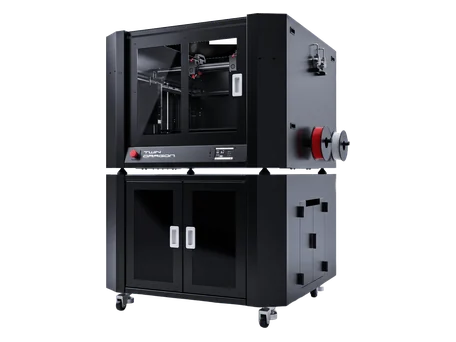
A flat, stable plate and a calibrated first layer remove most of the reasons to reach for one. Fracktal builds and supports its own printers in Bengaluru.