











Build Plate Guide: Which Surface for Which Material
The surface is the first decision and most people inherit it rather than make it. Textured PEI grips PLA and PET-G beautifully and gives ABS very little to hold. Smooth PEI grips everything, including PET-G hard enough to damage itself. Glass is flat, cheap and chemically neutral, and needs help with everything. Garolite is the one surface Nylon really bonds to. Below: what each one is good at, what it costs, and how it fails.
What Each Surface Is Actually For
Textured PEI (powder-coated)
Holds by mechanical key: the polymer flows into the texture and locks. Excellent for PLA, PET-G and TPU, and it stamps its pattern onto the underside of the part, which most people like. Weak on stiff, hot materials — ABS and PC do not flow into the texture well enough to key. Very durable; the coating eventually polishes flat in the places you print most.
Smooth PEI (sheet or film)
Holds chemically, and holds almost everything. That is also its problem: PET-G bonds to it hard enough to tear chips out, so it needs a release layer for that one material. Gives a glossy bottom surface. The film type scratches and bubbles; the solid sheet type lasts far longer and costs more.
Glass (borosilicate or mirror)
The flattest cheap surface there is, chemically neutral, and completely reusable. It holds nothing on its own, which makes it honest: every material needs an adhesive layer, and every material then works. Heavy, slow to heat, and it shatters if you drop it or pry a cold part off it too hard.
BuildTak and PEX-type sheets
Tough polymer sheets with a fine texture. Good general-purpose grip including on ABS, and forgiving of a slightly-too-close nozzle. They are consumables: the surface gouges when a nozzle digs in, and a gouge is permanent. Budget for replacements if you level by feel.
Garolite G10
Glass-epoxy laminate, and the surface Nylon actually bonds to — Fracktal publishes it as the recommended plate for both PA12 and CF-PA. Niche, because outside Nylon and PA-based materials there is no reason to own one. Sand it lightly to refresh it; do not print PLA on it and expect to get the part off easily.
Spring-steel flex plates
A carrier rather than a surface — they come coated with PEI, PEX or a powder texture, and everything above still applies to the coating. What they add is removal: flex the plate and the part pops off, which is the single biggest reduction in surface damage available, because nobody has to attack a part with a scraper.
What Holds What
| Material | Bed | Textured PEI | Smooth PEI | Glass | Best answer |
|---|---|---|---|---|---|
| PLA | 0–60 °C | Excellent | Excellent | With adhesive | Any of them |
| PET-G | 60–85 °C | Good | Too good — use a release layer | With adhesive | Textured PEI + release layer |
| CF-PET-G | 70–85 °C | Good | With adhesive | With adhesive | PEI + adhesive |
| TPU 95A | 0–60 °C | Excellent | Excellent | With adhesive | Textured PEI |
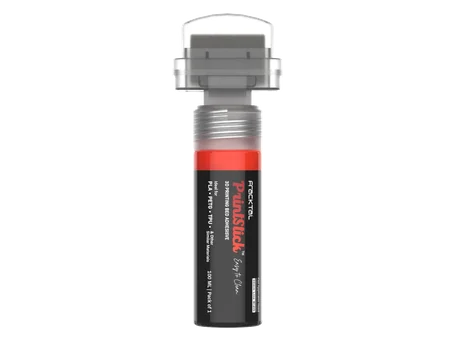
| ABS | 95–110 °C | Weak | With adhesive | With adhesive | Smooth PEI + Plus |
| ASA | 95–110 °C | Weak | With adhesive | With adhesive | Smooth PEI + Plus |
| Polycarbonate | 80–120 °C | Weak | With adhesive | With adhesive | PEI + Plus, enclosed |
| PC-ABS | 100–115 °C | Weak | With adhesive | With adhesive | PEI + Plus, enclosed |
| Nylon PA12 | 60–100 °C | Poor | Poor | Poor | Garolite, or PEI + Plus |
| CF-Nylon | 80–110 °C | Poor | Poor | Poor | Garolite, or PEI + Plus |
| PP | 80–100 °C | Poor | Poor | Poor | PP sheet or packing tape |
| PVA | 45–60 °C | Good | Good | With adhesive | PEI + Standard |
Textured or Smooth PEI?
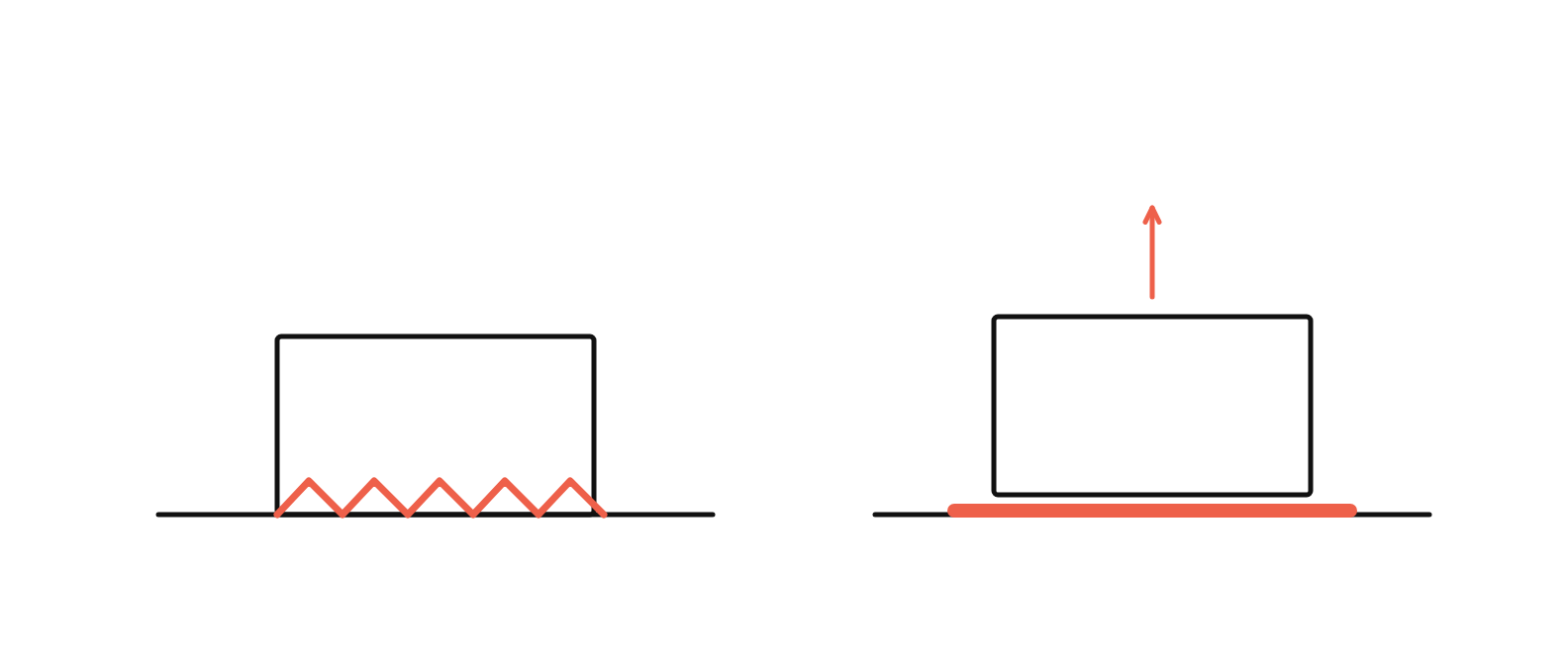
They fail in opposite directions, which is the useful way to choose. Textured PEI holds mechanically, so it is strongest with materials that flow into the texture while they are soft — PLA, PET-G, TPU — and weakest with stiff hot polymers that bridge across it, which is why ABS lifts off textured sheets that hold PLA perfectly. Smooth PEI holds chemically and therefore holds nearly everything, including things you would rather it held less enthusiastically.
The practical answer for a machine that prints several materials is a textured sheet for everyday PLA and PET-G, and a smooth sheet plus a hot-plate adhesive for ABS, ASA, PC and Nylon. If you only want one, take smooth PEI and a bottle of adhesive: it covers more of the matrix, and the adhesive is also what protects it from PET-G.
Neither is a substitute for a flat plate. A warped sheet on a warped bed fails at the same corner regardless of what it is coated with.
How Build Surfaces Actually Die
Scrapers
The commonest killer. A metal scraper against a warm plate takes a sliver of PEI with the part. Wait for the plate to cool, use a flex plate if you have one, and keep the scraper for the plate you have already given up on.
PET-G fusion
The second commonest. Bare smooth PEI plus PET-G plus a hot bed equals a crater. Keep the bed at 70–75 °C and always put a release layer down. This one is entirely preventable and entirely irreversible.
Nozzle digs
A Z-offset set too low ploughs a groove, and on BuildTak-type sheets the groove is permanent. Re-check the offset after changing a nozzle, a plate or the springs — not before every print, but definitely after those three.
Polish and contamination
PEI loses grip over hundreds of hours as oils build a film that IPA smears rather than removes. Warm water and dish soap restores it. A light scuff with a fine abrasive pad brings a smooth sheet back; do not sand a textured one.
Thermal cycling
Adhesive-backed films creep and bubble after enough hot-cold cycles, especially at the edges where they are lifted by scrapers. Once a bubble forms, that region prints thin forever. Solid sheets and spring steel do not have this failure mode.
What actually extends it
Let the plate cool. Use a flex plate. Put a film between the plate and anything aggressive. Clean with soap and water, not only alcohol. Handle it by the edges. None of that is expensive and all of it is what a print farm does.
Questions About Build Plates
Is textured or smooth PEI better?
What build surface is best for ABS?
What surface does Nylon stick to?
Can I still use a glass bed?
How do I clean a PEI sheet that has stopped gripping?
Are flexible spring-steel plates worth it?
The Rest of the Guide
- PET-G stuck too wellHow PEI sheets get craters
- Nylon will not stay downWhy Garolite exists
- ABS lifting at the cornersWhy textured PEI is the wrong plate
- Glue stick vs hairspray vs adhesiveWhat goes on top of the surface
- Print not sticking to the bedThe eight causes, in order
- All twelve materialsSettings for every filament we publish
- How to clean a build plateThe most-skipped free fix
- Bed temperature by materialAll twelve, in one table
Machines Built Around the Plate
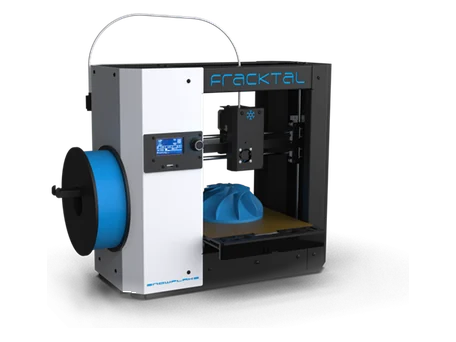
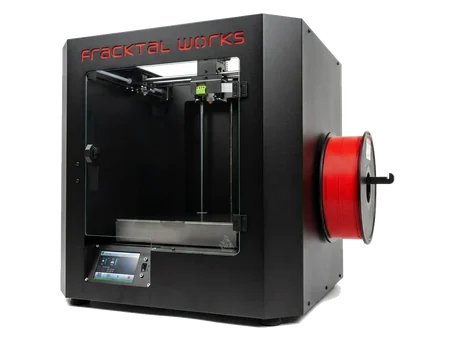
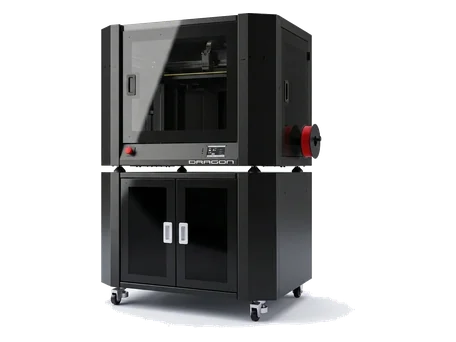
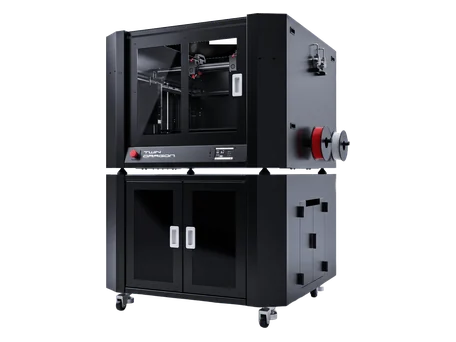
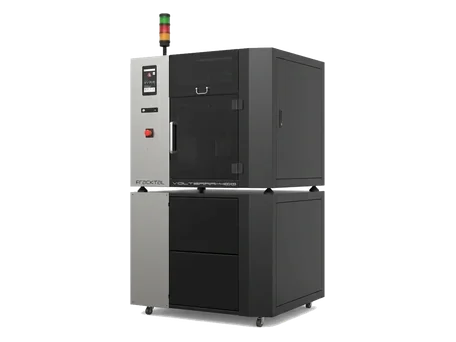
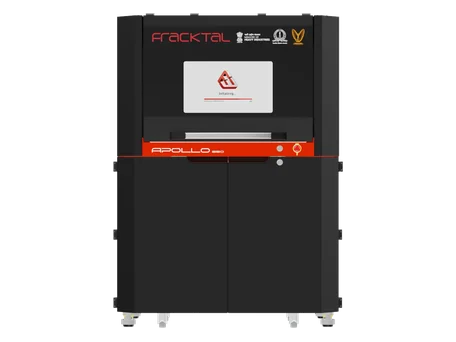
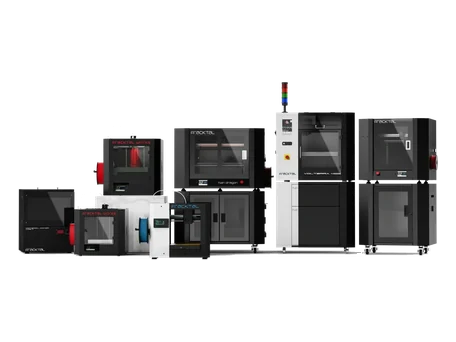
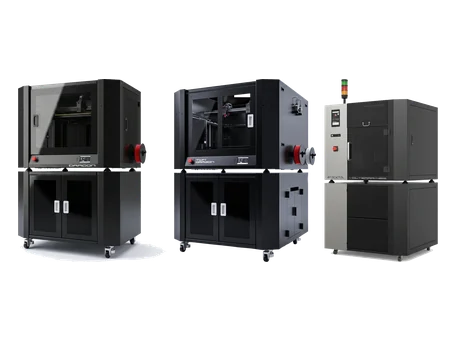
Fracktal designs and manufactures FDM printers in Bengaluru, with heated beds that hold their temperature for the length of an engineering print.