











Nylon and CF-PA Will Not Stay Down
Three things are working against you at once, and they have to be fixed in order. Nylon absorbs water from the air and prints as a popping, foamed line that cannot bond — dry it at 80 °C for eight hours first. It crystallises as it cools and shrinks more than ABS does. And it is chemically unfriendly: it does not bond well to PEI, glass or most tapes. Garolite is the surface that works, and a hot-plate adhesive is what makes everything else work.
Nylon takes up several per cent of its weight in water from ordinary room air within a day or two. That water flashes to steam in the nozzle, and the extrusion comes out foamed, rough and full of voids. A first layer made of foam cannot bond to anything, so every other fix on this page is wasted until the spool is dry.
80 °C for eight hours, and keep it in a dry box while it prints. If the nozzle is crackling or the surface looks fuzzy and matt when it should be glossy, that is water, not adhesion.
Four Steps, and They Are Not Interchangeable
01 · Dry the filament
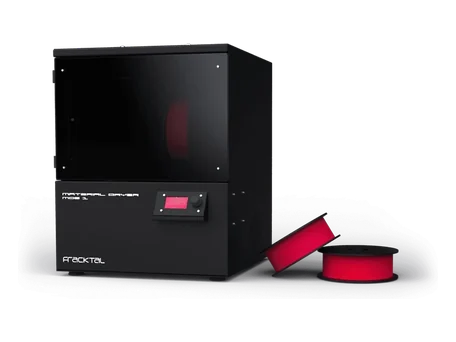
80 °C for eight hours for PA12 and CF-PA. Print out of a dry box, not off a shelf. This is mandatory rather than recommended — Fracktal publishes it as a requirement for both grades. A spool that has sat open for a week is wet enough to ruin a print no matter how good the plate is.
02 · Print on Garolite, or add a chemical layer
Garolite G10 is the recommended surface for both PA12 and CF-PA, and the reason is chemistry rather than texture: Nylon keys to it in a way it does not to PEI or glass. If you do not have a Garolite plate, an adhesive layer on PEI is the practical substitute and what most people actually use.
03 · Get the bed hot enough
PA12 runs at 60–100 °C and CF-PA at 80–110 °C. The carbon-filled grade wants the top of that range, and an enclosure with it. Nylon shrinks as it crystallises, which happens over a temperature range rather than at a point, so keeping the base hot for longer genuinely reduces the force on the corners.
04 · Then help the geometry
A 5–8 mm brim, rounded base corners, and no sharp changes of cross-section near the plate. Nylon’s shrinkage is worse than ABS’s and the same rules apply harder. If a large flat part still lifts after all of the above, split it and bond it rather than fight it.
Nylon PA12 and CF-Nylon
| Setting | Nylon PA12 | CF-Nylon (CF-PA) | Note |
|---|---|---|---|
| Bed temperature | 60–100 °C | 80–110 °C | Top of the range for large parts |
| Nozzle temperature | 240–270 °C | 260–285 °C | CF needs a hardened nozzle |
| Recommended surface | Garolite G10 | Garolite G10 | Or PEI with an adhesive layer |
| Enclosure | Not required | Required | CF-PA warps without one |
| Drying | 80 °C / 8 h | 80 °C / 8 h | Mandatory for both |
| Part cooling | Low or off | Off | Cooling adds warp |
| Adhesive | Plus | Plus | Hot-plate formula, 80 °C and up |

Most People Do Not Have a Garolite Plate
Garolite is the right surface and it is also an extra plate to buy, store and swap. On a machine that prints PLA on Monday and Nylon on Thursday, the working answer is the plate you already have plus a chemical layer that gives the Nylon something to key into.
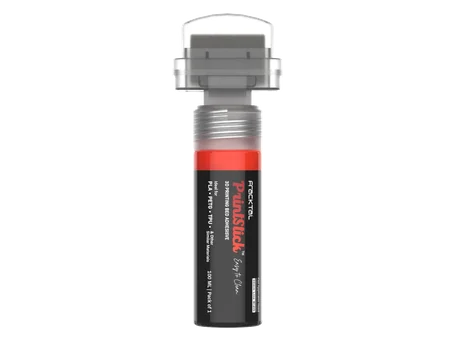
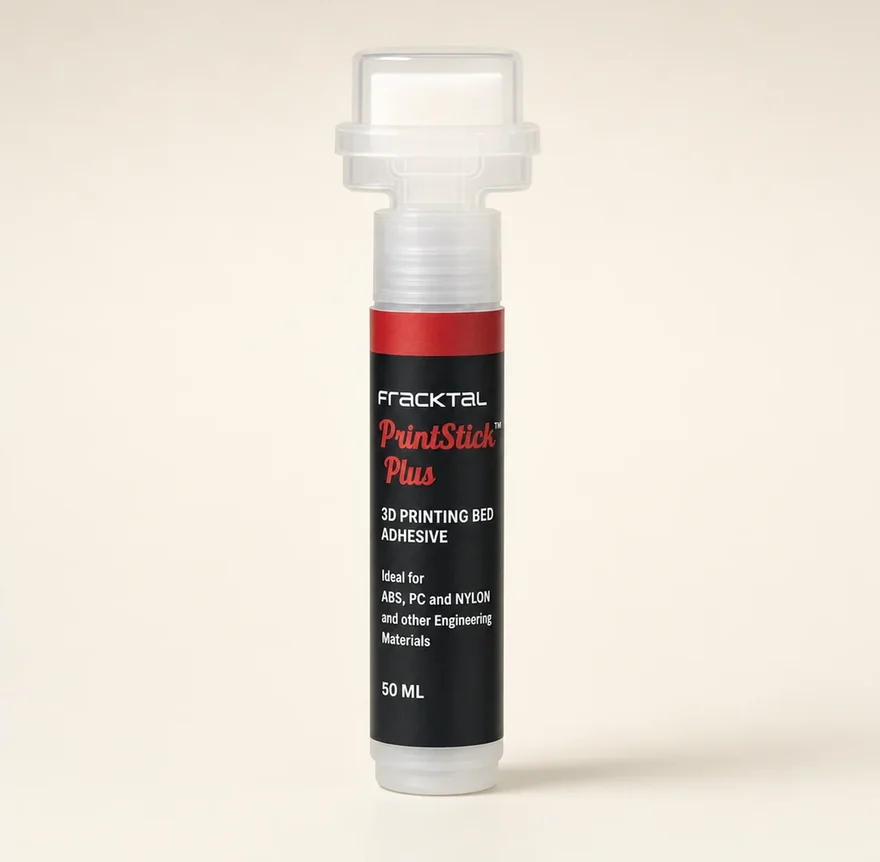
PrintStick Plus is formulated for beds at 80 °C and above, which is where Nylon lives and where a general-purpose glue stick softens and lets go. One pass across the footprint, print, let the plate cool, and the part releases. The film washes off with water, so the plate goes back to PLA the next morning without a residue to strip.
It is not a substitute for drying the filament. Nothing is.
Questions About Nylon Bed Adhesion
Why will Nylon not stick to the bed?
How long should I dry Nylon before printing?
What is the best build surface for Nylon?
What bed temperature does Nylon need?
Does CF-Nylon warp less than plain Nylon?
Can I use a normal glue stick for Nylon?
The Rest of the Guide
- Nylon PA12, the full material pageMeasured properties and settings
- CF-NylonStiffer, and abrasive
- Why 3D prints warpShrinkage by material, five levers
- Bed temperature by materialAll twelve, in one table
- MDS1 material dryerThree spools at once
- ABS lifting at the cornersThe same physics, less of it
- Print not sticking to the bedThe eight causes, in order
- PrintStick PlusThe hot-plate formula
Nylon Parts, Without the Argument
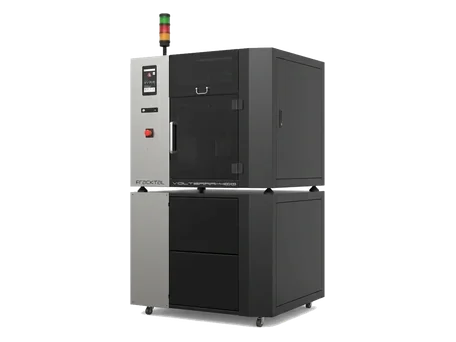
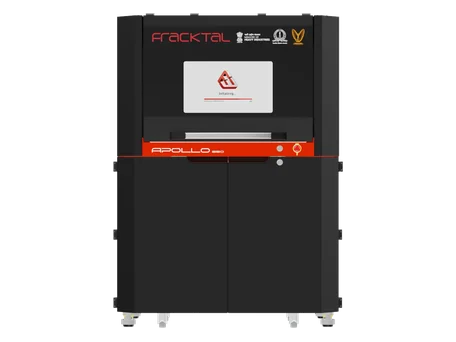
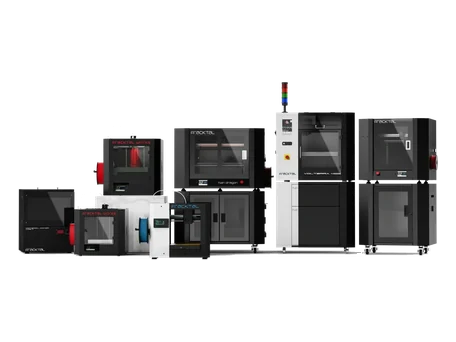
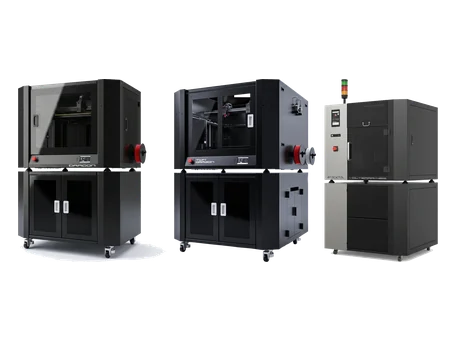
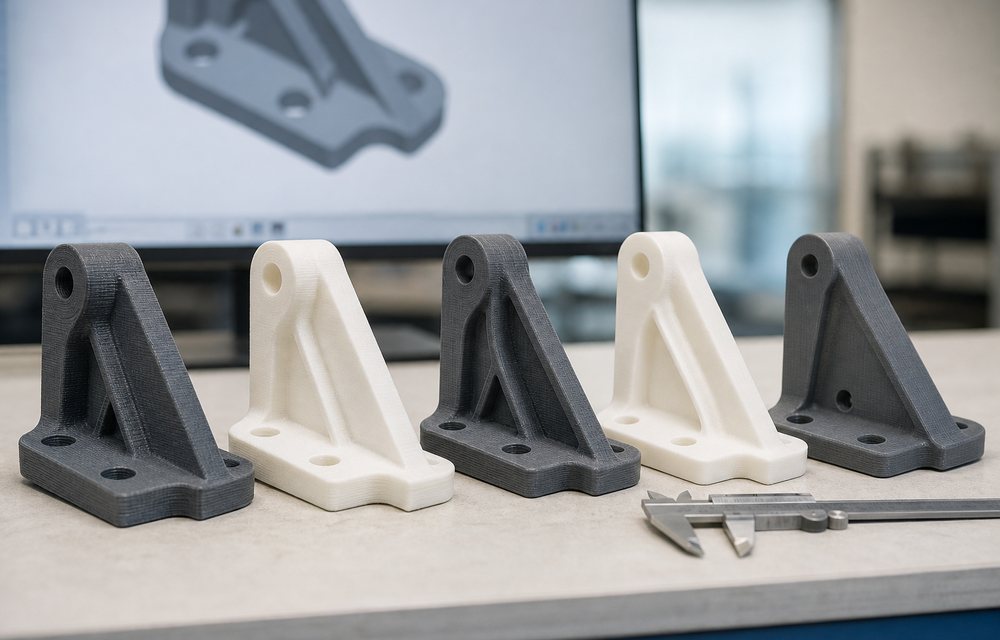
Fracktal prints PA12 and CF-PA on enclosed machines with dried filament, in Bengaluru. If a Nylon part matters more than the process of making it, send us the file.