












The Print Came Loose Nine Hours In
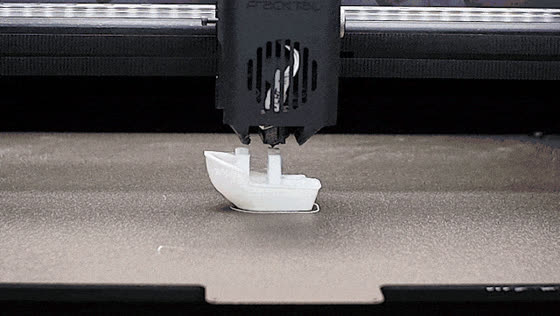
A part that holds for two hours and lets go at nine did not fail at the first layer — it failed because the force pulling on that first layer kept growing while the bond did not. Four things cause it: accumulated shrinkage in a tall or long part, the nozzle striking a curled edge, the bed cooling partway through, and a bond that was marginal from the start. The cost is not the filament. It is the machine hours.
Why a Good First Layer Lets Go Later
The signature is the timing. Note when it happened and what the part was doing at that height.
01 · Shrinkage accumulates with height
Every layer contracts as it cools, and on a shrinking material the pull on the base grows with the mass above it. The part that was fine at 20 mm is being pulled much harder at 120 mm. This is why tall ABS, ASA, PC and Nylon parts fail late rather than early, and why the answer is an enclosure rather than a stronger bond.
02 · The nozzle caught a curled edge
A corner lifts a fraction of a millimetre, the nozzle clips it on the next pass, and the impact peels a little more. A few hundred layers of that and the part is off the plate or has been knocked sideways. If you find the part loose AND shifted, this is almost always what happened. Listen for the tick — it is audible long before it is visible.
03 · The bed dropped partway through
Some slicer profiles lower the bed after the first layers — sensible on PLA, fatal on anything that shrinks. Check the generated G-code for a second M140 or M190 rather than trusting the profile screen. An under-powered bed sagging under a room draught does the same thing without telling you.
04 · The bond was marginal all along
A first layer that only just held is a first layer that will let go as soon as anything changes: a bigger cross-section, a draught, a warmer afternoon. If your prints usually survive and this one did not, look at what was different about this one — footprint area, height, material, where it sat on the plate.
The Filament Is Not What You Lost
A failed 9-hour print costs perhaps 120 g of filament. It also costs nine hours of a machine that has a capital cost, a footprint and a queue behind it, plus the person who has to notice, clear the plate, and start again — and, on a job, a day of the schedule.
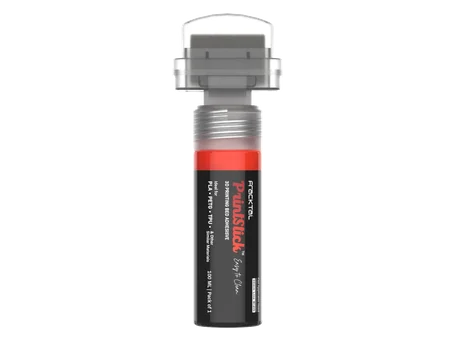
Against that, one pass of bed adhesive is about ₹24 with Standard and ₹38 with Plus. It is not a close decision, and it is not really an argument about adhesion; it is insurance priced at a fraction of a per cent of what it protects.
That said, an adhesive only addresses causes three and four. If tall ABS parts are failing at 100 mm, the enclosure is the fix and the bottle is the belt beside the braces.
A Five-Minute Pre-Flight
Print a first-layer square
One 20 mm single-layer square at the position the part will sit. Look at it. If it is marginal there, it will be marginal for nine hours.
Read the G-code, not the profile
Search the sliced file for M140 and M190. If the bed temperature changes after the first layers on a shrinking material, that is your failure, already written down.
Add a brim and fillet the corners
5–8 mm of brim and a 2–3 mm fillet at each base corner cost a few grams and a minute of CAD, and they move the failure point well out of reach.
Clean, then coat
IPA first — an adhesive over a contaminated plate holds no better than the contamination does. Then one pass of the felt head across the footprint.
Close the door, kill the draught
An enclosure if you have one, and if you do not, move the machine away from the window and the air conditioner. Still air is most of what an enclosure is.
Listen for the first tick
A nozzle clipping a curled edge is audible hours before the part comes off. If you hear it, stop, and you will have lost twenty minutes instead of nine hours.
Questions About Prints Coming Loose
Why did my print come loose halfway through?
The part came loose and moved sideways. What does that mean?
Should the heated bed stay on for the whole print?
Does a brim stop a print coming loose mid-job?
Is bed adhesive worth it just to avoid one failed print?
The Rest of the Guide
- Print not sticking to the bedThe eight causes, in order
- ABS lifting at the cornersWhere mid-print failure starts
- Spaghetti on the bedWhat happens after it detaches
- First layer not stickingThe ten-minute fix list
- Build plate guideWhat each surface holds
- Why 3D prints warpShrinkage by material, five levers
- Brim, raft or skirtWhich one actually helps
- PrintStick bed adhesiveTwo formulas, 50+ applications a bottle
Machines That Finish What They Start
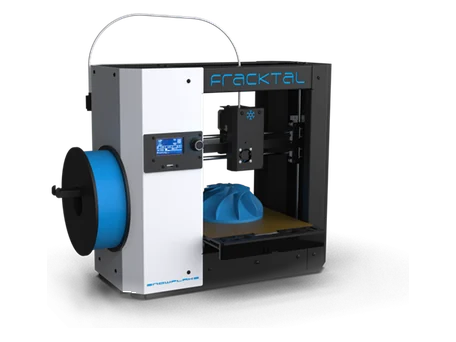
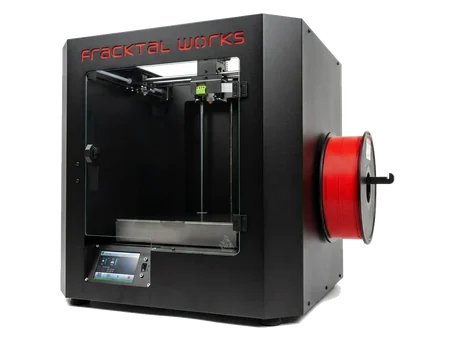
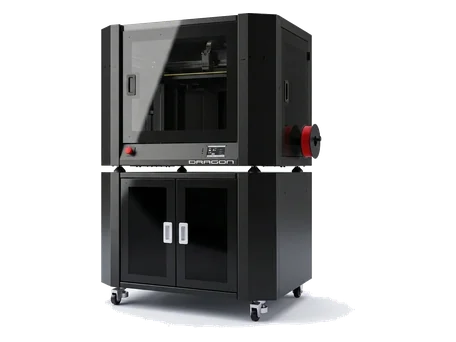
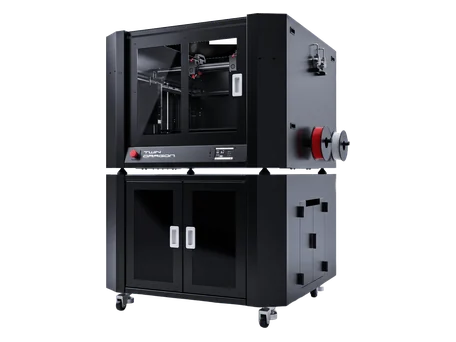
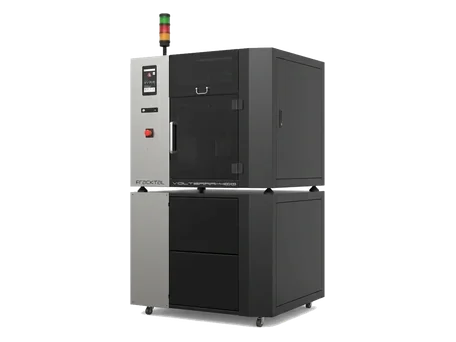
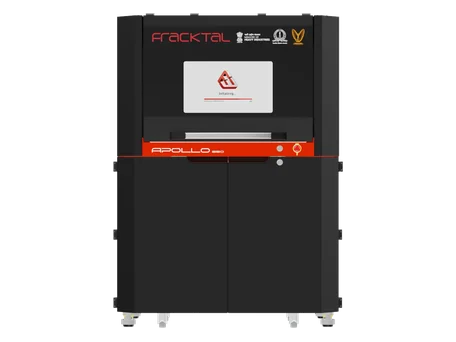
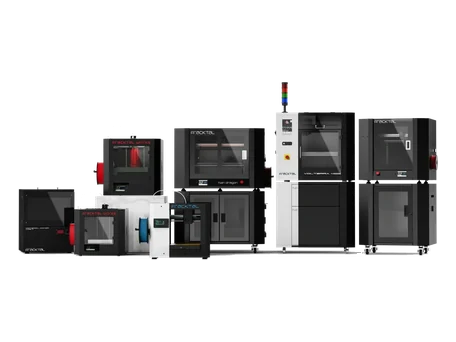
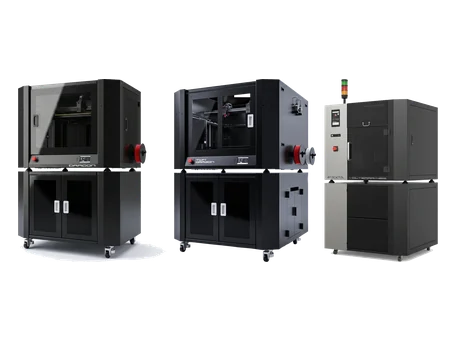
Fracktal builds FDM printers in Bengaluru and runs a print floor on them. If long jobs failing is costing you a schedule, that is a conversation worth having.