








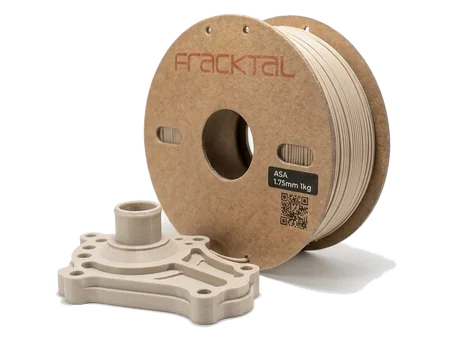



ASA Filament
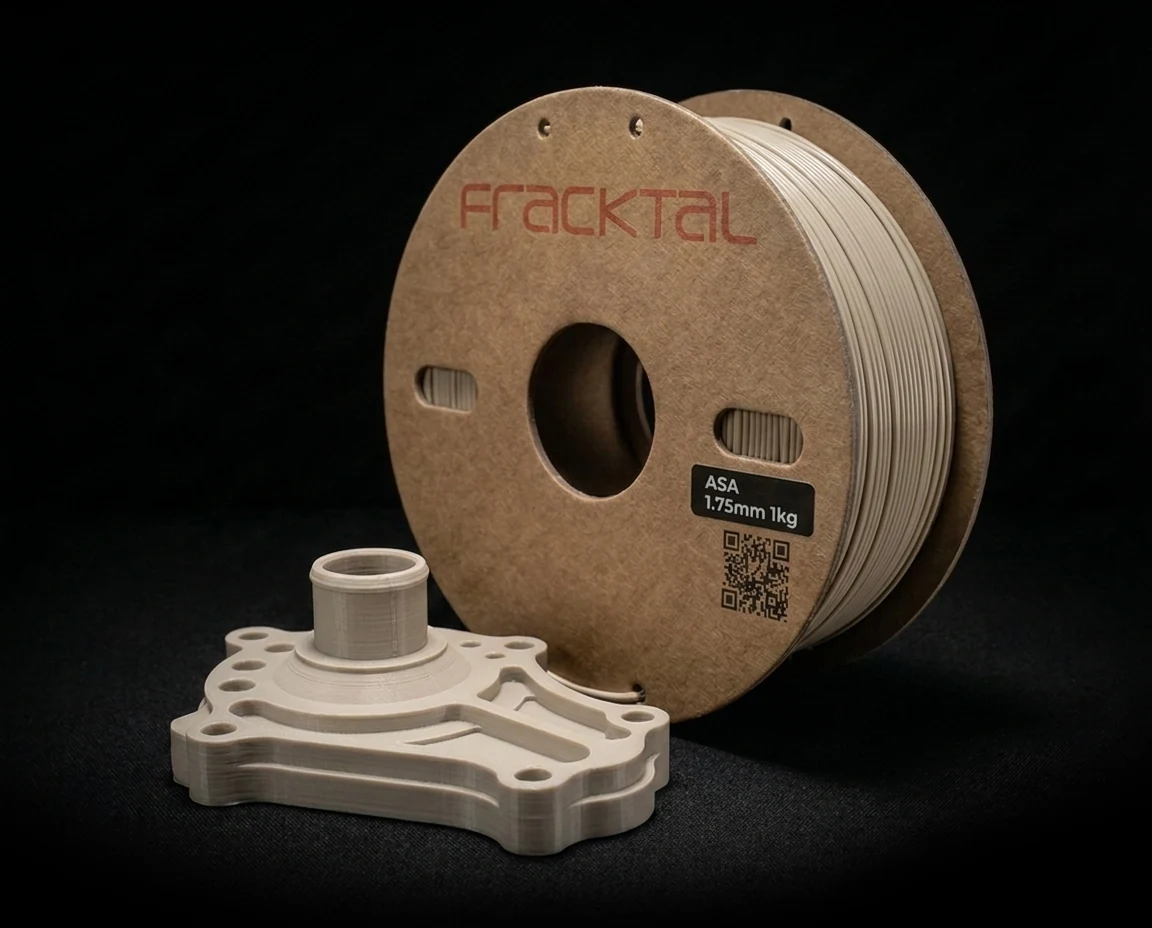
The outdoor-grade upgrade to ABS. It prints the same and machines the same, and it keeps its colour and its structure in direct sunlight.
Quick Reference
- Material properties
- Engineering / Outdoor Grade
- Acrylonitrile Styrene Acrylate (ASA)
- None
- 42 MPa
- 98 °C
- 1.06 g/cm³
- Low — dry 60 °C / 4 h if stored unsealed
- 245–255 °C
- ≥ 0.4 mm
- Brass or hardened steel
- 90–110 °C
- Required (prevents warping)
- Sand, prime, UV-clear coat for extra outdoor life
Material Property Profile
Values scored 0–10 from measured mechanical data and print process behaviour. Select a material above to compare properties.
Key Properties
ASA’s case rests almost entirely on the UV row. On everything else it is ABS.




Machine Requirements
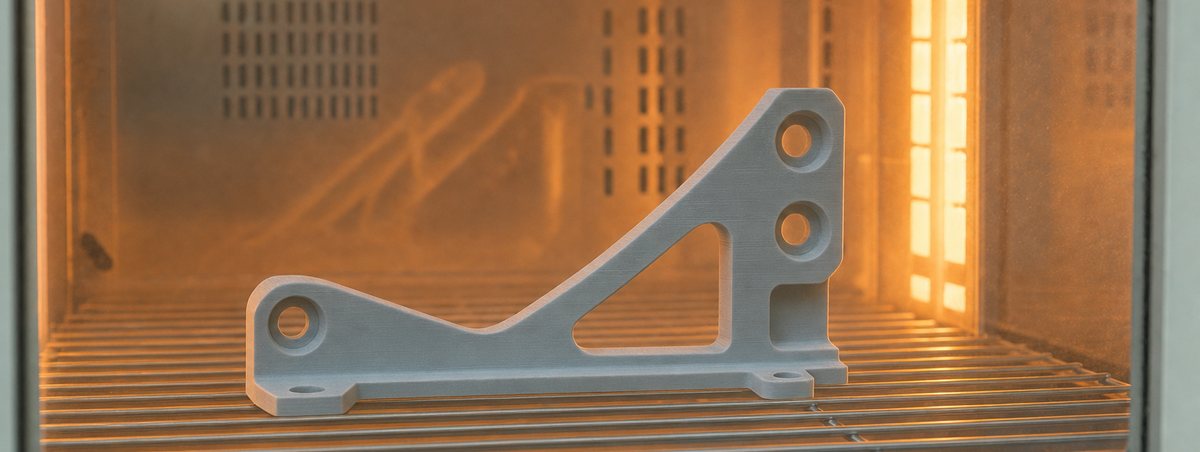
Close to ABS on every row, enclosure included, and the enclosure is not optional.
| Requirement | Minimum Spec | Recommended |
|---|---|---|
| Nozzle Temperature | 240 °C | 245–255 °C |
| Bed Temperature | 90 °C | 95–110 °C |
| Enclosure | Enclosed (required) | Heated (45–55 °C) |
| Nozzle Material | Brass | Brass or hardened steel |
| Cooling Fan | Off | Off (warp risk) |
| Retraction | 3 mm | 4–5 mm @ 45 mm/s |
Enclosure required, cooling fan off. Like ABS, ASA warps without a heated enclosure. Keep the cooling fan off throughout the print. ASA also benefits from a brim or raft for large flat parts. ASA shrinks like ABS and lifts the same way — the five fixes for corner lift.
Applications by Industry

Outdoor / Garden
- Garden equipment parts
- Outdoor signage & markers
- Weatherproof enclosures

Automotive
- Mirror housings
- Exterior sensor brackets
- Door handle covers

Marine
- Boat deck fittings
- Navigation light housings
- Bilge hardware

Industrial
- Outdoor junction boxes
- Weather station housings
- UV-stable industrial labels
Tensile Strength Across the Range (MPa)
Heat Deflection vs Tensile Strength
Available Materials
When to Use ASA, and When Not To
Use ASA when
- Parts will be exposed to UV light or direct sunlight
- Outdoor weather resistance (rain, humidity, thermal cycling)
- ABS-like printability with an enclosure-equipped printer
- You need acetone smoothing or machining capability
- Automotive exterior components requiring colour stability
Avoid ASA when
- Open-frame printers — warps like ABS without enclosure
- Highest-strength structural parts (use Nylon or PC)
- Continuous temperatures above 100 °C (use PC or PC-ABS)
- Food contact applications
DfAM Tips for ASA
The allowances ABS needs, plus one that is only about sunlight.

Wall Thickness ≥ 1.0 mm
ASA behaves like ABS in terms of print geometry. Use 3 perimeters for structural outdoor parts.

Min Hole Diameter: 1.5 mm
ASA has similar shrinkage to ABS. Add 0.1–0.15 mm to bore diameters for close-tolerance fits.

Max Overhang: 45°
Without cooling fan, overhang quality is limited. Use supports beyond 45° from vertical.

Add UV Clear Coat for Extended Life
ASA is inherently UV-resistant but a clear UV-protective topcoat further extends outdoor life to 5+ years and protects paint finishes applied over it.
Printers Compatible with ASA
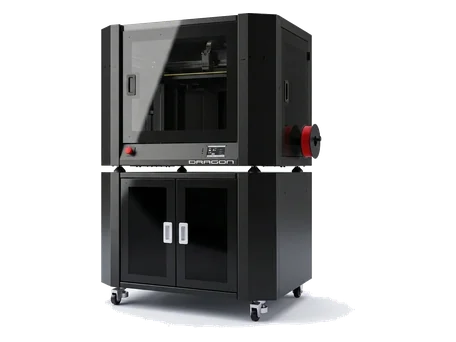
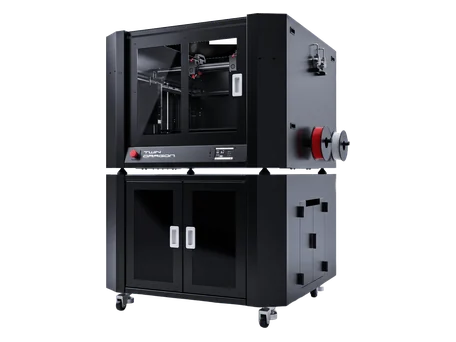
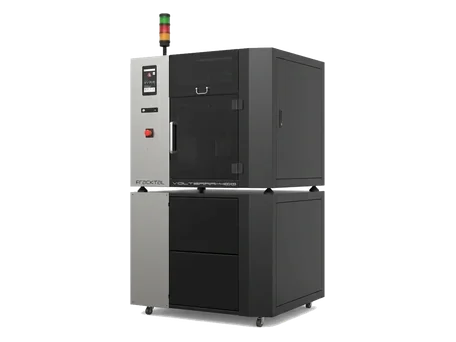
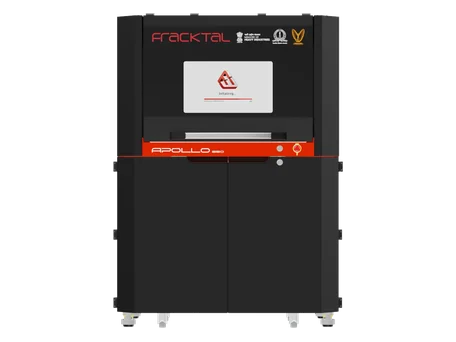
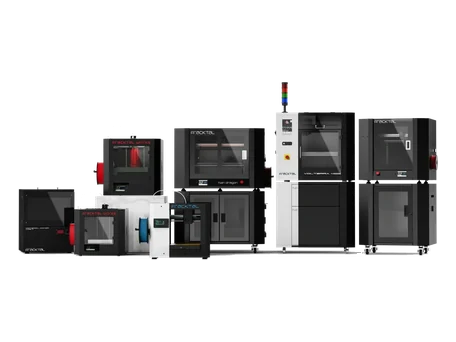
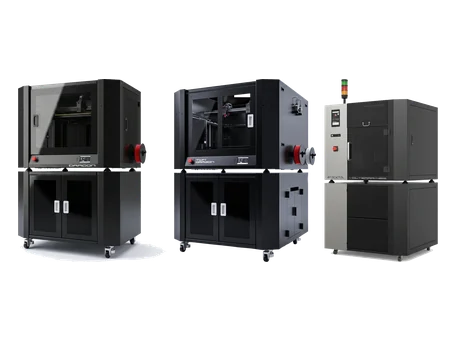
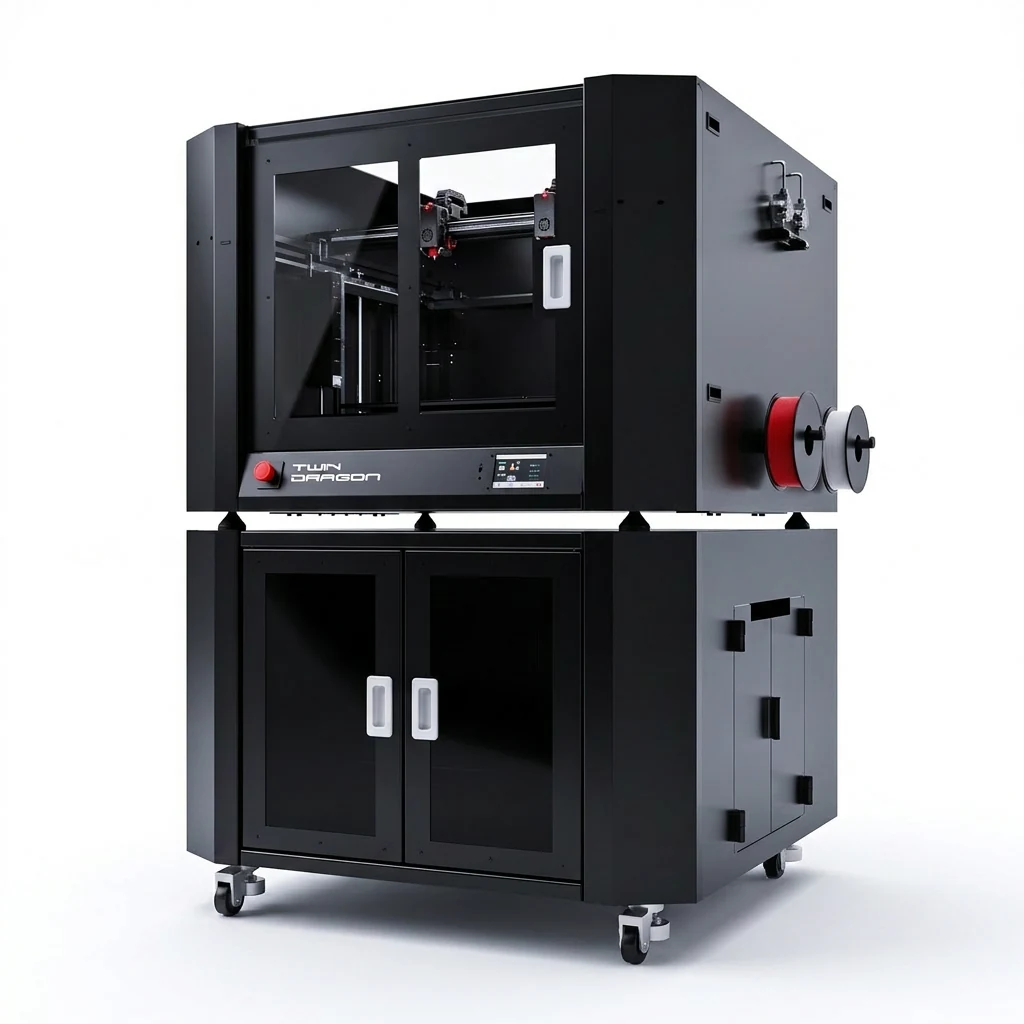
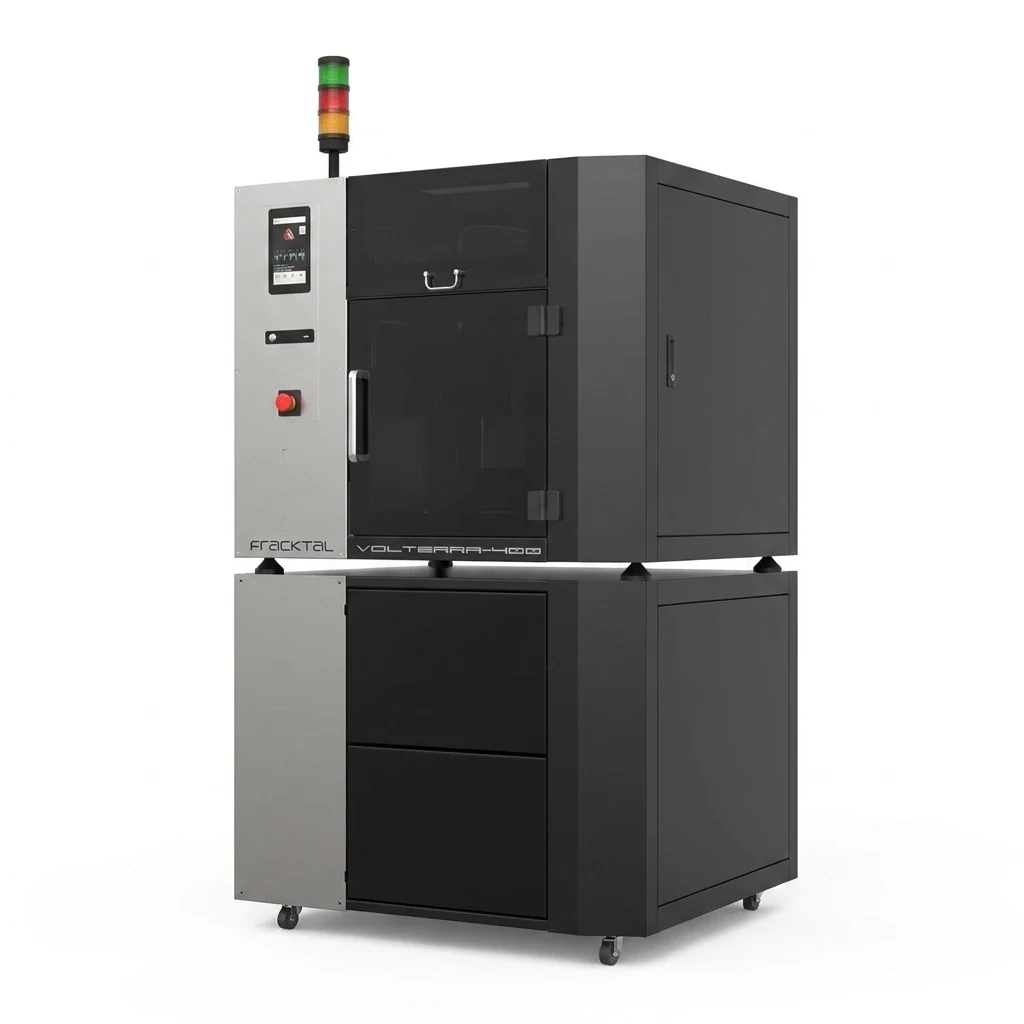
ASA requires a heated enclosure to prevent warping, similar to ABS but at slightly higher temperatures. Dragon, Twin Dragon, Julia, and Volterra are all compatible.


Ready to print in ASA?
Fracktal ASA ships in available in 500 g and 1 kg spools.