









Jigs & Fixtures
The single highest-return thing anyone prints. A fixture is needed in ones, changes constantly and is used hard — every property that makes machining it expensive makes printing it obvious.

Trusted, recognised and featured











The Six-Week Purchase Order, Deleted
A checking fixture goes out as a drawing, waits in a machine shop’s queue, comes back in six weeks and is wrong in one dimension because the part changed while it was away. Everyone on the line knows this and works around it.
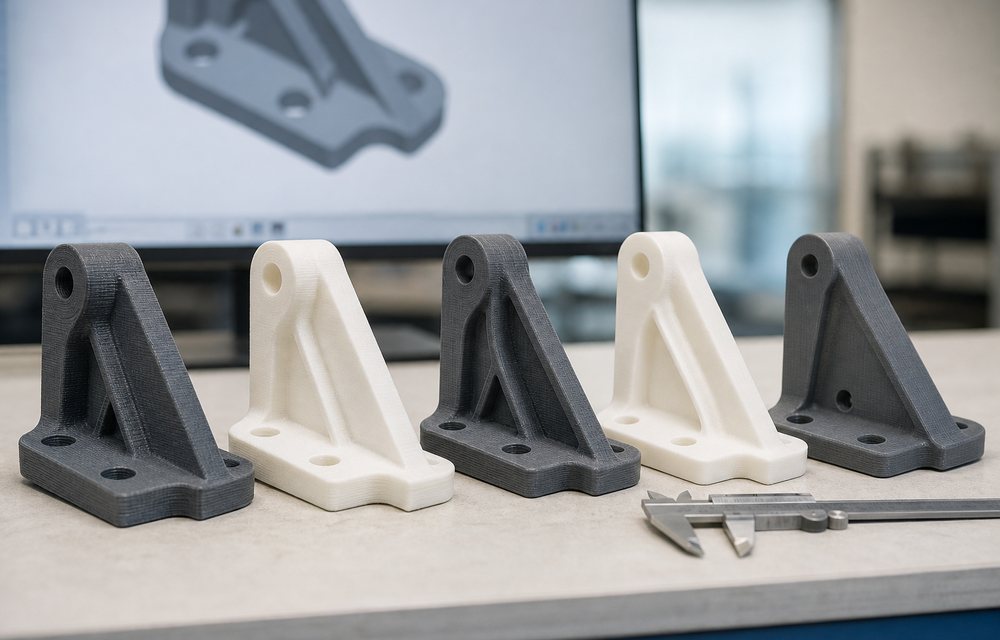
Printed, the same fixture is modelled in the morning, built overnight and in service on the next shift — and when it is wrong, it is wrong by one night’s work rather than six weeks and an invoice. That is the whole argument, and it is why jigs and fixtures are where almost every factory’s additive programme starts.
Six Things That Decide Whether It Works
The mistakes that come back to us, and how to design them out before the file is sent.
Make the datum obvious
A fixture that can be loaded two ways will be. Design a hard stop, an asymmetric nest or a printed-in label so there is only one way the part sits.
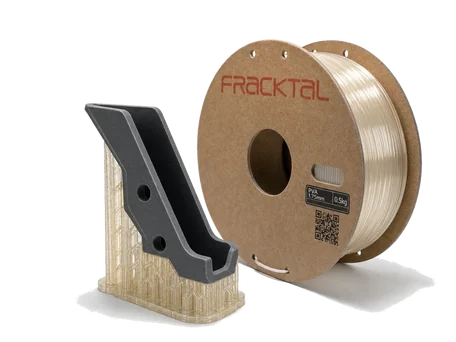
Print nests hollow, ribbed and thick-walled
3 mm walls with 25 % gyroid is stiffer per gram than 100 % infill and prints in a third of the time.
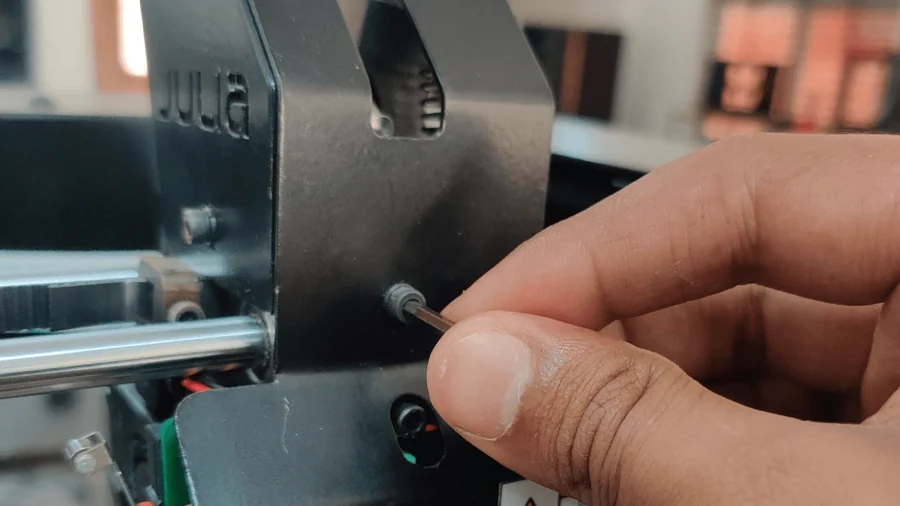
Print inserts in, do not glue them on
Heat-set brass inserts, magnets and dowel bushes fitted after printing survive shop-floor life; adhesive does not.
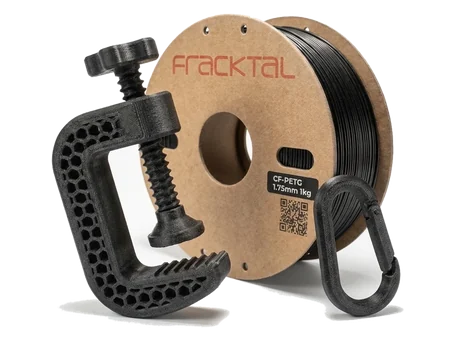
Use CF-Nylon where it must not flex
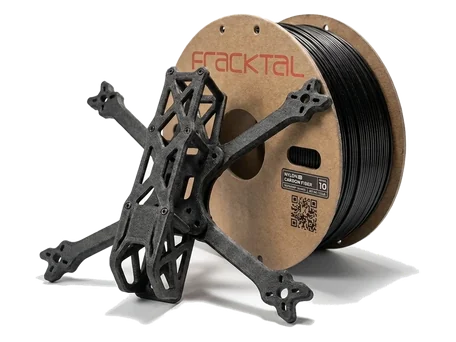
A checking fixture that deflects under the part is measuring itself. CF-Nylon is the stiffest thing we print.
Date and revision on the part
Emboss the revision into the fixture. It costs nothing and it stops the wrong revision staying in service for a year.
Protect the product surface
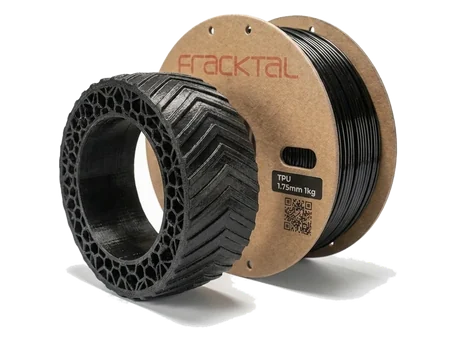
A TPU pad on the contact faces stops the fixture marking a finished part.
Which Material for Which Part
| The part | Process & material | Why |
|---|---|---|
| Checking fixture | FDM · CF-Nylon | Stiff, dimensionally stable, survives the floor |
| Assembly jig | FDM · PET-G | Tough and cheap; revise it without flinching |
| End-of-arm tooling | SLS · Nylon 12 | Light and complex, no supports in the channels |
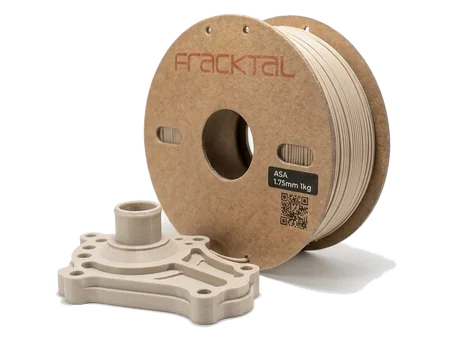
| Soft contact faces | FDM · TPU 95A | Grips without marking |
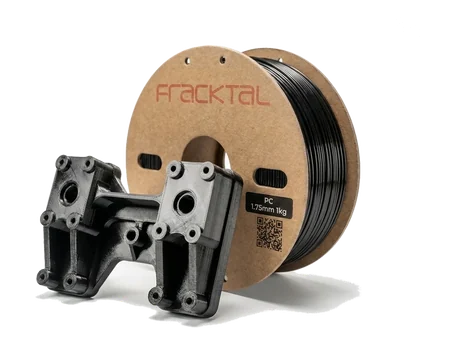
| Hot-environment fixture | FDM · Polycarbonate | Holds shape near hot machinery |
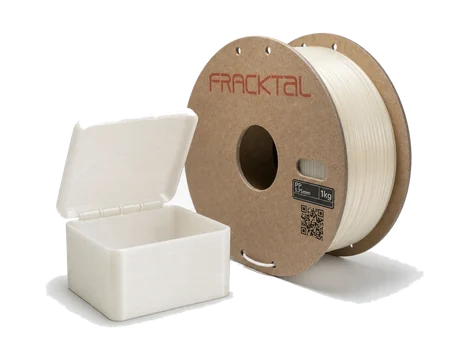
| Chemical exposure | FDM · PP | Inert to the process chemistry |
How We Would Make It


SLS 3D Printing
Nylon powder bed. No supports, so geometry stops being the constraint.


Vacuum Casting
Moulded-looking parts in colour, without a steel tool.

Finishing & Assembly
Sanded, painted, inserted and assembled before it ships.
People Who Print This Also Print

Manufacturing Aids
Nothing that keeps a factory running is bought in useful quantities. One guard. Two guides. A pusher that was modified twice this year. Printing them changes the unit of time from weeks to hours.
Automotive Prototypes
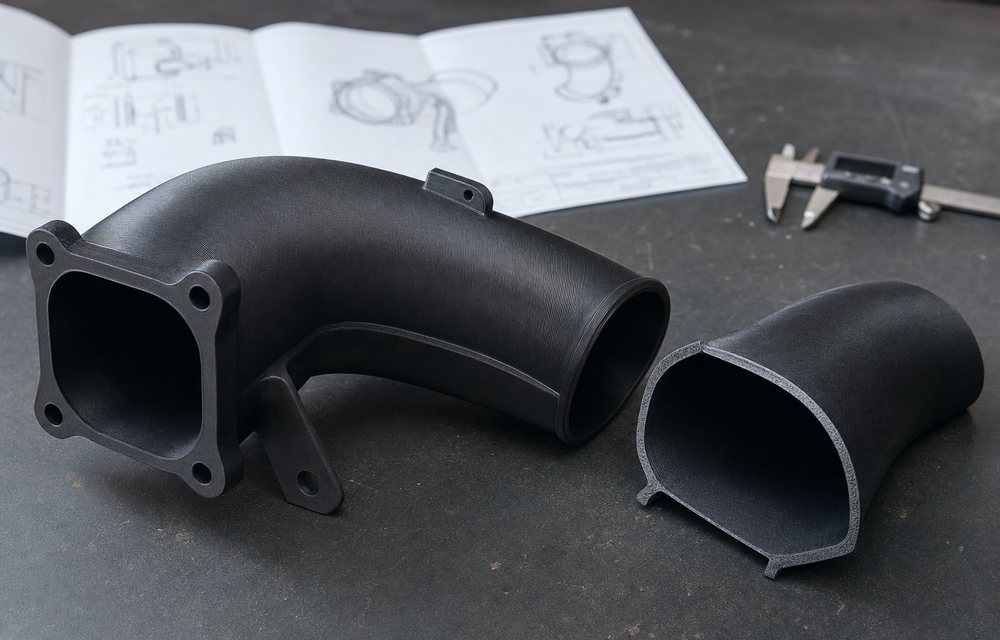
Automotive was the first industry to put additive to work and still uses it hardest — mostly not on the car, but on everything used to build and validate the car.

End-Use Parts
Somewhere between ten parts and ten thousand, tooling stops making sense. Additive fills that gap with parts that go into the product, not into a review.
Send us the part
Upload the file, tell us the quantity and say what the part has to survive. What comes back is a price and a design-for-manufacturability review.