

Tax & Classification Reference
Accurate HSN and SAC classifications and GST rates for 3D printers, filament, and printing services — so procurement and finance teams can invoice, import, and claim input tax credit with confidence.
Why classification matters
HSN and SAC codes determine the GST you pay, the input tax credit you can claim, and whether your invoices and import documents clear without dispute. For 3D printing, the correct code depends on exactly what is being supplied — a machine, a consumable, or a service. Below is how Fracktal Works classifies each, based on the relevant tariff headings.
Machinery, consumables, and spares sit under different tariff headings. The heading sets the GST and any applicable customs duty on landed cost.
A wrong HSN or SAC on a tax invoice creates reconciliation issues in GSTR filings and can delay payment from your customers.
Correctly booked GST on equipment and services flows into eligible input tax credit — misclassification risks a reversal on audit.
What’s being classified

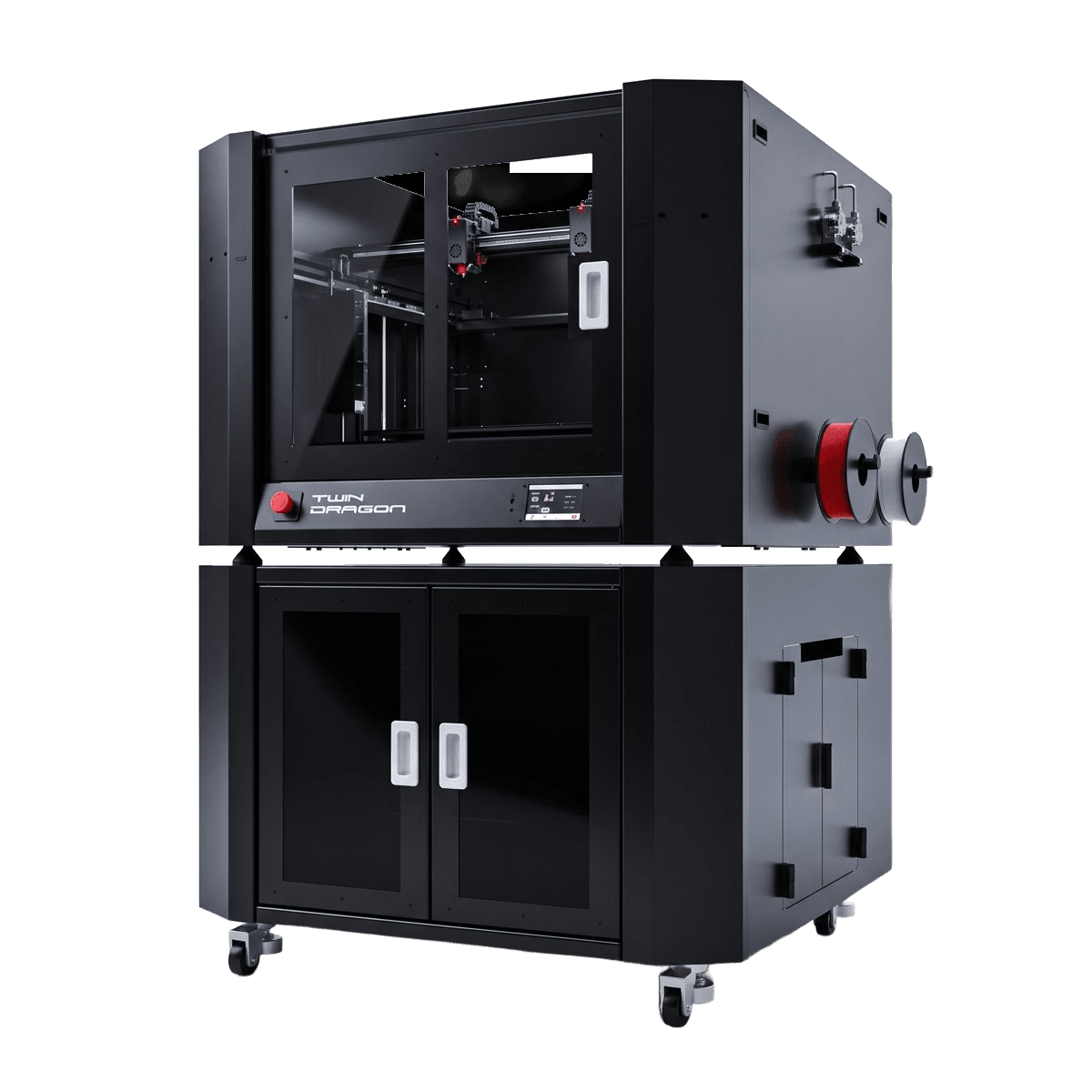
Complete FDM/SLS 3D printing machines, classified as printing machinery under heading 8443.
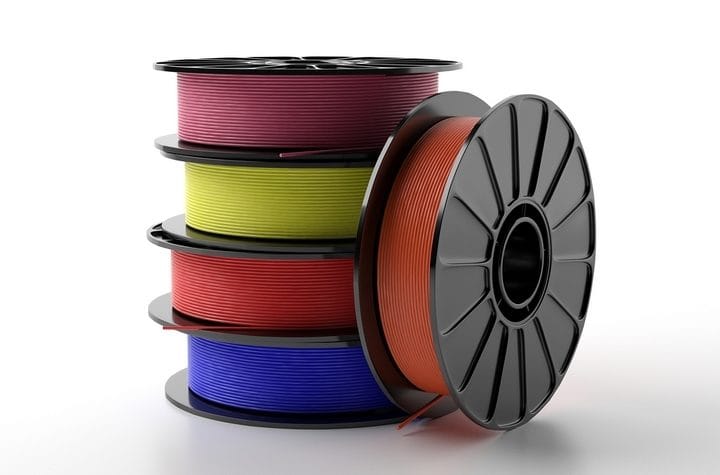
Plastic monofilament and profile shapes with cross-section over 1 mm — spooled FDM filament.

On-demand FDM manufacturing and job-work, classified as a plastic manufacturing service.
Reference table
Classifications applied by Fracktal Works across 3D printing machinery, consumables, and services in India.
| Product / Service | HSN / SAC Code | GST Rate | Notes |
|---|---|---|---|
| 3D Printers (FDM machinery)Complete printing machines | 8443HSN | 18% | Printing machinery used for printing by means of plates, cylinders and other printing components, capable of connecting to an automatic data processing machine or to a network. Excludes multi-function printers/copiers and ink cartridges. |
| 3D Printing / FDM servicesMoulding, pressing, stamping, extruding & similar plastic manufacturing services | 998920SAC | 18% | Job-work and on-demand manufacturing of plastic parts by additive/FDM processes is a service, classified under the manufacturing-services heading — not under a goods HSN. |
| 3D printer filamentMonofilament, rods, sticks & profile shapes of plastics | 3916HSN | 18% | Plastic monofilament with a cross-sectional dimension greater than 1 mm, and rods, sticks and profile shapes — the tariff heading that covers spooled FDM filament. |
| Nozzles / print-heads sold separatelySupplied as standalone parts | 8443HSN | 28% | When sold separately, print-heads fall under the multi-function printer / copier / ink-cartridge classification within heading 8443, which attracts the higher rate. Bundled with a complete machine, they follow the machine’s classification. |
GST and HSN classification can be nuanced and is subject to periodic notification changes. These codes reflect Fracktal Works’ classification for its own products and services, but the correct treatment for a specific transaction can depend on end-use, bundling, and place of supply. Confirm current rates with your tax advisor or the official GST portal before filing.
Updated as of 5 July 2026 · Verified against Fracktal Works’ published classifications.Frequently asked
It depends on how the parts are supplied. When you commission Fracktal Works to print parts on demand, that is a manufacturing service and is classified under SAC 998920 at 18% GST — not a goods HSN. The finished part itself, if sold as a traded good, would take the HSN of the article it represents. For most procurement of custom FDM parts, the 998920 service code applies.
The core 3D printing supplies attract 18% GST — this covers 3D printers (HSN 8443), printing services (SAC 998920), and filament (HSN 3916). One notable exception: nozzles and print-heads sold separately fall under a classification within heading 8443 that attracts 28% GST. Always match the rate to what is actually being invoiced.
Yes. They are fundamentally different supplies. 3D printing services use SAC 998920 (a services code for moulding, pressing, extruding and similar plastic manufacturing services). 3D printer filament is a physical good and uses HSN 3916 (plastic monofilament and profile shapes with cross-section greater than 1 mm). Both are taxed at 18%, but the codes are distinct and must be used correctly on the invoice.
Fracktal Works designs and builds 3D printers in-house in Bangalore and runs a production 3D printing service. If you need the right classification for a purchase order, a bulk filament supply, or an on-demand manufacturing quote, our team can help you get the paperwork and the parts right.
This page is a general reference for HSN/SAC classification and GST rates on 3D printing in India. It is not tax advice. Confirm current rates with your tax advisor or the GST portal.