











Research Done on Fracktal Machines
When a lab publishes with a machine, the machine becomes part of the method. This page keeps the peer-reviewed studies we know of that built their specimens on Fracktal Works printers or prepared them with our Fracktory slicer, each with a link to the paper itself. It will grow: if your group has published with one of our machines, we want it here.
Published Studies, With Citations
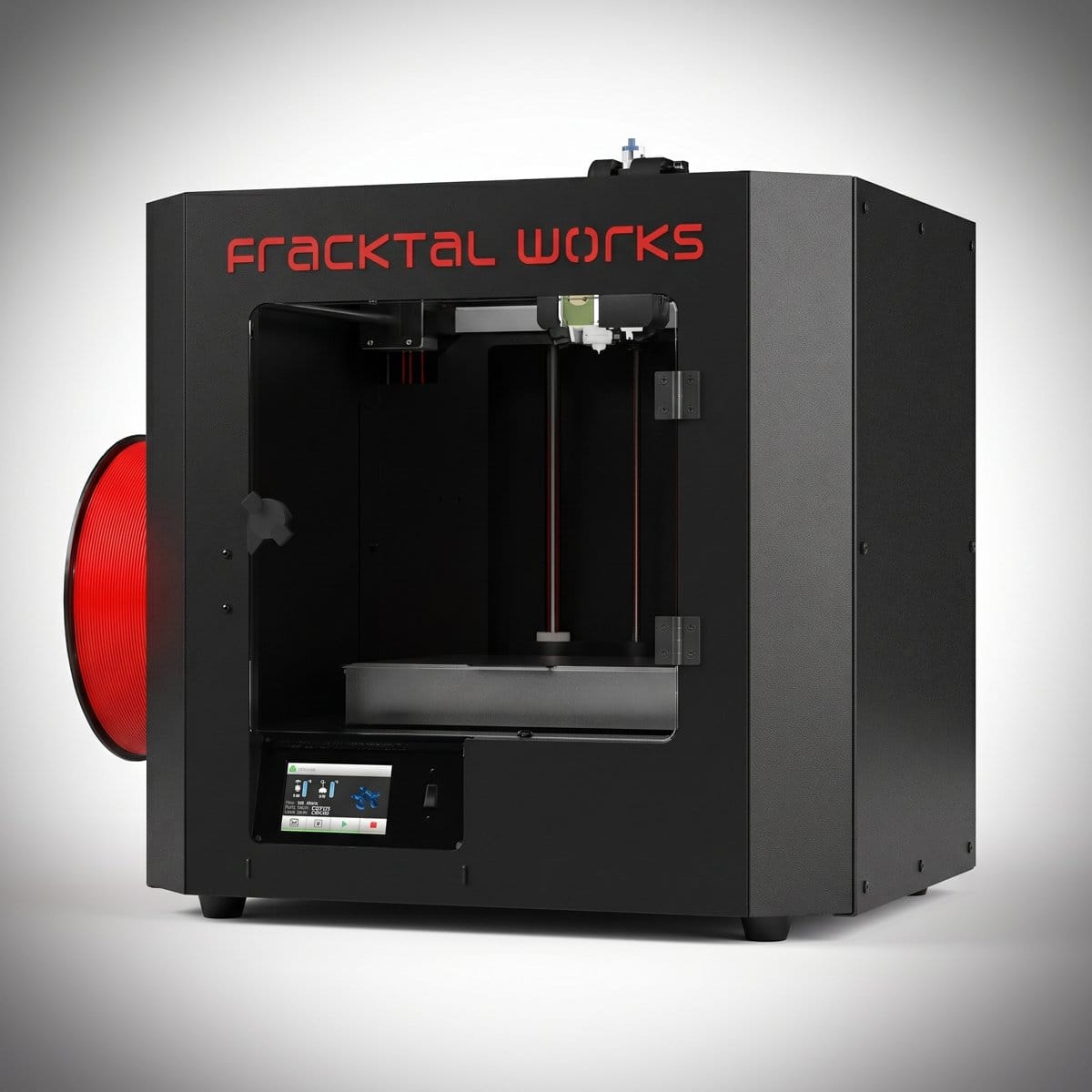
Every claim here is checkable: the last column links to the paper. Entries state exactly what the Fracktal connection was, machine or software, as the paper reports it.
| Study | Institution | Fracktal connection | Published in |
|---|---|---|---|
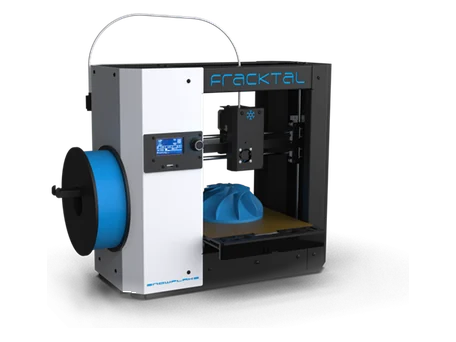
| Compressive behaviour of 3D printed sandwich structures based on corrugated core designHaldar, Managuli, Munshi, Agarwal and Guan, 2021 | Manipal Academy of Higher Education, with the University of Liverpool | Corrugated triangular and trapezoidal sandwich cores printed in carbon-fibre-reinforced PLA on a Julia Extended, then crushed under quasi-static compression. | Materials Today Communications 26, 101725 |
| Exploring the impact of epoxy coated 3D-printed polymers on surface roughness and mechanical behaviourHiremath, Dsouza, Chiniwar, H M and Mallikarjuna, 2024 | Manipal Academy of Higher Education | PLA and ABS test specimens prepared with Fracktory, Fracktal Works’ slicing software, before printing, coating and testing. | Results in Engineering 23, 102779 |
| Thermal conductivity of copper filled polymer composites synthesized by FDM processDayananda Sagar College of Engineering, 2019 | Dayananda Sagar College of Engineering, Bengaluru | Copper-filled ABS filament, extruded in-house and printed into conductivity specimens on a Julia. | TJPRC (Scopus-indexed), via ResearchGate |
Sandwich Panels, Crushed for Science
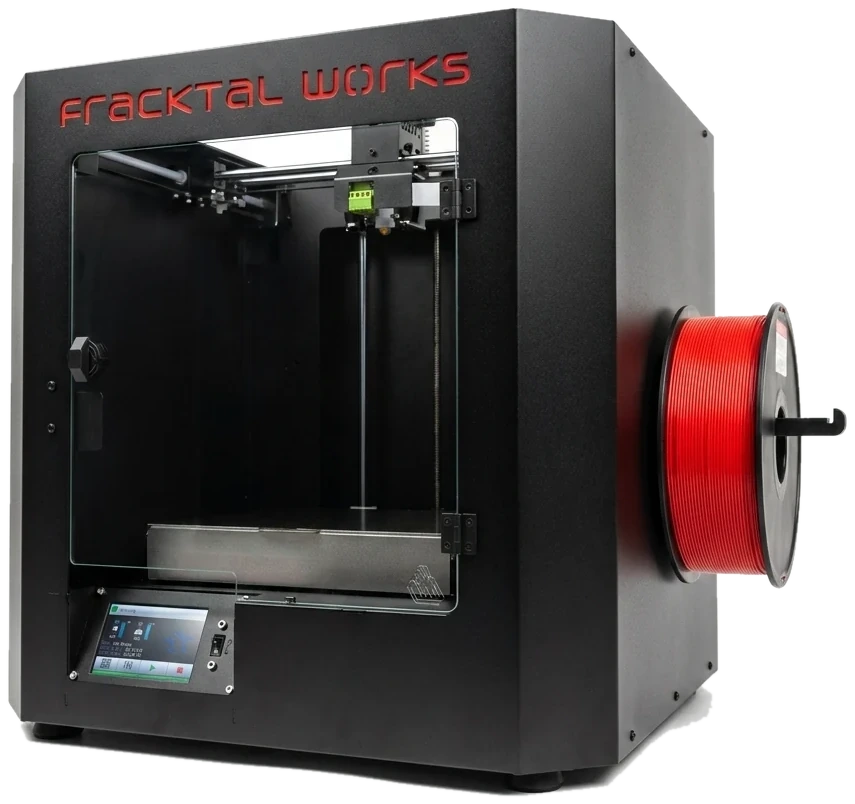
The 2021 Manipal and Liverpool study is the kind of work a machine earns its keep on: the team printed corrugated triangular and trapezoidal sandwich cores in carbon-fibre-reinforced PLA on a Julia Extended, varied core thickness, skin and height, and measured how each geometry absorbed a quasi-static crush. The printer’s job was repeatability, because every specimen had to differ only by design.
That is what we mean by research-grade FDM: not exotic specs, but the same part, again and again, until the variable left is the one being studied.
Get Your Study Listed
Write to sales@fracktal.in with the DOI or a link and one line on which Fracktal machine or software the work used. We verify against the paper, add it here, and link your lab. If your equipment page lists the machines your group runs, a link back to this page or to the machine’s own page helps the next researcher find the same setup.
Put a Fracktal machine in your next paper
Tell us what you are studying and we will tell you honestly whether our machines fit the method. Labs get support from the people who built the printer.