











3D Printing for India’s Drone Manufacturers
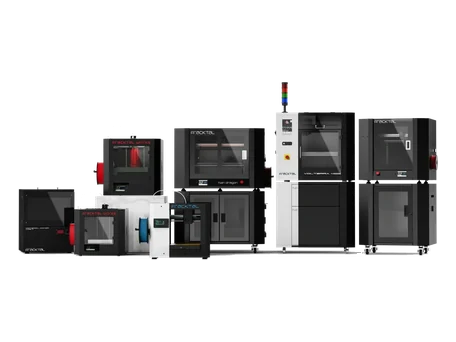
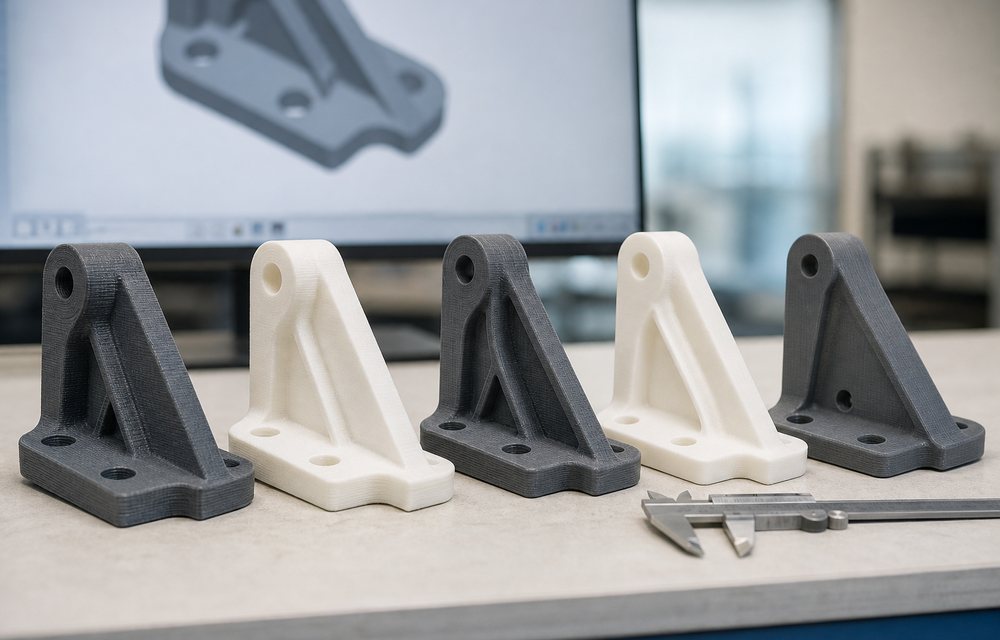
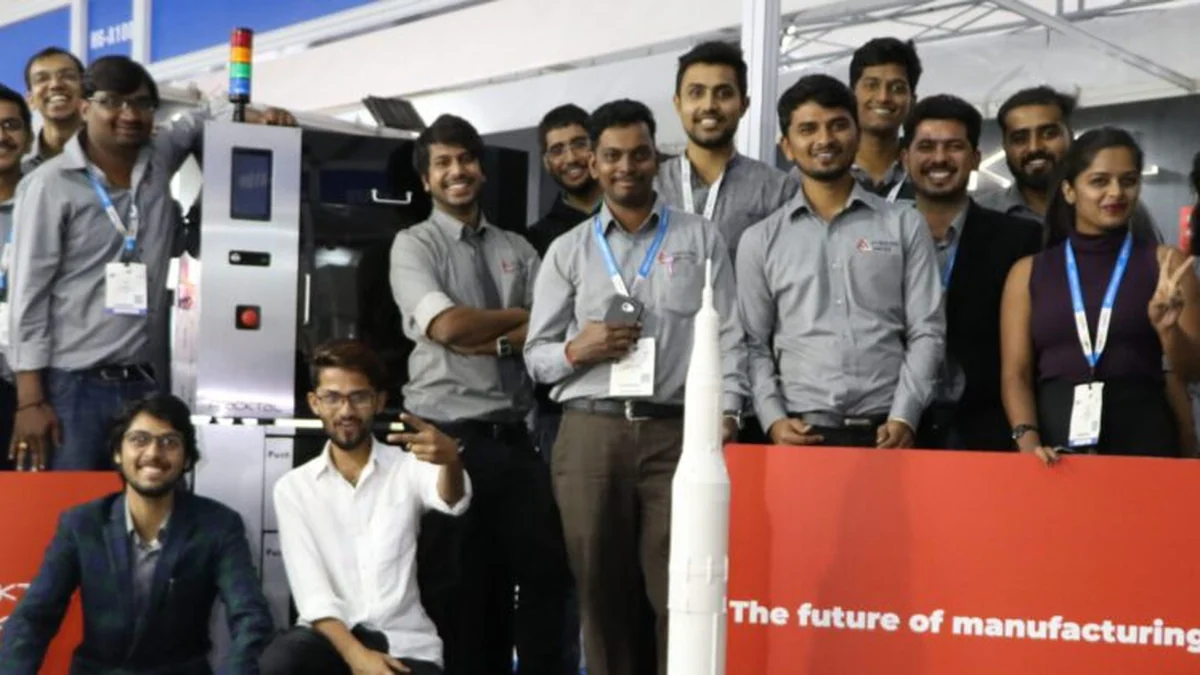
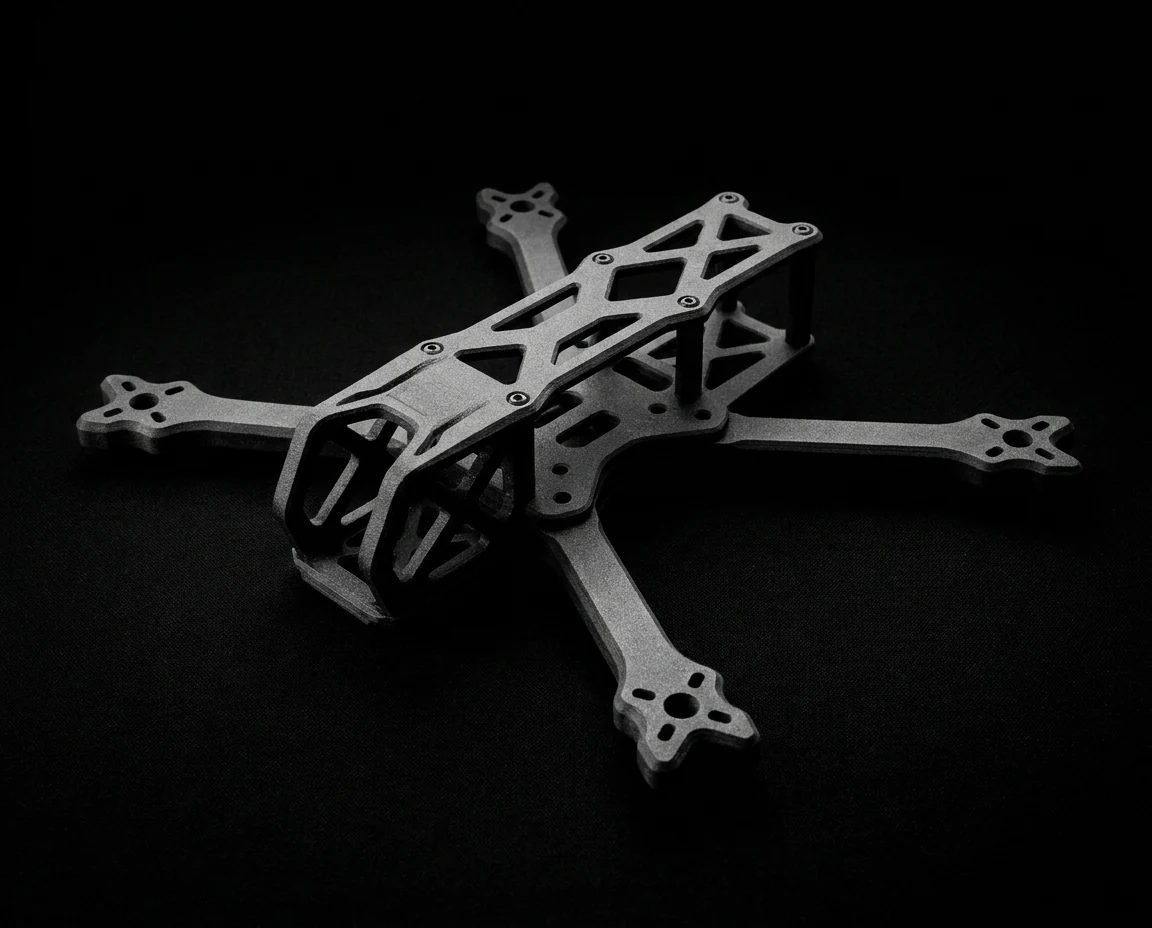
India is building its drones at home, and the parts business underneath them is moving just as fast. Fracktal prints airframes, arms and mounts in CF-Nylon and SLS nylon, and builds the printers themselves, at one facility in Bangalore.
Trusted, recognised and featured











The Airframe Is an Argument Between Stiffness and Mass
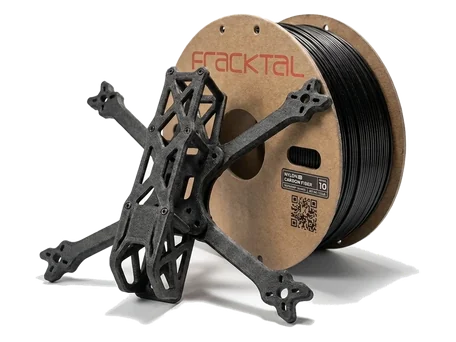
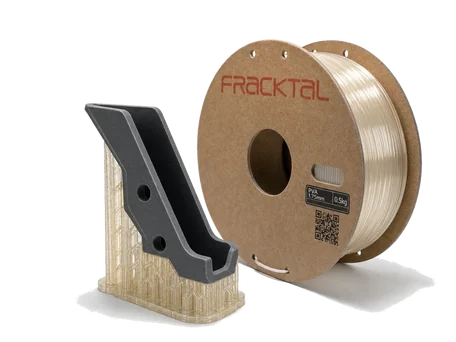
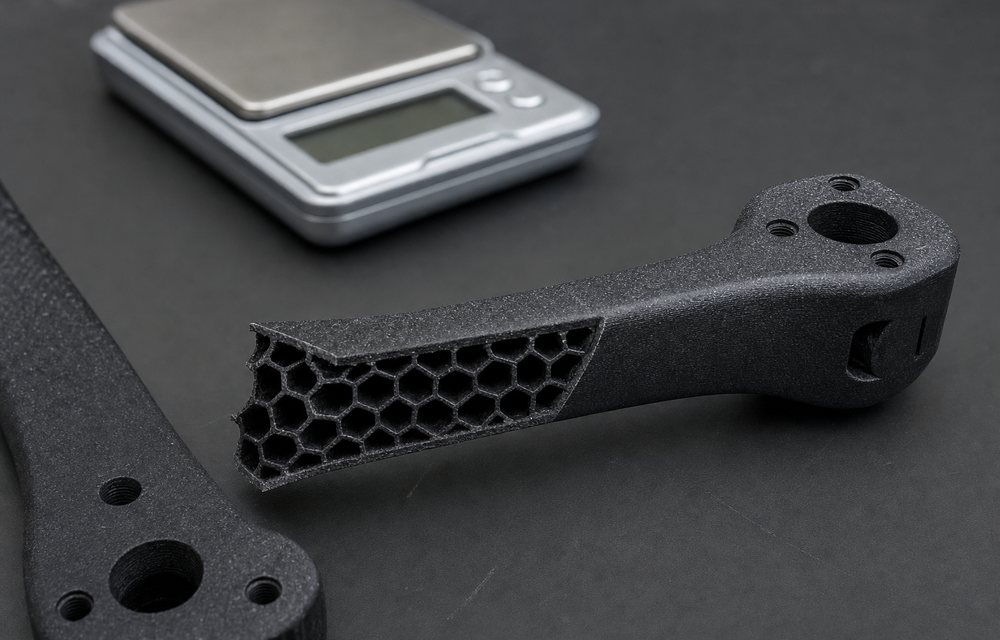
Every structural decision on a UAV is settled in grams. Printed CF-Nylon wins that argument more often than anything else we run. It gives 82 MPa at 1.10 g/cm³, and it damps vibration in a way aluminium cannot, which shows up directly in flight-controller noise.
Just as important, the argument can be re-had next week. A revised arm or mount flies days after the crash that killed the last one, with no tool to amortise and no minimum quantity to fill.
What an Indian OEM Buys a Drone Programme
Most “indigenous” part supply still runs on imported machines and imported software. Here the chain is Indian below the part, not just at the invoice.
Machines built here, not imported
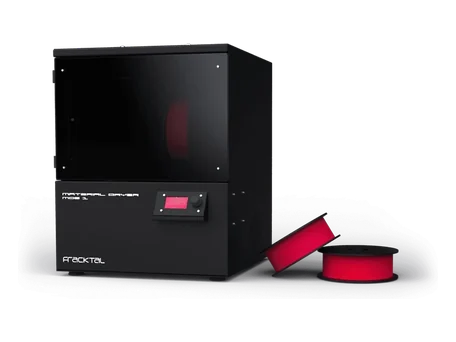
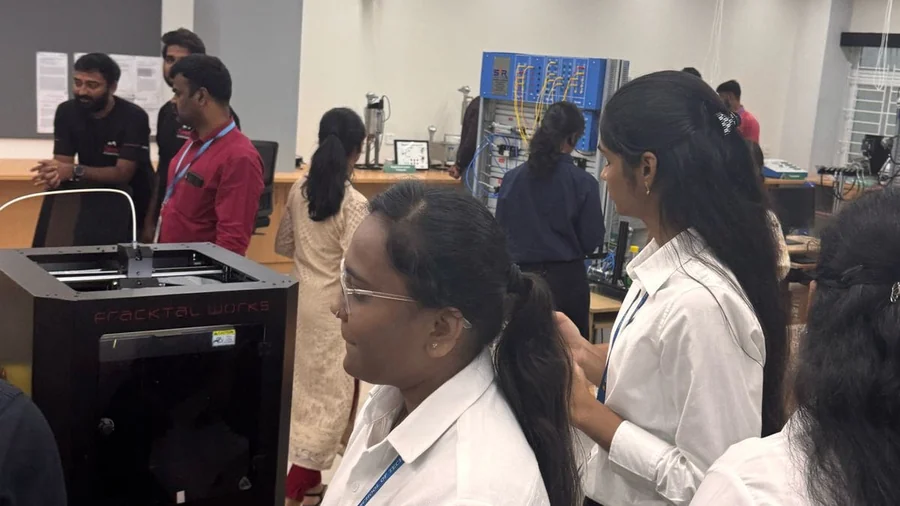
The printers your parts run on are designed, built and calibrated at our Bangalore facility, motion systems, electronics and firmware included.
One facility, in-country
Files come to our Bangalore facility and parts ship from India. For programmes where data residency matters, that is the shortest chain on offer.
Stiffness per gram, on tap
CF-Nylon gives 82 MPa at 1.10 g/cm³, the highest specific stiffness we publish, and damps vibration in a way aluminium does not.
Iterate between flights
No tooling means design N+1 flies days after design N crashes. The airframe improves at the pace of the test programme, not the toolroom.
Consolidate the assembly
SLS turns a motor mount, cable route and antenna boss into one part. Fewer fasteners, fewer failure points, fewer grams.
Engineers, not a sales layer
Every quote comes with a design-for-manufacturability review from the team that builds the machines it will print on.
India Is Building Its Drones at Home, by Policy
The import of ready-built drones has been prohibited since 2022 while components stay open, and a production-linked incentive scheme pays manufacturers to build both here. Defence procurement pulls the same direction: indigenous content is scored, not just welcomed.
That is the gap this page is about. Parts printed at Fracktal are made on printers designed and built in Bangalore, sliced in software we wrote ourselves, so the supply chain under your airframe is as Indian as the drone on top of it.
Which Material for Which Part
| The part | Process & material | Why |
|---|---|---|
| Arms and booms | FDM · CF-Nylon | Highest specific stiffness, damps vibration |
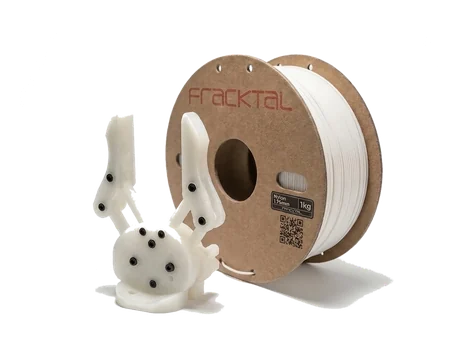
| Complex airframe body | SLS · Nylon 12 | Consolidated, light, no supports |
| Payload and gimbal mounts | FDM · CF-Nylon | Stiff and dimensionally stable |
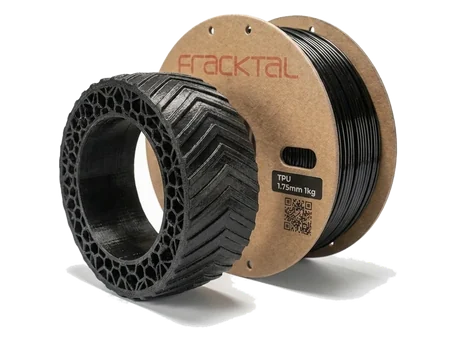
| Vibration isolators | FDM · TPU 95A | Tuned compliance where you want it |
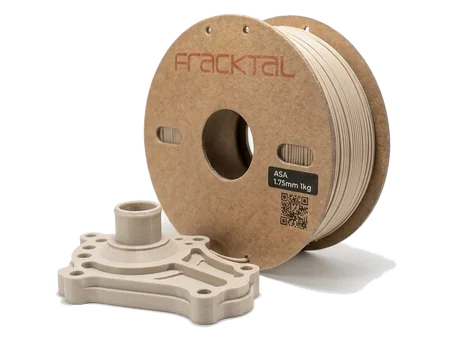
| Canopies and fairings | FDM · PET-G or ASA | Tough; ASA if it lives in the sun |
| High-temperature areas | FDM · Polycarbonate | Near ESCs and motors |
Or Put the Machine on Your Own Floor
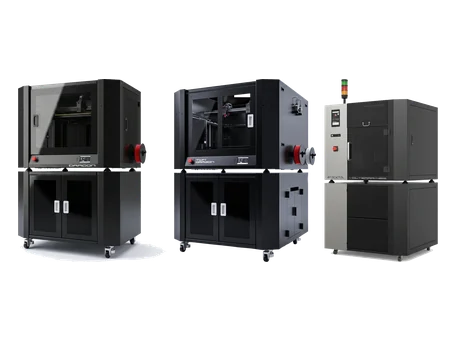
Some programmes cannot send files out at all. The printers we run in Bangalore are the printers we sell, supported by the team that designed them.
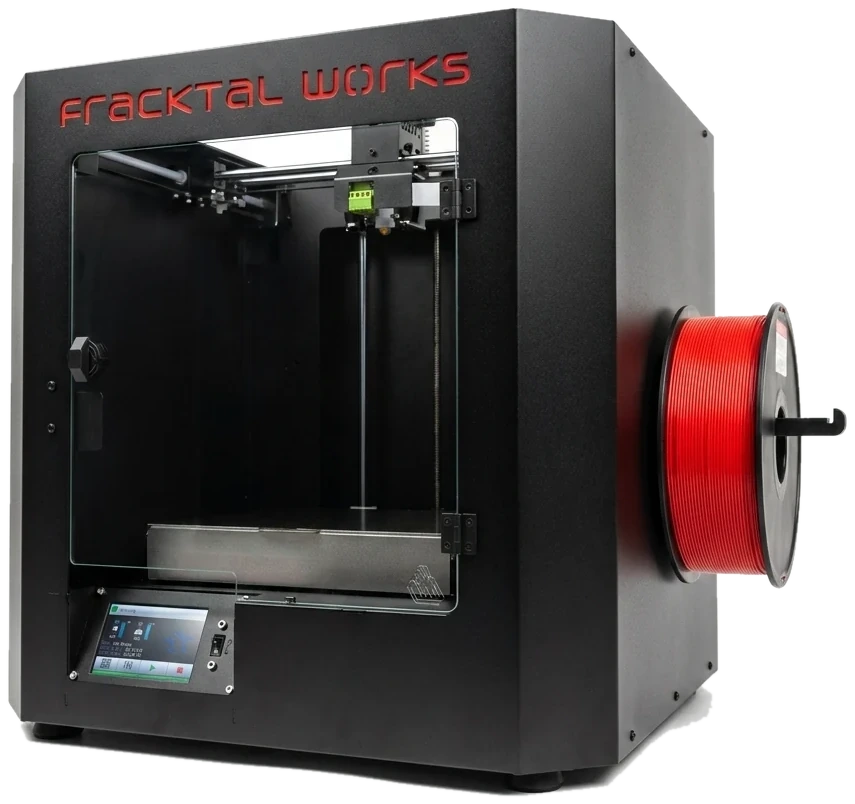
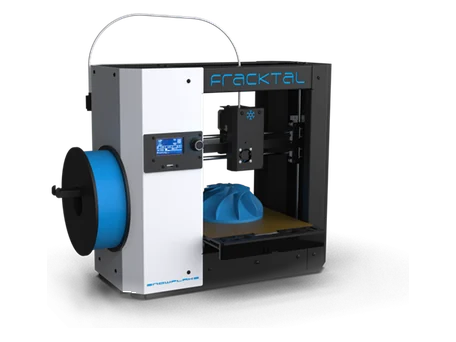
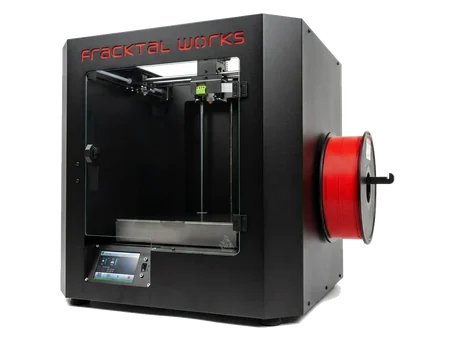
Julia
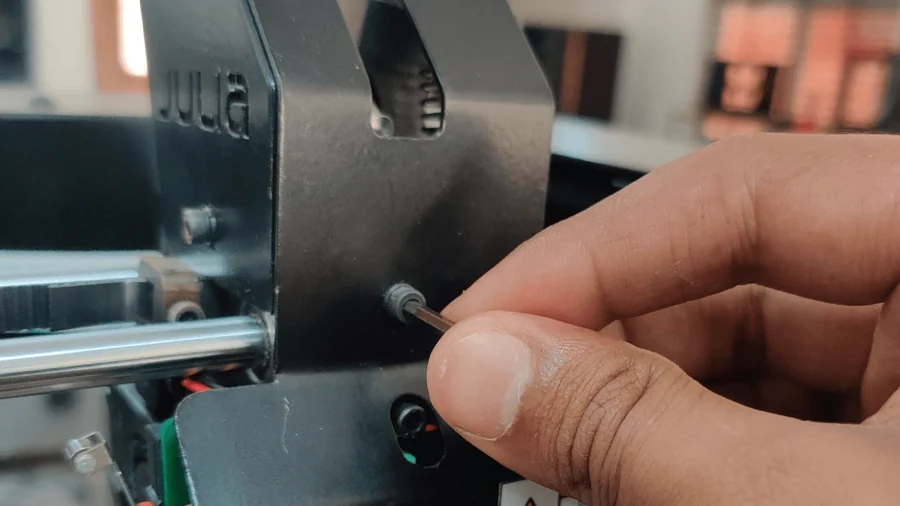
High-temperature, multi-material printing with remote monitoring built in. The machine for CF-Nylon arms and mounts.
- Build volume: up to 250 × 250 × 300 mm
- Materials: PC, Nylon 12, Nylon CF, TPU & more
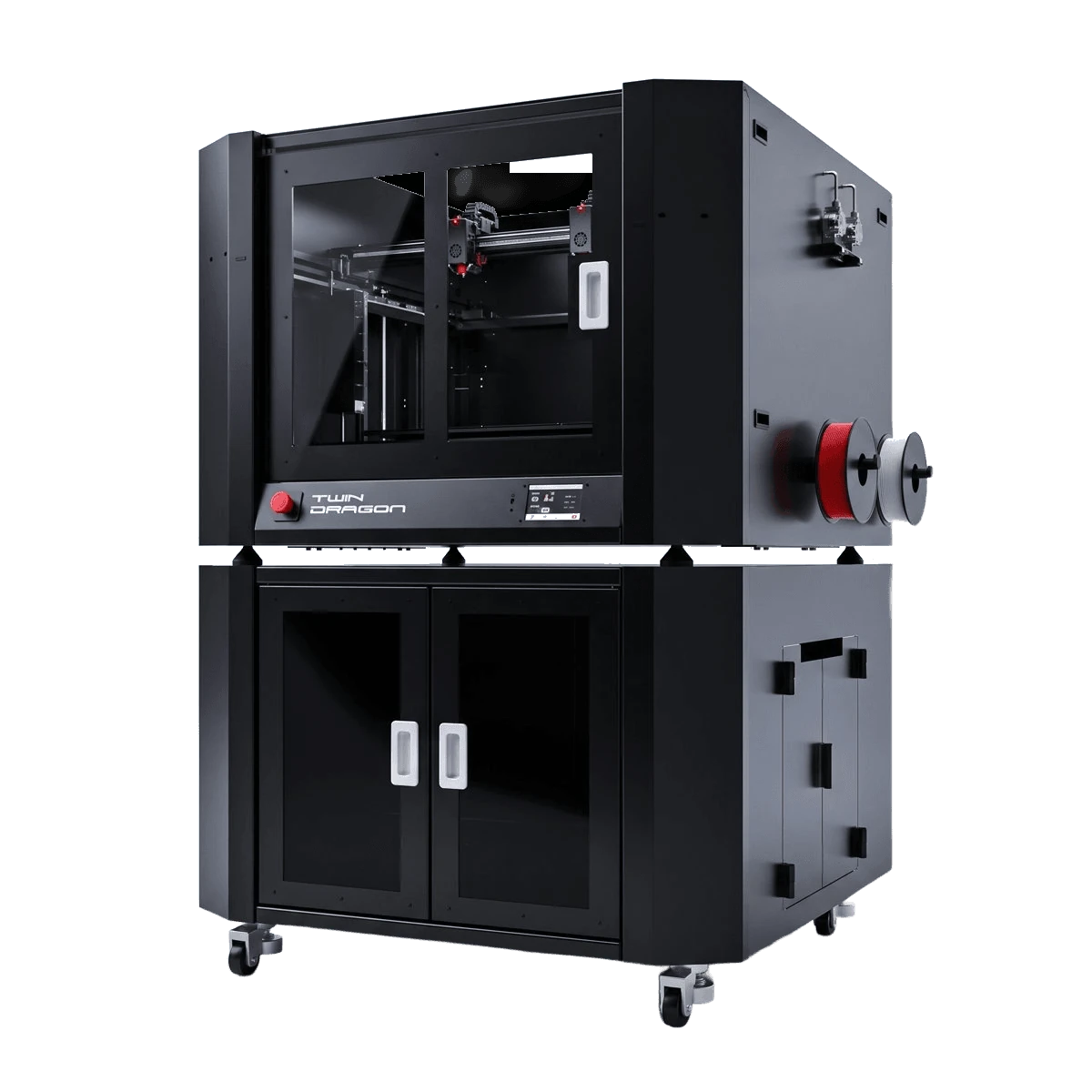
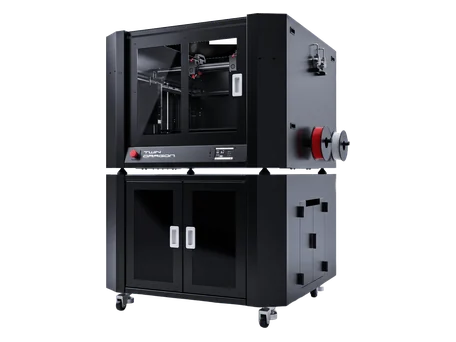
Twin Dragon
IDEX architecture with a 600 mm bed: full-scale airframes, or duplicate-mode batches of arms.
- Build volume: up to 600 × 600 × 400 mm
- Print speed: up to 500 mm/s
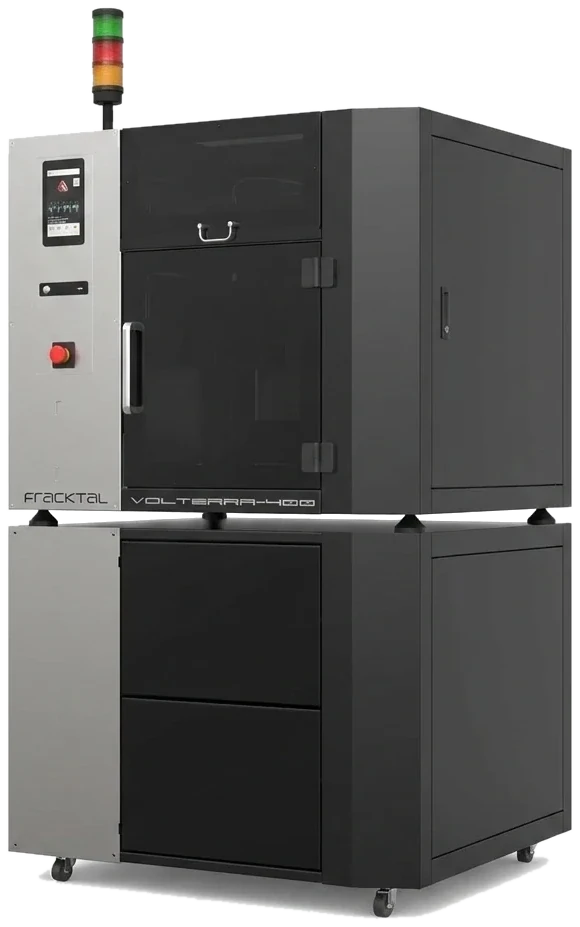
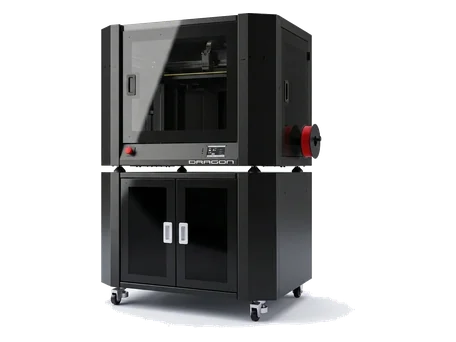
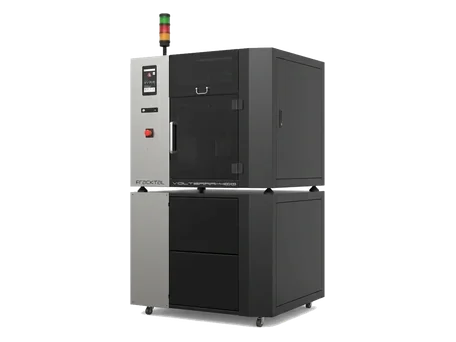
Volterra-400
A heated-chamber industrial FFF platform for engineering polymers, built for parts that must survive heat and load.
- Chamber: heated, for engineering polymers
- Materials: PEEK, ULTEM, carbon-fibre nylon
Common Questions
Do you manufacture complete drones?
No. Fracktal is a 3D printer OEM and additive-manufacturing service, not a drone maker. For drone manufacturers we print the structure: airframes, arms, plates, mounts, ducts and housings. Propulsion, avionics and integration stay with you.
Can you supply parts to defence-sector drone programmes?
Structural UAV parts are printed at our own Bangalore facility, and FDM parts run on machines we design and build ourselves, which makes the chain an indigenous one end to end. If your programme carries security or export-control conditions, raise them with us before sending files and we will tell you plainly whether we can meet them.
Which material should an airframe use?
Printed CF-Nylon is the default for arms and booms, at 82 MPa and 1.10 g/cm³ with good vibration damping. SLS Nylon 12 wins on complex, consolidated bodies; TPU 95A makes tuned isolators; polycarbonate goes near ESCs and motors; ASA lives outside in the sun.
What quantities do you work at?
The minimum order is one part. Additive has no tooling, so a batch of two hundred is priced by machine time and material rather than amortisation. When volume justifies it, the same machines can go on your own floor.
Where are the parts made?
At Fracktal’s facility in Bangalore, the same site where we design and build the printers themselves. Send the file, the quantity and what the part has to survive, and a design-for-manufacturability review comes back with the price.
Send Us the Airframe
Upload the file, the quantity and what it has to survive. You will get a design-for-manufacturability review and a price back, from the team that builds the machines.