











Polycarbonate (PC)
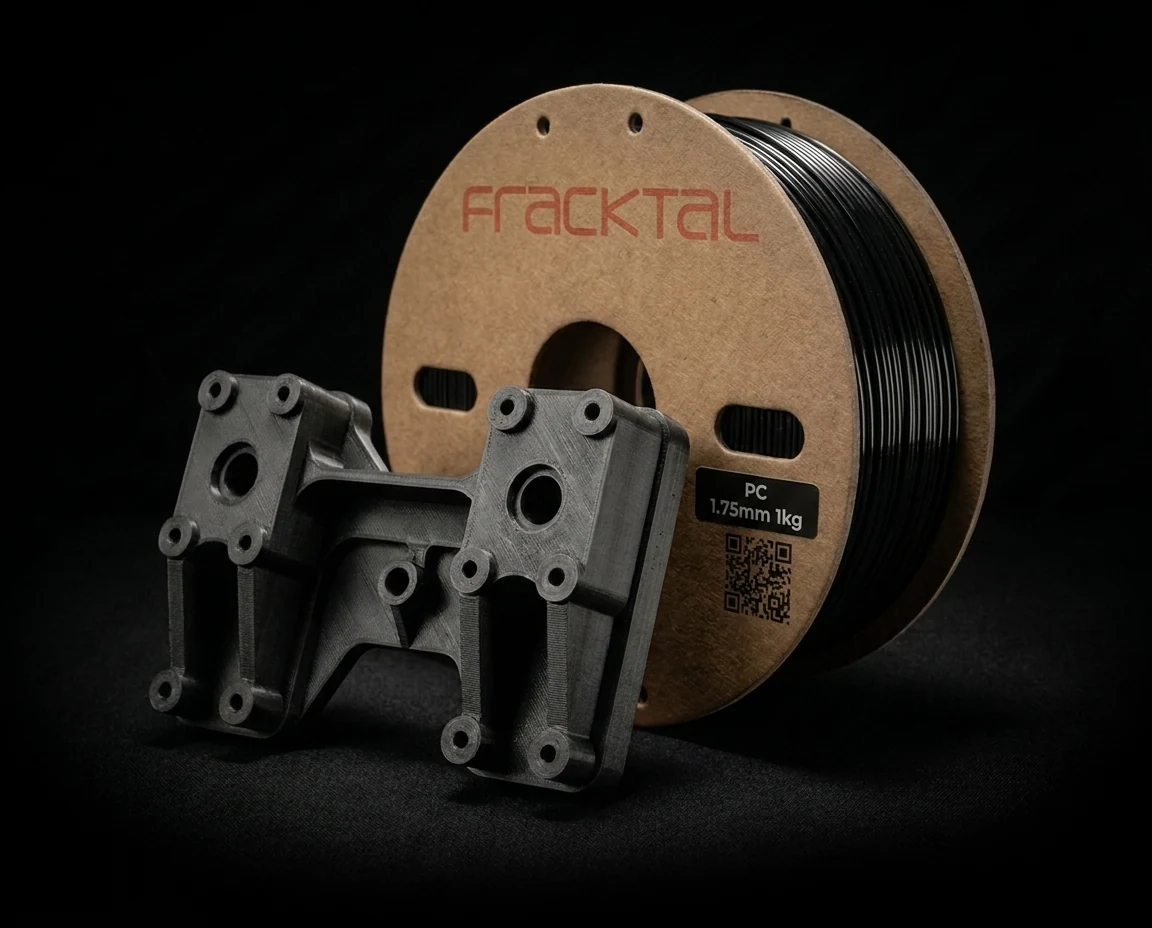
Filament
The highest impact resistance in the range, and heat deflection second only to CF-PA. The choice when nothing cheaper survives.
Quick Reference
- Material properties
- High-Performance Engineering
- Polycarbonate (PC)
- None
- 62 MPa
- 134 °C
- 1.20 g/cm³
- Moderate — dry 70 °C / 8 h before printing
- 280–300 °C
- ≥ 0.4 mm
- Hardened steel
- 100–120 °C
- Required + heated chamber (65–75 °C)
- Sand, drill, tap, polish to optical clarity
Material Property Profile
Values scored 0–10 from measured mechanical data and print process behaviour. Select a material above to compare properties.
Key Properties
PC tops the range on impact and sits near the top on heat. The printing difficulty is the price of both.




Machine Requirements
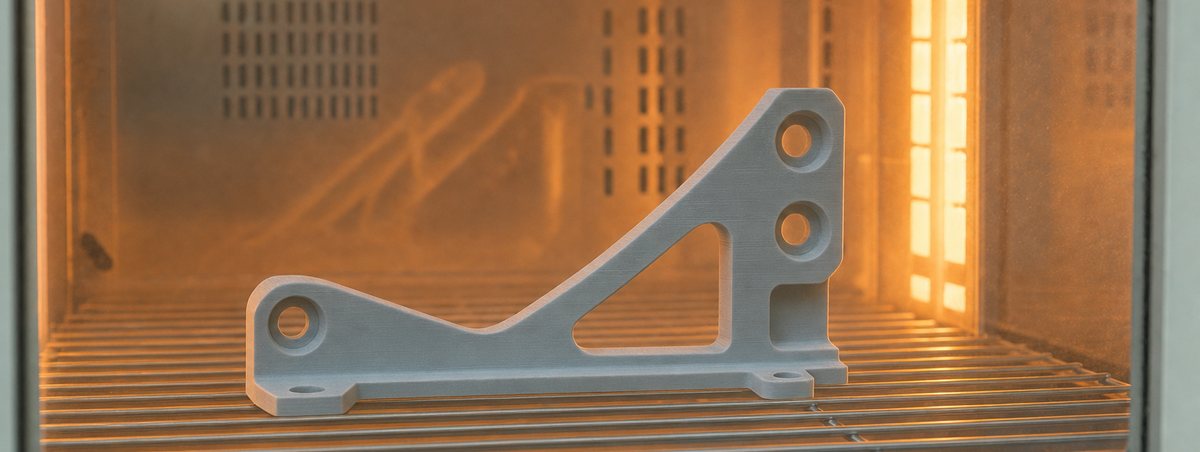
The most demanding material in the range. Read every row before you buy the spool.
| Requirement | Minimum Spec | Recommended |
|---|---|---|
| Nozzle Temperature | 270 °C | 280–300 °C |
| Bed Temperature | 100 °C | 110–120 °C |
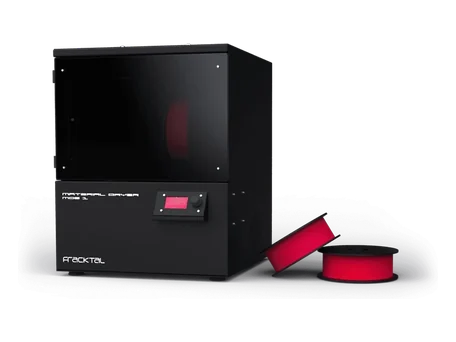
| Enclosure | Enclosed (required) | Heated chamber 65–75 °C |
| Chamber Temperature | 55 °C | 65–75 °C |
| Nozzle Material | Hardened steel | Hardened steel |
| Cooling Fan | Off | Off (delamination risk) |
Heated chamber critical. PC delaminates between layers without a chamber temperature of 65–75 °C. Open-frame or passively enclosed printers will produce structurally weak prints. A 280–300 °C all-metal hot-end is also mandatory. PC needs the hottest plate of the twelve — bed, chamber and adhesive for the shrinking materials.
Applications by Industry

Safety & Protection
- Protective shields & barriers
- Safety goggles & lenses
- Machine guards

Automotive
- Under-bonnet structural components
- High-temp sensor housings
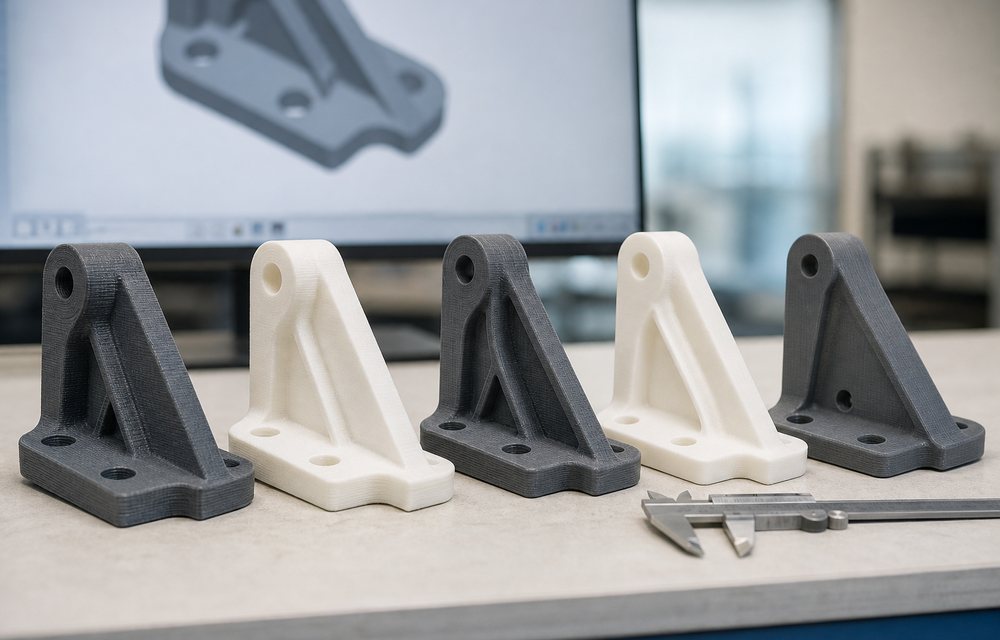
- Interior structural brackets

Electronics
- High-impact device enclosures
- LED light pipes
- Electrical insulation parts

R&D / Prototyping
- High-temperature functional prototypes
- Load-bearing test specimens
- Optical light-guide prototypes
Tensile Strength Across the Range (MPa)
Heat Deflection vs Tensile Strength
Available Materials
When to Use Polycarbonate (PC), and When Not To
Use Polycarbonate (PC) when
- Continuous operating temperature above 100 °C
- Maximum impact resistance is the primary requirement
- Optical transparency in natural colour is needed
- Sustained load-bearing (creep resistance matters)
- Safety-critical applications with failure consequences
Avoid Polycarbonate (PC) when
- You only have an open-frame printer (delamination certain)
- Budget material for non-critical parts (use PETG or ABS)
- Chemically aggressive solvents — PC dissolves in ketones, esters
- UV-exposed outdoor applications (use ASA or UV-stabilised grades)
DfAM Tips for Polycarbonate (PC)
PC fails by coming apart between layers. Every rule here is aimed at that.

Wall Thickness ≥ 1.0 mm
PC needs 3 perimeters minimum for reliable layer-to-layer bonding. Thin walls tend to delaminate without a heated chamber.

Min Hole Diameter: 1.5 mm
PC shrinks on cooling. Add 0.1–0.15 mm to bore diameters for press-fit or clearance holes.

Heated Chamber is Non-Negotiable
PC without a 65–75 °C chamber will delaminate. If your printer cannot maintain chamber temperature, switch to PC-ABS instead.

Max Overhang: 40°
Without cooling fan, PC overhangs degrade quickly. Keep unsupported spans under 25 mm and stay inside 40°.
Printers Compatible with Polycarbonate (PC)
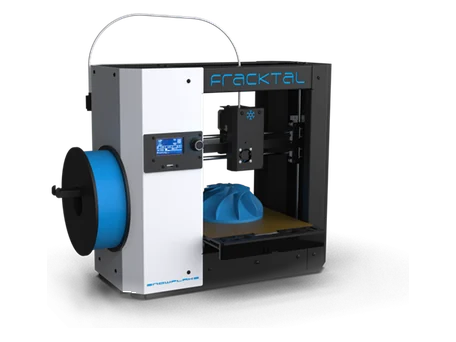
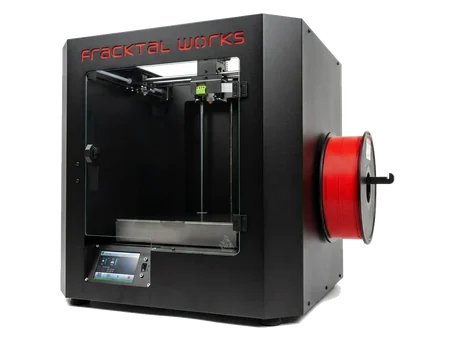
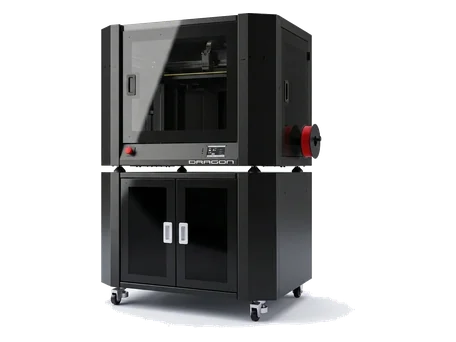
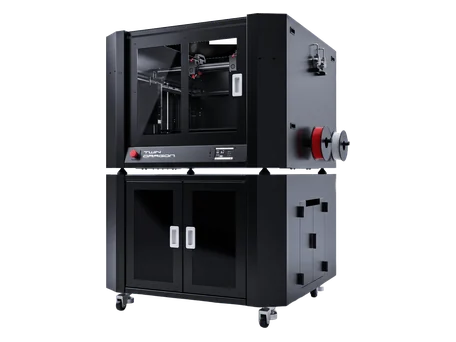
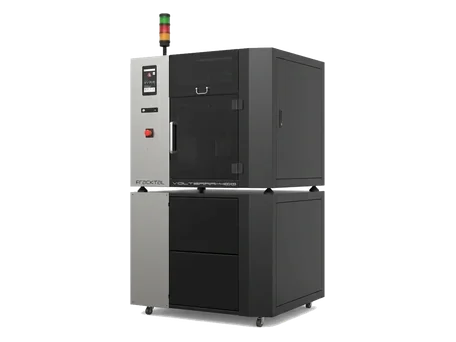
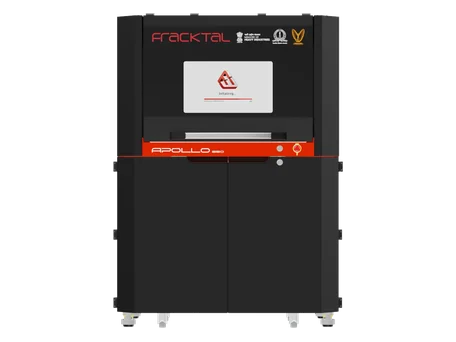
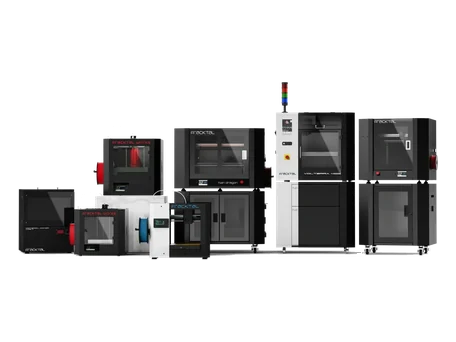
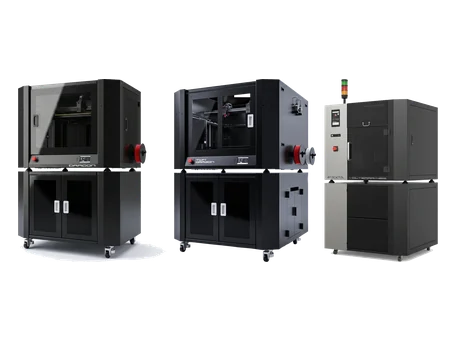
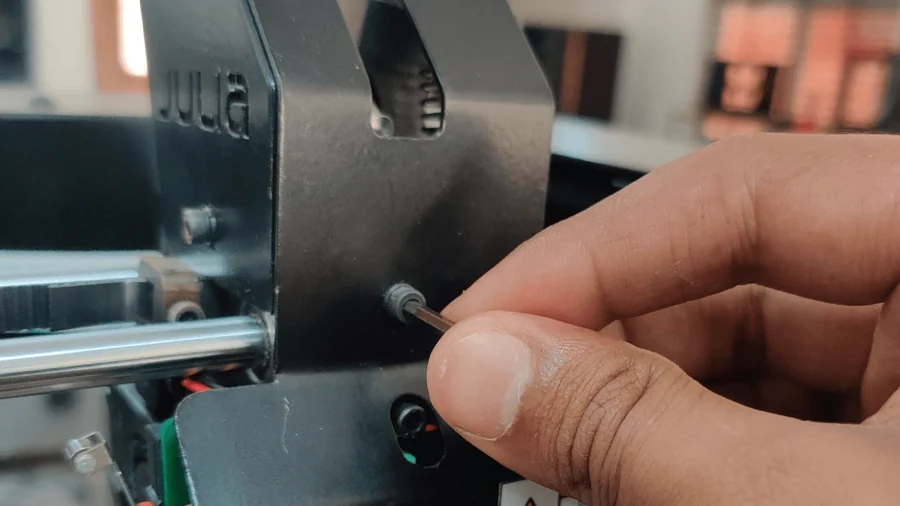
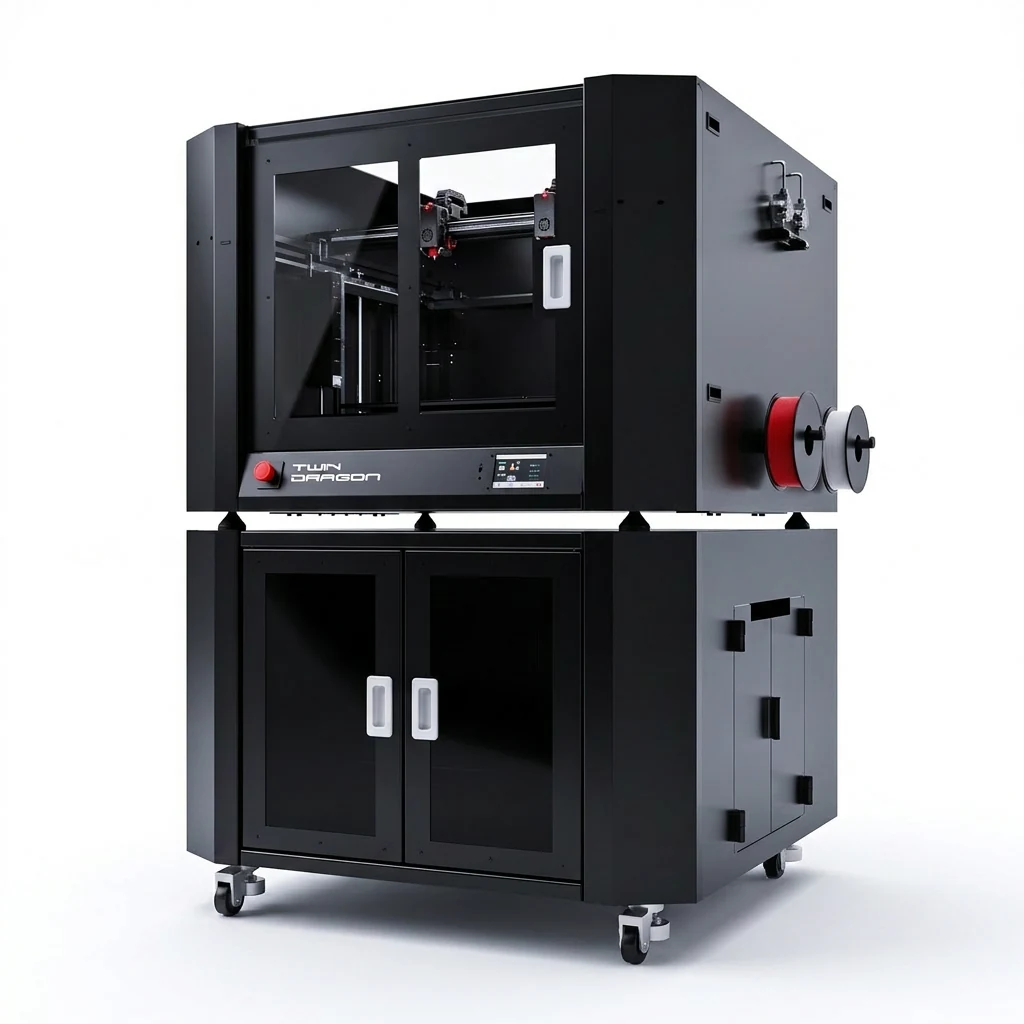
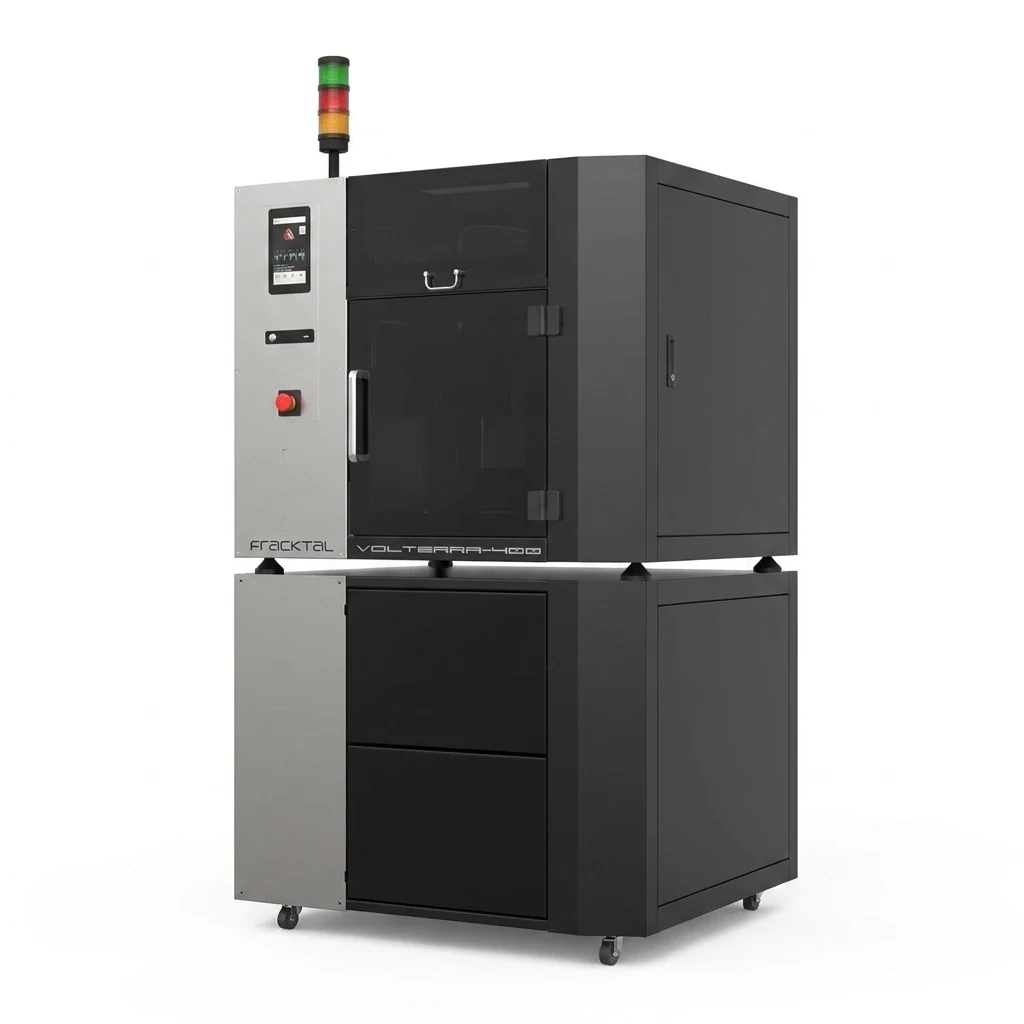
Polycarbonate demands 280–300 °C nozzle temperature and a heated chamber at 65–75 °C. Dragon, Twin Dragon, Julia, and Volterra all meet these extreme requirements.


Ready to print in Polycarbonate?
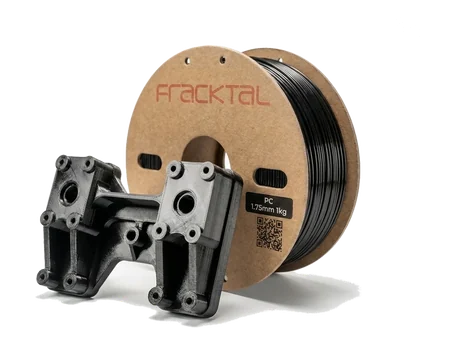
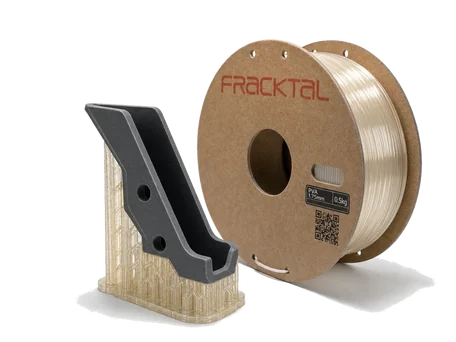
Fracktal Polycarbonate PC ships in available in 500 g and 1 kg spools.