








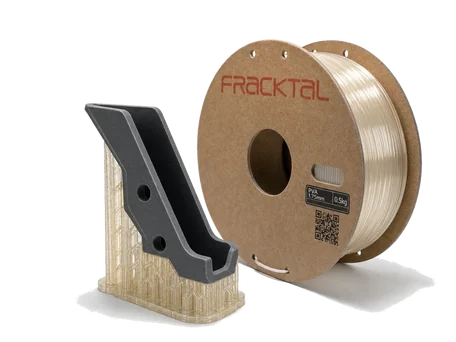



PVA Filament
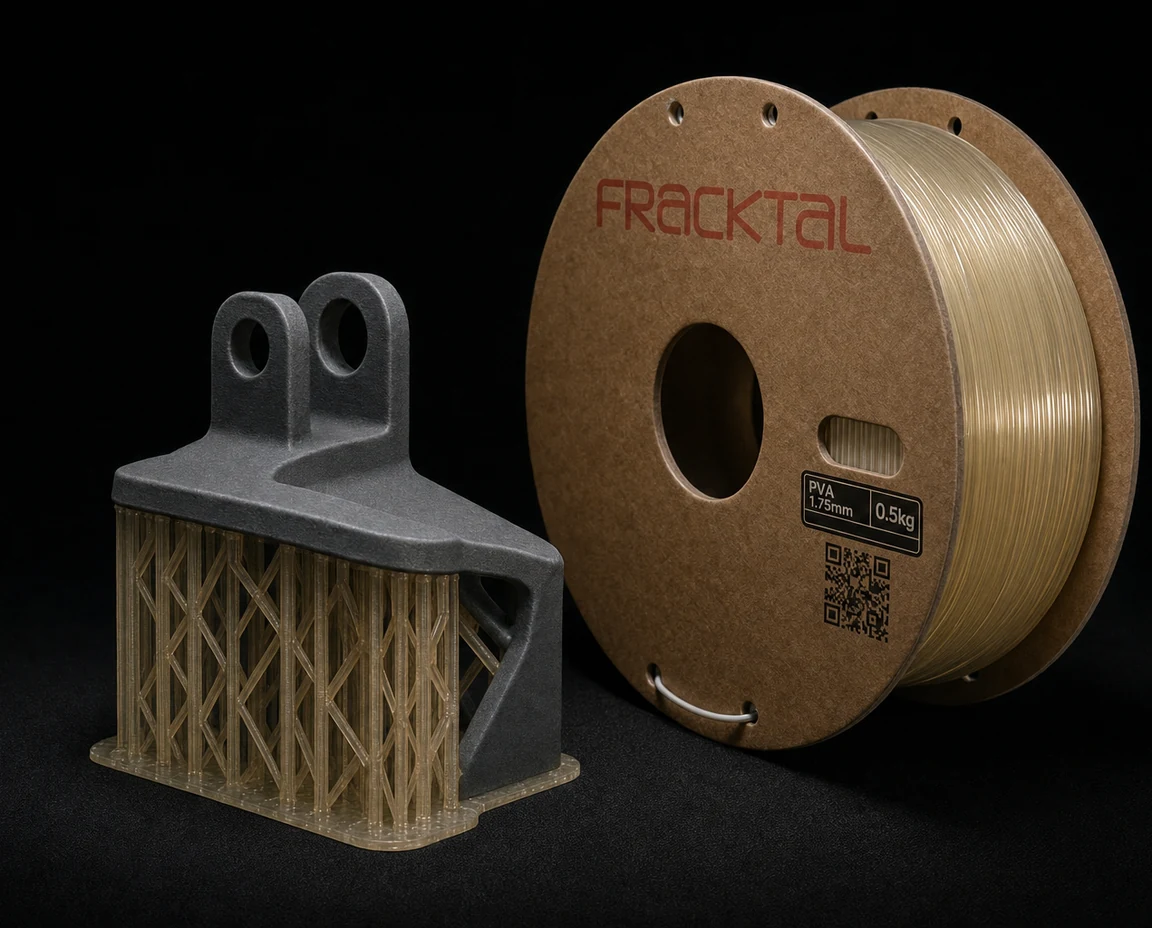
Support that walks out of the part instead of being cut out of it. Drop the print in warm water and the scaffolding disappears — including the scaffolding you could never have reached.
Quick Reference
- Material properties
- Support Material (dual extrusion only)
- Polyvinyl Alcohol (PVA)
- None
- Fully soluble in warm water, 25–30 °C
- 2–24 h — geometry, water temperature and agitation
- 25 MPa (not a structural material)
- 50 °C
- 1.25 g/cm³
- 5 % in 24 h — extremely hygroscopic
- 0.1 % — matched to the build material
- 195–210 °C
- 50–60 °C
- Not required
- Mandatory — 45 °C / 6 h, then print from a dry box
- Twin Dragon (dual direct-drive extruders)
Material Property Profile
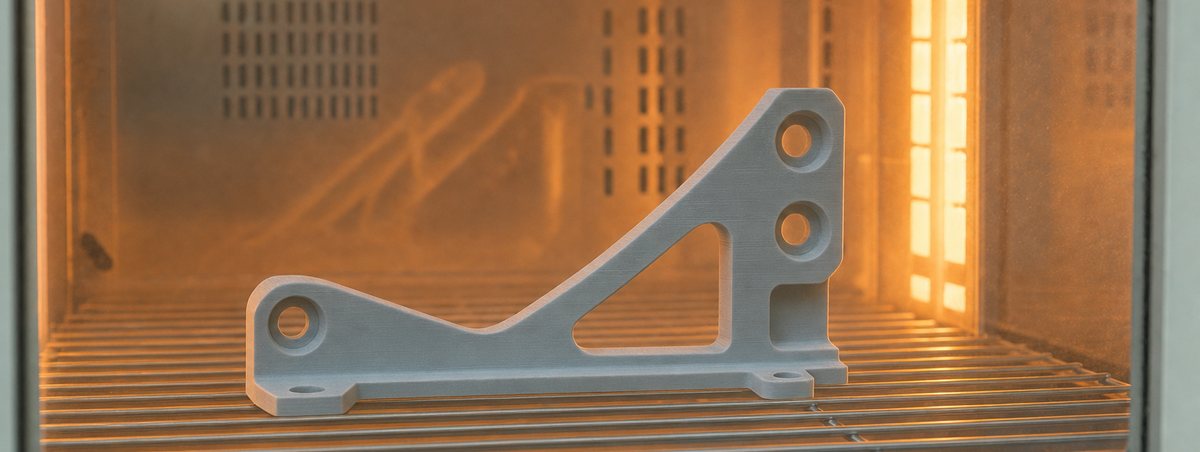
PVA is a support material, so its profile is deliberately low everywhere except solubility. It is scored here against build materials for context, not as a competitor to them.
Key Properties
PVA is judged on one thing — whether it comes away cleanly — and on the two conditions that decide whether it will.




Machine Requirements
PVA needs a second extruder and a dry spool. Everything else about it is easy.
| Requirement | Minimum Spec | Recommended |
|---|---|---|
| Extruders | 2 (dual material) | IDEX — independent, no ooze across the plate |
| Nozzle Temperature | 190 °C | 195–210 °C |
| Bed Temperature | 45 °C | 50–60 °C |
| Drying Before Use | 45 °C / 6 h | Print from a dry box |
| Part Cooling Fan | 80 % | 100 % — as for PLA |
| Print Speed | 25 mm/s | 30–40 mm/s |
| Retraction | 1 mm | 1–2 mm, direct drive |
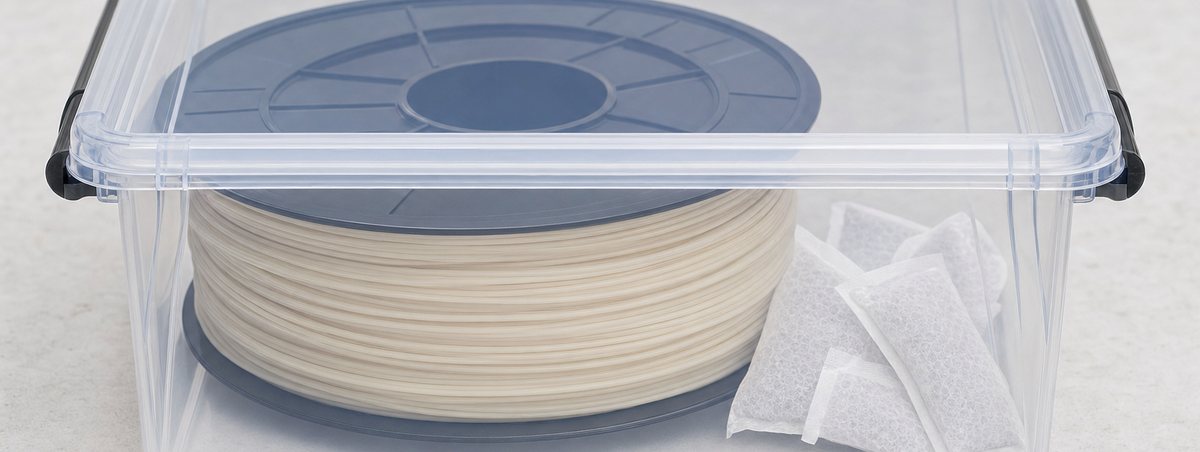
Drying is not optional. PVA takes up 5 % of its own weight in water in a day, and wet PVA foams in the melt zone, strings across the part and blocks the nozzle. Dry at 45 °C for six hours, print straight from a sealed box with desiccant, and put the spool back in it the moment the job ends. PVA is hygroscopic and a wet spool prints a first layer that cannot bond — the eight causes.
What PVA Makes Possible
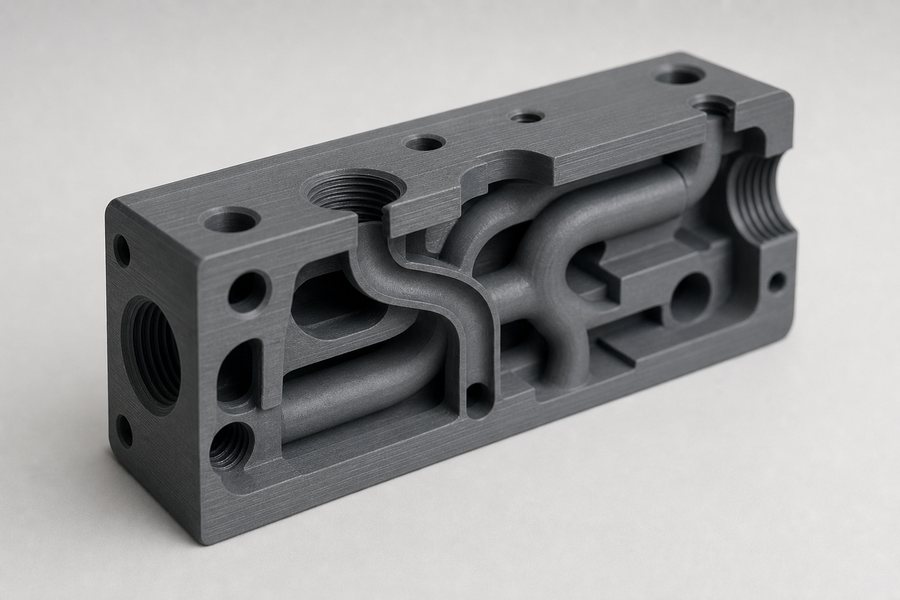
Internal Channels
- Conformal cooling manifolds
- Fluid and air ducting
- Enclosed lattice structures
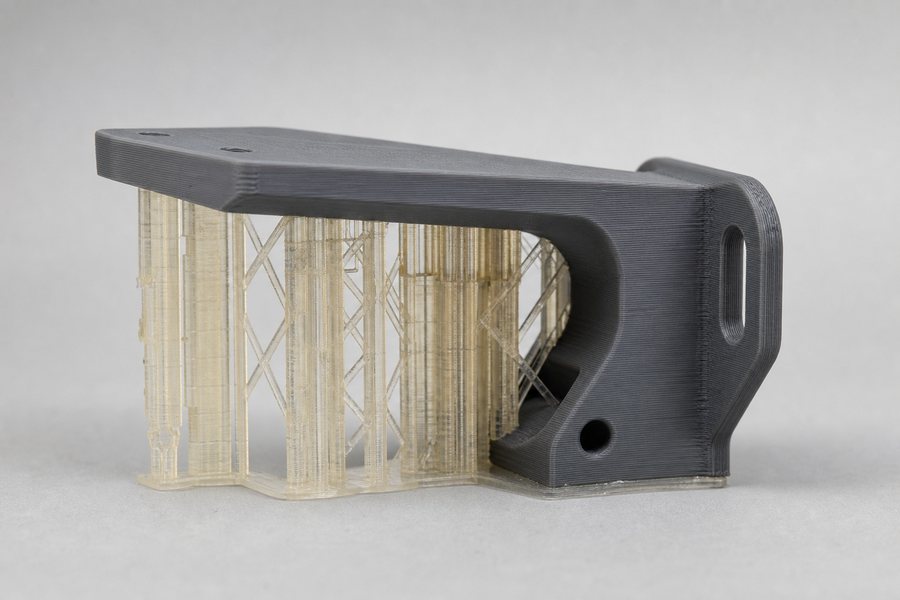
Deep Overhangs
- Sub-45° geometry with no scarring
- Undercuts and re-entrant features
- Thin unsupported spans
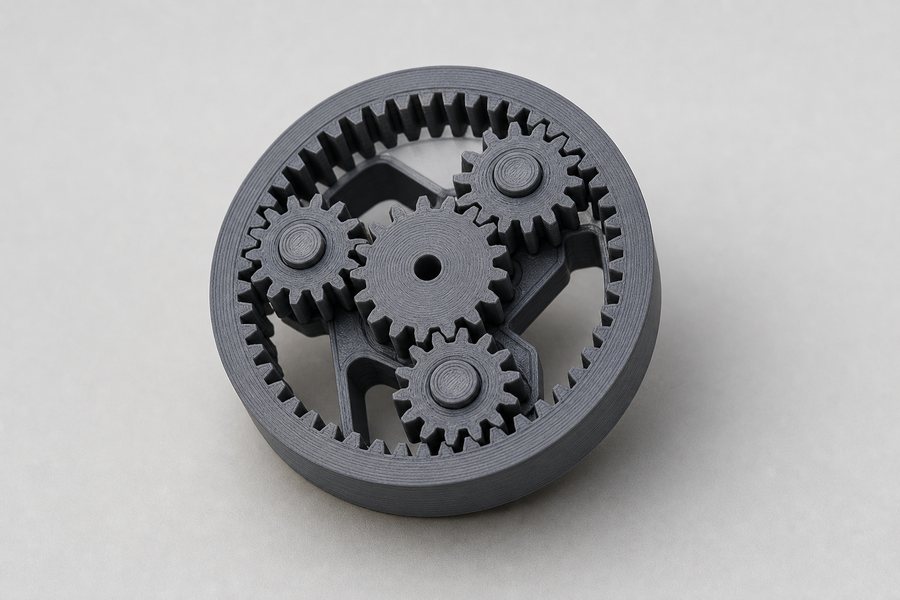
Printed-In-Place Assemblies
- Captive gears and linkages
- Interlocking parts
- Mechanisms that come out working
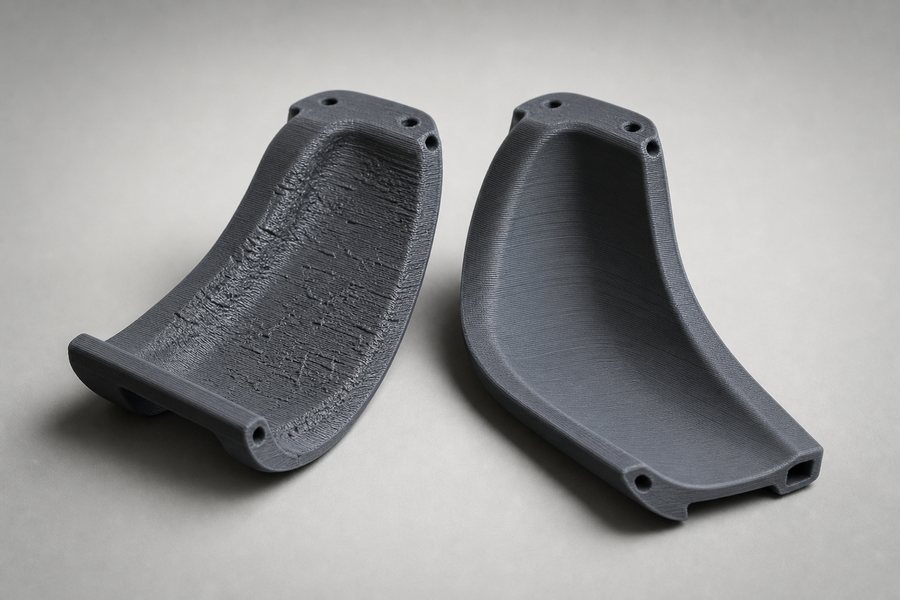
Presentation Surfaces
- No support scars to sand
- Master patterns for casting
- Client-facing appearance models
Tensile Strength Across the Range (MPa)
Heat Deflection vs Tensile Strength
Available Materials
When to Use PVA, and When Not To
Use PVA when
- The support is somewhere pliers will never reach
- The supported surface has to look finished, not sanded
- You are printing a captive or printed-in-place assembly
- The build material prints at 190–230 °C (PLA, PETG)
- You have an IDEX machine and a dry box
Avoid PVA when
- The printer has one extruder — PVA is not a build material
- The build material needs 250 °C or more (PVA degrades)
- The part cannot be immersed in water
- Breakaway support would do the job — PVA costs several times more
- You cannot keep the spool dry between jobs
DfAM Tips for PVA
Getting soluble support right is mostly about giving the water a way in and a way out.

Support density 15–25 %
Denser support holds better and dissolves slower. Start at 20 % and only go up if the overhang sags.

Support wall 0.8 mm
Thin sections dissolve first. A single-wall interface breaks contact with the part early and lets water in behind it.

Give enclosed cavities a drain hole
Water has to get in and dissolved PVA has to get out. Two small holes on opposite faces turn a 24-hour soak into a 4-hour one.

Warm water and movement, not hot water
25–30 °C with gentle agitation or a stirrer. Hot water does not dissolve it faster; it just warps a PLA part while you wait.

One interface layer, zero Z gap
Unlike breakaway support, soluble support wants full contact. Set the Z gap to zero and let the water do the separating.
Printers Compatible with PVA
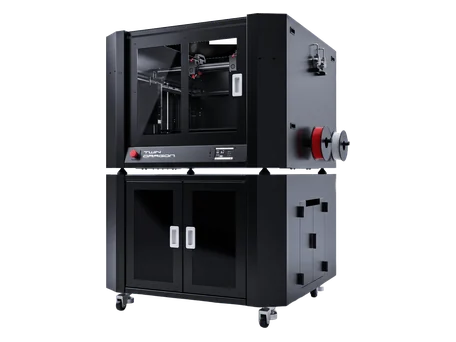
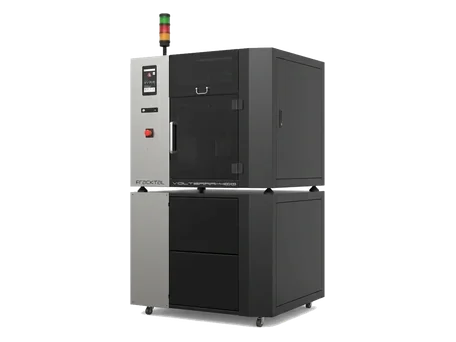
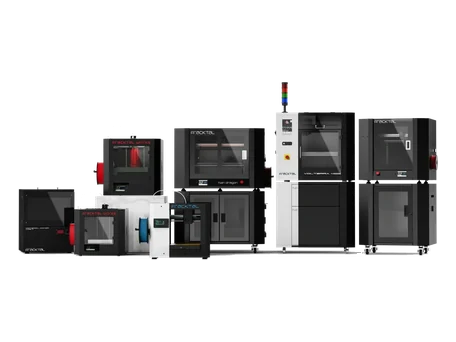
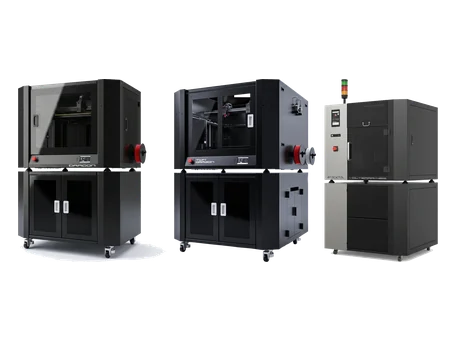
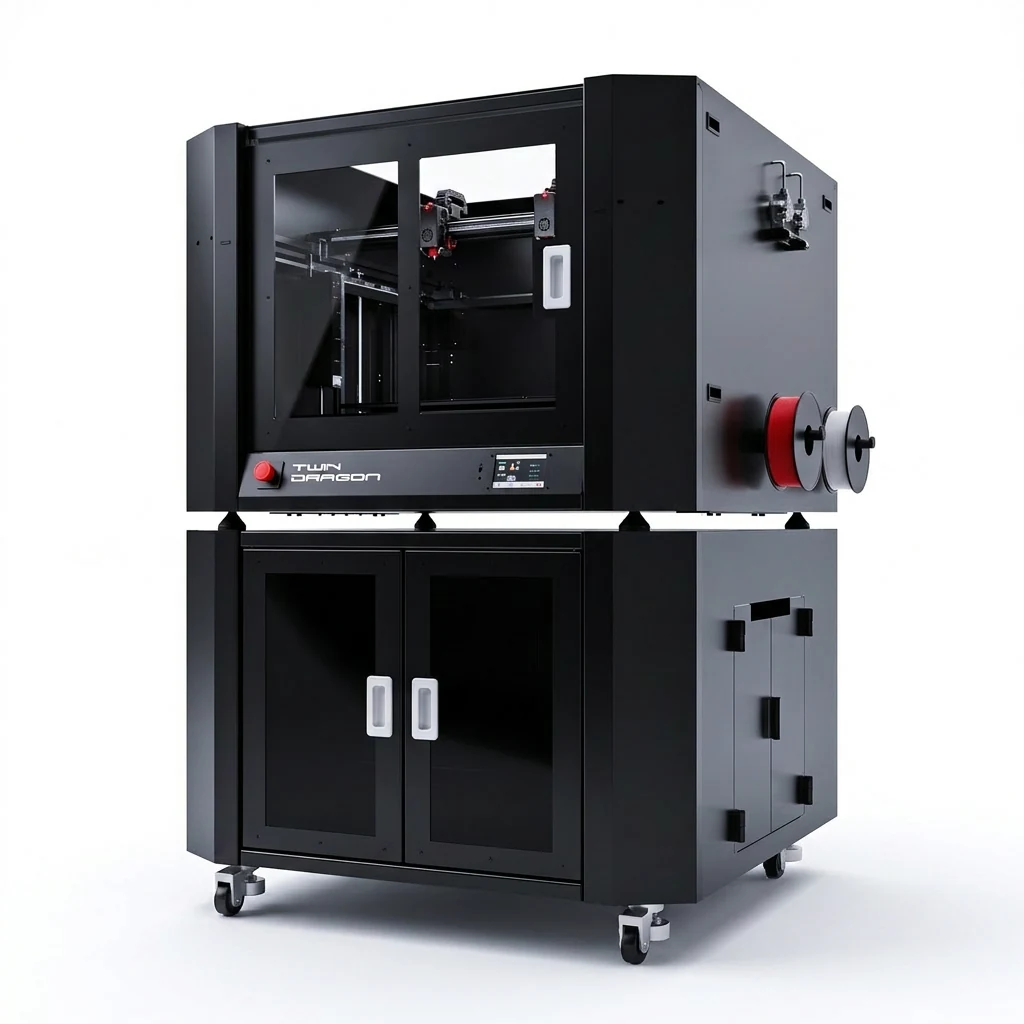
PVA needs two extruders running at once. On the Fracktal range that means Twin Dragon, whose independent direct-drive heads park the idle nozzle clear of the part instead of dragging it across the print.
Ready to print in PVA?
Fracktal PVA support ships in 500 g spools, vacuum-sealed with desiccant.