










3D Printing in Jewellery: Investment Casting and Direct Printing

Jewellery was one of the first trades to make money from 3D printing, and it did so quietly, by replacing one step in a process that is thousands of years old. The craft of casting metal into a mould made from a wax pattern is unchanged. What changed is where the wax pattern comes from.
This piece explains the two ways printing enters jewellery, what each demands, and where it fits alongside hand work rather than replacing it.
Investment casting, with a printed pattern
Investment casting works like this: a pattern of the piece is made in wax, surrounded with a plaster-like investment, and heated until the wax burns out, leaving a cavity. Molten metal is poured or forced into the cavity, the investment is broken away, and the raw casting is cleaned, polished and set.
Traditionally the pattern is carved by hand in wax, or produced from a rubber mould taken off a hand-made master. Both take skilled hours, and a change to the design means starting over.
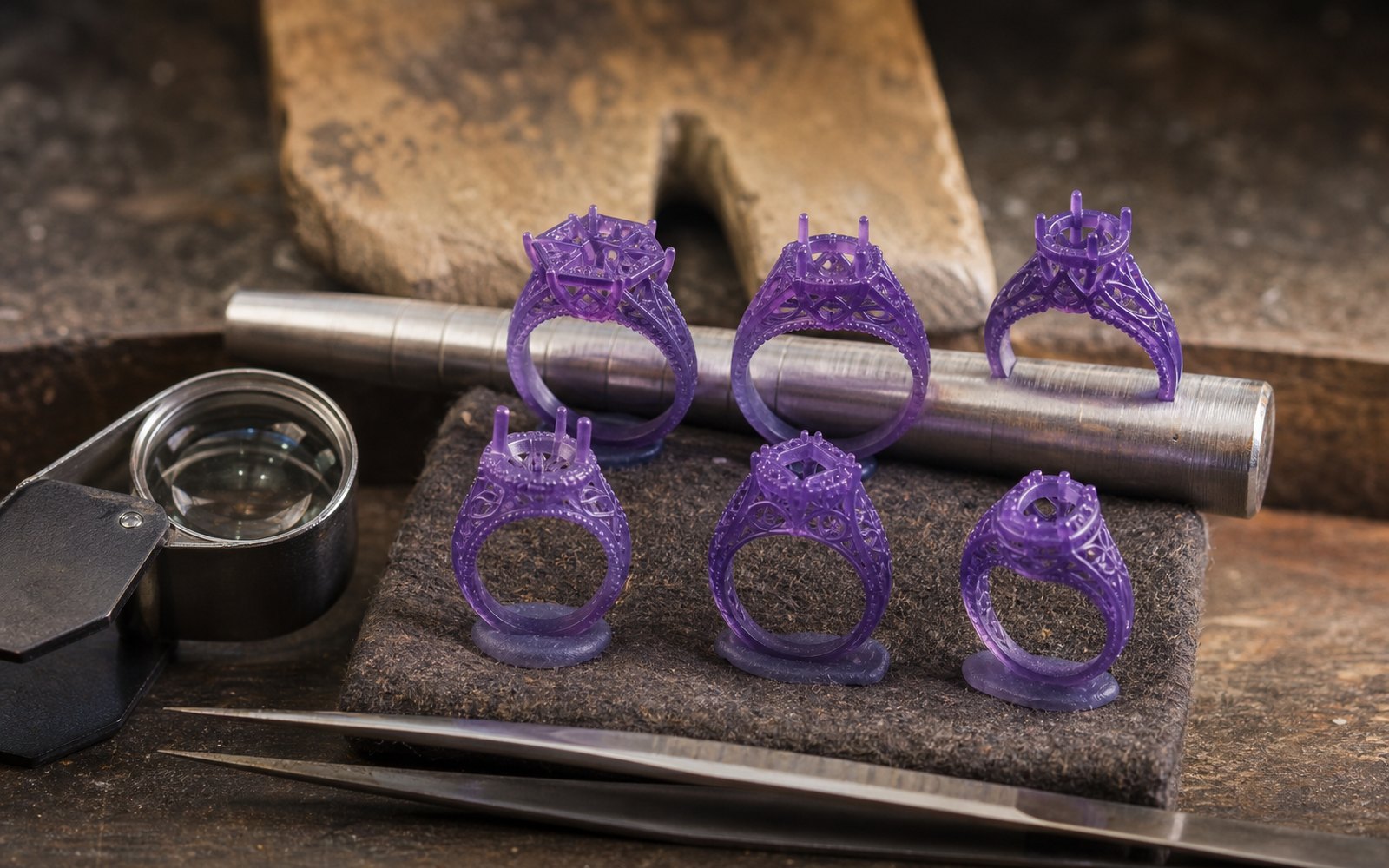
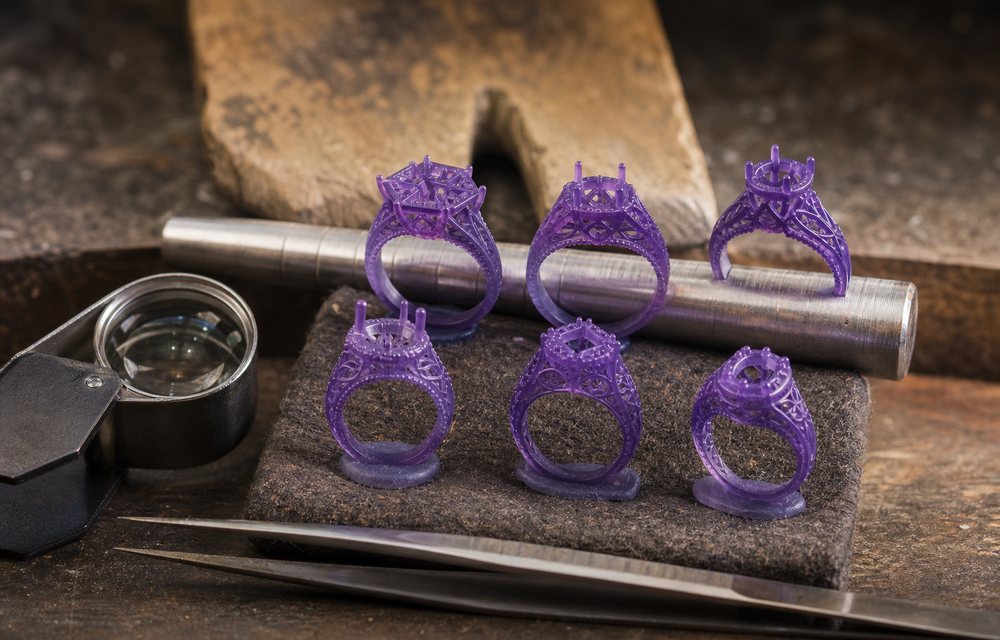
With printing, the pattern is designed in CAD and printed in a castable resin, on an SLA or DLP printer at very fine layers. The resin is formulated to burn out cleanly with minimal ash, so the investment cavity is exact. A ring pattern prints in under an hour; a tray of thirty prints in the same time. The rest of the process, from investing to polishing, is exactly what the workshop already does.
What this gives a jeweller:
- Design freedom. Filigree, lattice and undercuts that would be impractical to carve, and pieces that are identical from one casting to the next.
- Customisation at retail speed. A customer’s initials, ring size or stone layout changed in the file and printed the same day.
- Fewer masters. A design that used to need a hand-made master and a rubber mould now needs only a file and, when a mould is still wanted for volume, a printed master to take it from.
The discipline that matters is the burnout schedule. Castable resins need a longer, more controlled burnout than wax, and a schedule that has been proven in the workshop’s own kiln. Getting that wrong shows up as porosity and surface defects on the casting, and it is blamed on the printer when it is the kiln.
Direct metal printing
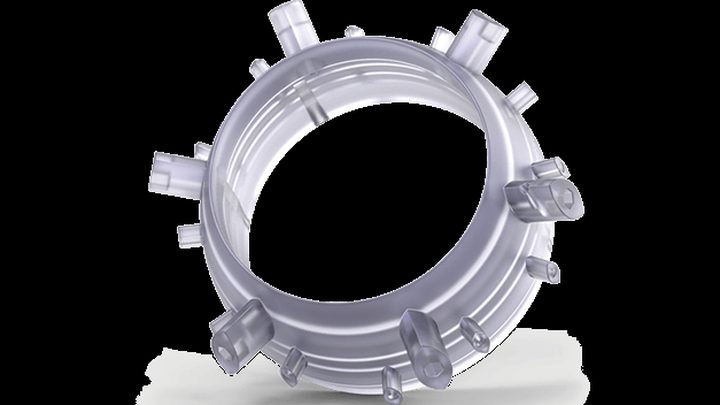
The second route skips casting: the piece is printed directly in precious metal or in steel or titanium by laser sintering of metal powder. It exists, it produces geometries that cannot be cast, and for most jewellers it is the wrong tool. The machines and powders are expensive, the surface needs substantial finishing, and for gold and platinum the cost of powder held in the machine is significant. It makes sense for a manufacturer running volume in a single alloy, or for pieces whose geometry justifies the cost. For the typical workshop, printed patterns and traditional casting remain the better economics.
Where FDM fits
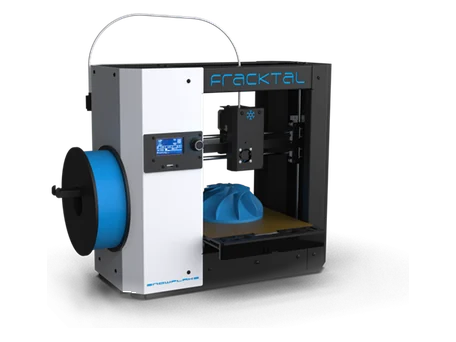
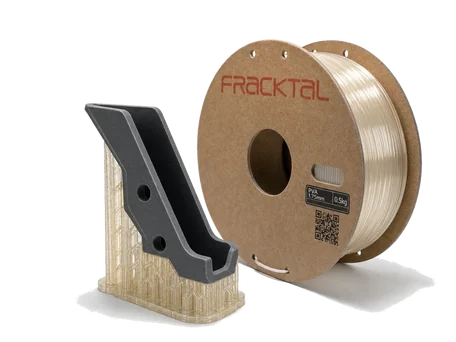
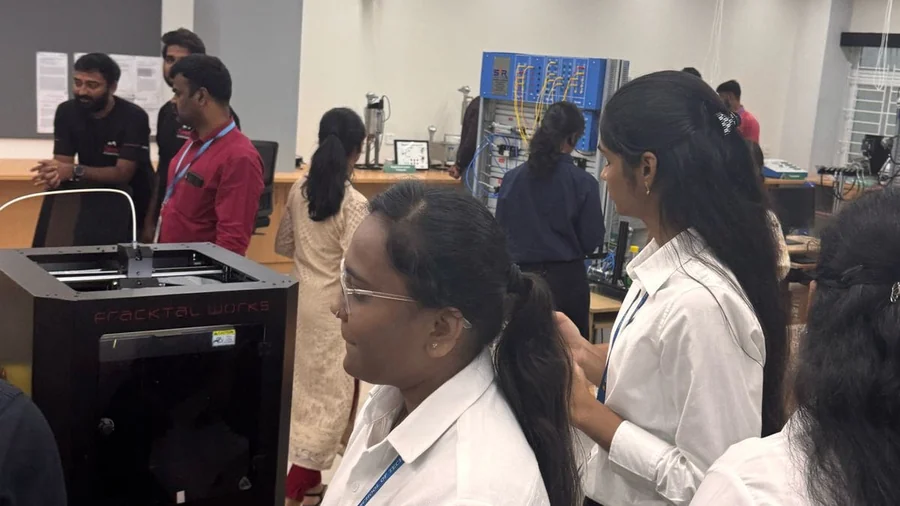
Our own machines are FDM, and FDM does not print castable patterns to jewellery tolerances. Where it earns its place in a jewellery business is around the piece rather than in it: try-on models of a bangle or a large pendant so a customer can feel the scale; display stands and fixtures; organiser trays for stones and findings; and prototypes of packaging. Those are useful, cheap, and printable on a desk in a Snowflake or Julia.
For the patterns themselves we run SLA on our manufacturing floor: workshops that do not want to own and maintain a resin printer send us their pattern files and receive castable prints, ready to sprue and invest. Our jewellery page describes that service.
The craft does not go away
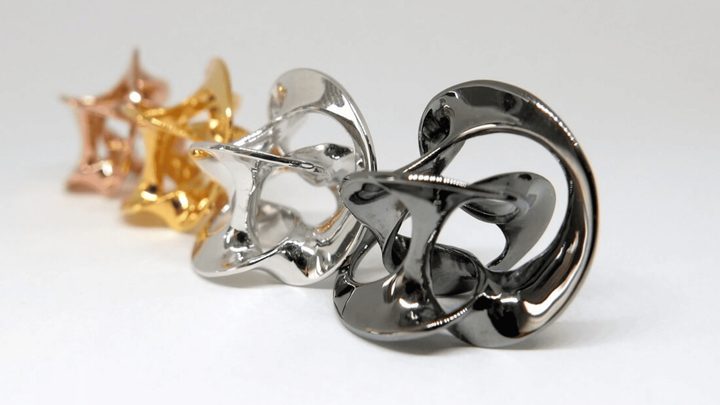
A printed pattern casts a piece that still needs a goldsmith. Sprues are cut, surfaces are filed and polished, stones are set and prongs are tightened by hand. What printing removes is the least creative part of the job, the reproduction of a shape, and it gives the designer a faster loop between an idea and a piece in the hand. The workshops that have taken to it best are the ones that treated the printer as a new bench tool rather than as a replacement for the bench.
If you would like to see how one of your designs prints as a castable pattern, send the file through the quote page.