










3D Printing in Dentistry: Models, Aligners and Surgical Guides

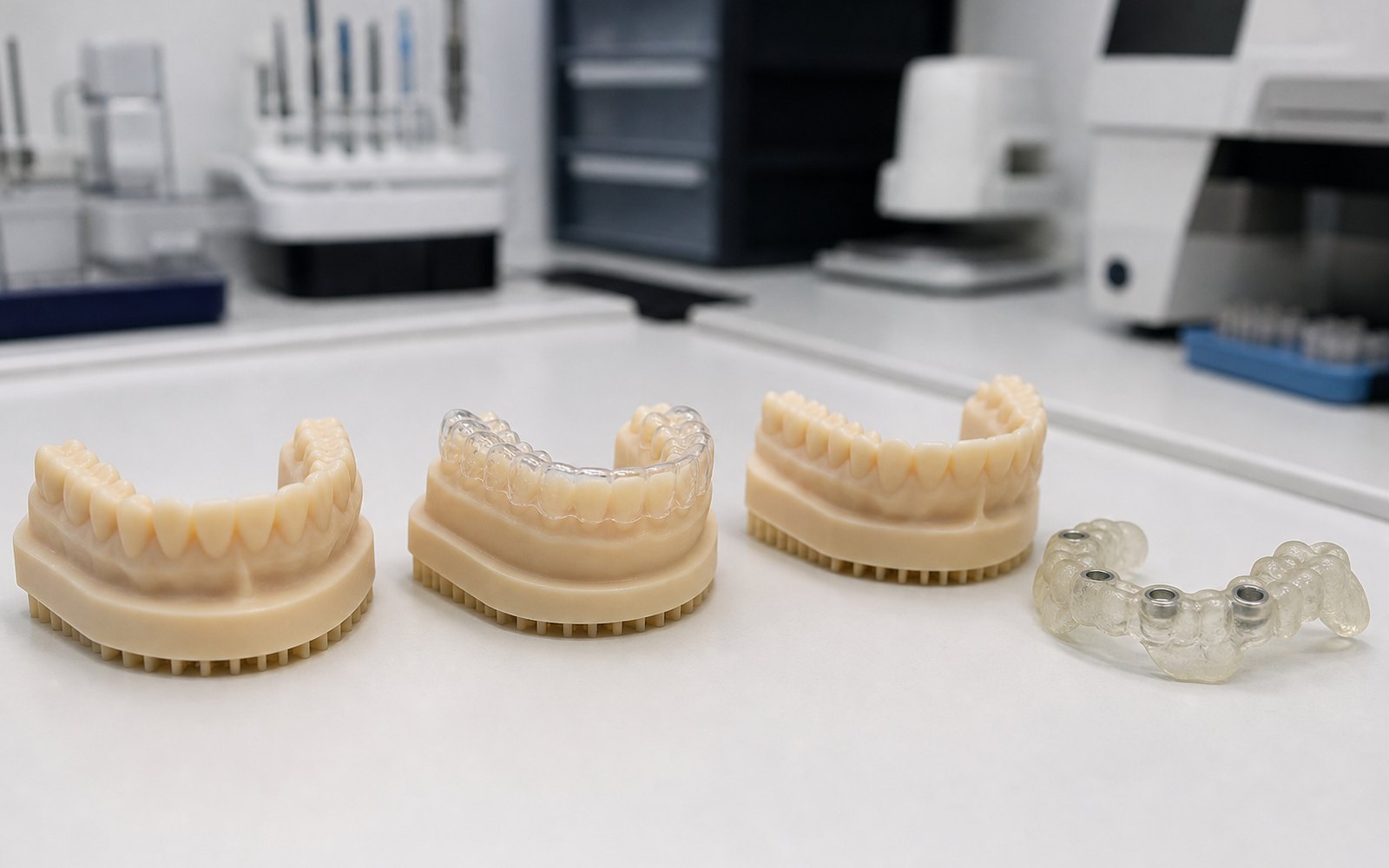
Dentistry adopted 3D printing earlier and more completely than almost any other field, for a simple reason: every patient is a one-off. A crown, an aligner, a surgical guide or a denture is a batch of one, made to a geometry that exists in exactly one mouth. That is the case additive manufacturing was made for.
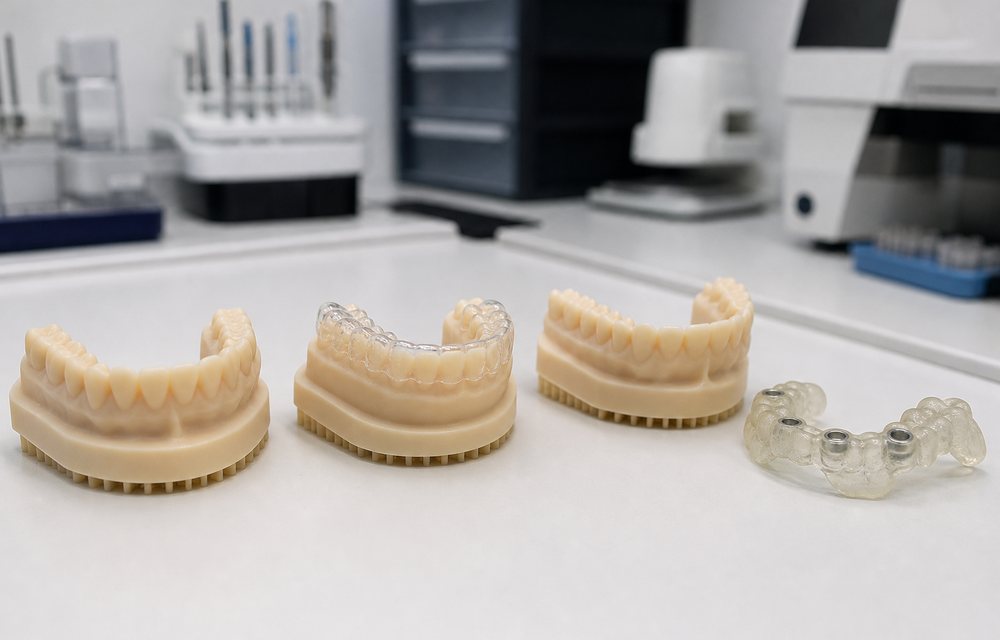
This is a plain account of what gets printed in dental work, which process suits which job, and where the limits are.
From impression to file
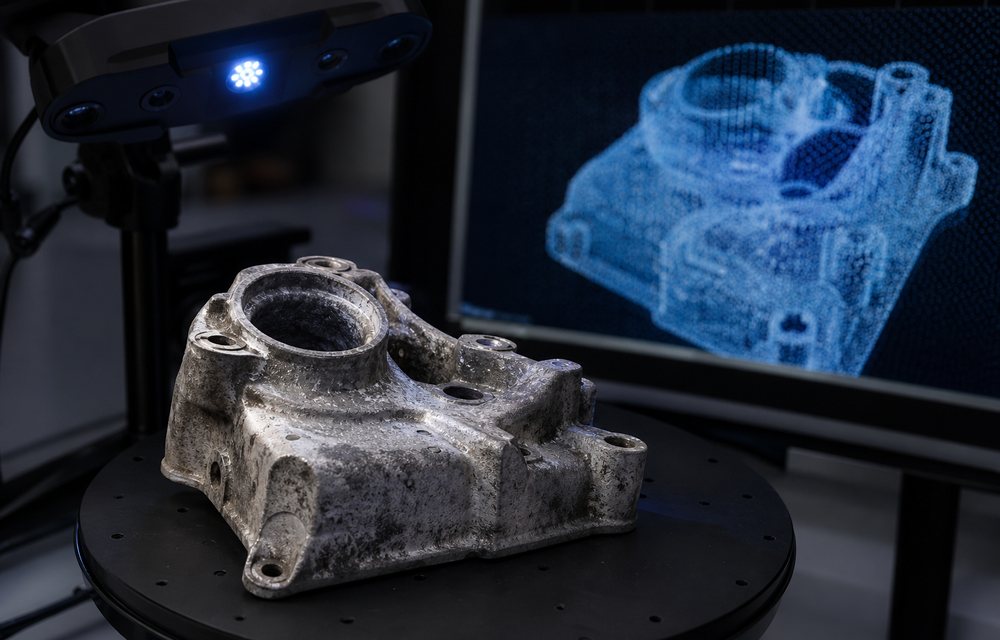
The workflow starts with a scan. An intraoral scanner captures the patient’s dentition directly; a lab scanner digitises a conventional impression or a poured model. Either way the output is a mesh, which the dental CAD software turns into whatever is needed: a model, a guide, a crown pattern or a series of aligner stages.
Once the geometry is a file, the choice of what to print it on comes down to the job.
Models: the workhorse application
Dental models are the highest-volume printed part in the field. They are used for diagnosis, for planning, for checking the fit of restorations made elsewhere, and above all as the forms over which clear aligners are thermoformed. An aligner case may need twenty or thirty models, one for each stage of tooth movement.
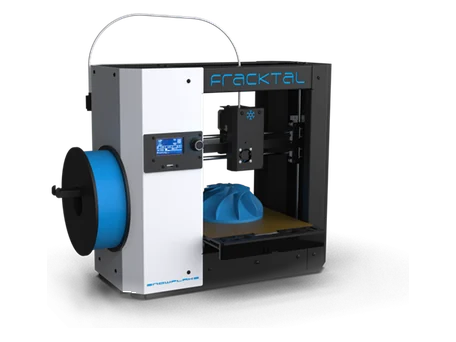
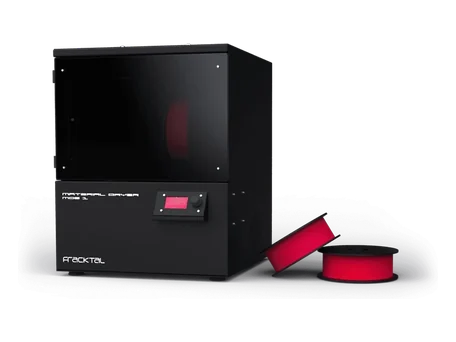
Models do not go in the mouth, so material certification does not apply to them. What matters is dimensional accuracy, a clean surface, and cost per model, because there are so many. This is the one dental job where FDM competes well: a machine such as the Julia, printing at 60 micron layers in PLA or PETG, produces model arches that thermoform cleanly, at a material cost a fraction of resin. Resin printers give a smoother surface where that is needed, for example on a model used to check a crown margin.
Surgical guides and anything that touches the patient
A surgical guide sits in the mouth during implant placement and steers the drill. It has to be accurate, rigid, and made of a material that is certified for that contact. That means a resin process, SLA or DLP, with a biocompatible resin, printed and post-cured to the manufacturer’s protocol. The same applies to temporary crowns, try-in dentures, splints and anything else that spends time against tissue.
The rule is not complicated: if a part goes in the mouth, the material has to be certified for it, and the certification is tied to a specific resin, printer and cure process. Substituting any one of those invalidates it. International guidance on biological evaluation follows ISO 10993; the Indian regulator applies comparable requirements to dental devices.
Crowns, bridges and castings
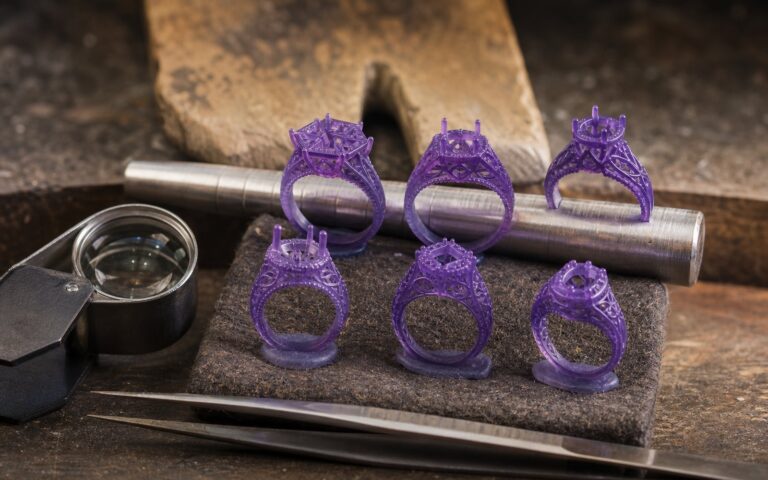
Permanent restorations are mostly milled or cast rather than printed directly, though printed cobalt-chrome frameworks are common in larger labs. Where printing enters is the pattern: a castable resin crown or bridge pattern is printed, invested, burnt out and cast in the chosen alloy, replacing hours of hand-waxing. Accuracy and a clean burnout are what the resin has to deliver.
Chairside or lab?
The industry talks about “chairside” printing, meaning the clinic prints its own models and guides the same day. That works for practices with the case volume to justify the equipment and a staff member who owns the process. For everyone else, the lab remains the right place: it runs the printers continuously, holds the certified materials, and carries the quality system.
The honest way to decide is by volume and by who will run the machine. A printer that runs twice a week is a maintenance problem, not a productivity gain.
What we do in dental
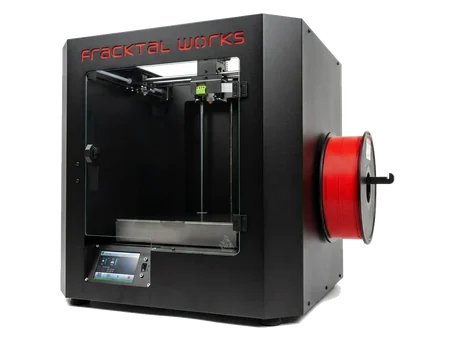
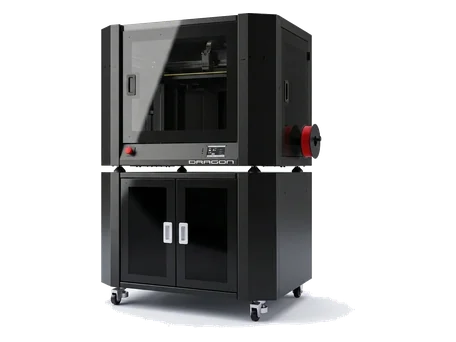
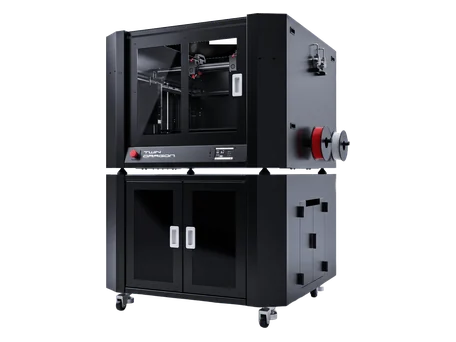
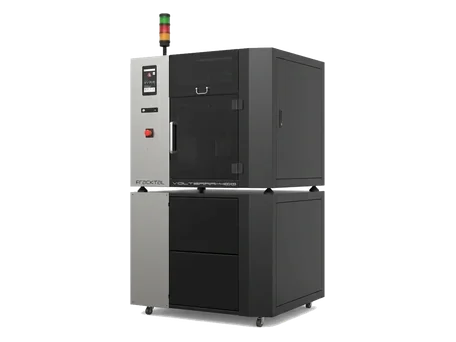
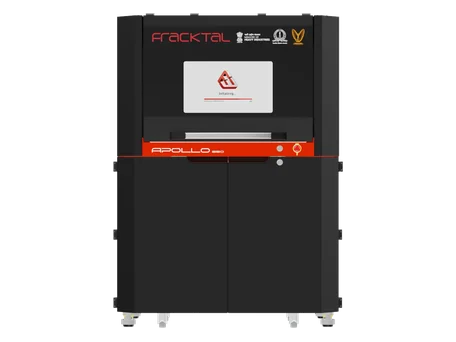
Our machines are FDM, which places them squarely in the model-and-aligner-form part of the workflow, in clinics and in labs that want a cheaper way to produce arches at volume. For resin work we run SLA on our manufacturing floor: practices and labs send us guide and pattern files and receive printed parts, without buying a resin printer for occasional use. Our medical page covers the wider clinical work we do, including anatomical models for surgical planning.
If you are weighing up a printer for a practice, or want to see what a printed arch from your own scan looks like before deciding, send a case through the quote page and we will print it.