







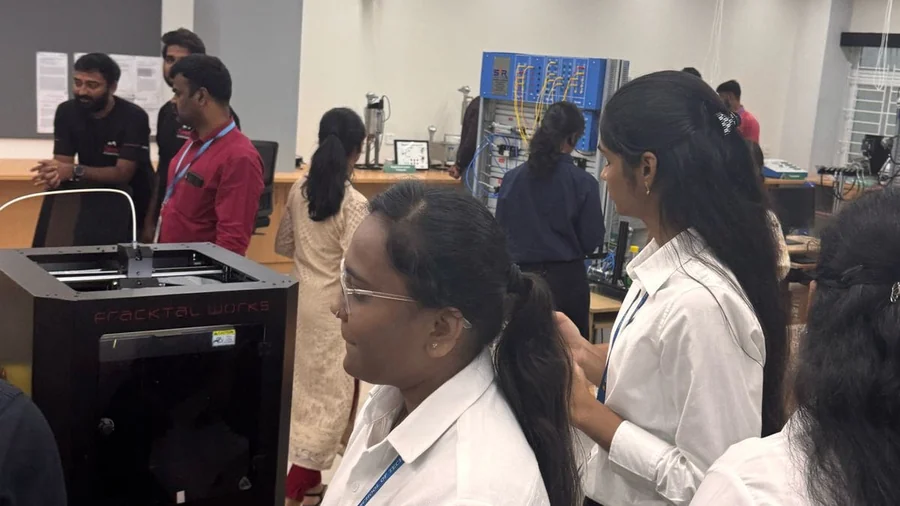

FDM 3D Printing
The workhorse. Real engineering thermoplastics, printed layer by layer to ±0.5 % — fast enough for a Monday prototype and cheap enough for a batch of fifty.
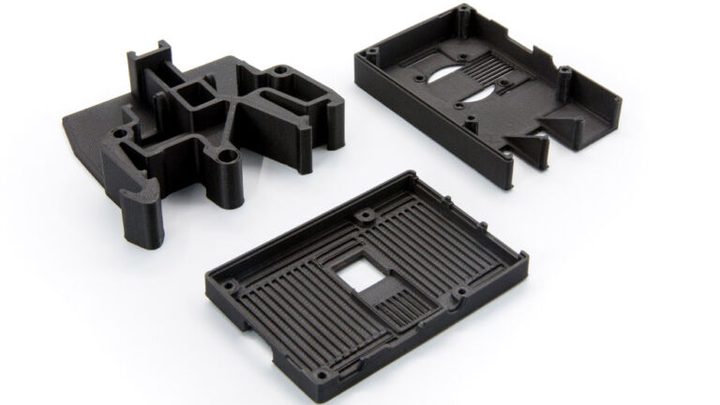
Trusted, recognised and featured








Melted, Placed, Fused
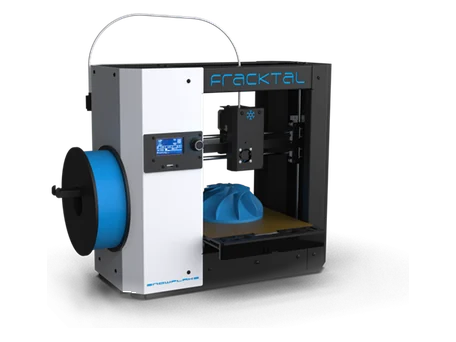
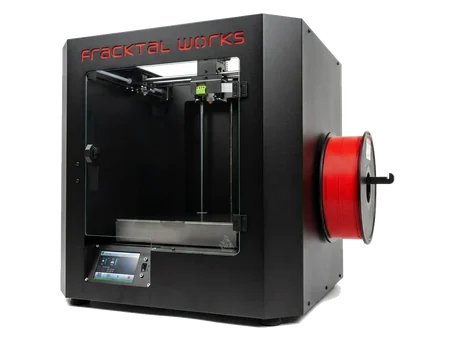
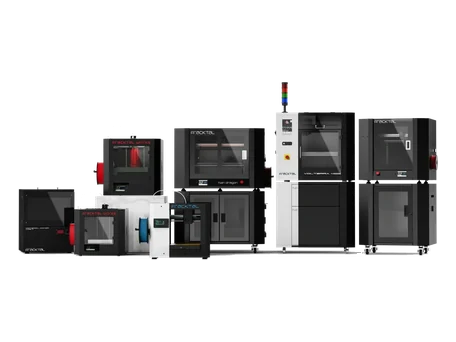
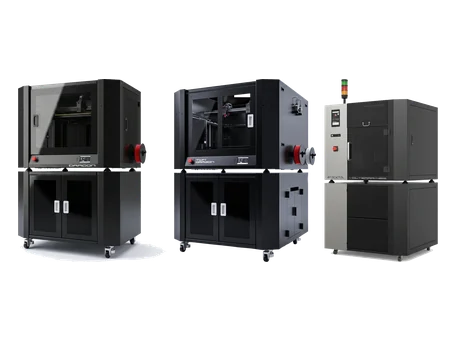
FDM builds a part by laying a molten thermoplastic filament down one road at a time and fusing it to the road beside it and the layer beneath it. Nothing is cured, nothing is sintered — the part is the same polymer that went in on the spool.
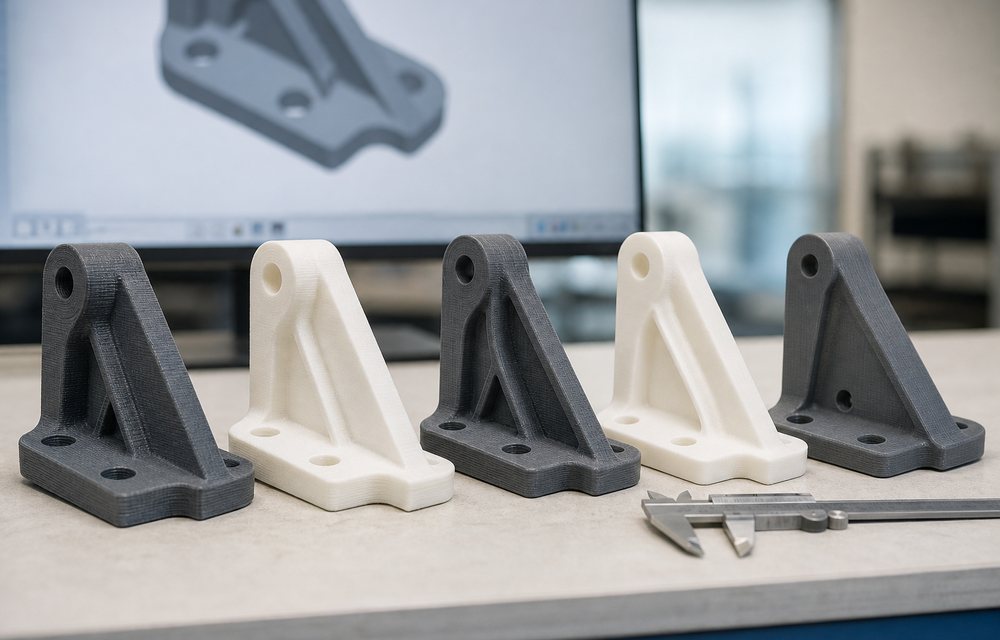
That is the reason to choose it. An FDM part in polycarbonate behaves like polycarbonate; an FDM part in carbon-fibre nylon is stiff for the same reason a moulded one is. What you test is what you would eventually manufacture.
Where FDM Wins
Four reasons it is still the first process we quote for most jobs.
Cheapest per cubic centimetre
No powder to recycle, no resin to cure, no tooling. For bulk plastic, nothing else comes close on price.
The widest material range
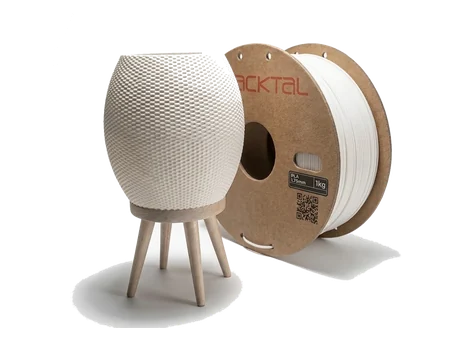
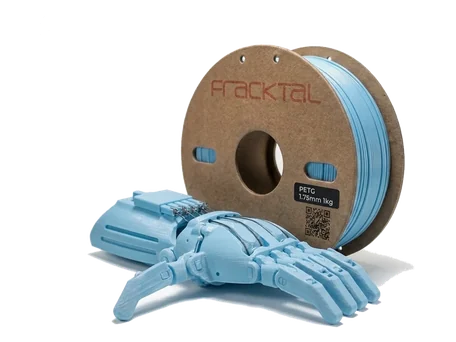
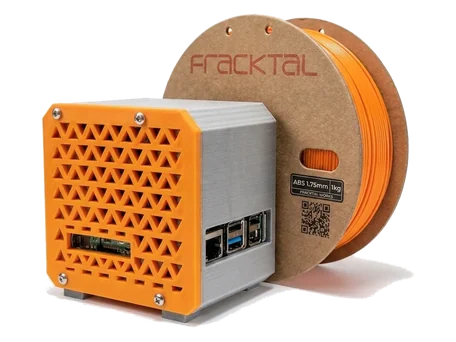
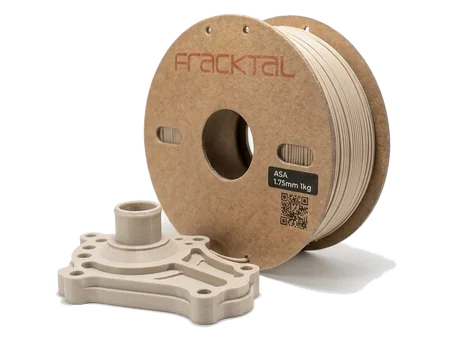
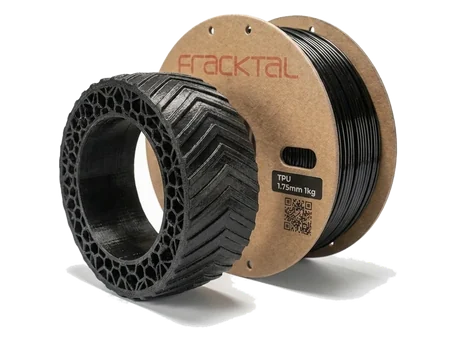
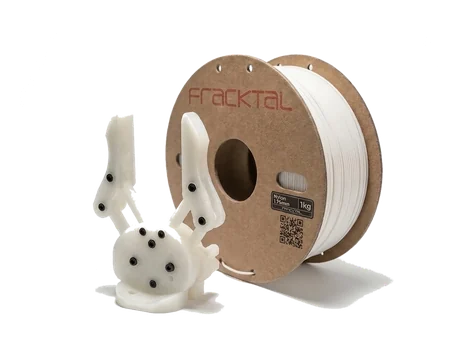
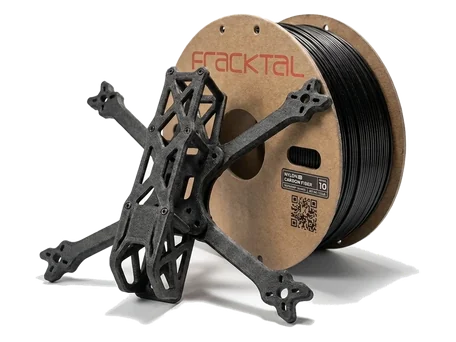
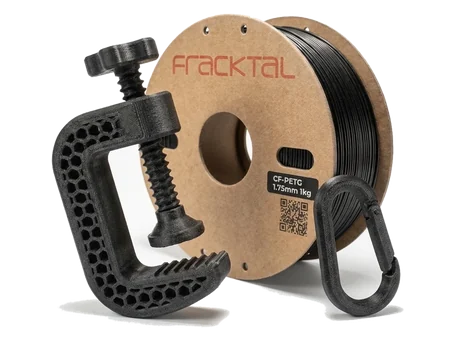
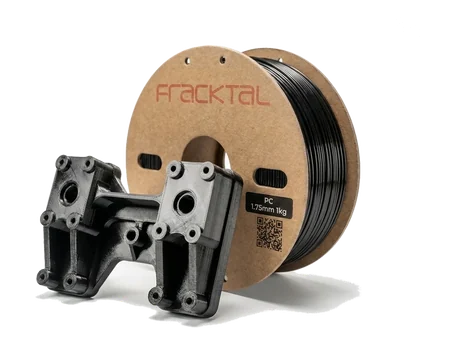
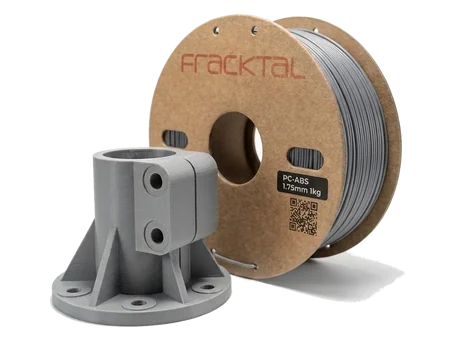
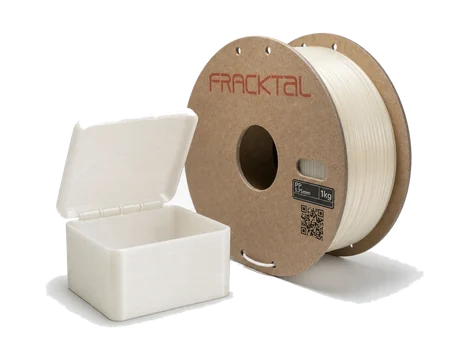
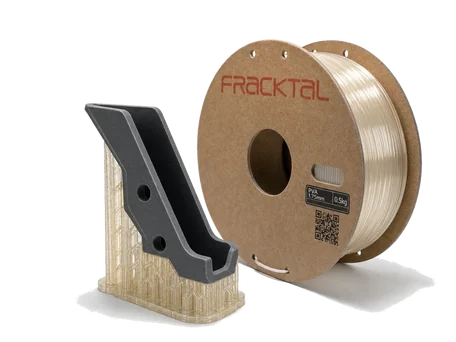
PLA to polycarbonate to carbon-fibre nylon. Twelve documented on this site, twenty-plus on the floor.
Genuinely large parts
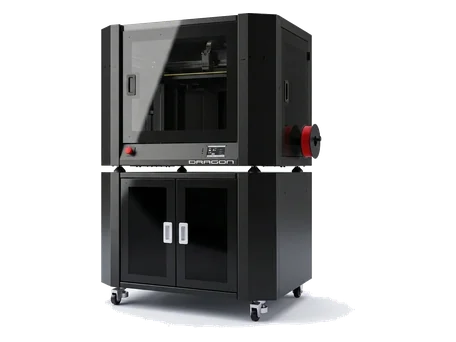
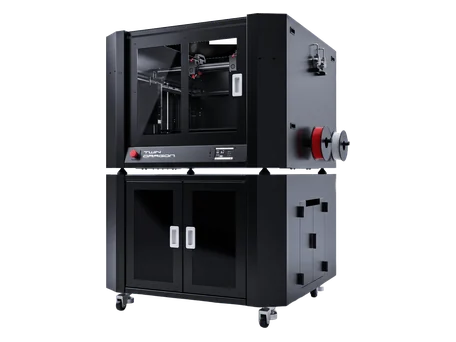
Up to 700 × 400 × 400 mm in one piece — no bonding a big part out of small ones.
Fast turnaround
A small part goes on a machine the day the file lands. Nothing has to be batched to make the economics work.
Process Specification
| Parameter | What you get |
|---|---|
| Dimensional accuracy | ± 0.5 % (± 0.3 mm lower limit) |
| Layer height | 0.1 – 0.3 mm depending on nozzle and finish |
| Maximum part size | 700 × 400 × 400 mm in one piece |
| Minimum wall thickness | 1.0 mm (1.2 mm for load-bearing) |
| Materials | PLA, PETG, ABS, ASA, TPU, PP, Nylon PA12, CF-Nylon, CF-PETG, PC, PC-ABS, PVA support |
| Finish as printed | Visible layer lines; matte to satin by material |
| Available finishes | Sanded, vapour-smoothed, primed, painted, insert-fitted |
| Typical quantities | 1 – 200 parts |
What People Send Us
Jigs & fixtures
Line-side tooling in PETG and CF-Nylon, revised as fast as the process changes.
Functional prototypes
Full-size, in the polymer the production part will use.
End-of-arm tooling
Light, stiff carbon-fibre grippers built to the cell.
Housings and enclosures
ASA outdoors, PC where it gets hot, PP where it gets wet.
Short-run end-use parts
Tens to low hundreds, where tooling would never pay back.
Teaching and research models
Cheap enough to iterate, strong enough to handle.
Four Steps From File to Part
The same route for every process on this page.
01 · Upload your CAD
Pick a manufacturing process, upload the 3D file and tell us the quantity and finish.
02 · Get a DFM analysis
We come back with a design-for-manufacturability review and a price — not just a price.
03 · Manufacturing begins
Approve the quote and the job goes on the floor. You are told when it starts, not only when it ends.
04 · Parts are shipped
Packed, tracked and shipped anywhere in India, with the tracking number in your inbox.
Other Manufacturing Services

SLS 3D Printing
Nylon powder bed — no supports, full geometric freedom, ±0.3 %.

HP MJF 3D Printing
Multi Jet Fusion for production-rate nylon parts with even properties.

SLA 3D Printing
Resin for the finest detail and the best surface finish — ±0.2 %.

Vacuum Casting
Silicone tooling for 1–25 identical cast-polyurethane parts.

Finishing & Assembly
Sanded, blasted, painted, inserted and assembled before it ships.
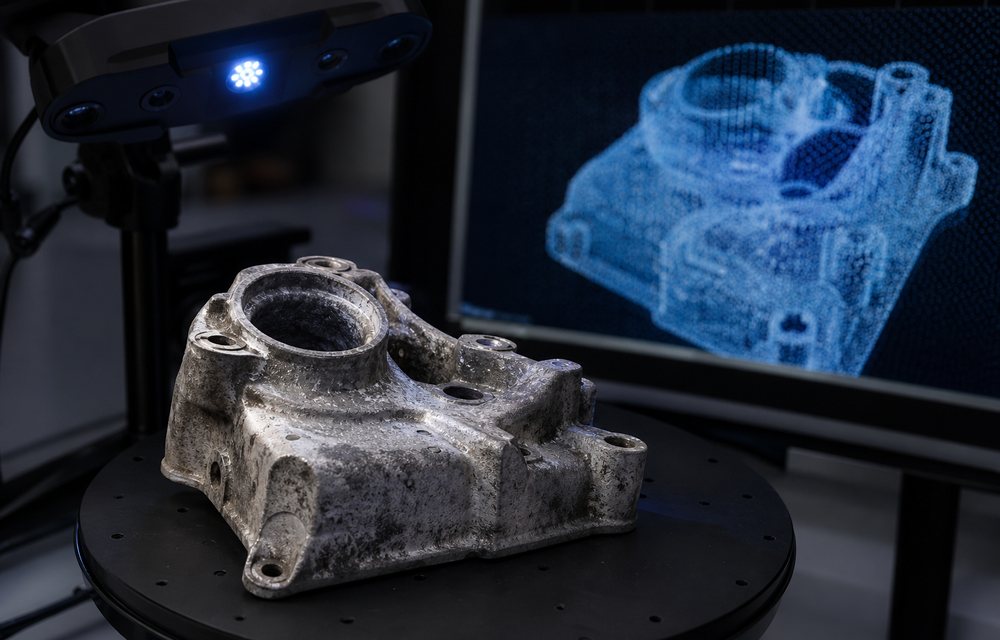
Reverse Engineering
Scan-to-CAD for the part that exists and the drawing that does not.

Quality Assurance
Dimensional and material verification, documented.

Consulting & Design
DfAM, material selection and process design, from CAD to production.
FDM 3D Printing, City by City
Every part is made in Bengaluru and couriered. These pages cover what each city sends us most, and what it costs.
- AhmedabadGujarat
- BengaluruKarnataka
- BhubaneswarOdisha
- ChandigarhPunjab & Haryana
- ChennaiTamil Nadu
- CoimbatoreTamil Nadu
- Delhi NCRDelhi
- GurugramHaryana
- HyderabadTelangana
- IndoreMadhya Pradesh
- JaipurRajasthan
- KochiKerala
- KolkataWest Bengal
- LucknowUttar Pradesh
- MumbaiMaharashtra
- NashikMaharashtra
- NoidaUttar Pradesh
- PuneMaharashtra
- RajkotGujarat
- VisakhapatnamAndhra Pradesh
Send us the part
Upload the file and tell us the quantity. You will get a design-for-manufacturability review and a price back — not just a price.