










FDM, SLS, SLA or Metal: Which 3D Printing Process for Which Part

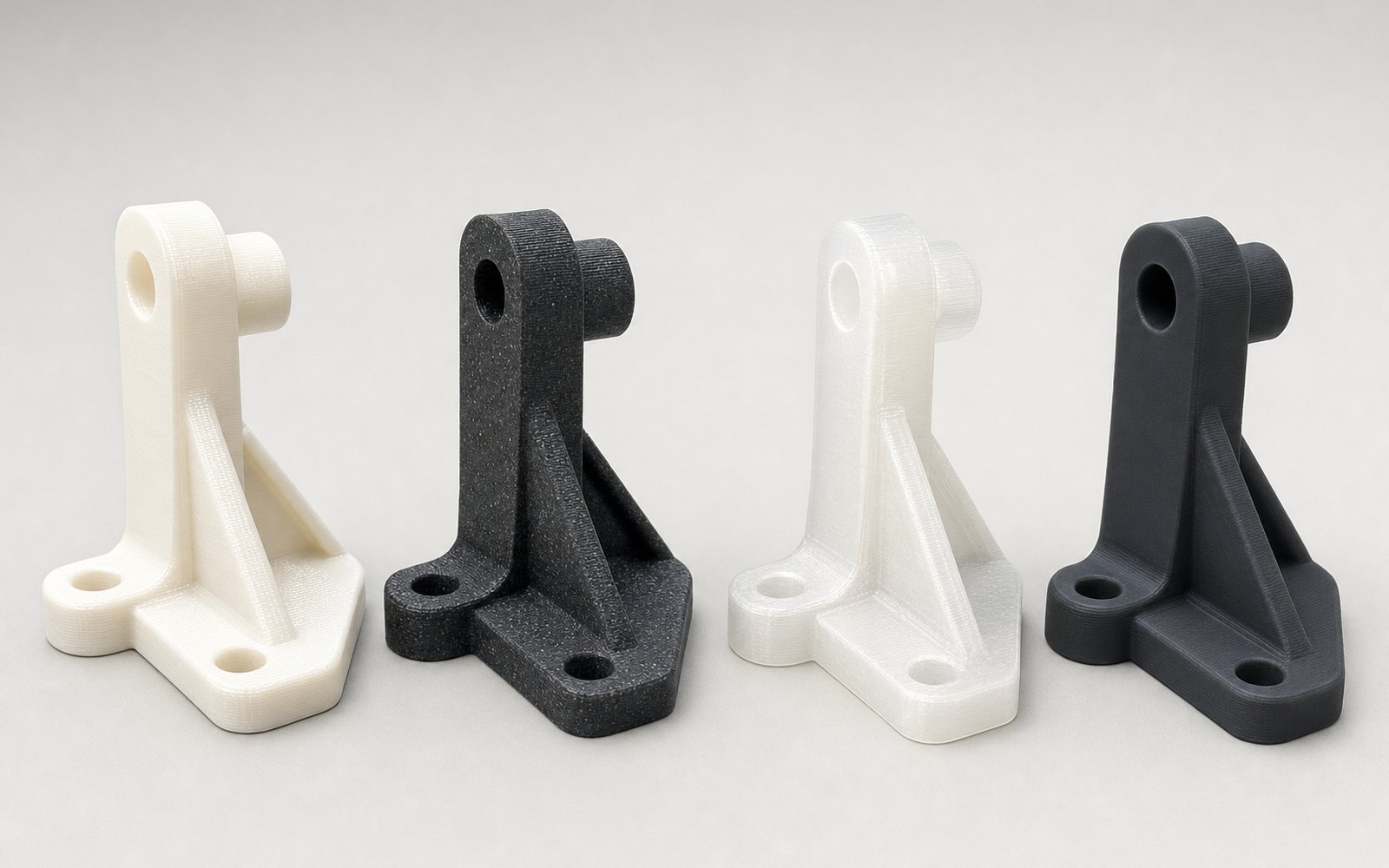
“3D printing” is five different processes that share a file format. Choosing the wrong one is the most common reason a printed part disappoints: a nylon bracket printed in FDM when it needed SLS, a display model printed in SLS when FDM would have done at a fifth of the price. This is a short guide to which process suits which part, in the order we usually reach for them.
FDM: the default, and for good reason
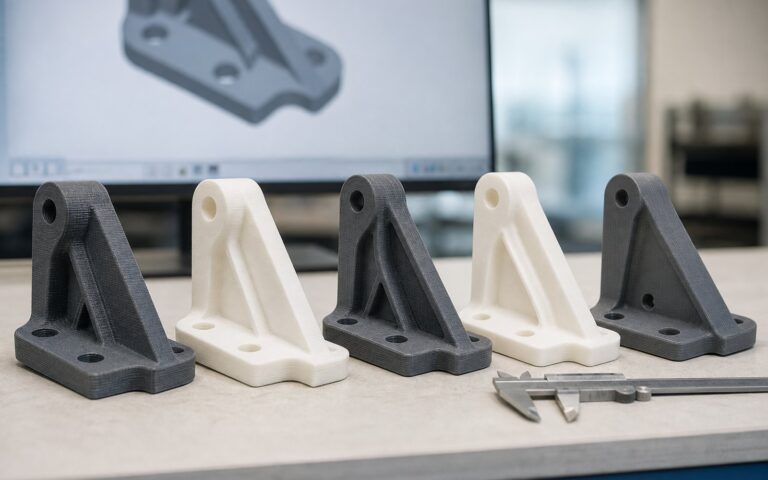
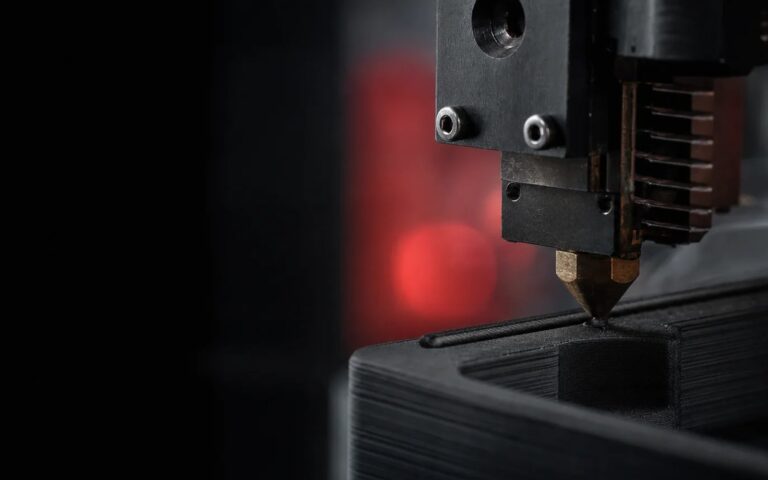
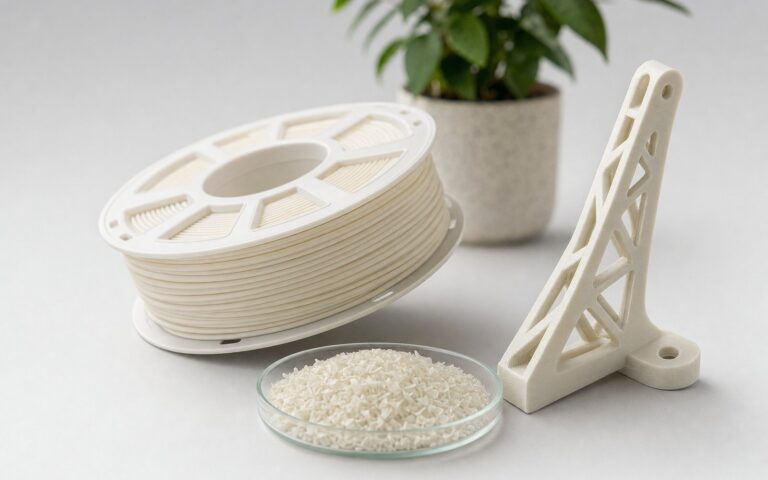
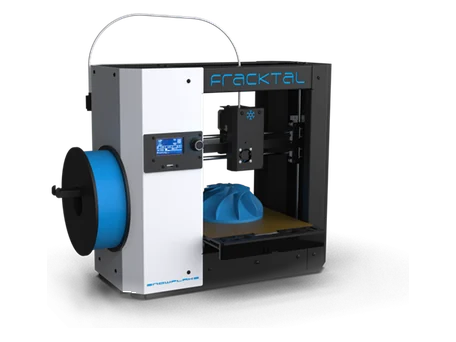
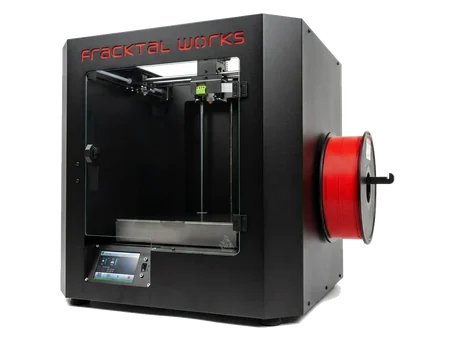
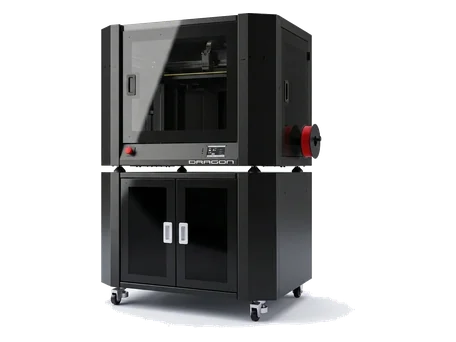
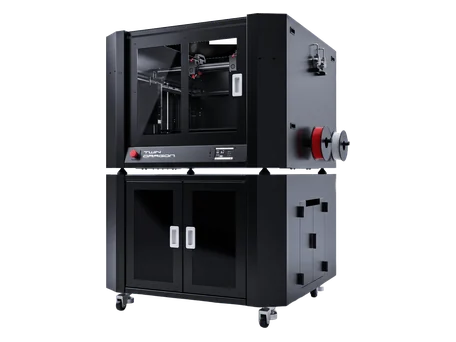
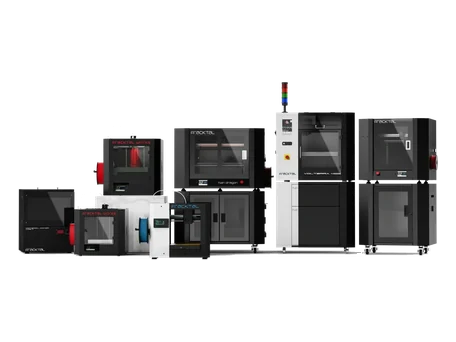
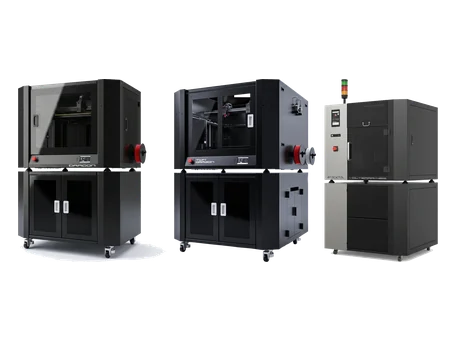
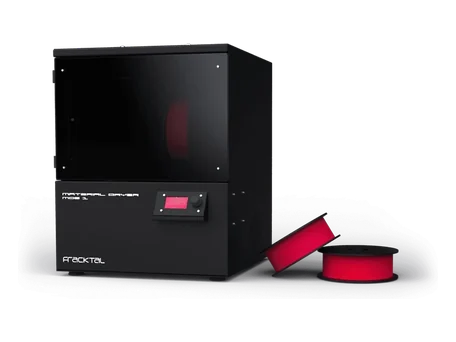
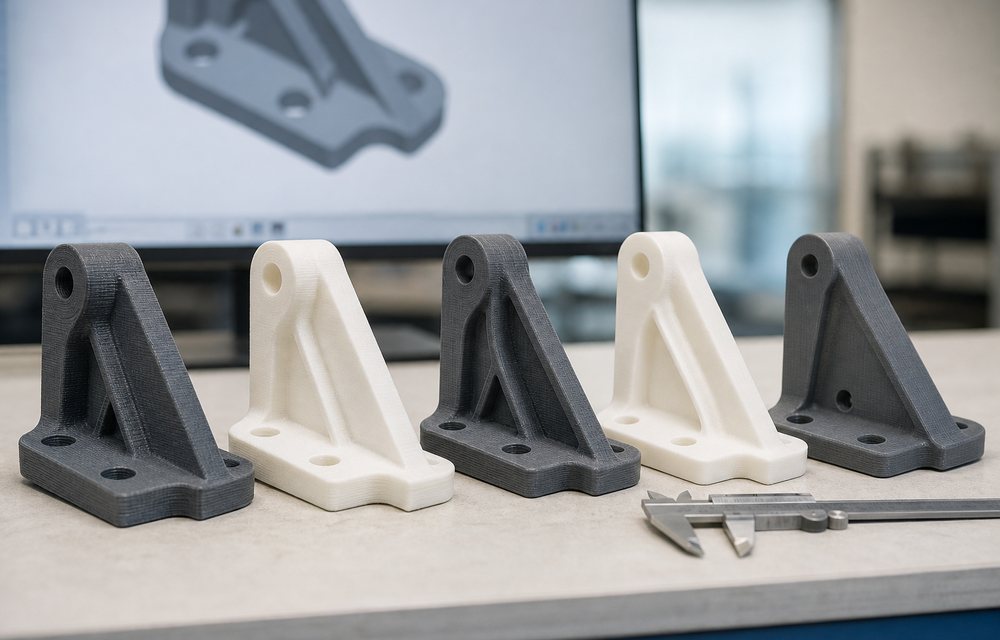
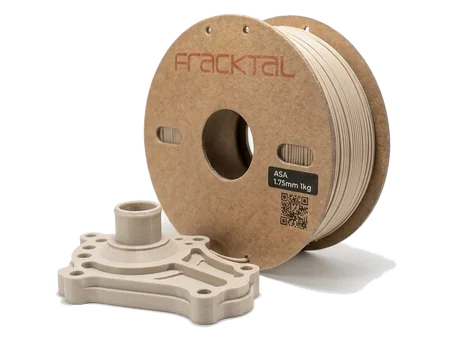
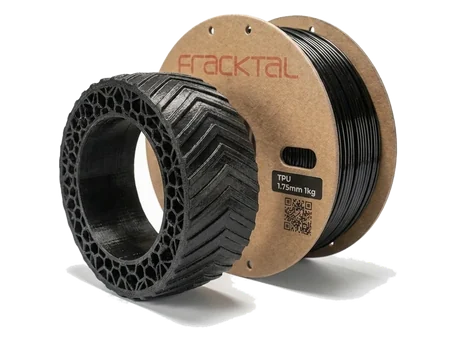
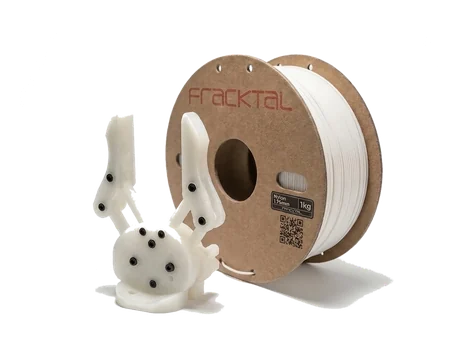
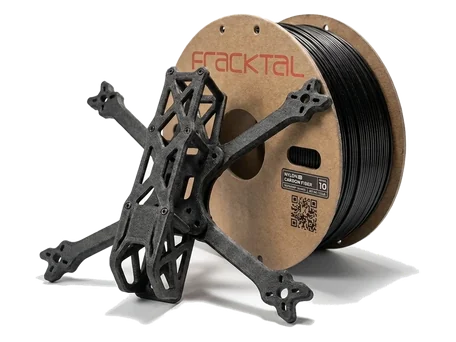
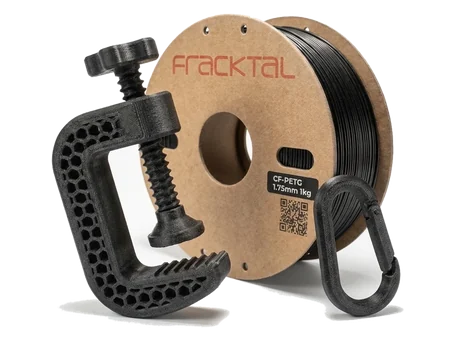
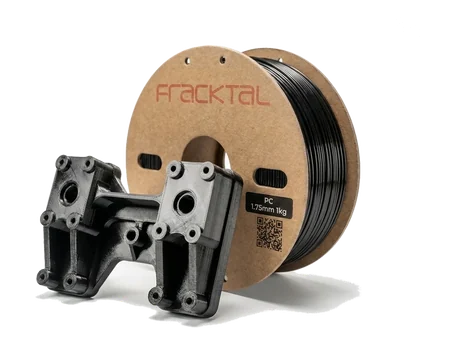
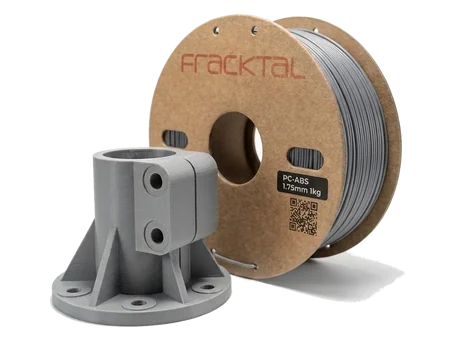
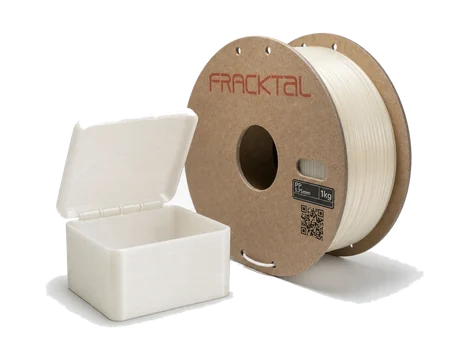
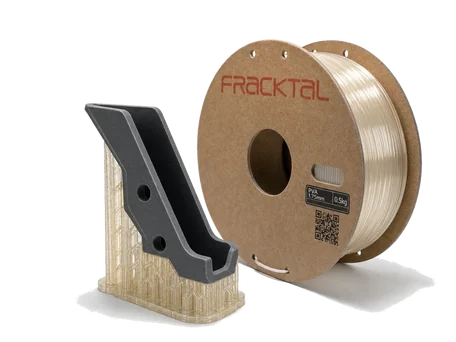
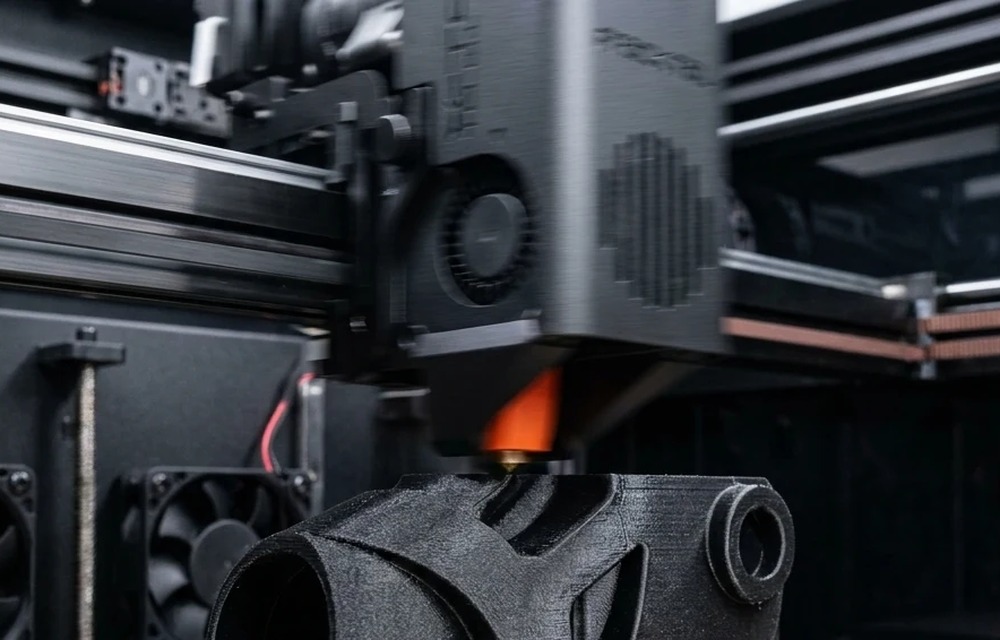
Fused deposition modelling melts a thermoplastic filament and lays it down in layers. It has the widest choice of materials, from PLA to carbon-fibre nylon and polycarbonate, the largest build volumes, and the lowest cost per part for one-offs and small batches. It is what our own machines do, from the desktop Snowflake to the 600 mm Twin Dragon.
Choose it for: prototypes at every stage, jigs and fixtures, enclosures, brackets, large parts, and any part where the material matters more than the surface.
Its limits: visible layer lines, weaker strength across layers than along them, and support marks on overhangs. Fine, intricate detail below about half a millimetre is not its strength.
SLS: nylon parts with no supports
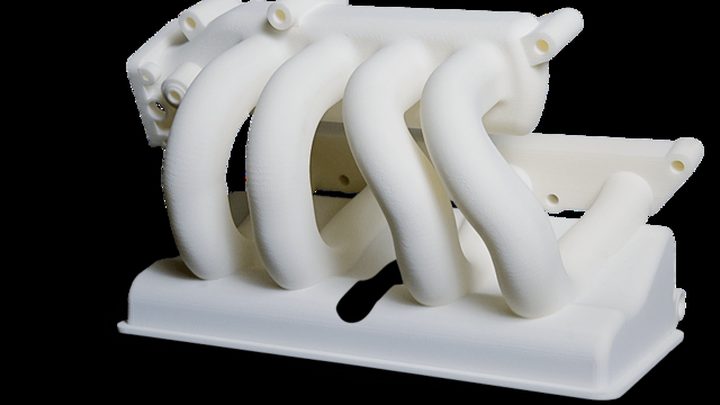
Selective laser sintering fuses nylon powder layer by layer; the unfused powder supports the part, so there are no supports to remove and no orientation compromises. Parts come out with a uniform, slightly grainy surface and consistent strength in all directions. Because a whole bed of parts prints at once, a batch of fifty costs little more per part than a batch of five.
Choose it for: functional nylon parts, living hinges and snap-fits, small batches of end-use parts, and geometries with internal channels or interlocking features.
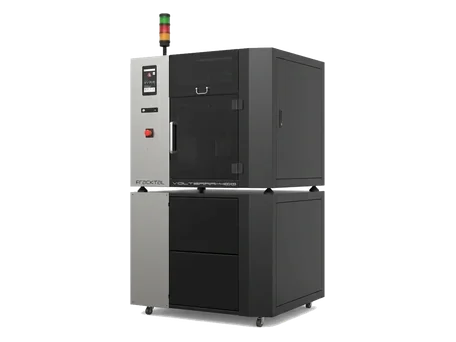
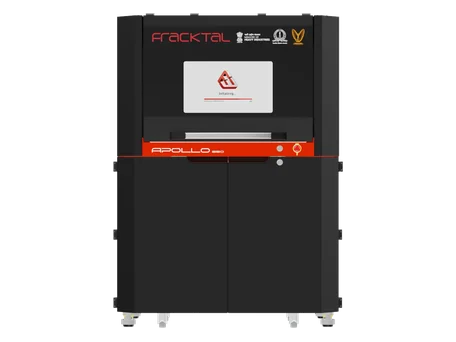
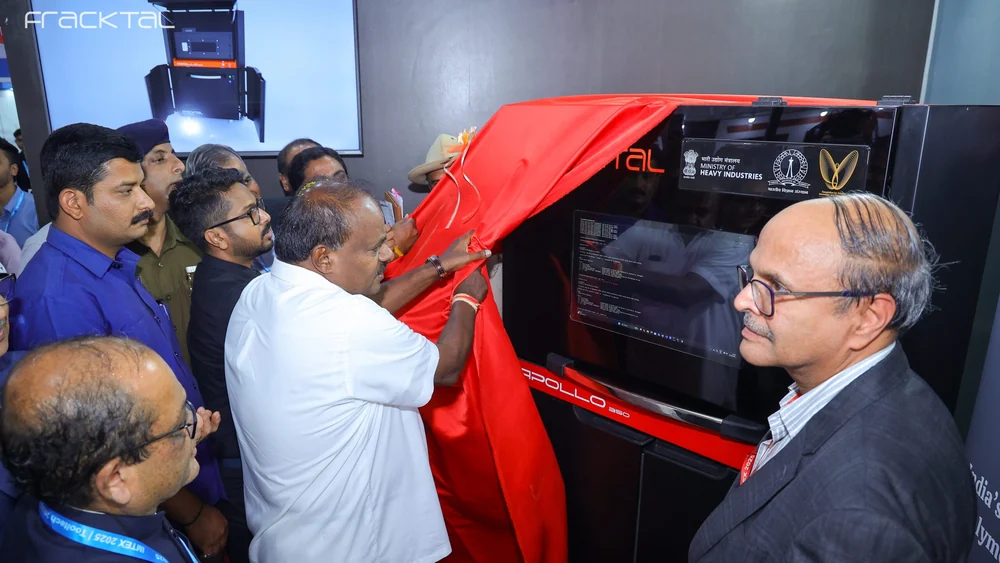
Its limits: nylon only (PA12 and its glass- and carbon-filled variants), a matt surface that needs dyeing or blasting if colour matters, and slightly lower dimensional accuracy on large flat parts. We run SLS on the manufacturing floor, and our own Apollo is the machine built to bring the process in-house.
MJF: SLS’s faster cousin
Multi Jet Fusion also builds nylon parts in a powder bed, using an inkjet agent and infrared heating rather than a laser. Mechanical properties are similar to SLS, surfaces are a little smoother, and the process is quicker for full beds, which makes it the usual choice for batches in the hundreds. We offer it alongside SLS; see the MJF page for where it wins.
SLA: detail and finish
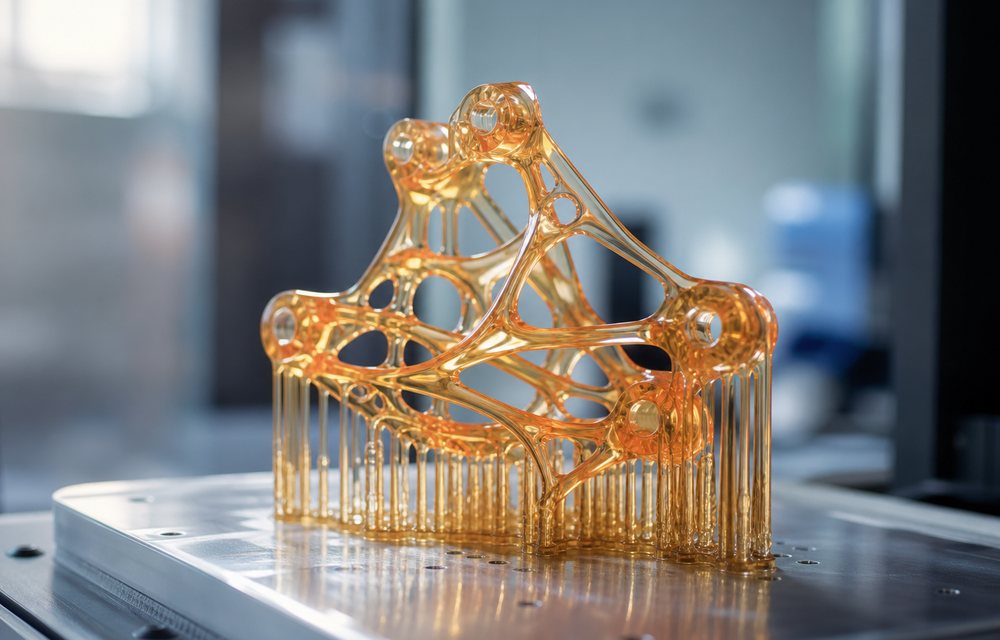
Stereolithography cures liquid resin with a light source. Layers are so fine that surfaces look moulded, and small features print that no other process can hold. Resins range from general-purpose to castable, flexible, high-temperature and certified biocompatible.
Choose it for: visual models, dental and jewellery patterns, small intricate parts, translucent parts, and anything where surface finish is the point.
Its limits: resin parts are generally more brittle and less heat-resistant than thermoplastics, sunlight degrades many of them, and large parts are expensive.
Vacuum casting: when you need twenty of something that looks moulded
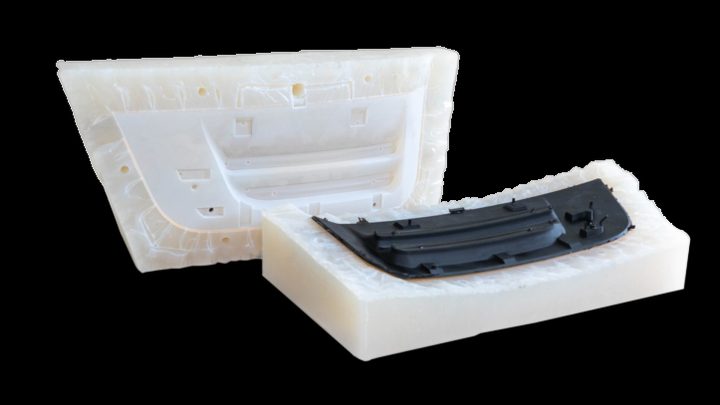
Not printing at all, but the natural next step from it: an SLA master is used to make a silicone mould, and polyurethane parts are cast from it. Twenty to fifty parts in a moulded finish, in colours and hardnesses that mimic production plastics, for a fraction of the cost of a steel tool.
Metal: where it earns its cost
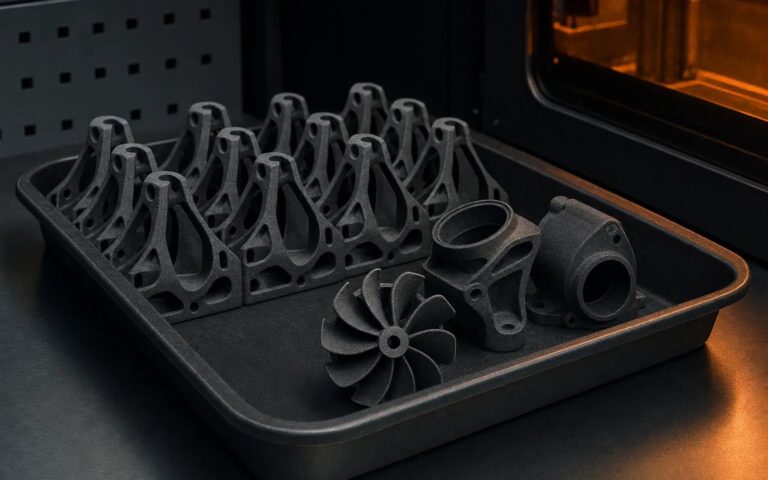
Laser powder-bed fusion prints metal parts directly: aluminium, stainless and tool steels, titanium, cobalt-chrome. The parts are real metal with real properties, and the process makes geometries that no machinist can reach. It is also expensive, needs substantial post-processing, and is the wrong answer for the majority of parts people ask about. It earns its cost in aerospace brackets, conformally cooled mould inserts, patient-specific implants, and consolidated assemblies where one printed part replaces ten machined ones. For anything else, a machined part or a printed polymer part is usually better value.
A decision in four questions
- Does the material have to be a specific engineering polymer? FDM.
- Does it need to be nylon, strong in every direction, or made in a batch? SLS or MJF.
- Is surface finish or fine detail the point? SLA, then vacuum casting if you need multiples.
- Does it have to be metal, and would a machined part not do? Metal powder-bed, and be ready for the price.
Our side-by-side comparison puts numbers to these. And if you are not sure, send the file through the quote page with a line about what it is for; picking the process is the first thing our engineer does.