











3D Printed Spare Parts: Digital Inventory for Indian Plants

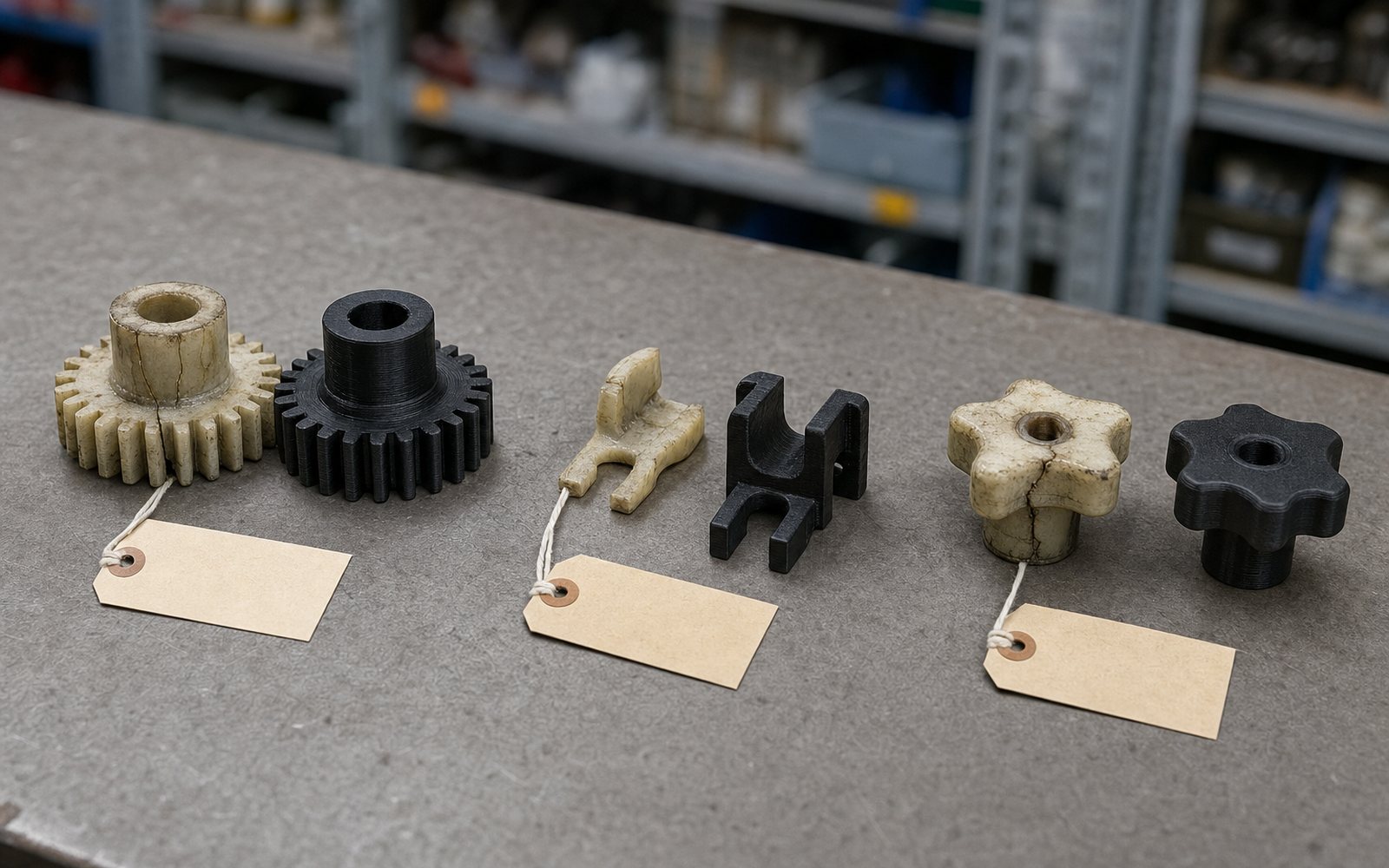
3D printed spare parts solve a problem every plant manager recognises: the machine is down for a plastic part worth a few hundred rupees, the supplier quotes six weeks, and the alternative is a warehouse full of parts that were bought “just in case” and will mostly never be fitted. Printing the part on demand, from a file, is the way out of both, and it works today for a large share of the polymer parts on a factory floor.
This is how a digital inventory is built, which parts belong in it, and what it costs.
The problem with physical spares
A spare part is a bet. The plant buys it because the machine might need it, stores it because it was bought, and writes it off years later because it was never needed or the machine was retired first. Across a plant the numbers are large: parts stocked in the hundreds against a failure rate of one a year, capital sitting on shelves, and still the one part that fails is the one that was not stocked.
For polymer parts the bet is worse, because plastic ages on the shelf. A ten-year-old rubber seal or nylon guide has hardened before it is fitted.
Which spares can be printed
The parts that suit printing share four properties: they are polymer, they are needed in ones and twos, they are not available at short notice, and their failure stops something expensive. On a typical floor that list includes:
- Guides, wear strips and chain guards on conveyors
- Gears, sprockets and pulleys on low-torque drives
- Knobs, handles, levers and console bezels
- Fan shrouds, ducts and covers
- Cable clips, brackets and sensor mounts
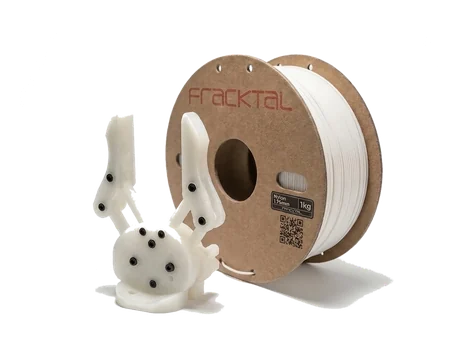
- Grippers, fingers and nests on automation
- Housings for switches, displays and controllers
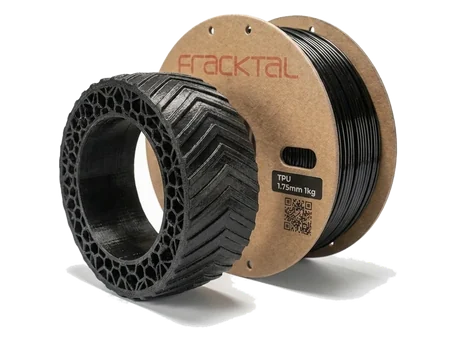
- Seals, gaskets and bumpers in TPU
What does not suit printing: high-torque gears, parts under continuous load above the material’s heat-deflection temperature, precision bearings surfaces, and anything with a certification tied to the original manufacturer. For those, a machined part, or the OEM’s part, is the right answer, and we will say so.
Building the digital inventory
A digital inventory is the set of files that can be printed on demand, with the material, process and orientation recorded against each. It grows part by part.
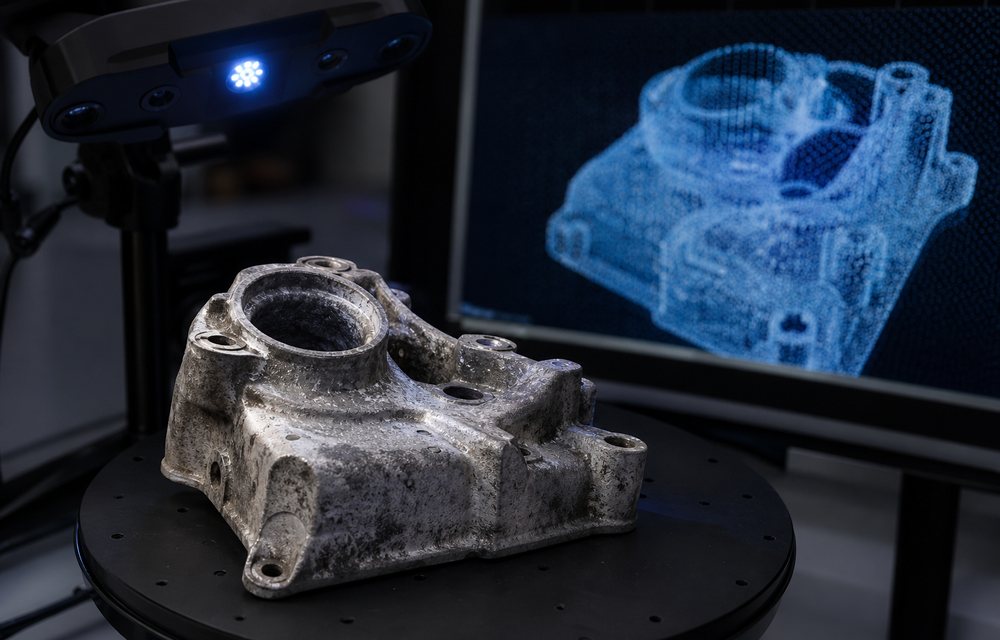
- Capture the part. If a drawing exists, model from it. If it does not, the worn part is measured or scanned and modelled: our reverse engineering service exists for exactly this, and it is usually a day or two of work per part.
- Improve it while you are there. The reason the original failed is often visible in the part. A fillet at the crack, a thicker wall, a better material: the printed replacement can be better than the original, not just a copy.
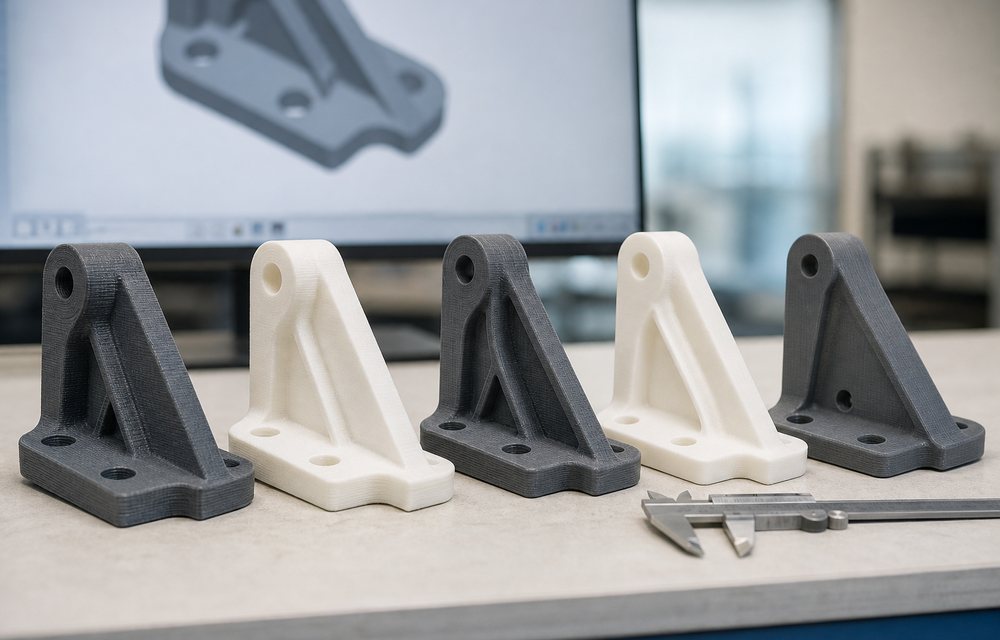
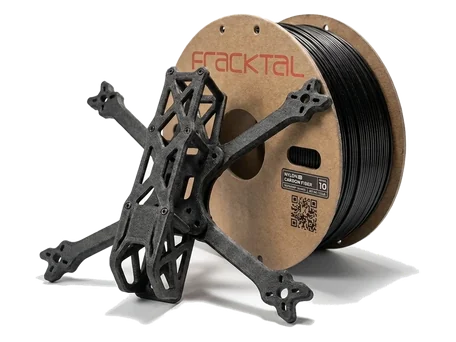
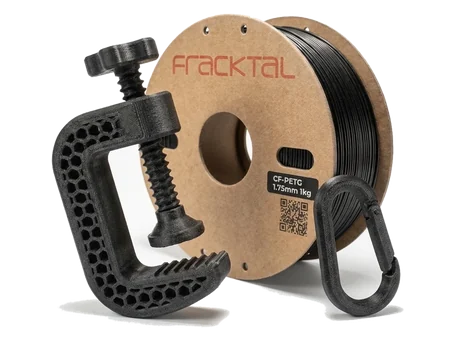
- Choose the material. Nylon for gears and guides that see wear; carbon-fibre nylon for brackets under load; polycarbonate near heat; ASA outdoors; TPU for anything flexible.
- Print one and fit it. The first print is the test. If it fits and works for a month, the file is validated and goes into the inventory with a revision number.
- Record it. Part number, file, material, process, orientation, lead time, price. Now the spare is a purchase order away, and the shelf is empty.
FDM for ones, SLS for tens
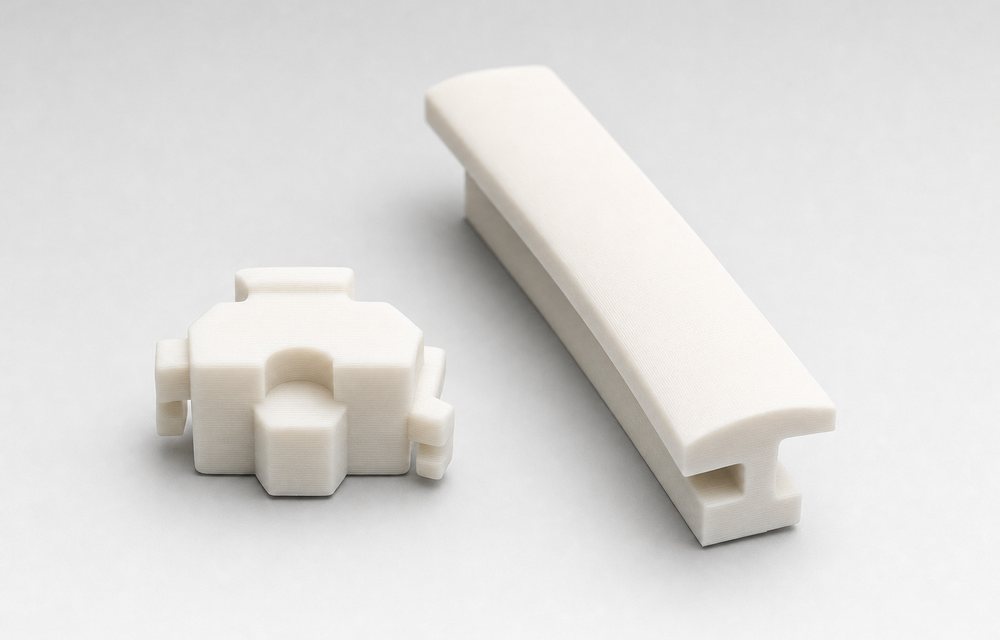
Most spares are printed one at a time in FDM, which has the widest material range and the lowest cost for a single part. Where a part is replaced regularly across a fleet of machines, the economics shift to SLS nylon: a bed of thirty guides prints at once, with the same strength in every direction and no support marks, and the plant holds a month’s supply that cost little more than a single FDM part each. The process comparison puts numbers to that.
What it costs, and what it saves
A printed spare is usually priced between the cost of a stock part and the cost of a machined one-off: more than the OEM charged when the part was in production, far less than the OEM charges for an obsolete one, and available in days rather than weeks. Reverse engineering adds a one-time cost per part that is recovered on the first or second order.
The saving is on the other side of the ledger: the capital in the store room, the write-offs, the space, and above all the downtime. One shift of a stopped line pays for a lot of printed guides. For accounting, printed parts and printing services carry their own HSN codes and GST rates, which our HSN and GST guide sets out.
Who is already doing this
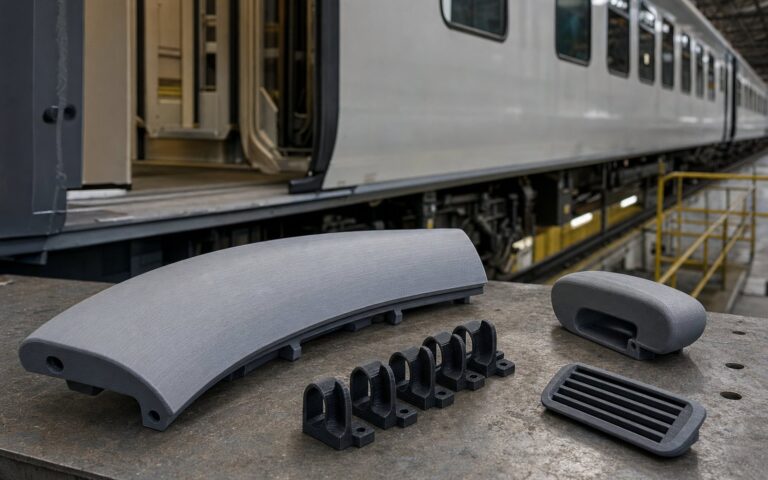
Railways were early: Deutsche Bahn has printed tens of thousands of spare parts for its fleet and runs an industry network, Mobility goes Additive, to share qualified part files between operators. Indian plants tend to start smaller, with a single line’s worth of guides and clips, and grow the inventory as each part proves itself. Our railway article and the manufacturing article cover the specific cases.
Printing spares in-house
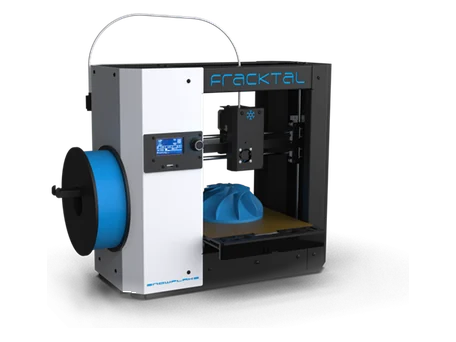
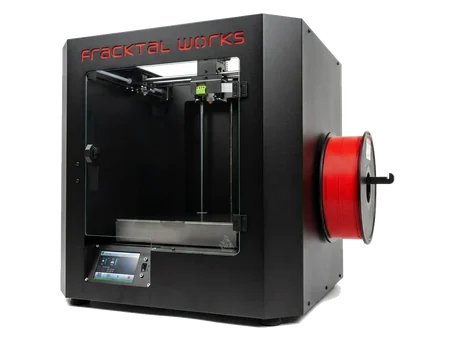
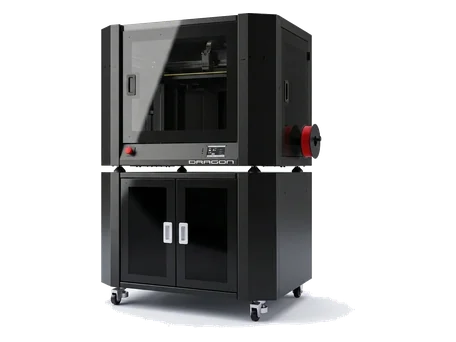
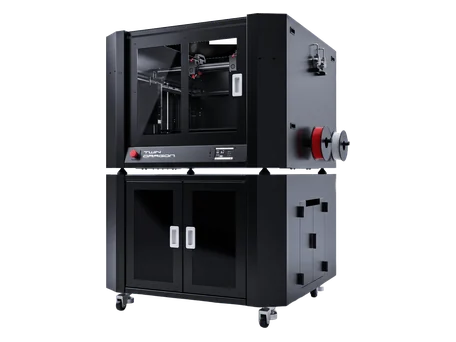
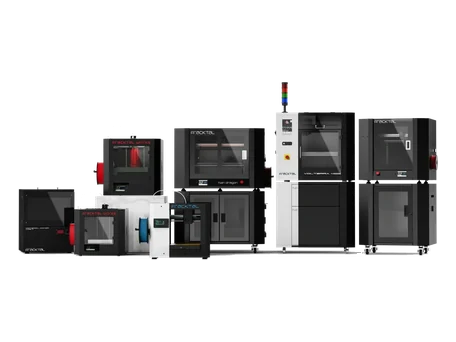
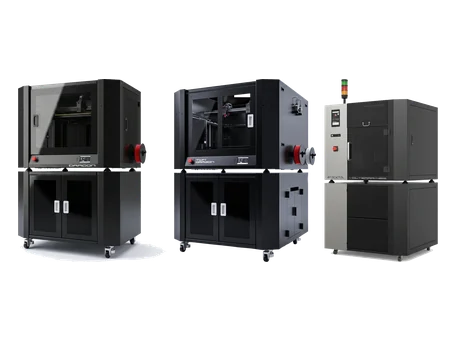
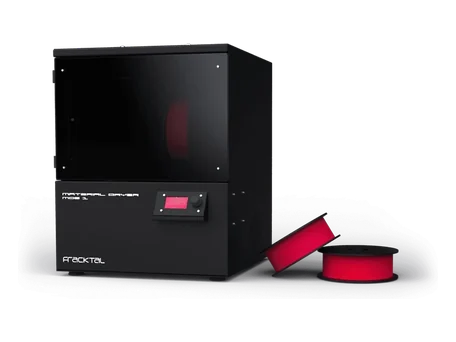
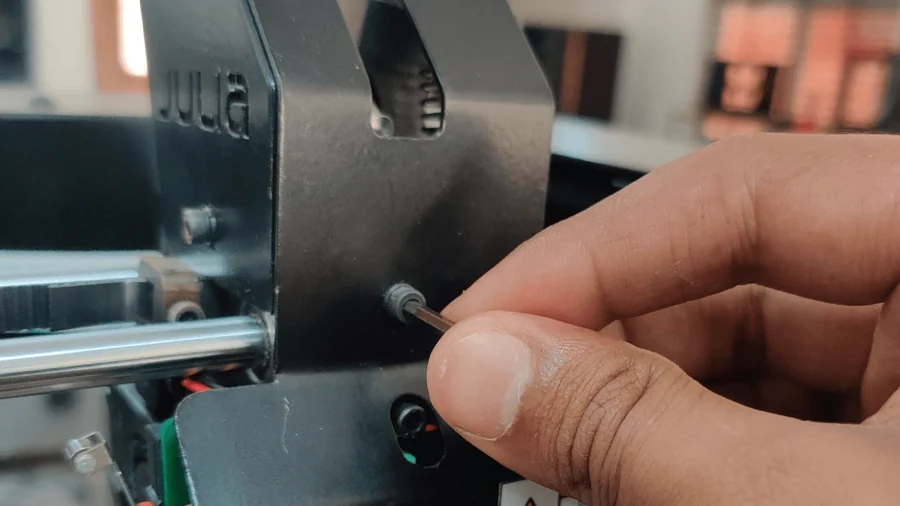
Once the inventory has fifty parts in it, a plant often decides to print its own. A Snowflake or Julia on the maintenance bench covers the small parts; a Dragon takes the long guides and covers that need a 700 mm bed. We supply the machine, the materials and the training, and keep printing the parts that need a process the plant does not have.
To start, send us the three parts that stopped your line last year. Photographs and rough dimensions are enough for a first conversation; the quote page takes both.