











3D Printing in Manufacturing: Tooling, Aids, Small Batches

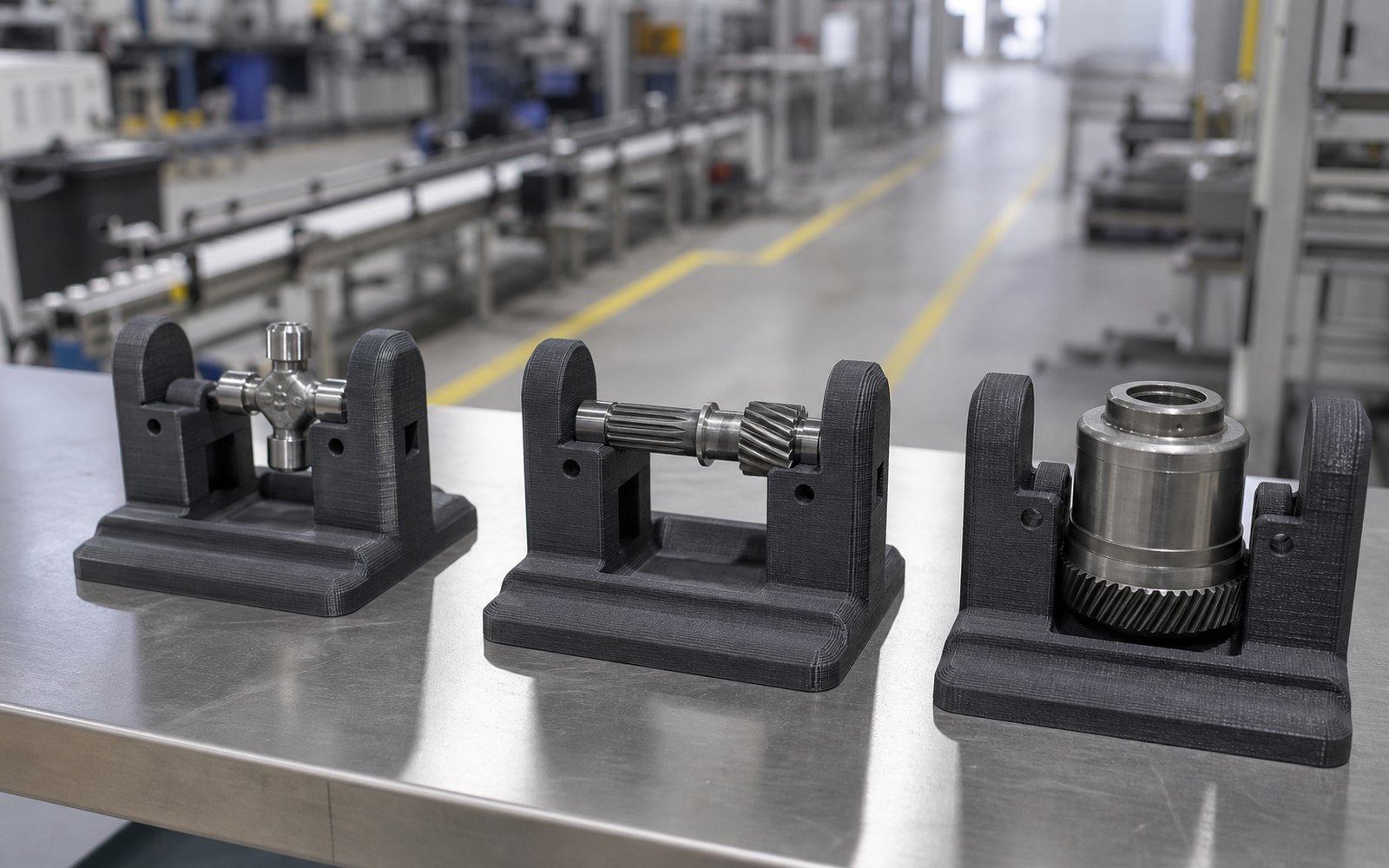
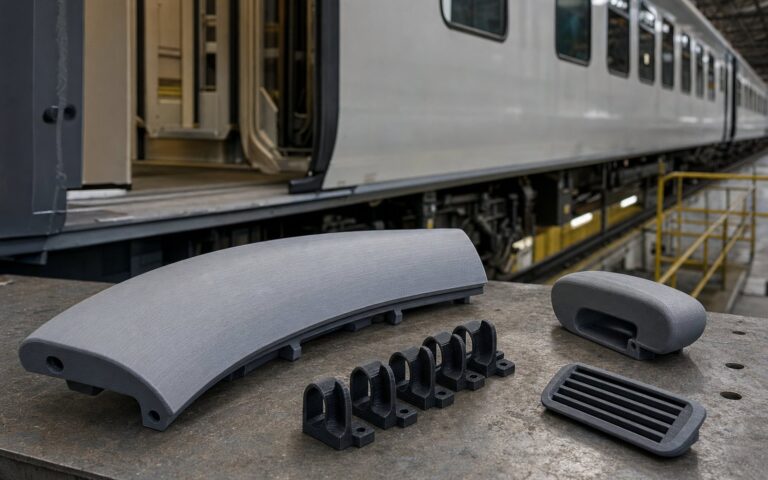
3D printing in manufacturing pays for itself on the parts nobody puts on a bill of materials: the fixture that holds the assembly, the guide that keeps the line from jamming, the gauge that checks a gap, the fifty-off part that never justified a mould. A factory that starts printing does not print its product. It prints the things that make the product, and then discovers how many of those there are.
This is the order in which printing usually arrives on a factory floor, and what each step is worth.
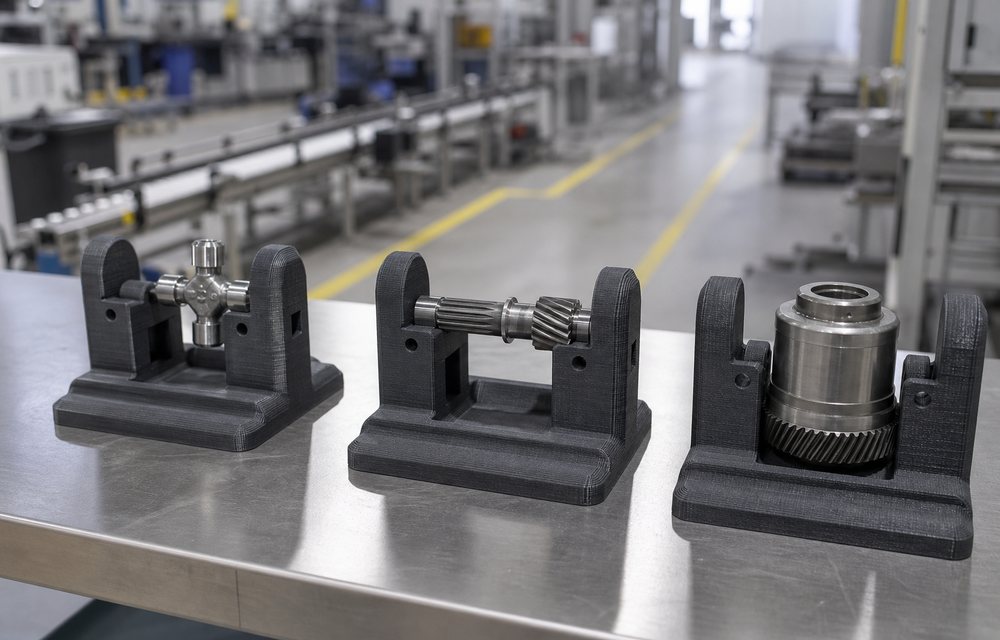
First: jigs, fixtures and gauges
Every factory has them, nobody has enough of them, and they are all custom. A fixture machined from aluminium costs real money and takes a week; the same fixture printed overnight costs a few hundred rupees in material and is redesigned as soon as the process changes, which is constantly.
- Assembly fixtures that locate parts while they are fastened, glued or welded
- Drill and tap guides
- Go/no-go gauges for gaps, flush, hole position and thread presence
- Soldering and potting jigs for electronics
- Test nests that hold a product against its test probes
- Marking and labelling templates
The jigs, fixtures and gauges guide has the design rules, and it is the article to read first. Most plants that start here have a printer running full-time within a month.
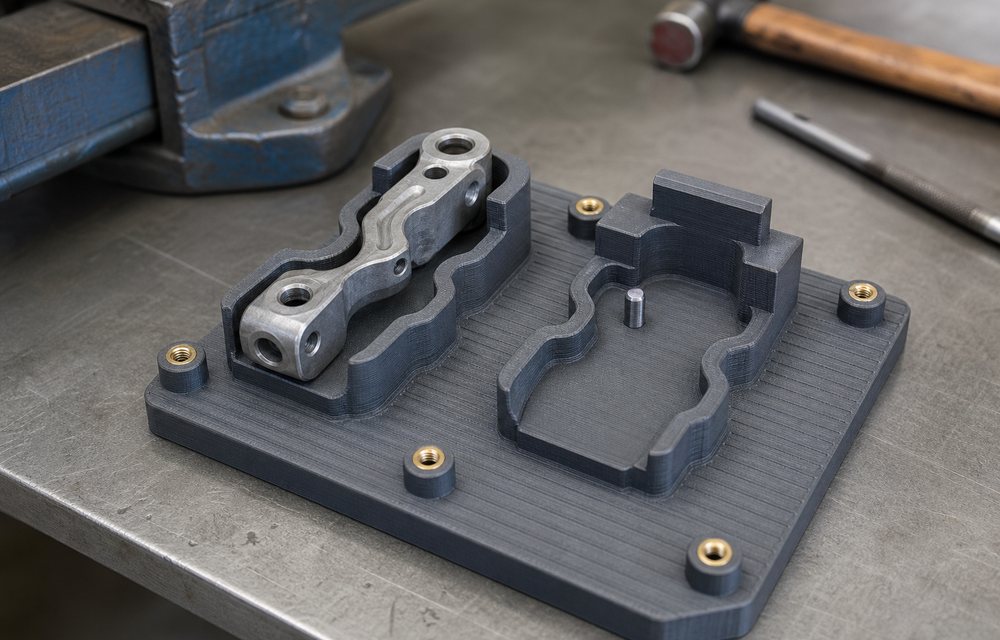
Second: manufacturing aids and error-proofing
The next wave is smaller and more numerous: the parts that keep a line moving and stop mistakes. Guards, guides, pushers, trays with a pocket per part in sequence, holders that only accept a component one way, protective caps for connectors and threads, ergonomic handles for tools, and covers that keep swarf out of a fixture. These are the physical form of poka-yoke, and a printed one is designed by the engineer who saw the problem, the same afternoon. Our manufacturing aids page shows the shapes.
Third: end-of-arm tooling and automation
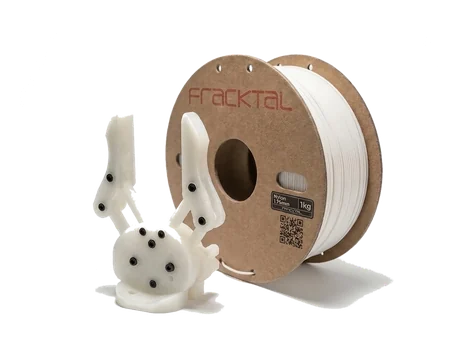
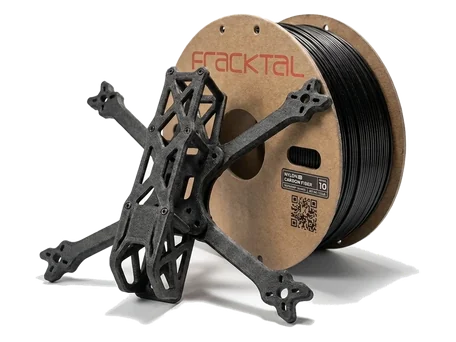
As lines automate, the parts that touch the product on a robot become the most-changed parts on the floor. Gripper fingers shaped to the product, suction plates with holes exactly where the part needs them, nests and pucks for odd shapes. A printed gripper finger in carbon-fibre nylon weighs a third of the machined one, which lets the robot run faster, and it is replaced by a new revision rather than repaired. The robotics article covers this in depth.
Fourth: spares and the digital inventory
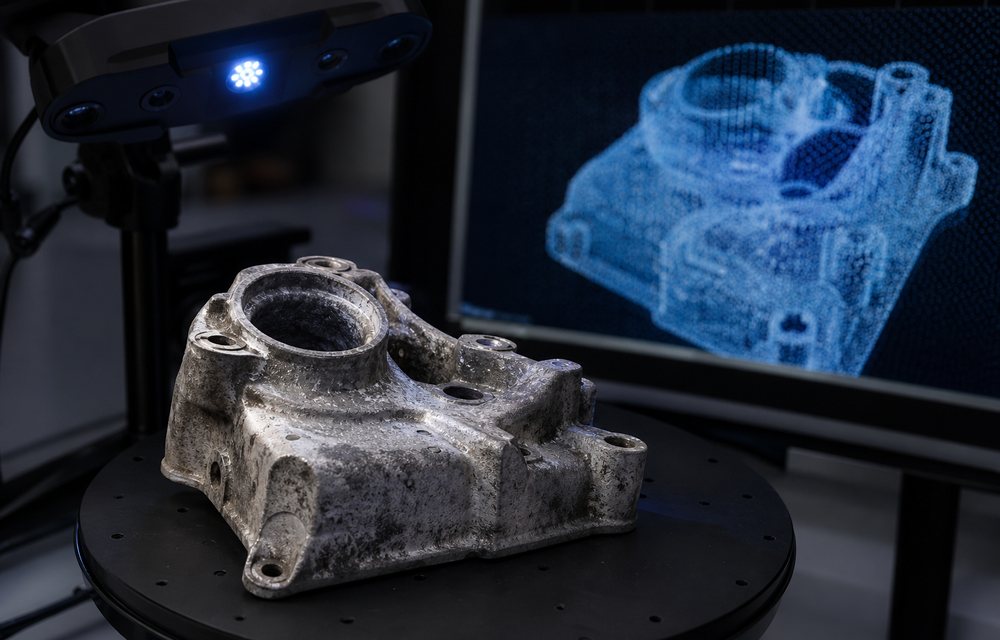
Once a plant prints its own tooling, the maintenance team notices. Guides, gears, knobs, covers, fan shrouds and clips that the OEM no longer supplies, or supplies in six weeks, are modelled, printed and filed. Over a year that file becomes a digital inventory, and the store room shrinks.
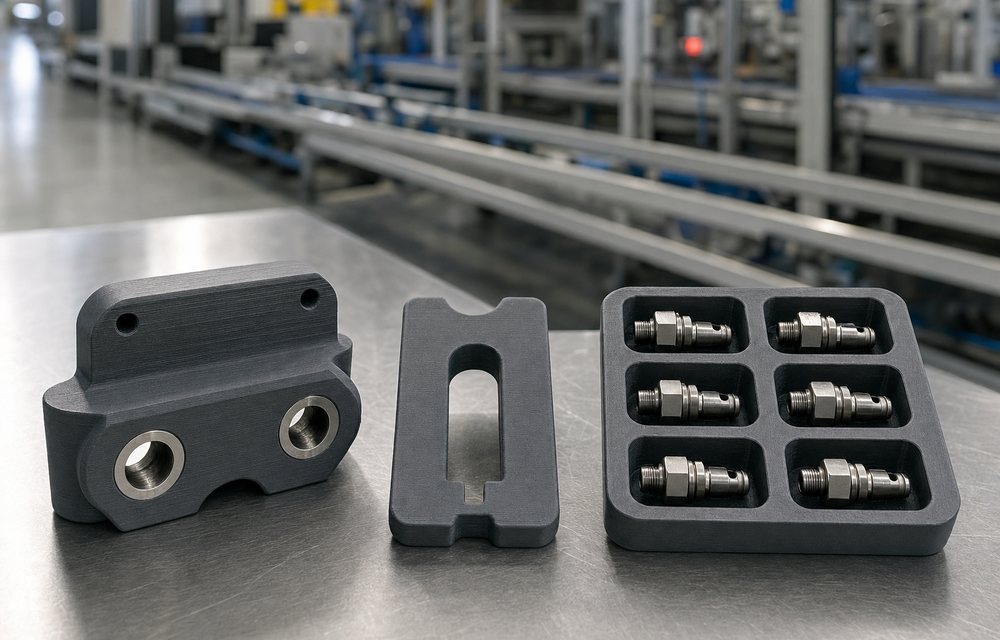
Fifth: the parts themselves, in small numbers
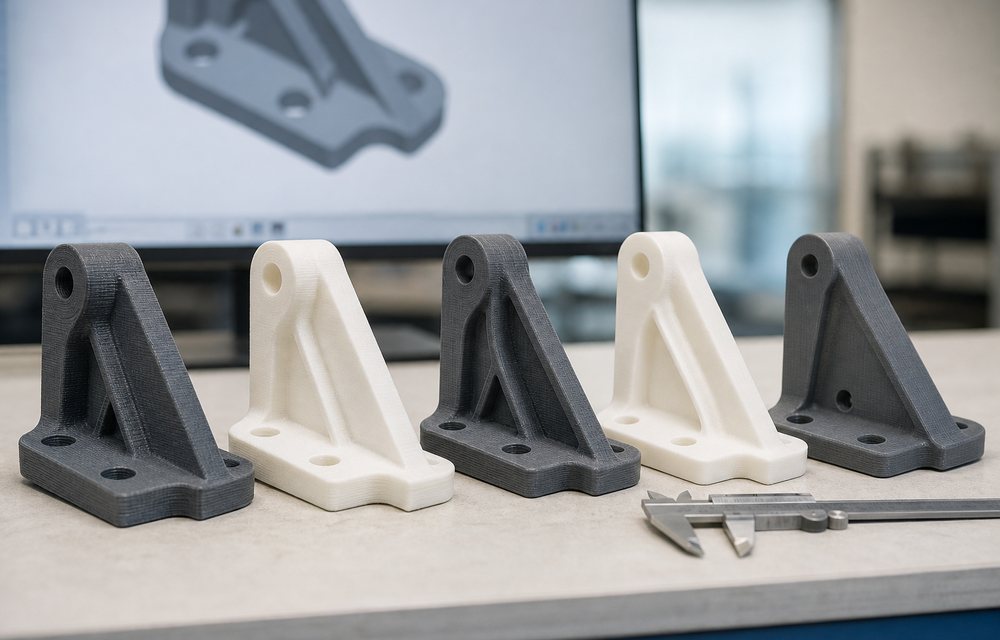
The last step is production. Below a few thousand a year, an injection tool does not pay, and a surprising number of parts live below that line: variants, accessories, custom orders, pilot runs, parts for a product still being changed. Nylon 12 by SLS or MJF makes those parts in batches of fifty to a few hundred with the consistency of a moulded part, and vacuum casting covers the ones that must look moulded. The end-use parts page and the production parts article set out where printing stops and moulding starts.
What it costs a plant to start
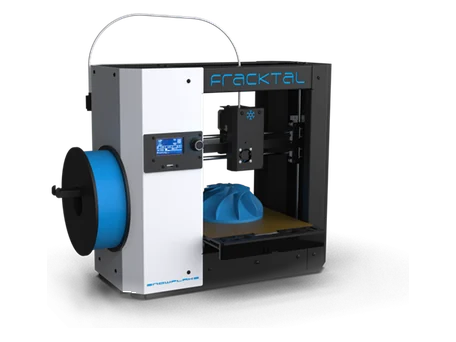
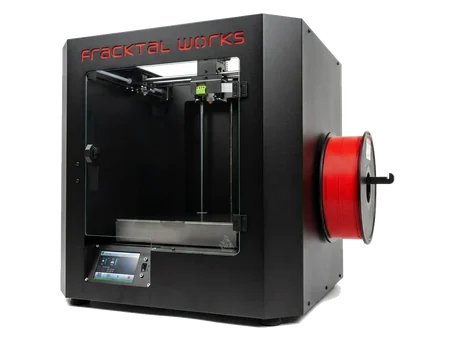
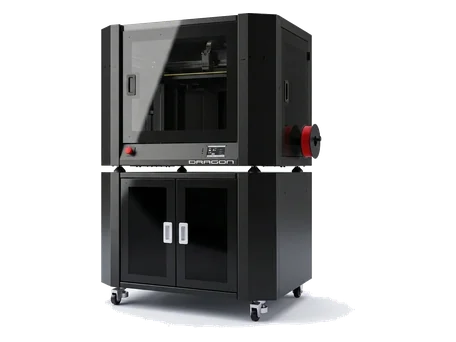
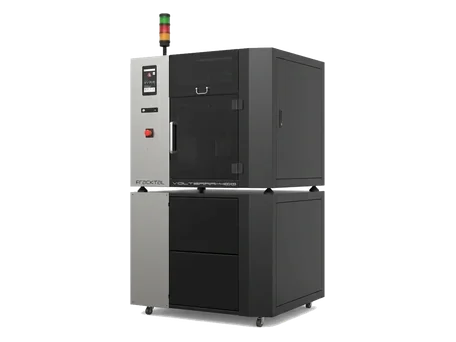
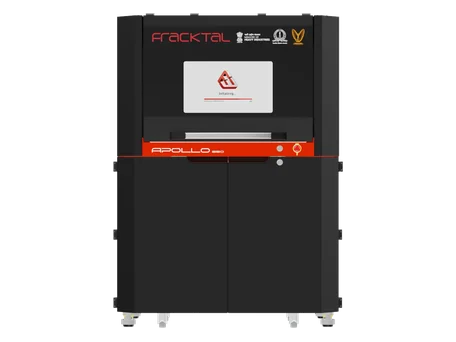
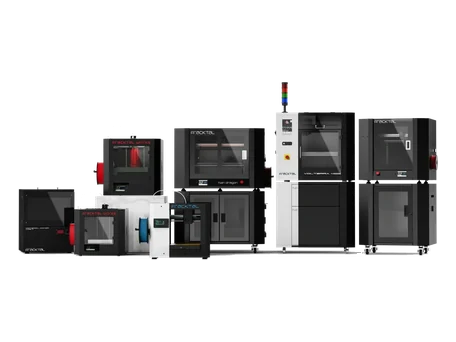
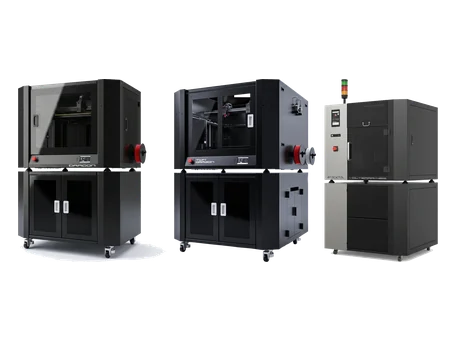
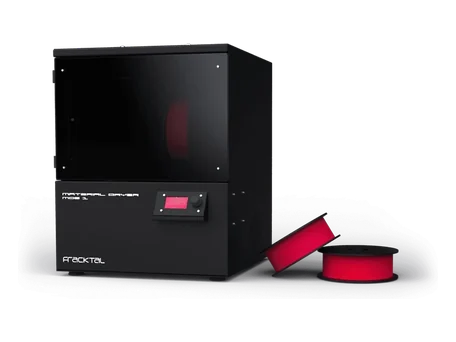
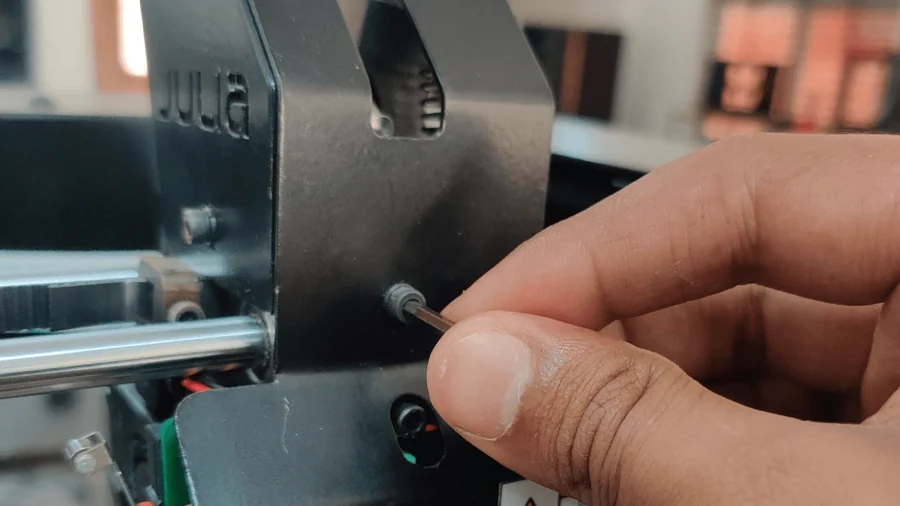
Less than a single machined fixture, in most cases. A desktop machine such as the Snowflake covers small jigs and aids in PLA and PETG; a Julia adds the engineering materials and remote monitoring for overnight prints; a Dragon takes the long guides and large fixtures that need a 700 mm bed at production speed. The industrial range page compares them. For parts that need a process the plant does not have, our manufacturing floor in Bengaluru runs FDM, SLS, MJF, SLA and vacuum casting.
Materials for the factory floor
- PETG for most jigs and aids: tough, easy to print, cheap.
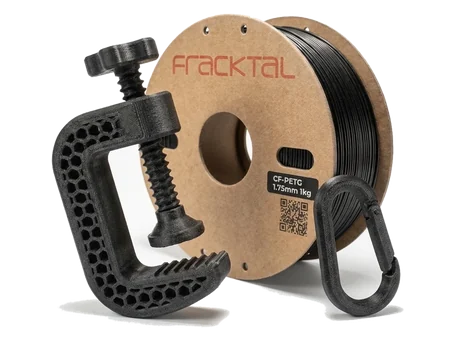
- Carbon-fibre PETG and carbon-fibre nylon for fixtures that must hold a dimension under load.
- Nylon for guides and wear parts.
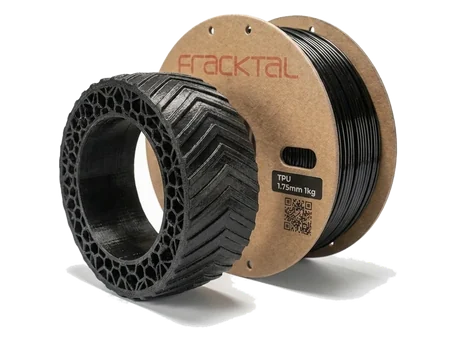
- TPU for soft jaws, pads and bumpers that must not mark the product.
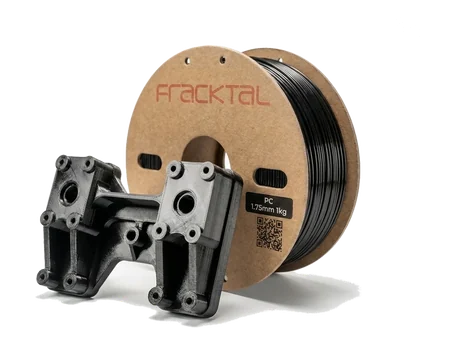
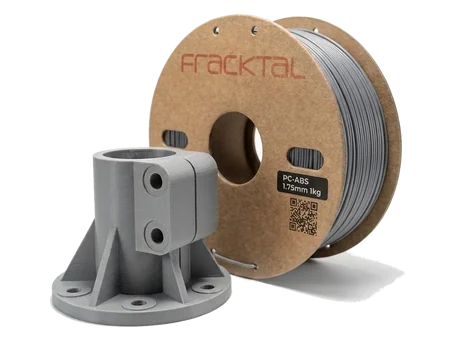
- Polycarbonate for anything near heat or under impact.
Start with the fixture that annoys you most
Every plant has one: the fixture that was never quite right, the guide that jams once a shift, the gauge everyone has learned to work around. Photograph it, measure it, and send it through the quote page, or read the manufacturing industry page for the fuller picture. The first printed part on a factory floor is usually the one that convinces the rest of the building.