










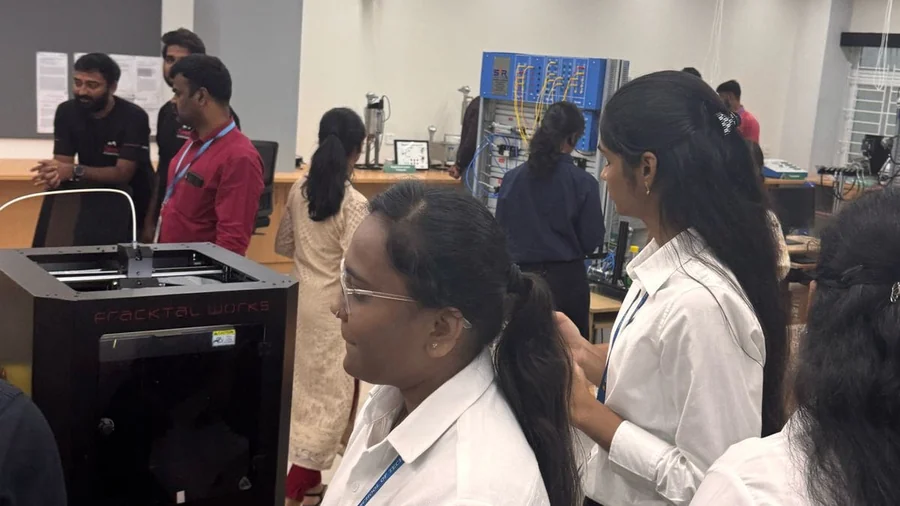

3D Printing Lab for Engineering Colleges: Setting It Up

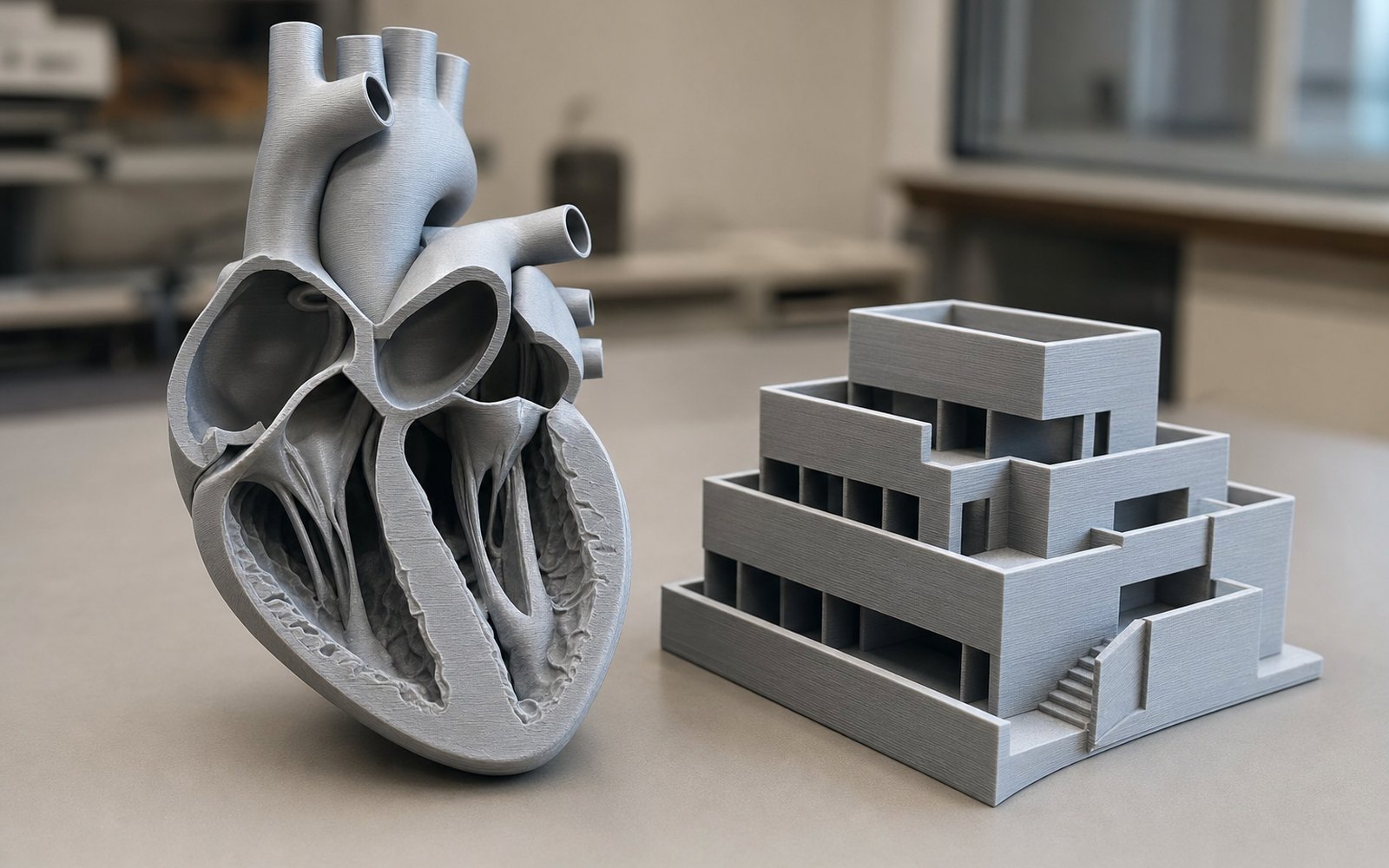
A 3D printing lab for engineering colleges is a different thing from a printer in a school: it runs unattended overnight, it prints engineering materials rather than PLA alone, it serves final-year projects, research groups and the odd start-up, and it is judged by how many hours a week it is actually printing. This is how to set one up so that number is high, from the machines to the rules, based on the labs we have equipped and supported across India since 2013.

What the lab is for
Be clear about the users before buying anything, because they want different things.
- Coursework. Design and manufacturing courses where every student prints a part: many small prints, PLA and PETG, a queue.
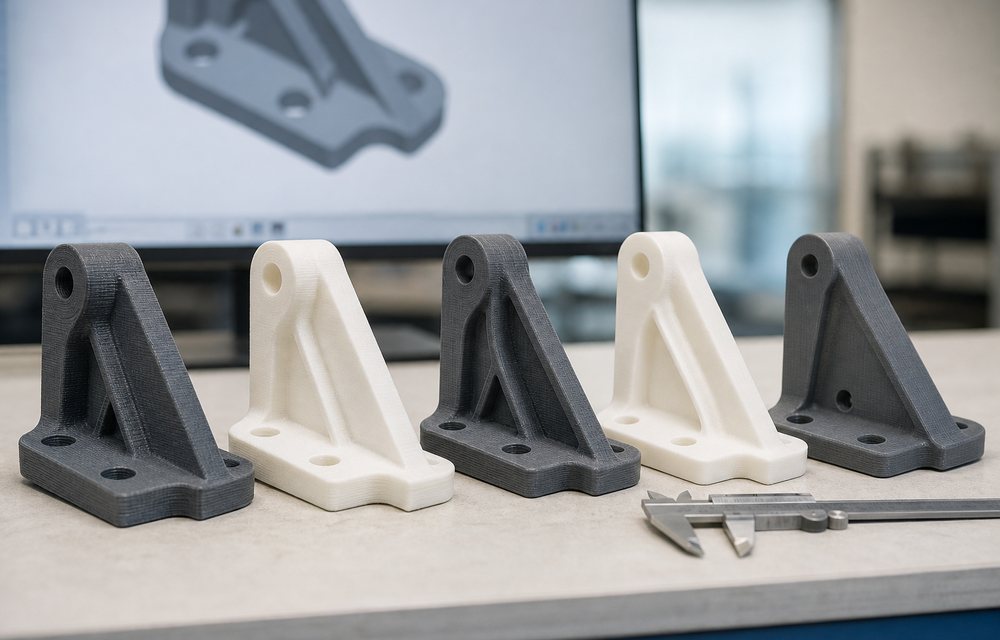
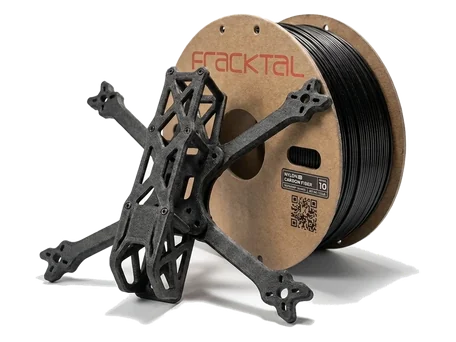
- Final-year and capstone projects. Fewer, larger, more demanding prints: a drone frame in carbon-fibre nylon, a robot chassis, a prosthetic socket, a test rig.
- Research. Specific materials, tight tolerances, repeatability, and a record of settings. Sometimes a machine the group can modify.
- Incubation. Student start-ups prototyping a product, who need the lab to behave like a service bureau.
A lab that serves all four needs at least two classes of machine, a booking system, and one person whose job it is.
The machines
The mistake most labs make is buying six identical cheap machines. Buy fewer, better ones in two tiers.
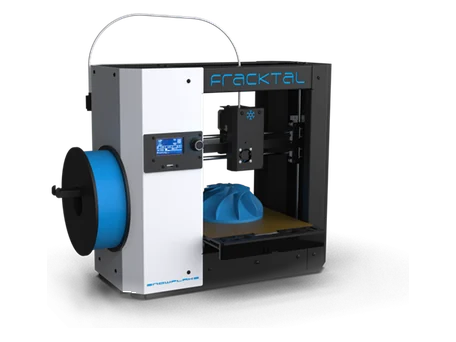
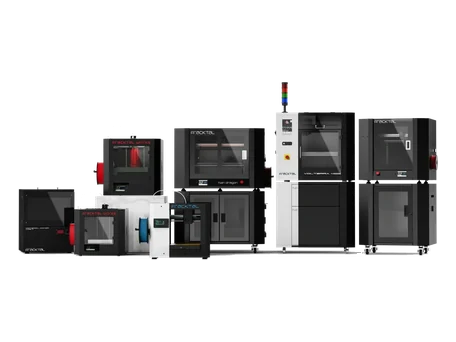
- Workhorses for coursework. Desktop machines that print PLA and PETG reliably without tuning, with auto bed levelling and a filament sensor, so a student’s first print succeeds. The Snowflake is built for exactly this, and three of them serve a course of sixty.
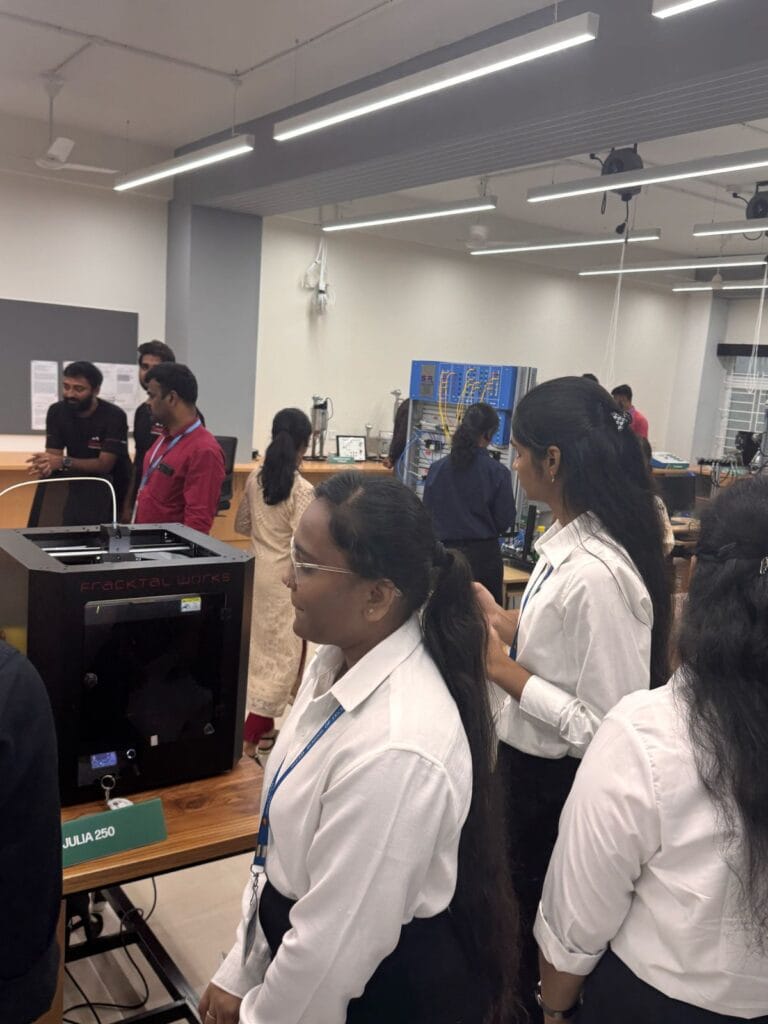
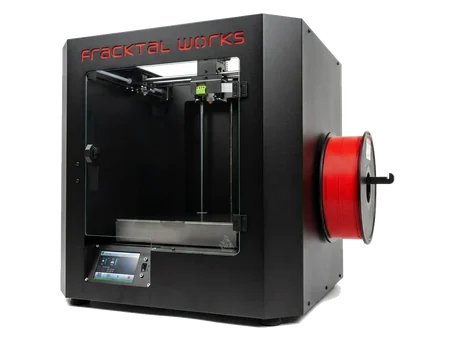
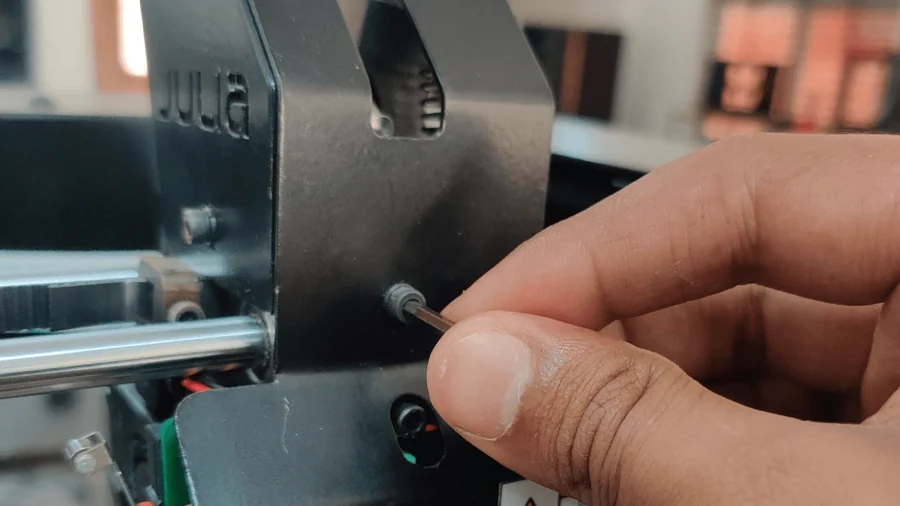
- A monitored machine for projects. Something with a camera and a web interface, so an overnight print is checked from a phone and cancelled when it fails, and with a hotend that reaches the engineering materials: the Julia, with its 300 °C nozzle, 60 µm resolution and the extended 250 × 250 × 300 mm bed.
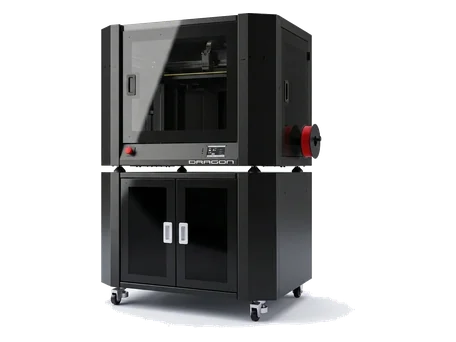
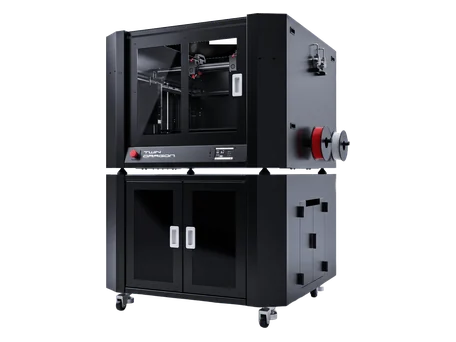
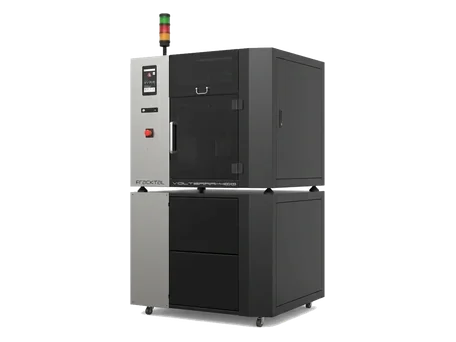
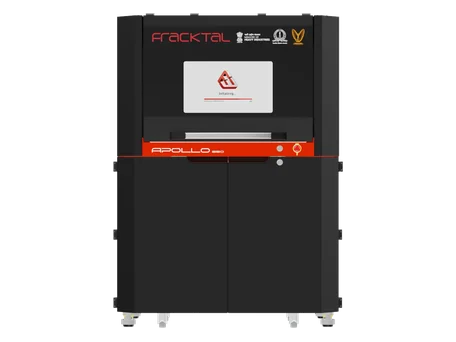
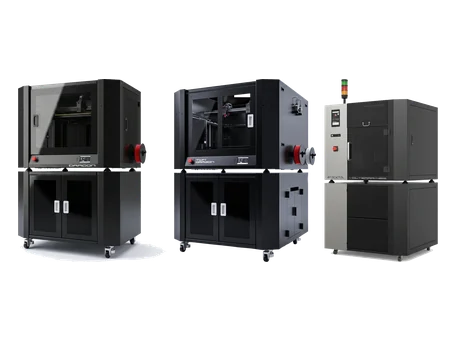
- A large-format or high-temperature machine for the research group and the capstone projects that need a 700 mm bed or a heated chamber: the Dragon for size and speed, the Volterra for polycarbonate, nylon and carbon-fibre composites that a desktop machine cannot hold at temperature.
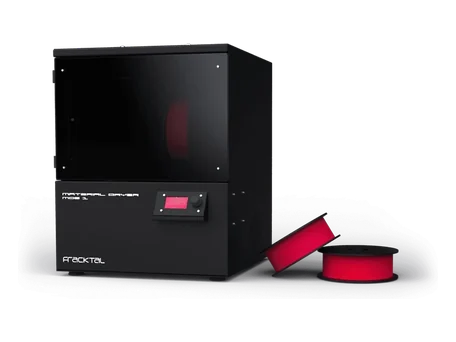
- A material dryer. Not optional. Nylon, PETG and TPU absorb moisture within days in most Indian cities, and a lab without a dryer is a lab whose prints string and delaminate for reasons nobody can find.
The education page sets out the range and the institutional pricing.
Materials to stock
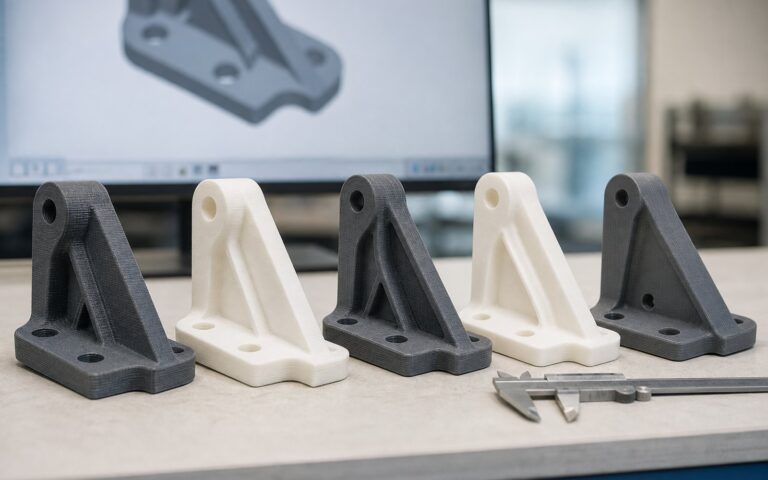
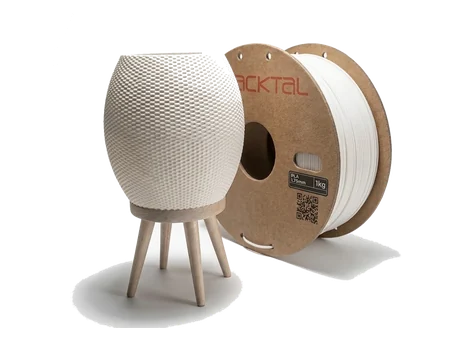
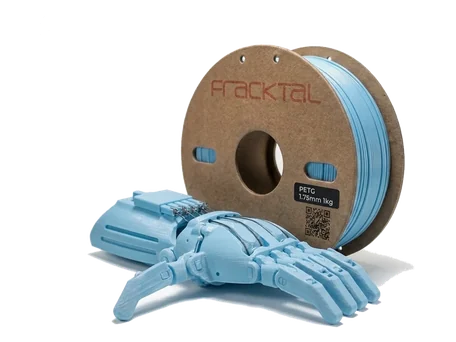
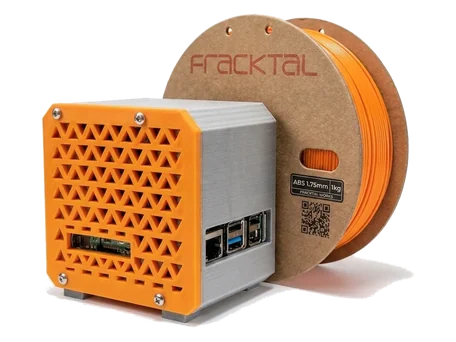
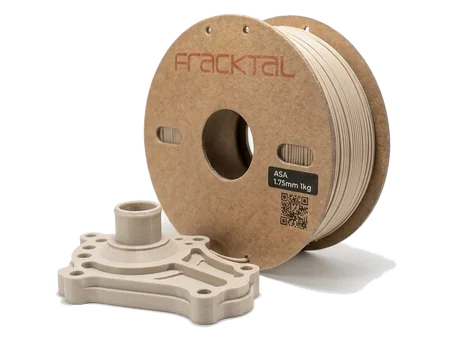
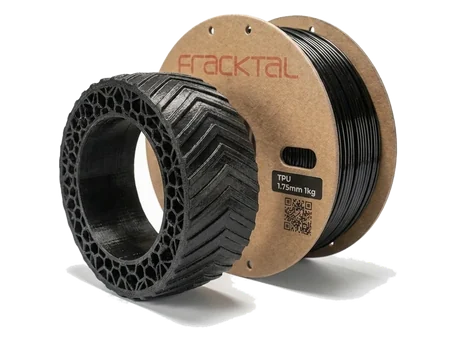
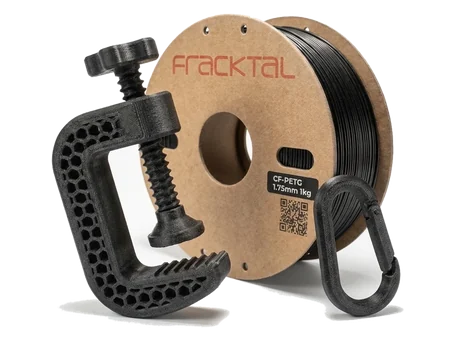
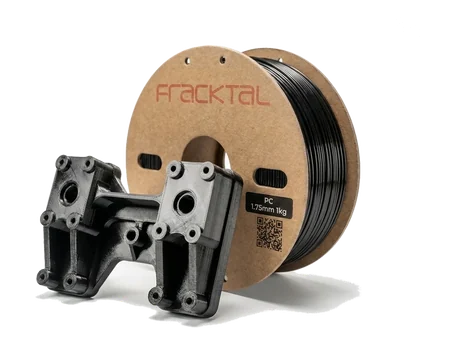
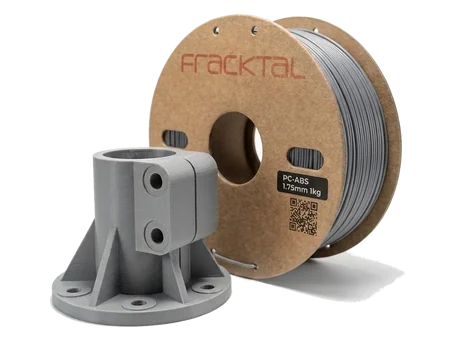
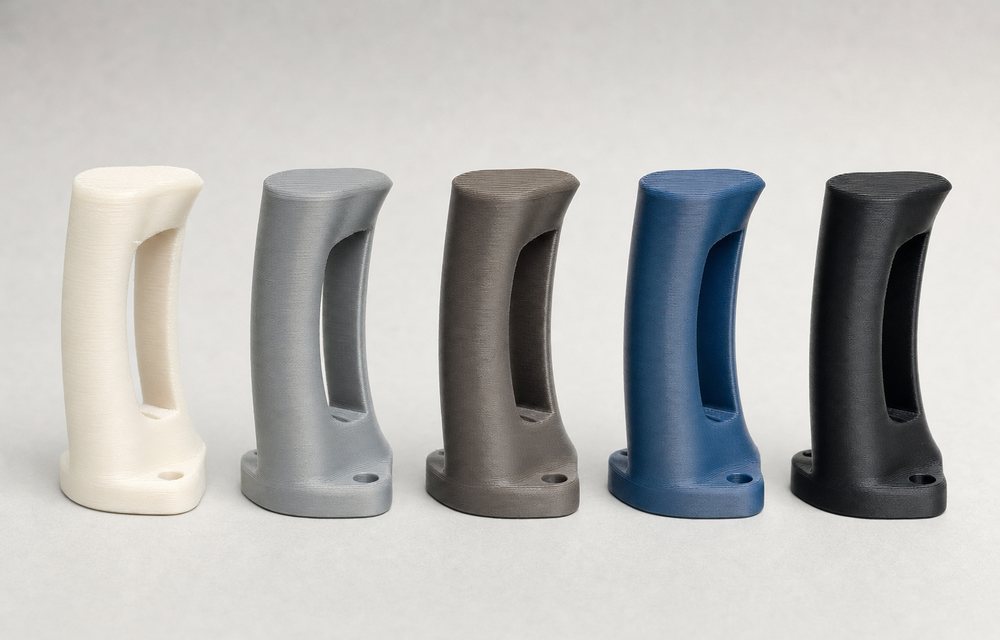
A short, well-managed list beats a long, damp one. PLA for coursework and concept models; PETG for functional parts; TPU for the flexible ones; and, on the machines that can print them, carbon-fibre nylon and polycarbonate for projects that need real stiffness or heat resistance. Keep every spool in sealed storage with desiccant, and label the date it was opened. Our PLA vs ABS vs PETG comparison is a useful hand-out.
Rules that keep the machines printing
- One owner. A lab technician or a faculty member whose responsibility the lab is, with the authority to say no to a print and the budget to buy filament.
- A booking queue. Online, with a file, a material, a purpose and a name. Prints over four hours go on the monitored machines overnight.
- Design for printing before printing. A checklist at submission: wall thickness, overhangs, orientation, units. Our design for 3D printing page is a ready-made version, and the FDM settings guide covers the slicer.
- A student technician team trained on maintenance: nozzle changes, bed preparation, first-layer tuning. They keep the lab running between staff changes, and the training is itself a qualification.
- Charge for materials on non-course prints. A nominal per-gram rate for projects and incubation stops the lab being a free printing service and funds the filament.
- Log everything. Hours printed, failures and their causes, materials used. The log is what justifies the next machine.
Beyond the lab: when to use a service
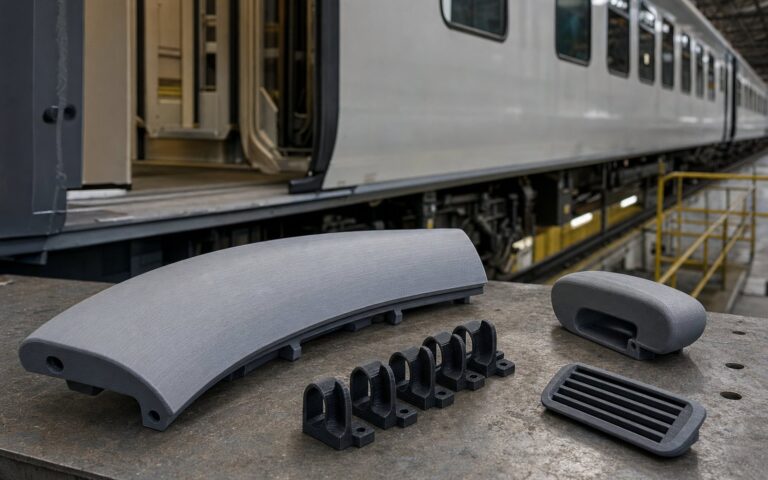
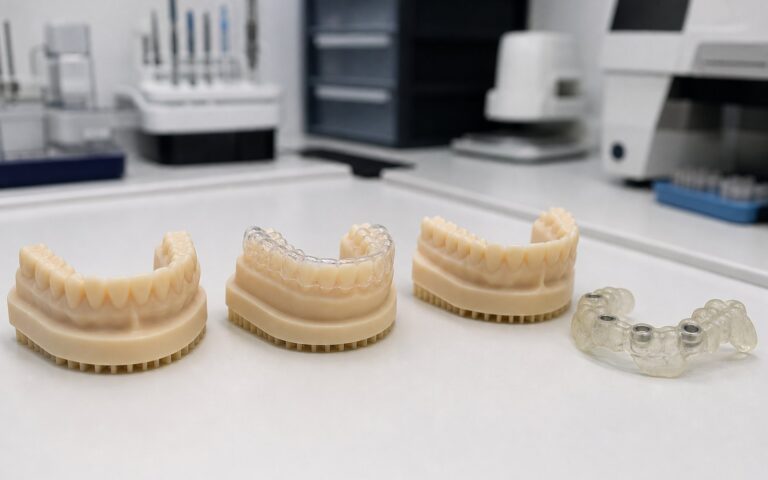
Some projects need a process the lab does not have. A batch of fifty identical parts is an SLS job; a translucent part or a fine-detail master is SLA; a part in a high-temperature polymer needs a machine most departments will not buy. Students get a 20 % discount on our manufacturing services with an institutional email address, and the process guide helps them choose before they upload.
Accreditation and industry links
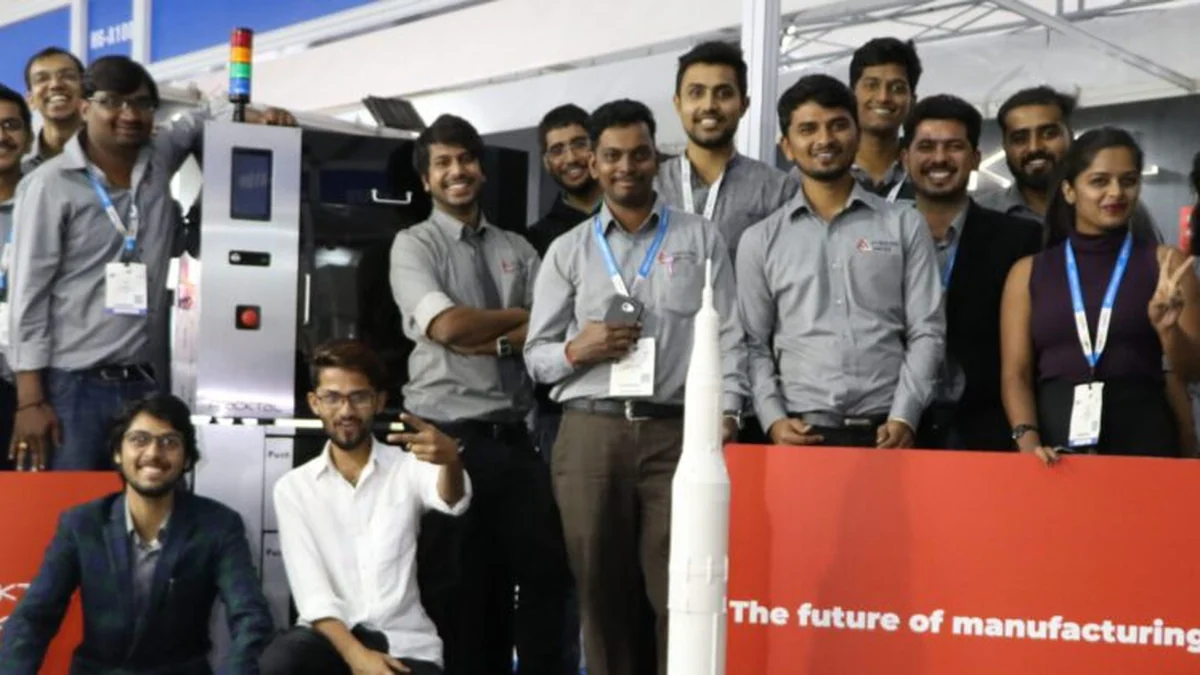
Regulators such as the AICTE expect institutions to show hands-on manufacturing facilities and industry engagement, and a working 3D printing lab is evidence of both. We support labs with training, maintenance and a knowledge base, and we take student interns on our own manufacturing floor in Bengaluru, which was how the company started: two students at Manipal who built the machine they could not afford to buy. Our about page tells that story, and the contact page is where to begin a conversation about a lab.