











PLA Not Sticking to the Bed
PLA is the least demanding filament there is — it barely shrinks, it needs no enclosure, and it will stick to a clean plate at 50–60 °C with nothing else on it. So when PLA lifts, it is almost never the filament. It is the nozzle sitting too high, a plate with fingerprints on it, or a bed that was never turned on. Work through those three before you buy anything.
PLA Almost Never Has an Adhesion Problem
ABS contracts about 0.8 % as it cools and tears itself off the plate. PLA contracts roughly 0.3 % and has a glass transition around 60 °C, which means a bed at 50–60 °C keeps the base of the part soft and compliant for the whole print. There is very little force trying to lift it.
That matters for diagnosis. On ABS a lifted corner is a physics problem you manage with heat and enclosure. On PLA a lifted corner is a mechanical problem: the first layer was never properly pressed into the plate, or the plate was not clean enough to bond to. Fixing the mechanics fixes PLA nearly every time, and none of it costs anything.
Three Causes, and They Cover Almost Everything
Do them in this order. Most PLA adhesion complaints are solved before the third.
01 · The nozzle is too high
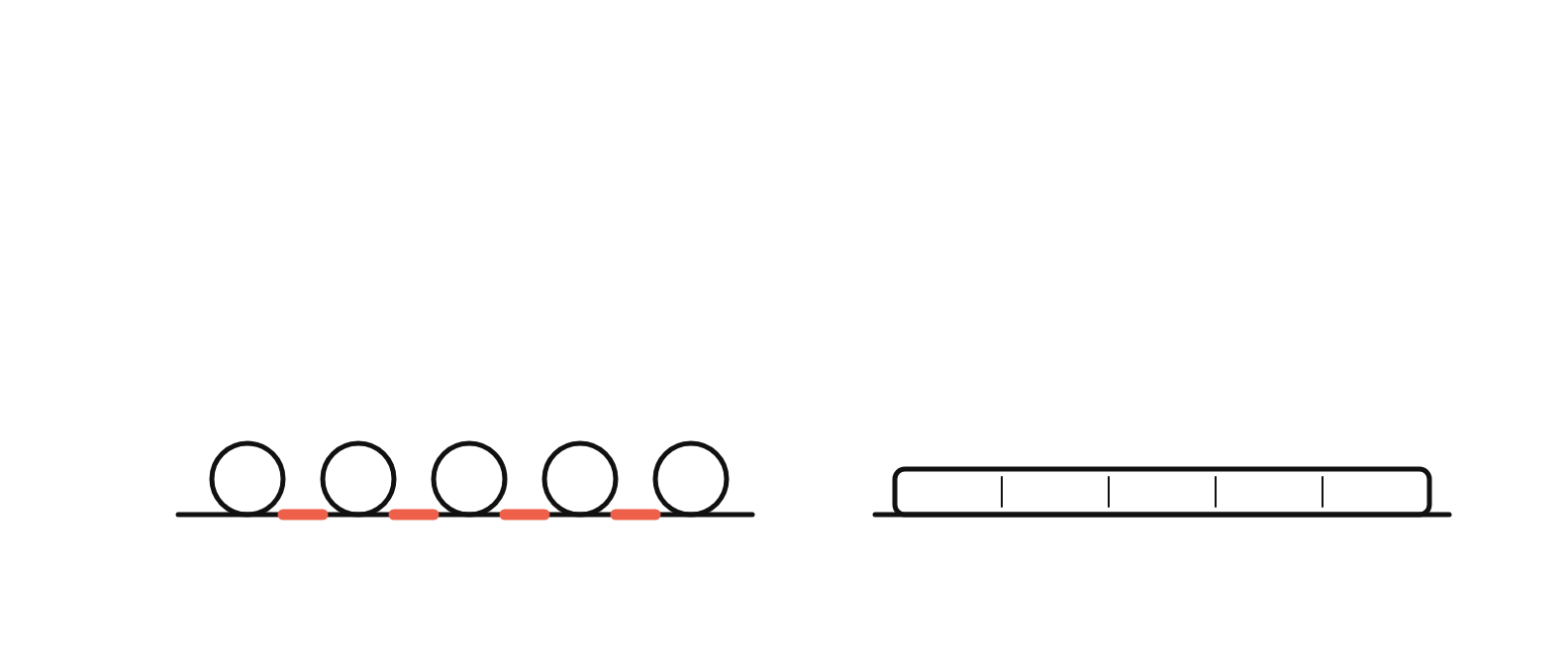
A first layer that looks like a row of separate round strands is a nozzle sitting too far off the plate. It should be squashed until the strands merge into a sheet with no gaps — roughly 0.8 times the nozzle diameter, so a 0.4 mm nozzle lays a 0.32 mm first layer. Lower the Z-offset in 0.02 mm steps and reprint a single-layer square until the surface is continuous.
02 · The plate has skin oil on it
Fingerprints are the single most common cause and the least suspected, because the plate looks clean. The oil from one thumb print is enough to stop PLA bonding over that patch. Wipe the whole plate with isopropyl alcohol on a lint-free cloth before every print, and handle a flex sheet by its edges.
03 · The bed is cold, or unevenly hot
PLA prints on an unheated bed, but 50–60 °C makes it markedly more forgiving. If the centre sticks and the edges do not, the bed is cooling at the perimeter — a common trait on larger plates. Give it five minutes at temperature before starting, and check flatness with a single-layer square covering the whole plate.
PLA and Its Neighbours
| Material | Bed | Nozzle | Part cooling | Plate | Adhesive |
|---|---|---|---|---|---|
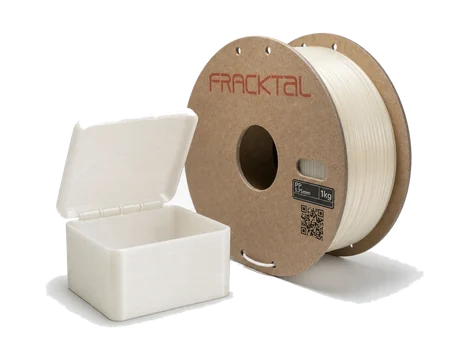
| PLA | 0–60 °C | 190–220 °C | 100 % | PEI, glass | Rarely needed |
| PET-G | 60–85 °C | 225–250 °C | 30–60 % | PEI, glass | As a release layer |
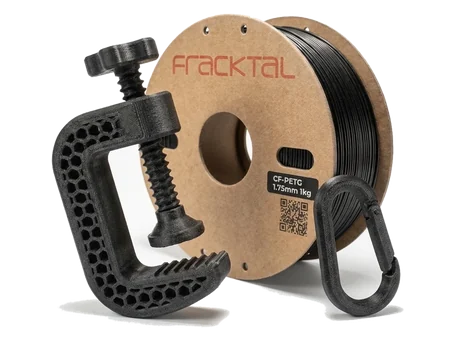
| CF-PET-G | 70–85 °C | 240–265 °C | 30–60 % | PEI | Standard |
| TPU 95A | 0–60 °C | 215–240 °C | Low | PEI, glass | Standard |
| ABS, for comparison | 95–110 °C | 220–250 °C | 0 % | PEI, Kapton | Plus |
PLA is only mildly hygroscopic, but a spool that has sat open through a monsoon absorbs enough water to print a crackling, foamed first layer that cannot bond to anything. If the nozzle is popping or the extrusion looks rough and underfed, dry the spool at 45 °C for four hours before changing a single setting.
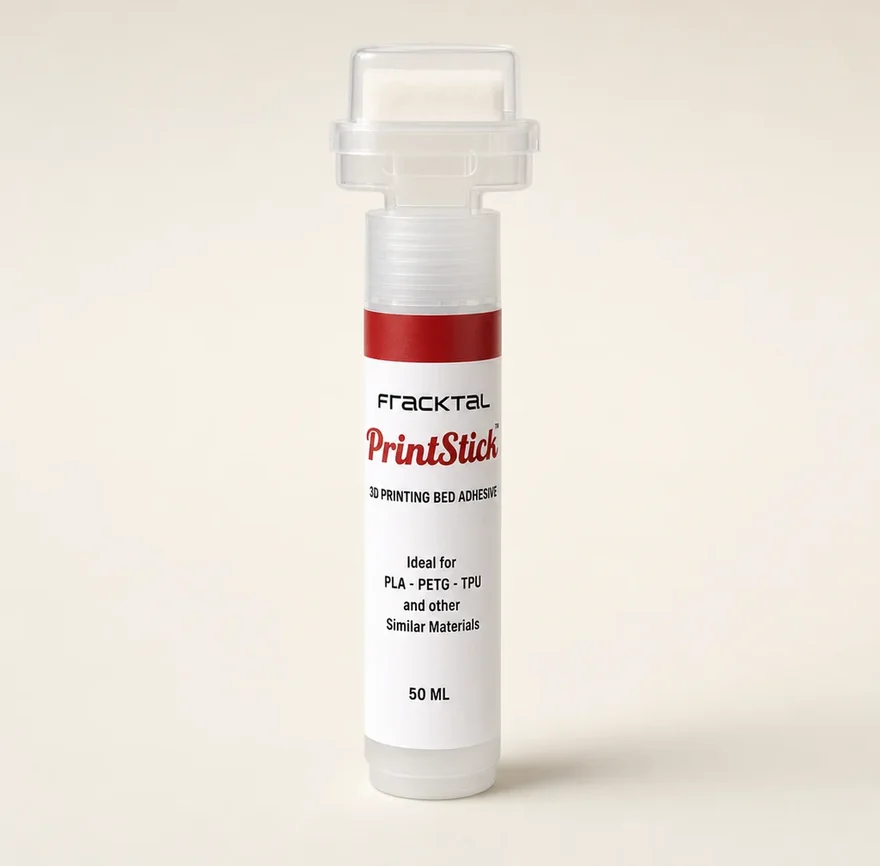
The PLA Prints That Genuinely Need Adhesive
There are three. A large flat footprint — anything over about 150 mm on a side — gives the corners a long enough arm that even PLA’s small contraction wins. A textured PEI sheet holds PLA by mechanical key rather than chemistry, and on a tall narrow part there is not enough key to hold it. And a worn smooth PEI sheet, polished by a few hundred prints, simply stops gripping.
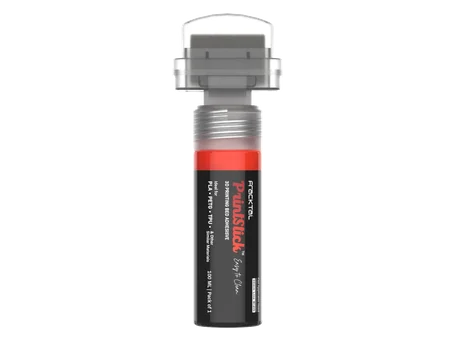
In those three cases PrintStick Standard is the right tool: one thin pass of the 30 mm felt head, it grips while the plate is hot and lets go as it cools, and it washes off the plate with a damp cloth instead of being scraped. Anywhere else, a clean plate and a correct first layer will do the same job for nothing, and this page would rather you did that.
Questions About PLA Bed Adhesion
Why is my PLA not sticking to the bed?
What bed temperature should I use for PLA?
Do I need a glue stick for PLA?
How do I clean a build plate for PLA?
Why does PLA stick in the middle of the bed but not at the edges?
Does PLA warp?
The Rest of the Guide
- First layer not stickingThe ten-minute fix list
- How to clean a build plateThe most-skipped free fix
- Bed temperature by materialAll twelve, in one table
- Elephant’s footWhen the first layer is too squashed
- PLA, the full material pageMeasured properties and settings
- PrintStick StandardFor the three cases that need it
Printers That Get the First Layer Right
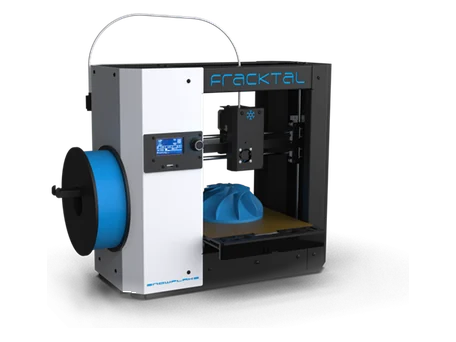
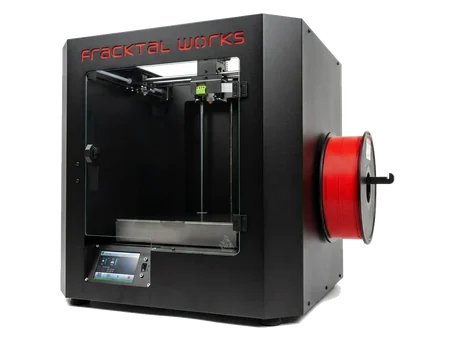
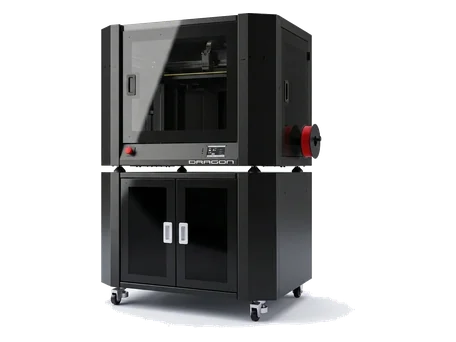
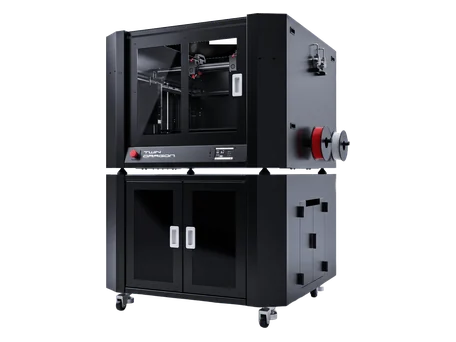
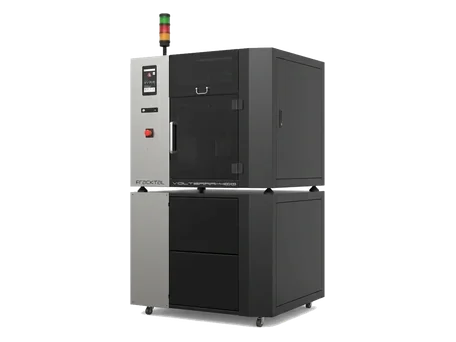
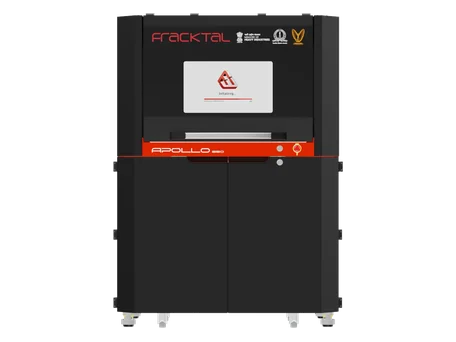
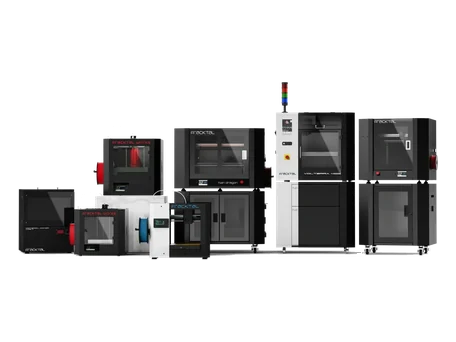
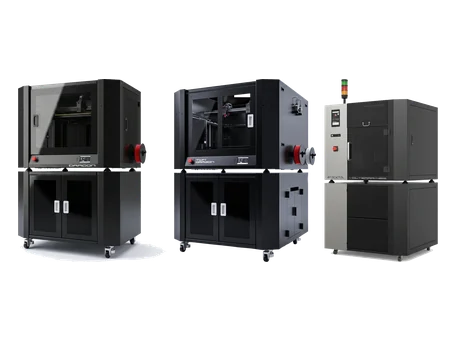
Fracktal builds and supports its own machines in Bengaluru, which means bed flatness and first-layer calibration are ours to answer for, not a forum’s.