












Is 3D Printing Sustainable? Waste, Materials and Energy

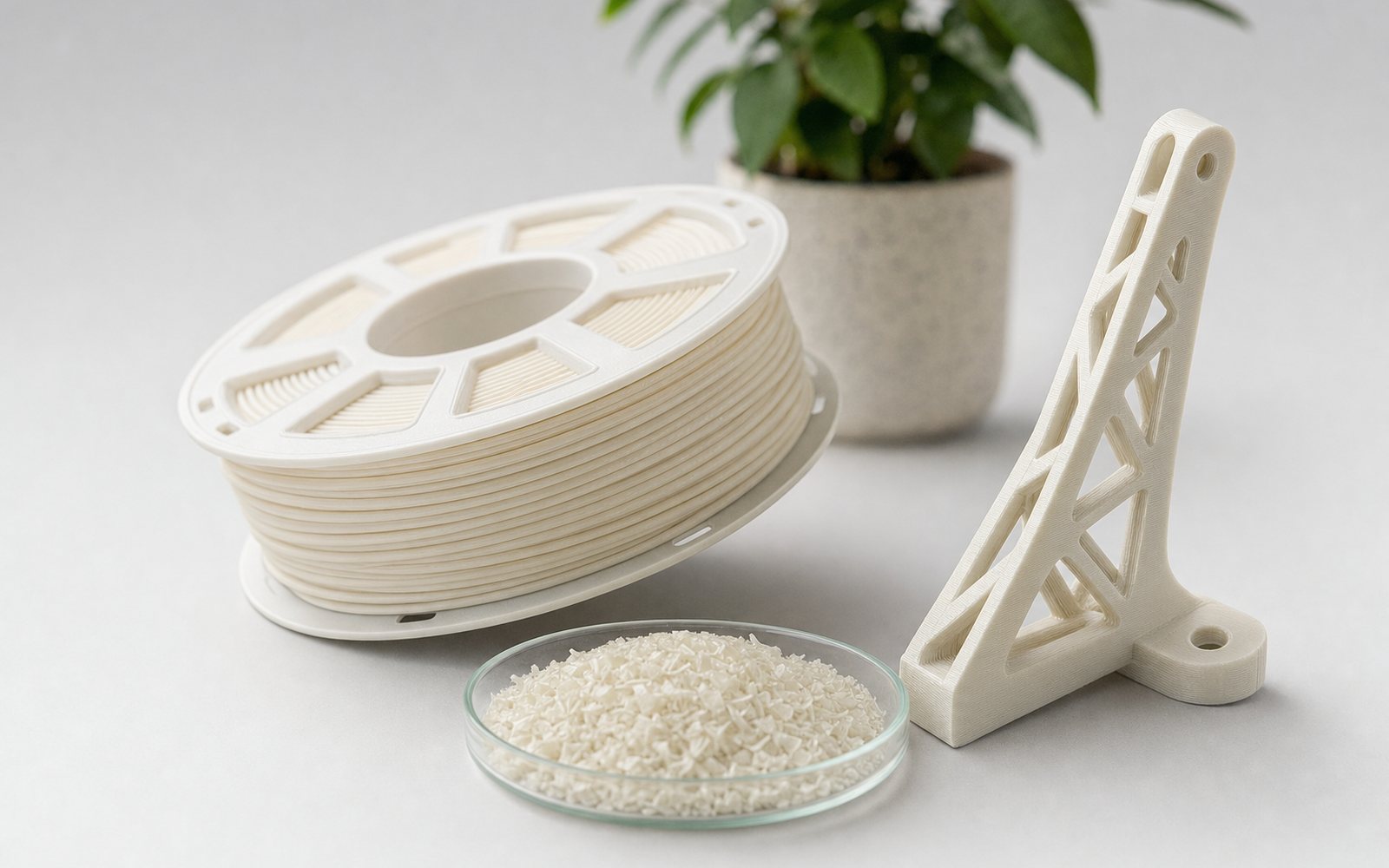
Is 3D printing sustainable? Honestly: sometimes, and the difference is in how it is used. A printer that makes one part, once, from exactly the material needed, in the city where the part is used, has a lighter footprint than almost any other way of making it. A printer that runs failed prints all week, on wet filament, with supports on everything, does not. Neither claim is the whole picture, so this article puts numbers where it can and says where it cannot.
Where the waste actually comes from
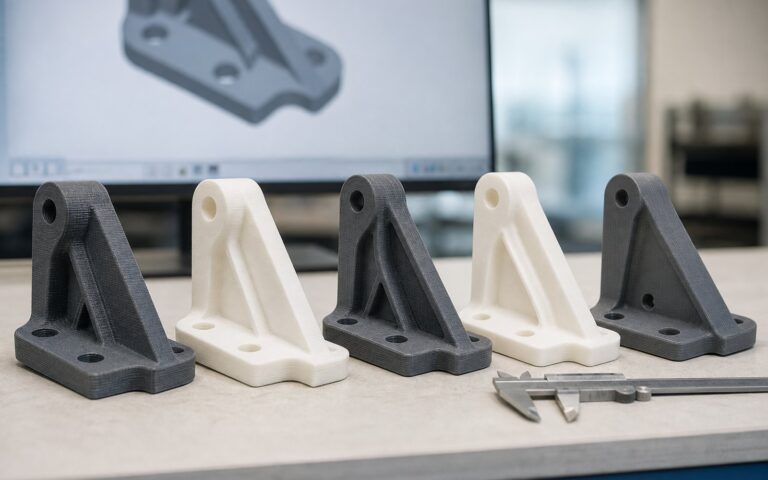
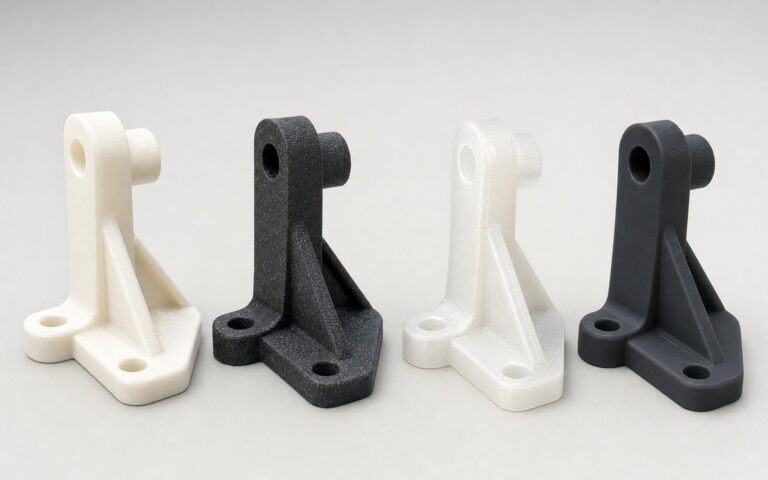
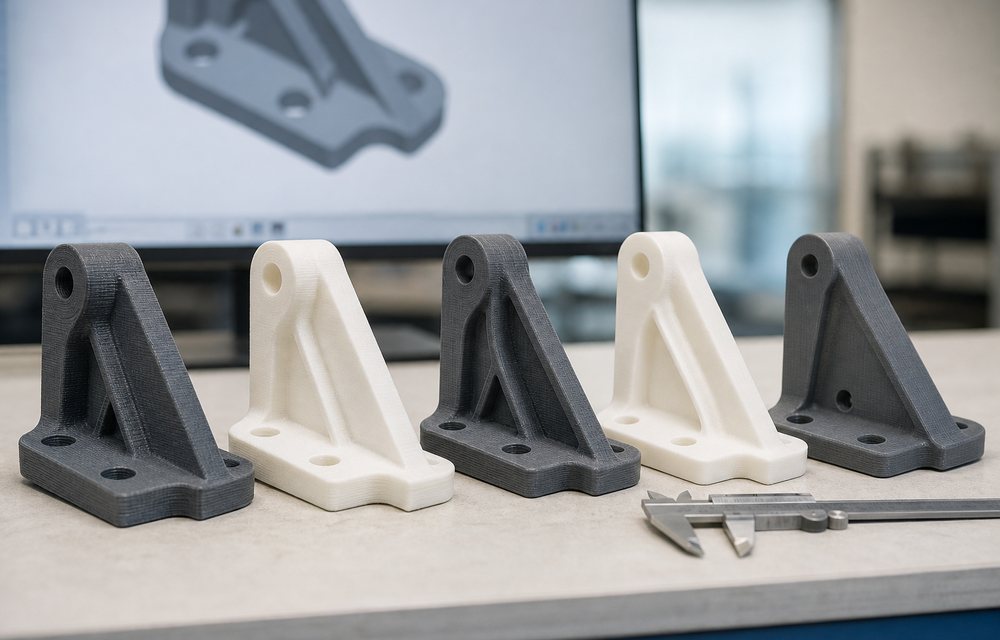
Machining starts with a block and removes most of it. Printing starts with nothing and adds only what the part needs. That is the sustainability argument in one sentence, and for the part itself it is true: a bracket printed in FDM uses the mass of the bracket plus a little for supports and a skirt.
The waste is elsewhere. In our experience it comes from five places, in roughly this order:
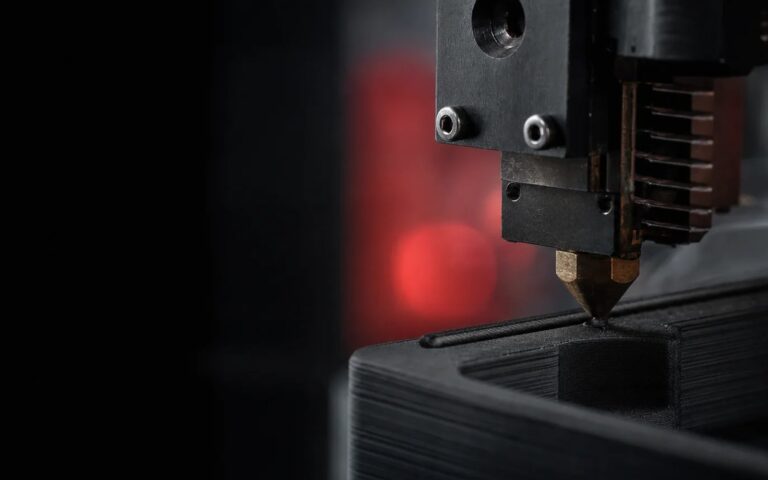
- Failed prints. A print that lifts off the bed at hour six is six hours of material and electricity in the bin. This is the biggest single source, and it is almost entirely preventable.
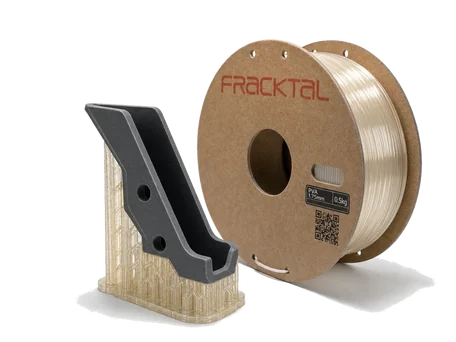
- Supports. On a badly oriented part, supports can weigh as much as the part.
- Iterations that did not need to be full-size or full-quality. A concept check printed at final settings.
- Purge, skirts and brims. Small per print, large over a year.
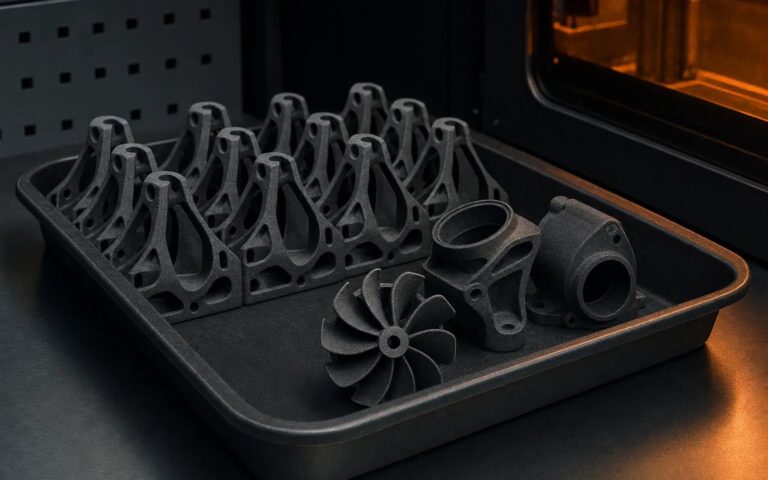
- Powder in SLS and MJF that has been through the machine once and can only be partly reused.
Cutting the waste: what actually works
The fixes are unglamorous and they are all about reliability.
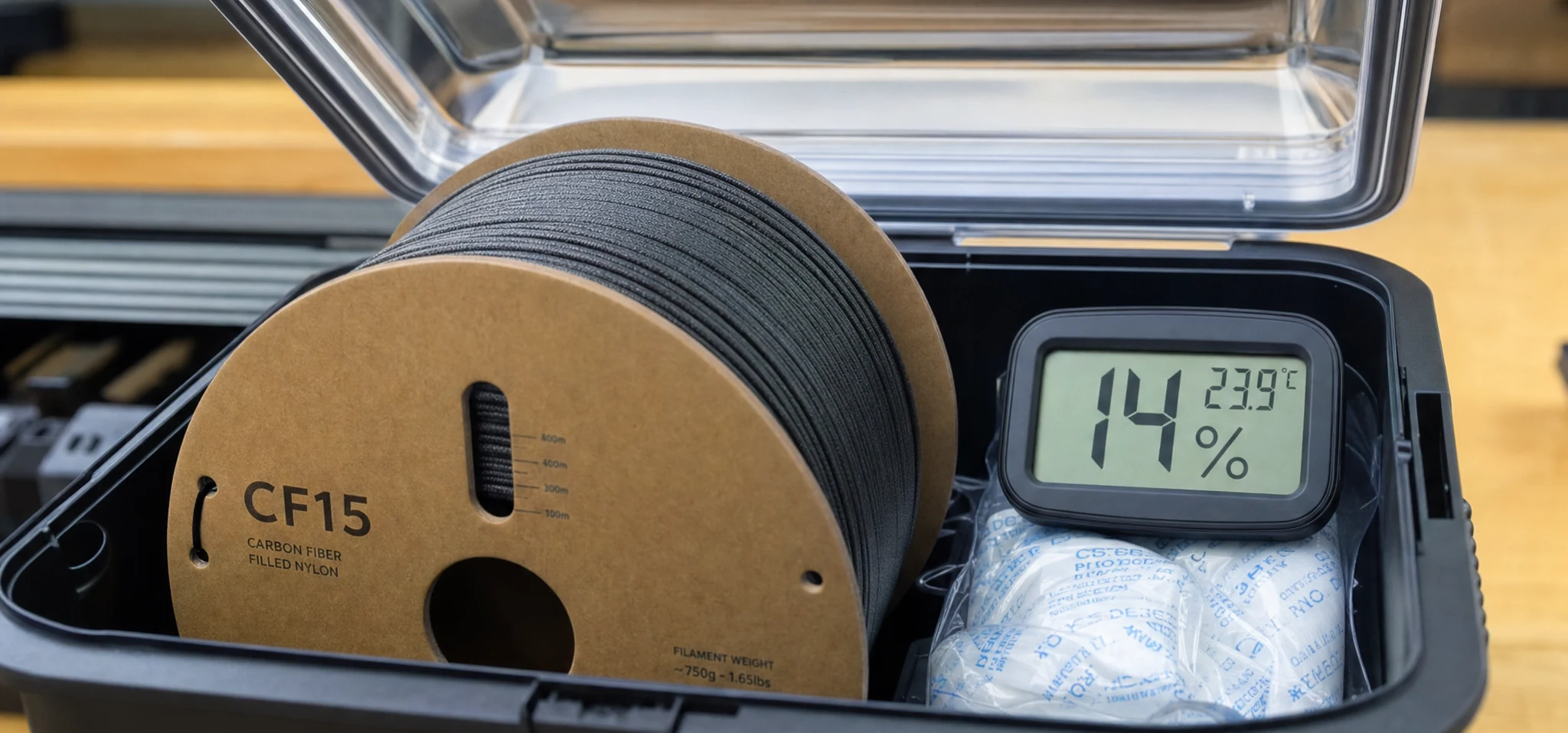
- Dry the filament. Wet nylon, PETG and TPU string, bubble and fail. A material dryer is the cheapest thing you can buy to reduce failed prints, because more than half of new spools arrive needing it.
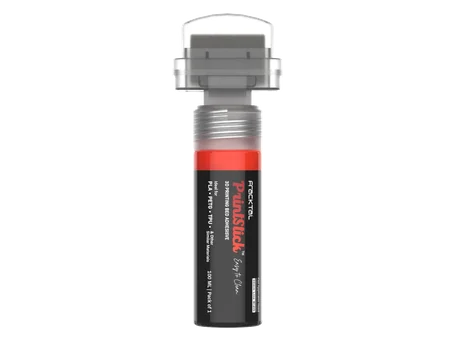
- Fix first-layer adhesion. Most mid-print failures start at the first layer. A clean plate and a proper adhesive such as PrintStick remove the commonest cause. Our bed adhesion guide goes through the rest.
- Orient to minimise supports. A part turned 30 degrees can go from needing supports on half its surface to needing none. Where supports are unavoidable, a lower support density and a proper interface layer halve the material and make removal cleaner.
- Print concept models coarse. A 0.3 mm layer, low infill, no supports. It answers the question in a third of the time and material.
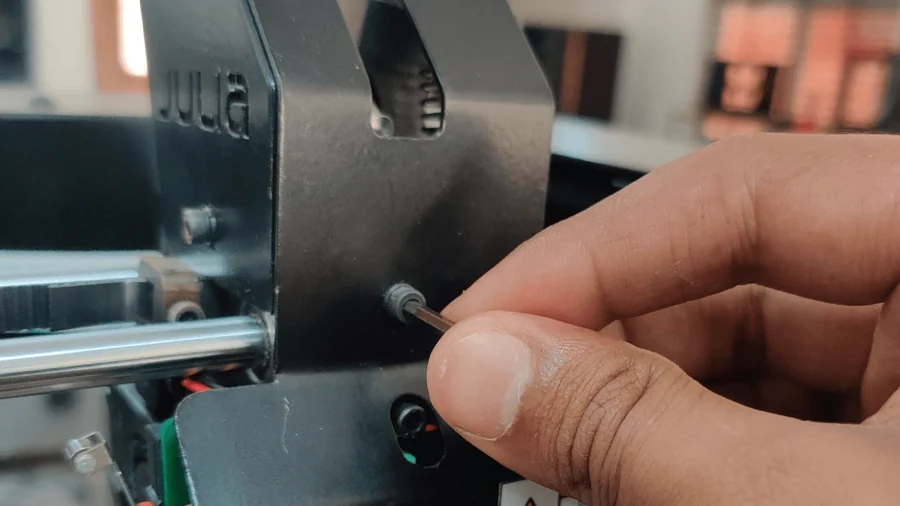
- Watch overnight prints. A camera and a web interface, as on the Julia, mean a print that has failed at 1 a.m. is stopped at 1 a.m., not found at 8.
Materials: what is actually recyclable
The honest material picture is mixed.
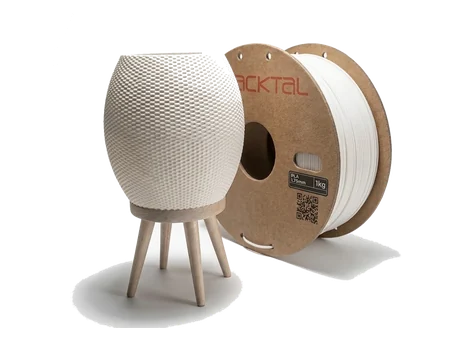
PLA is made from plant starch and is industrially compostable, which means it breaks down in a composting facility at 55 to 60 °C over weeks. It does not break down in a landfill or on a beach in any useful timescale, and India has few industrial composting facilities that accept it. So PLA is a lower-carbon material to make, not a material that disappears after use.
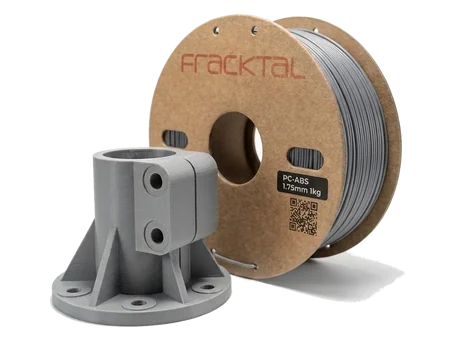
PETG, ABS, ASA, PC and nylon are thermoplastics, so failed prints and supports can in principle be shredded and re-extruded into filament. In practice the reground material is a blend of grades and colours, picks up moisture and contamination, and the filament made from it is fine for concept prints and poor for functional parts. Several Indian recyclers now take clean, sorted print waste; a bin per material in the print room is what makes that possible.
SLS powder is the material with the clearest reuse story. Unsintered powder from one build is mixed with fresh powder for the next, at a refresh rate that depends on the grade. Nothing is thrown away except the parts.
The larger effect: making parts where they are used
The footprint of a part is not only the plastic in it. A spare shipped by air from Europe, a mould cut in steel for a run of two hundred, a prototype couriered back and forth four times: those are the emissions that printing removes. A part printed in Bengaluru for a customer in Bengaluru travels by road. A digital inventory replaces a warehouse of parts that may never be fitted. A design that is right on the third iteration, because iterating was cheap, is a product that ships once instead of being recalled.
These are hard to put a number on for a single part, and easy to see across a year of production. They are also the reason the company was founded with the mission to “empower the sustainable development of humankind” through digital fabrication, which is on our about page and is meant literally.
Design for less material
The last lever is the one engineers control entirely. A part designed for printing can be lighter than the machined part it replaces, because material only goes where the load goes: lattice interiors, ribs instead of solid walls, consolidated assemblies that remove fasteners and the joints around them. A bracket at 60 % of the mass is 40 % less material per part, for every part, forever. Our design for 3D printing rules are mostly about strength and printability, and they reduce material as a side effect.
What we do on our own floor
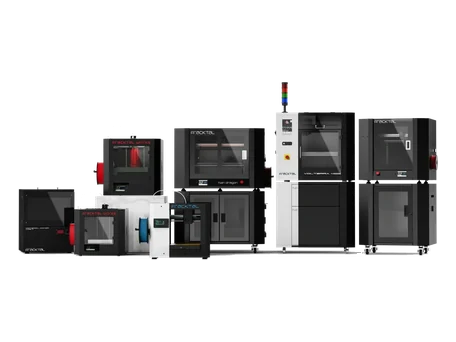
Every machine on our manufacturing floor runs on dried material from sealed storage, on a plate prepared the same way every time, with an engineer checking orientation before a job starts. Failed prints are sorted by material for recycling. That is not a sustainability programme; it is what running printers well looks like, and the two turn out to be the same thing.
If you want a part made with the least material for the job, send it through the quote page and say so. Orientation, infill and the choice between FDM and powder-bed are where the difference is made, and those are decisions we make before printing.