











3D Printing in Aerospace: Cabin Parts, Ducts and Tooling

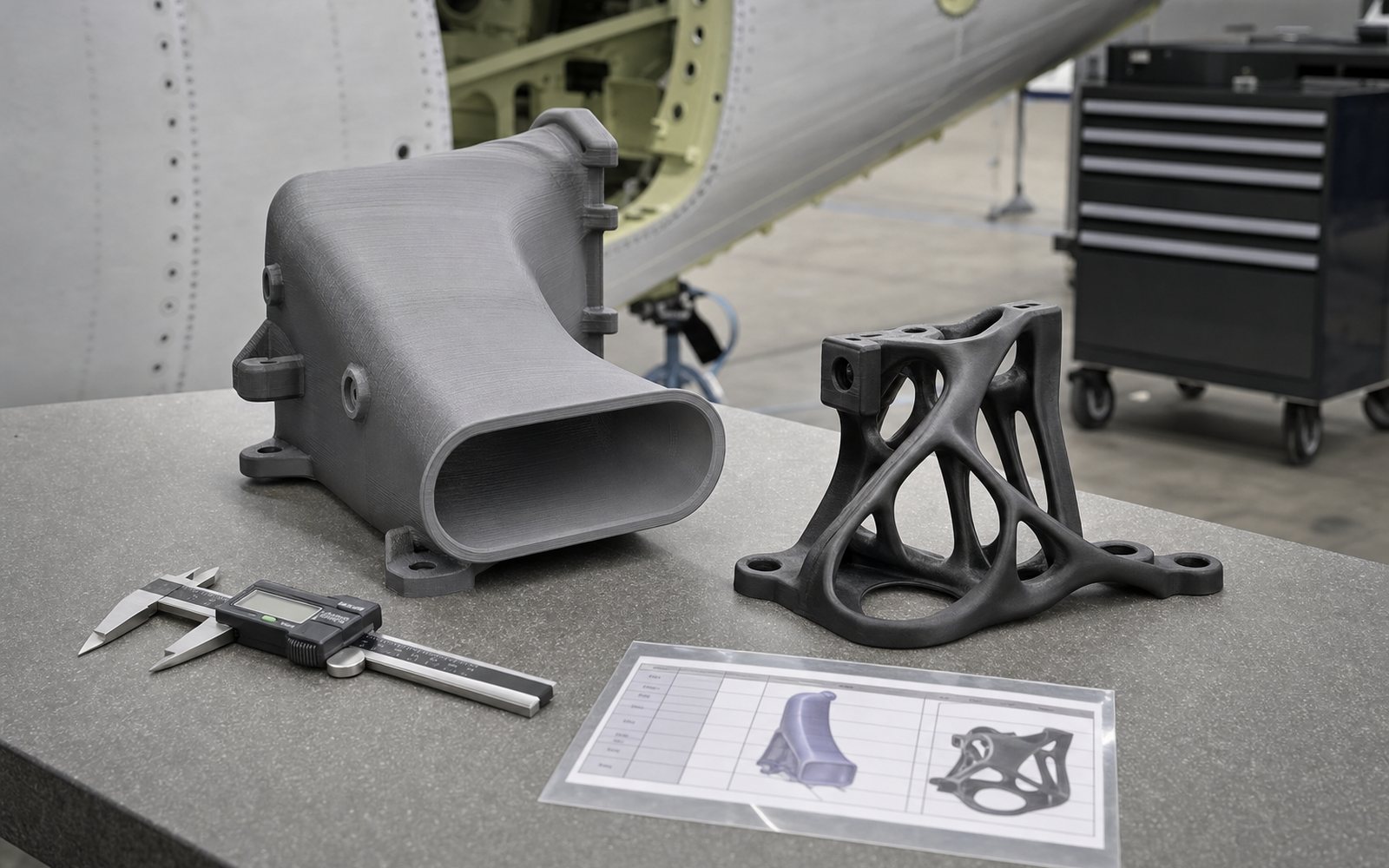
3D printing in aerospace is famous for the parts that fly: the fuel nozzle, the titanium bracket, the consolidated manifold. Those parts exist, they are metal, and they took years to certify. The larger, quieter part of aerospace printing is polymer, and it is on the ground as often as in the air: cabin parts, ducts, ground-support tooling, test articles and the thousand brackets a new aircraft or satellite programme goes through before anything is frozen. That is the work a polymer printer manufacturer does, and this article is about it.
The parts that fly, in polymer
Polymer parts fly on commercial aircraft today, and the list grows each year. They share a profile: non-structural or lightly loaded, needed in small numbers per aircraft, expensive to tool, and better if lighter.
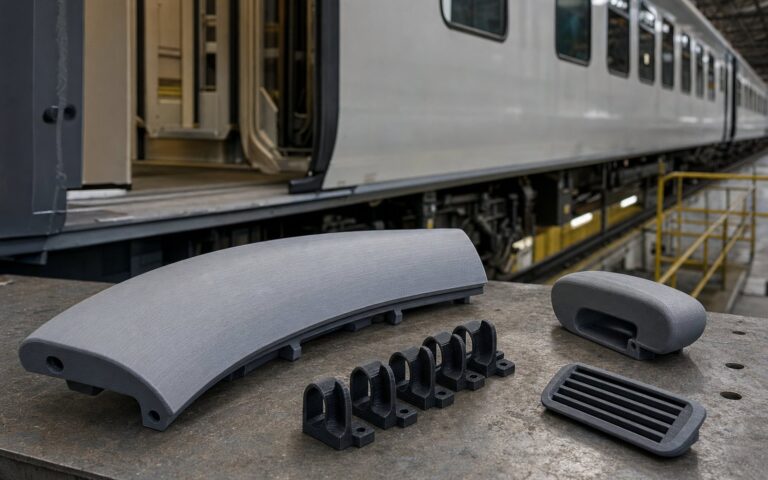
- Cabin interior parts: bezels, brackets, clips, vent grilles, seat components, latches and the trim that varies between airlines.
- Air ducts and environmental-control parts with geometry that no mould could release, printed as one piece.
- Cable and harness brackets in their hundreds per aircraft, each slightly different.
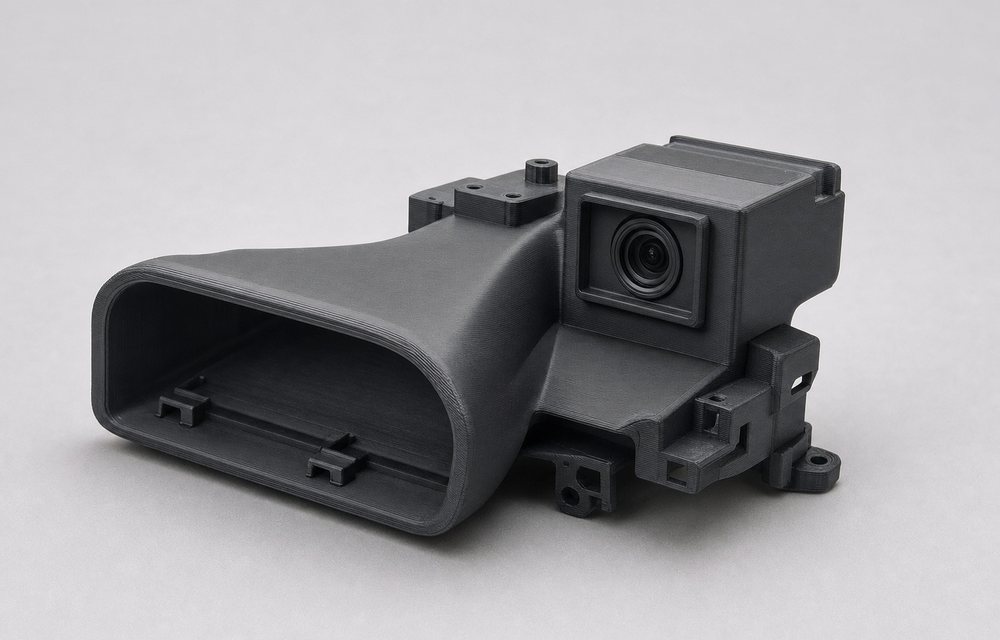
- Housings for avionics, sensors and antennas.
- UAV airframes and payload parts, where the aircraft is small, the loads are known, and the design changes weekly. See our drone article.
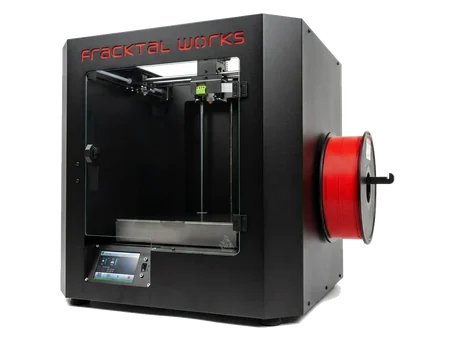
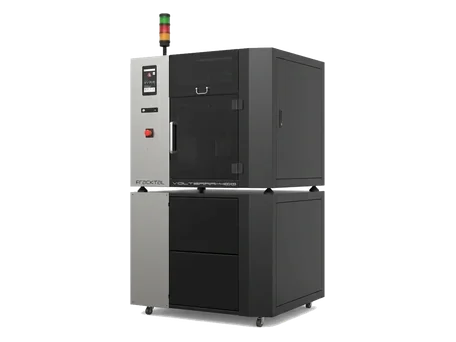
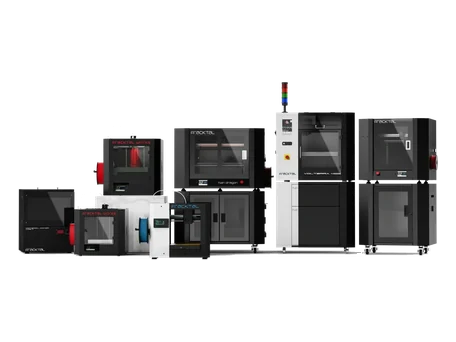
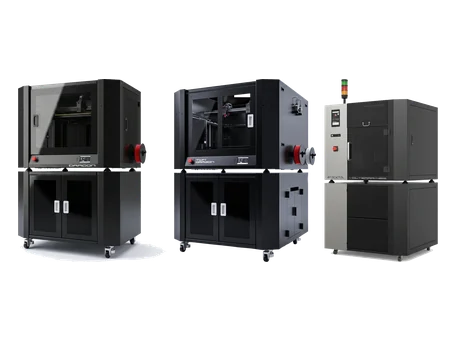
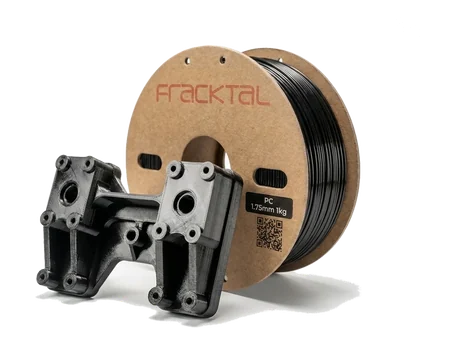
Flame, smoke and toxicity requirements decide the material. In-cabin parts need FST-rated polymers, which in practice means high-temperature materials such as PEKK-class grades and flame-retardant polycarbonate, printed on a machine with a 450 °C hotend and a heated chamber. That is what the Volterra is built for.
Development: the bracket before the bracket
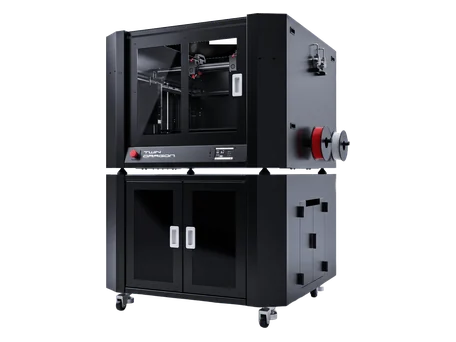
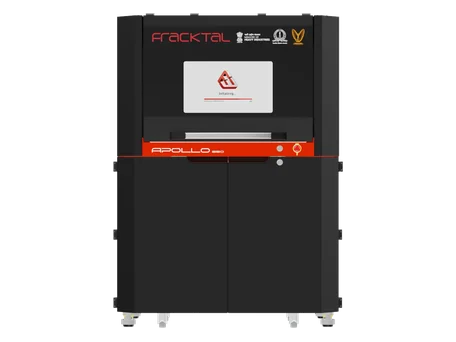
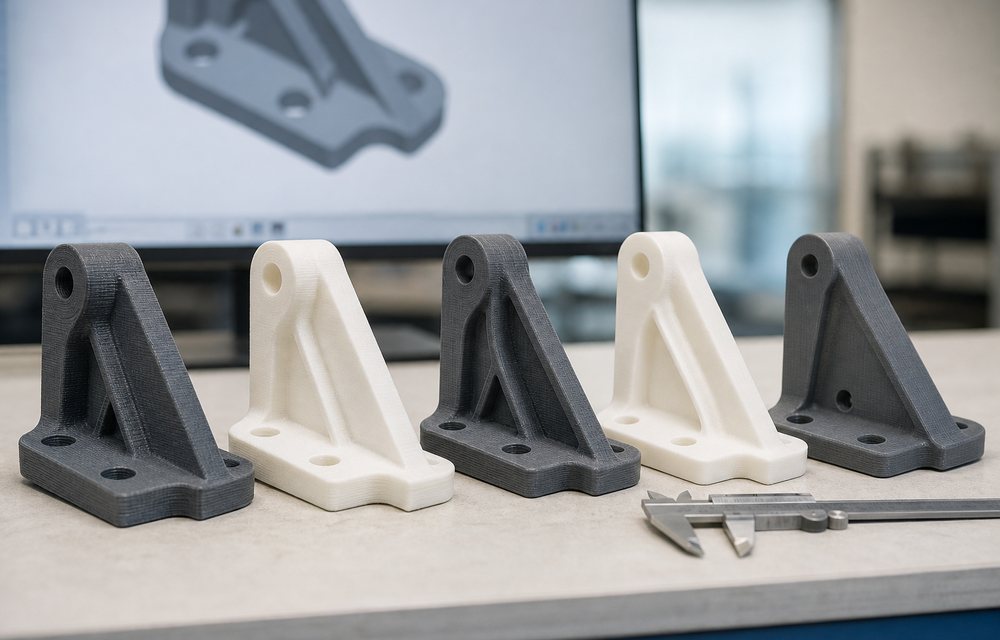
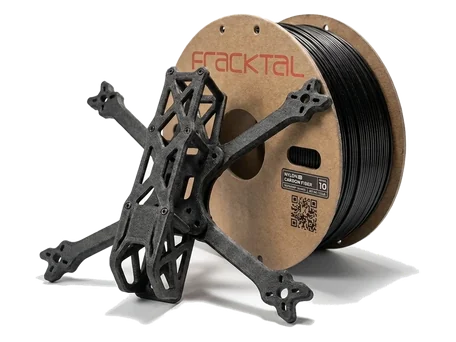
Before a metal bracket is printed or machined, it is usually printed in polymer several times: to check fit in the airframe, to route the harness through it, to hand to the stress engineer, to fix the thing the CAD hid. Carbon-fibre nylon is the usual material because it is stiff, stable and close enough in feel to the eventual part. Test articles for wind tunnels and rigs, scale models of an airframe or a satellite bus, and mock-ups for cabin layouts are printed the same way, on a large-format machine like the Twin Dragon when the piece is big.
Ground support and tooling
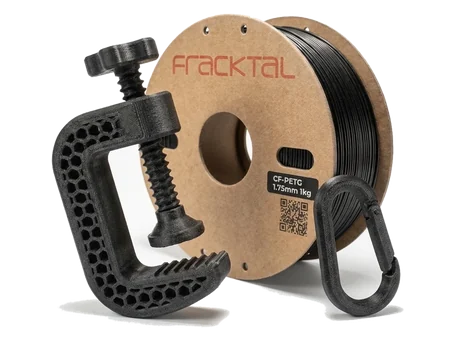
An aircraft on the ground is surrounded by printed parts. Drill jigs and templates for repairs, protective caps and plugs for every port and fitting, alignment fixtures, gauges, inspection aids, trays for fasteners in sequence, and the holding fixtures in a maintenance hangar. None are flight parts, all are needed in ones and twos, and a printed one is ready tomorrow. The jigs, fixtures and gauges guide is written for this.
Composite lay-up tooling is a case of its own: printed moulds and mandrels for carbon-fibre parts, used for prototypes and small runs where a machined tool would cost more than the parts.
Spares for a fleet that flies for decades
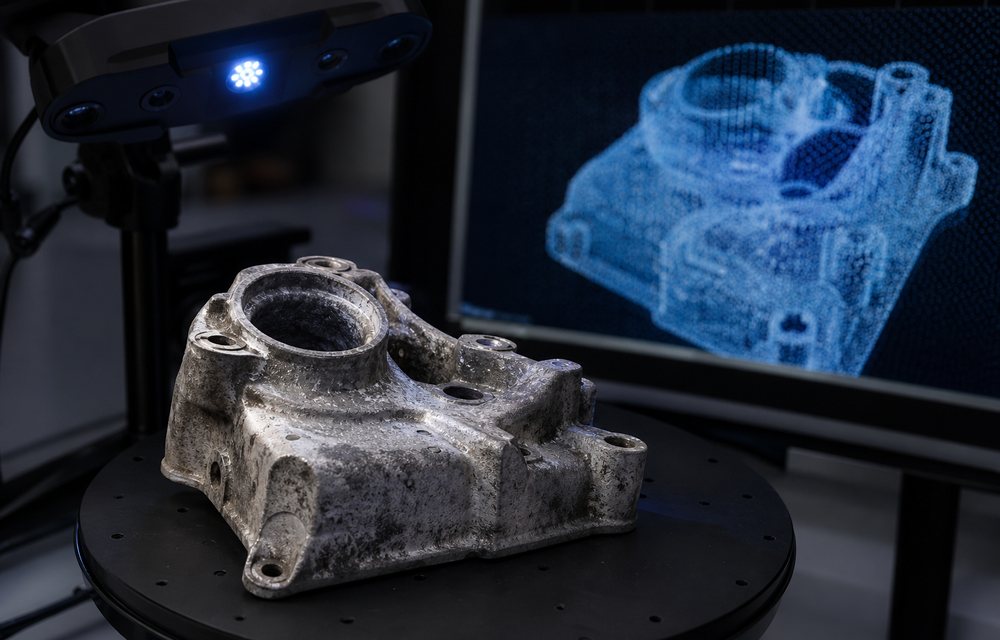
Aircraft outlive their suppliers. Interior clips, knobs, bezels and covers go out of production long before the airframe does, and a digital inventory of those parts is one of the most practical things an operator can build. The spare parts article and our reverse engineering service cover how the files are made and held.
Metal, honestly
The LEAP engine’s printed fuel nozzle, consolidated from twenty parts into one, is the reference case for metal printing in aerospace, and it is what a decade of development and qualification at a jet-engine manufacturer buys. Metal powder-bed printing of flight parts is real, expensive, and gated by certification rather than by the machine. For most Indian aerospace suppliers and start-ups, the polymer work above is what pays now, and the route to metal runs through the same discipline: design for the process, test, document. Our process guide sets out the boundaries.
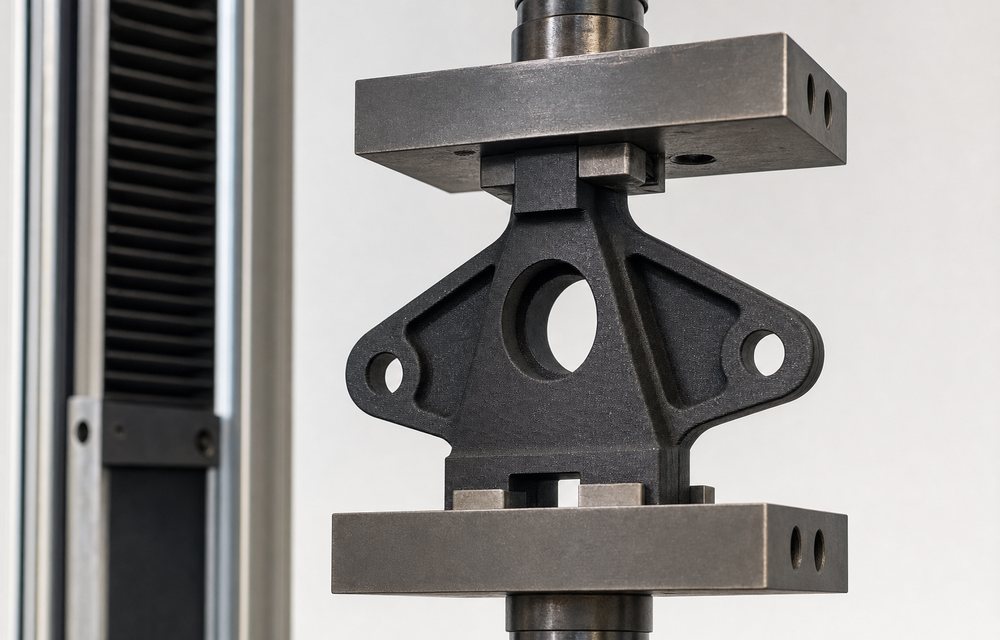
What aerospace asks of a supplier
Three things, and they are the same three whether the part flies or holds a drill.
- Traceability. Which material, which lot, which machine, which settings. Every batch we ship carries that record.
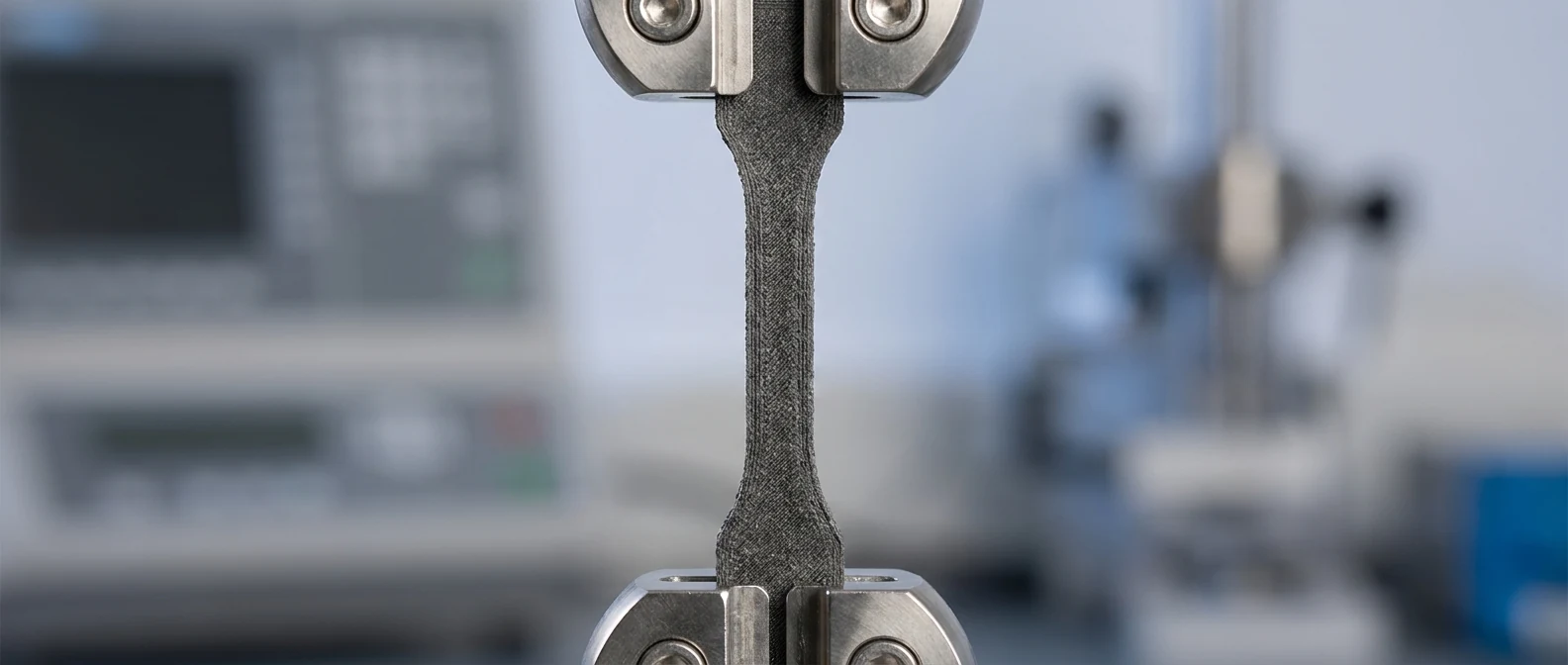
- Measurement. A part checked against the drawing before dispatch, with the report. Our quality assurance page describes what is measured and how.
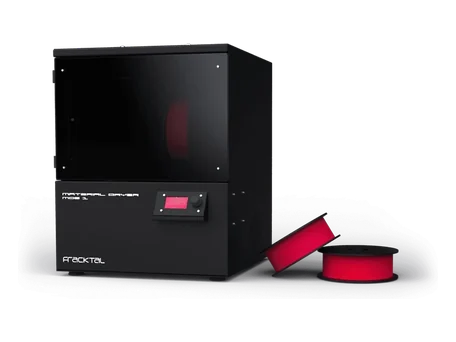
- Repeatability. The tenth part the same as the first, which comes from dried material, a controlled chamber and a process that does not depend on who ran the machine.
India’s aerospace supply chain
Bengaluru is the centre of Indian aerospace: HAL, ISRO, the National Aerospace Laboratories, the private space start-ups and the tier suppliers around them. Fracktal builds its machines here and runs its manufacturing floor here, and the industrial range, from the Dragon to the Volterra, was designed around the materials this industry specifies. Send the part through the quote page with the material requirement and the operating temperature; an engineer checks it against the process before it is priced.