














First Layer Not Extruding Properly
Nothing, or almost nothing, extruding on the first layer has four causes, and they are quick to tell apart: the nozzle is too close to the bed, the extruder is starved, the nozzle is partially blocked, or the bed is out of level. Check them in that order; each takes under five minutes.
1. Nozzle too close to the bed
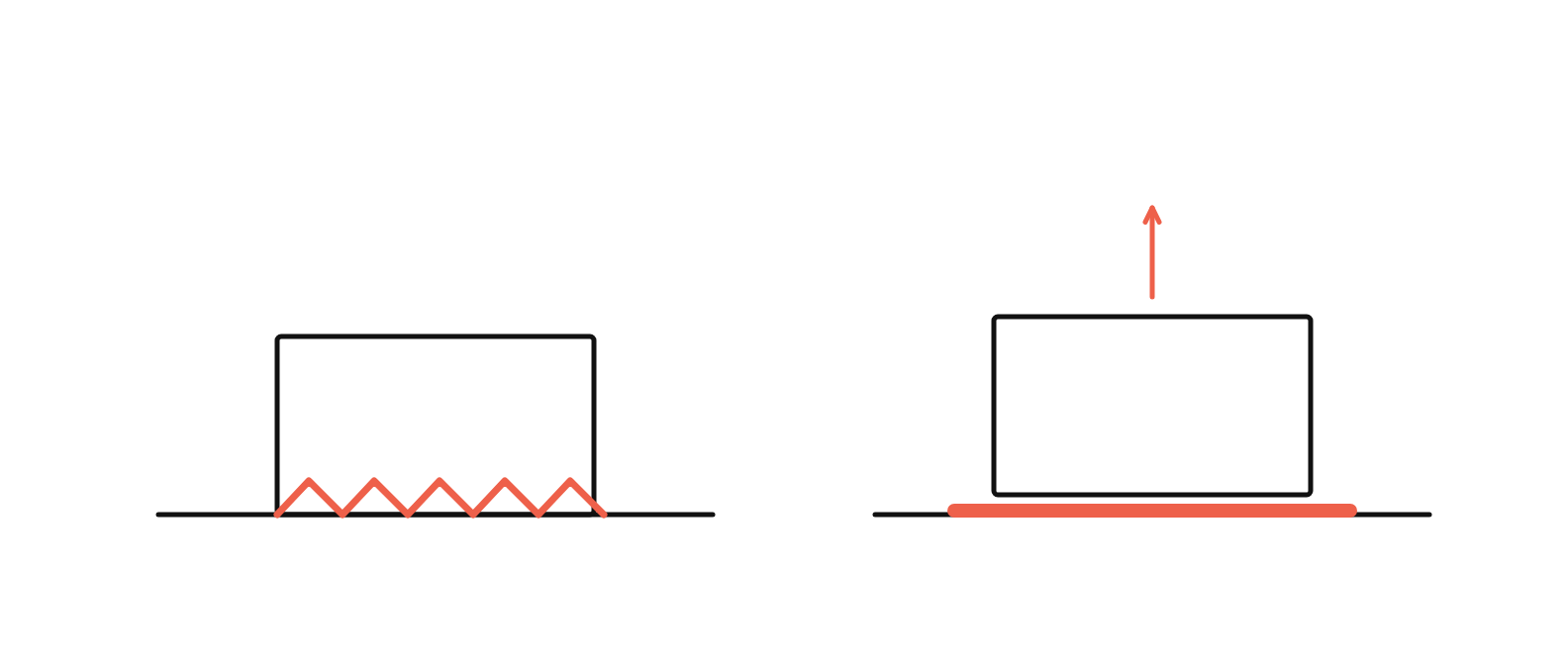
If the nozzle is pressed against the bed there is nowhere for the plastic to go: the extruder clicks, grinds the filament, and the first layer comes out as intermittent wisps. The tell is that extrusion works fine in mid-air (raise Z 10 mm and extrude manually) but not on layer one.
Raise the Z-offset in small steps, one at a time, until the first layer lays down as a slightly flattened, continuous line. A line that stays round is too far; a line with ragged, transparent patches is still too close.
2. A starved extruder
If the filament is not reaching the nozzle at all, extrusion fails everywhere, not just on layer one. Open the idler and check for a ground-away notch in the filament where the drive gear has been slipping; cut below it and reload. Check the spool turns freely and the filament has not crossed over itself on the spool, and check the full path from spool to extruder for kinks.
3. A partial clog
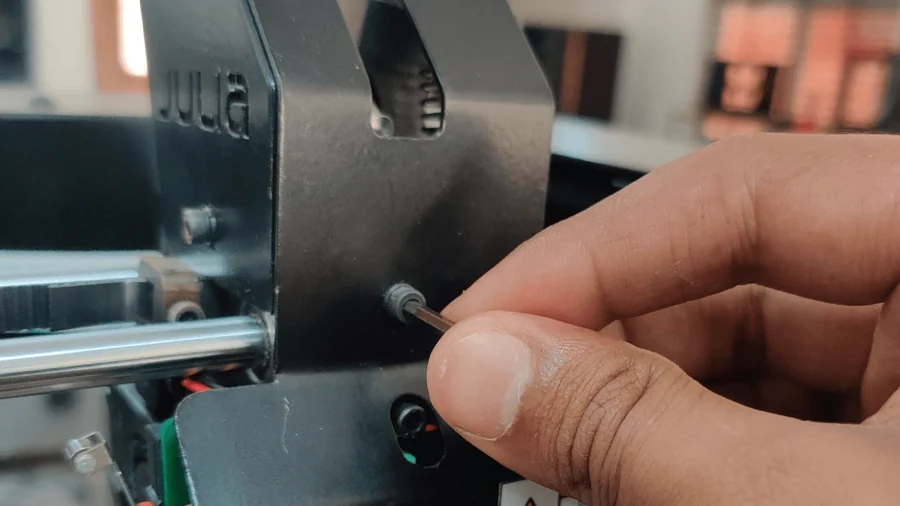
Thin, curling, inconsistent extrusion with the nozzle at the right height points at the nozzle itself. The blocked nozzle guide takes it from here: needle, push-through, cold pull, in that order.
4. Bed levelling
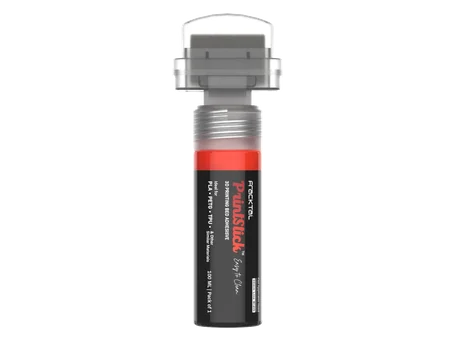
If the first layer works on one side of the bed and fails on the other, the bed is out of tram. Run the machine’s levelling routine, then re-check the Z-offset from step one, because levelling changes it. While you are there, clean the plate: a first layer that extrudes but does not stick is an adhesion problem, which is its own subject; our bed adhesion guide covers it, and PrintStick holds the layer down once it is laying down correctly.
Prove it before the real print
Print a one-layer test square, or the skirt of your actual part with the print paused after the skirt. Thirty seconds of watching the first layer saves the hour of finding out at layer forty. The daily habits that keep the first layer reliable are on the printer SOP, and if the problem survives all four checks, send us the G-code and a photo of the first layer as it fails.